The Lancashire Witches
 79
79

The Lancashire Witches
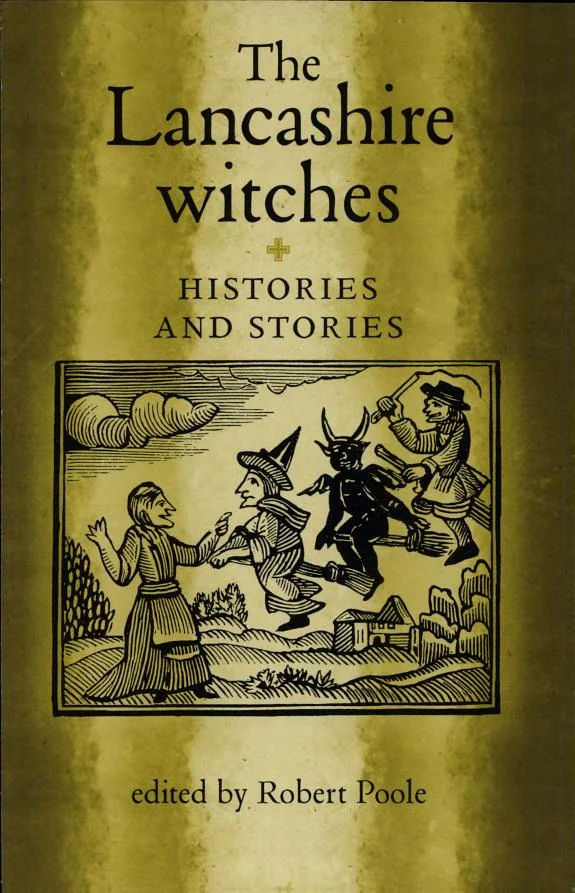
Robert Poole’s *The Lancashire Witches* eschews the common sensationalism surrounding the Pendle trials, opting instead for a sober, evidence-based reconstruction. Its strength lies in its detailed dissection of the social and legal mechanics at play in 1612. Poole carefully traces the accusations against the Demdike and Chattox families, demonstrating how personal feuds and economic pressures fueled the prosecution. A notable passage where he analyzes the testimony of Jennet Device, one of the accused who later recanted, effectively illustrates the unreliability of confessions extracted under duress. While the prose is consistently academic, at times it could benefit from a slightly more engaging narrative flow to fully convey the human drama inherent in the subject. Nevertheless, for its scholarly rigor and focus on historical accuracy, the book provides an essential corrective to more fanciful accounts.
📝 Description
79
Robert Poole's 2002 book examines the 1612 Pendle witch trials with meticulous historical research.
Robert Poole's The Lancashire Witches reconstructs the events of the 1612 Pendle witch trials by grounding the narrative in primary sources. Instead of sensationalizing the episode, Poole focuses on the complex social, legal, and religious forces that fueled the accusations and subsequent executions. The book investigates the lives of the accused individuals, the motivations behind the accusations, and the legal structures in place during the early 17th century. This approach offers a detailed view of one of England's most widely known witch trial cases.
This work is relevant for those interested in the historical circumstances of witchcraft accusations, the social history of early modern England, and the interplay between law, religion, and popular beliefs. It will appeal to students of history, enthusiasts of folklore, and readers seeking a scholarly yet accessible account of the Pendle witches. Individuals curious about the processes of historical persecution and how marginalized people became targets will find value in Poole's analysis.
While the book focuses on historical events, it engages with the broader context of demonological beliefs prevalent in early modern Europe, influenced by figures like James I and his text Daemonologie. Poole situates the Lancashire trials within a period of heightened concern over witchcraft, examining how local factors like feuds and anxieties intersected with wider European trends in prosecuting alleged sorcerers. The analysis of 'maleficium' directly addresses the perceived mechanisms of harmful magic central to many historical witchcraft beliefs.
💡 Why Read This Book?
• Gain a precise understanding of the legal procedures and social pressures that culminated in the 1612 Pendle witch trials, moving beyond folklore to historical fact. • Explore the intricate family rivalries and economic tensions within Lancashire that served as catalysts for the accusations against individuals like Alizon Device. • Analyze the role of spectral evidence and coerced confessions within the judicial system of early 17th-century England, as detailed in the trial records.
⭐ Reader Reviews
Honest opinions from readers who have explored this book.
❓ Frequently Asked Questions
What specific year did the main Pendle witch trials examined by Poole take place?
The primary witch trials discussed in Robert Poole's *The Lancashire Witches* took place in the year 1612. This period is central to understanding the historical context of witchcraft accusations in early modern England.
Who were the main families involved in the 1612 Pendle witch trials?
The book extensively details the feuds and accusations between two prominent families: the Demdikes and the Chattoxes. Their long-standing animosities were a significant factor leading to the trials.
What is 'spectral evidence' as discussed in relation to the Lancashire witches?
Spectral evidence refers to testimony about dreams or visions of the accused person's spirit or 'specter' harming someone. Poole examines how this type of often dubious evidence was used in the 1612 trials.
Did Robert Poole uncover new evidence about the Lancashire witches?
While Poole builds upon existing scholarship, his work is characterized by a thorough re-examination of primary sources and a critical analysis of established narratives, offering fresh interpretations of the events.
What was the outcome for the accused in the 1612 Pendle trials?
The 1612 trials resulted in the conviction and execution of ten individuals, primarily women from the accused families. Poole meticulously details the proceedings and sentencing.
How does Poole's book differ from other accounts of the Pendle witches?
Poole's approach is notably academic and grounded in historical methodology, prioritizing factual reconstruction over sensationalism. He critically assesses the historical record, unlike many popular retellings.
🔮 Key Themes & Symbolism
Social and Economic Pressures
Poole meticulously illustrates how the accusations of witchcraft in 1612 Lancashire were deeply intertwined with prevailing social hierarchies and economic hardship. The book highlights how marginalized individuals, particularly elderly women like those in the Demdike and Chattox families, became scapegoats for community anxieties stemming from poverty, crop failures, and local disputes. The analysis reveals how accusations often served to displace blame for misfortunes, offering a socio-economic explanation for the targeting of specific individuals within the Pendle region.
Legal Mechanisms of Accusation
A central theme is the examination of the legal processes employed during the 1612 trials. Poole scrutinizes the reliance on questionable evidence, such as spectral testimony and confessions extracted under duress, which were common in early modern witch trials. The work dissects how the legal framework, influenced by figures like King James I and his *Daemonologie*, facilitated the prosecution of individuals based on flimsy or coerced accounts. This theme underscores the vulnerability of the accused within the judicial system of the era.
Belief and Performance of Witchcraft
The book critically analyzes the concept of 'witchcraft belief' itself, distinguishing between the accusations made by accusers and the actual practices of the accused. Poole explores how individuals were perceived as witches based on societal fears and accusations of maleficium, rather than concrete evidence of magical pacts or malevolent acts. This theme studies the performance of witchcraft, both by those accused who might have adopted certain roles to survive, and by the accusers who constructed narratives to fit prevailing demonological views.
Family and Community Dynamics
Poole emphasizes the crucial role of inter-family rivalries and community tensions in fueling the Pendle witch trials. The protracted feud between the Demdike and Chattox families is presented as a microcosm of broader local conflicts. The book demonstrates how these personal animosities were amplified and channeled through the lens of witchcraft accusations, leading to a cascade of testimonies and counter-testimonies that solidified the case against the accused. This highlights the localized nature of many witchcraft prosecutions.
💬 Memorable Quotes
Direct passages from the work, attributed to the author.
“Accusations of witchcraft were often rooted in pre-existing local disputes and economic anxieties.”
— This interpretation highlights Poole's argument that the Pendle witch trials were not isolated incidents but were significantly influenced by the social and economic conditions of 17th-century Lancashire, suggesting that personal grievances and poverty played a key role.
“The legal proceedings relied heavily on confessions, frequently obtained through coercive means.”
— This points to Poole's critical examination of the judicial process, emphasizing how forced confessions, rather than verified evidence, formed a substantial basis for the convictions in the 1612 trials.
“The trials reveal the scapegoating of marginalized individuals within the community.”
— This concept underscores Poole's perspective on the social dynamics at play, suggesting that the accused, often poor or elderly women, were unfairly blamed for societal problems and misfortunes.
“Understanding the trials requires examining the interplay between popular belief and legal structures.”
— This interpretation captures Poole's emphasis on the multi-faceted nature of the witchcraft phenomenon, requiring an analysis of both the widespread belief in magic and the formal legal mechanisms that prosecuted alleged witches.
💡 Key Ideas
Editorial paraphrase of the work's core concepts — not direct quotes.
Spectral evidence, concerning visions of the accused's spirit, was a common but unreliable form of testimony.
This paraphrase addresses Poole's analysis of the types of evidence presented, focusing on the problematic nature of 'spectral evidence' which allowed for accusations based on dreams or visions, contributing to wrongful convictions.
🌙 Esoteric Significance
Tradition
While not strictly an esoteric text in the vein of grimoires or ceremonial magic manuals, *The Lancashire Witches* engages with historical beliefs that informed later esoteric traditions. It examines the popular understanding of maleficium and demonic influence prevalent in early modern England, a period where the lines between folk magic, demonology, and nascent occult philosophies were blurred. The book offers a historical lens on the societal fear of unseen forces, which is a foundational element in many Western esoteric traditions that explore the nature of power, influence, and the spiritual world.
Symbolism
Within the context of the trials, the accused themselves became symbols. Figures like Alizon Device, represented as an old woman begging, embodied the societal fear of the beggar as a potential witch. The notion of the 'witch's mark' served as a physical symbol, allegedly indicating a pact with the devil, though its interpretation was often subjective and driven by accusation. The concept of maleficium—harmful magic—functioned as a symbolic explanation for misfortune, allowing the community to externalize anxieties onto specific individuals.
Modern Relevance
Contemporary practitioners of Wicca and other modern Pagan traditions often engage with historical witch trials like Pendle, viewing them as key moments in the persecution of individuals perceived to hold pre-Christian or folk knowledge. While Poole's work is historical, it provides context for understanding the roots of modern witchcraft narratives. Thinkers in fields like critical theory and sociology of religion continue to draw on such studies to analyze power structures, social control, and the construction of deviance, demonstrating the enduring relevance of understanding historical persecutions.
👥 Who Should Read This Book
• Students of early modern British history seeking a fact-based account of the legal and social conditions leading to witchcraft prosecutions. • Folklore enthusiasts interested in the historical reality behind enduring legends of witchcraft, moving beyond sensationalized myths. • Researchers in comparative religion and sociology, examining how societal anxieties and belief systems influence accusations and legal outcomes.
📜 Historical Context
Robert Poole's *The Lancashire Witches*, first published in 2002, revisits the infamous 1612 Pendle trials nearly four centuries after the events. The book emerged during a period of renewed scholarly interest in early modern witchcraft, building upon foundational works like Christina Larner's *Enemies of God* (1981). Poole situates the Pendle case within the broader European witch-hunt phenomenon, but critically, he emphasizes the localized social and economic factors specific to Lancashire. The early 17th century, under the reign of James I, was a time of heightened anxiety surrounding witchcraft, partly fueled by the king's own demonological writings (*Daemonologie*, 1597). Unlike generalized accounts, Poole’s work meticulously dissects the familial feuds (Demdike vs. Chattox) and land disputes that appear to have been primary drivers, challenging simpler narratives of mass hysteria. The reception of Poole's work has been largely within academic circles, praised for its rigorous use of primary sources and its nuanced approach to understanding belief and legal practice in the period.
📔 Journal Prompts
The Demdike and Chattox family feud: Analyze its role in the 1612 accusations.
Consider the concept of maleficium as presented in the text.
Reflect on the reliability of spectral evidence in historical witch trials.
Examine Jennet Device's testimony and its implications for understanding confessions.
How did the social standing of the accused influence their prosecution?
🗂️ Glossary
Maleficium
Latin for 'misdeed' or 'evil-doing,' commonly used in the context of witchcraft trials to refer to harm or misfortune believed to be caused by magical means.
Spectral Evidence
Testimony concerning alleged visions or dreams of the accused person's spirit or 'specter' appearing to torment or harm the accuser. This was a controversial form of evidence in many witch trials.
Daemonologie
A treatise on witchcraft and demonology written by King James VI of Scotland (later James I of England), published in 1597. It influenced legal attitudes towards witchcraft.
Pendle Witches
Refers to the individuals accused and tried for witchcraft in Lancashire, England, primarily in 1612 and 1634, associated with the area around Pendle Hill.
Demdike
The surname of one of the two principal families involved in the 1612 Pendle witch trials, often pitted against the Chattox family in accusations and disputes.
Chattox
The surname of the rival family to the Demdikes, also central to the accusations and testimonies during the 1612 Pendle witch trials.
Witchcraft Accusation
The formal or informal charge that an individual has practiced witchcraft, typically involving the invocation of supernatural powers for malevolent purposes.
🔮 Readers Also Liked
Browse all →





More by Robert Poole
All books →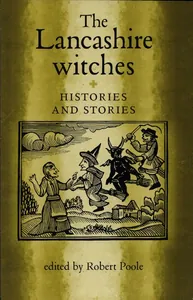
More Free Witchcraft & Paganism Books
View all →