The Inner Peace Diet
 71
71

The Inner Peace Diet
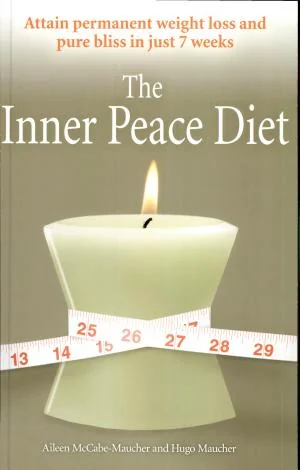
Aileen McCabe-Maucher and Hugo Maucher's 2008 offering, The Inner Peace Diet, tackles the perennial challenge of weight loss by grounding it in psychological well-being. The collaboration between a nurse-therapist and a chef is its undeniable strength, offering a dual perspective that feels both medically informed and culinarily inspired. The section on "Emotional Hunger Triggers" is particularly well-articulated, moving beyond simplistic calorie counting to address the root causes of overeating. However, the book occasionally leans into prescriptive language that might feel overly directive for some readers seeking genuine autonomy in their healing process. A notable passage discusses the "Serenity Prayer" as a framework for managing cravings, which, while potentially helpful, may not align with all readers’ spiritual or secular backgrounds. Ultimately, The Inner Peace Diet provides a valuable framework for those ready to confront the emotional dimensions of their relationship with food.
📝 Description
71
Published in 2008, The Inner Peace Diet links weight management and stress reduction through a holistic plan.
The Inner Peace Diet, by registered nurse Aileen McCabe-Maucher and master chef Hugo Maucher, was published in 2008. It addresses weight management and stress reduction by connecting physical health with mental well-being. The book's authors combine their backgrounds to offer a practical guide for a sustainable lifestyle that considers emotional and mental states. It is for individuals seeking more than a simple diet, particularly those who struggle with excess weight and chronic stress and want to understand the psychological roots of their eating habits.
The work appeared during a time of growing recognition for the mind-body connection in health. While many self-help books focused on isolated health aspects, this book uniquely integrated psychological principles with culinary arts. Its approach predates the digital wellness trend but aligns with an increasing interest in mindful living. The central idea is that emotional states directly affect eating behaviors and weight, and that achieving inner peace is necessary for lasting weight loss.
While not strictly an esoteric text, The Inner Peace Diet taps into a tradition that recognizes the deep connection between mental states and physical health. It shares ground with approaches that consider the internal, emotional 'diet' as foundational to physical well-being, a concept found in various contemplative and psychological traditions. The book's emphasis on 'inner peace' as a prerequisite for weight loss echoes practices that seek equilibrium and self-awareness as pathways to external transformation.
💡 Why Read This Book?
• You will learn to identify and manage "Emotional Hunger Triggers," a concept specifically detailed in the book, which offers a psychological framework for understanding cravings beyond mere physical need. • You will gain practical culinary advice from "Master Chef Hugo Maucher," focusing on preparing "nourishing, satisfying meals" that support emotional balance alongside physical health, a distinct benefit of this co-authored approach. • You will explore stress-reduction techniques, directly linked to the "Inner Peace" aspect of the diet's philosophy, providing a holistic strategy for weight management that acknowledges the mind-body connection as presented in the 2008 publication.
⭐ Reader Reviews
Honest opinions from readers who have explored this book.
❓ Frequently Asked Questions
What is the core philosophy behind The Inner Peace Diet?
The core philosophy is that true and lasting weight loss is achieved not just through diet, but by cultivating inner peace and addressing the emotional and psychological factors that drive eating habits. It posits that mental well-being is foundational to physical health.
Who are the authors of The Inner Peace Diet?
The book was authored by Aileen McCabe-Maucher, a registered nurse and licensed psychotherapist, and Hugo Maucher, an acclaimed master chef. Their combined expertise forms the dual foundation of the diet's approach.
When was The Inner Peace Diet first published?
The Inner Peace Diet was first published in 2008, positioning it as an early entrant in the holistic wellness movement that increasingly linked mental and physical health.
Does The Inner Peace Diet focus solely on weight loss?
No, while weight loss is a primary outcome, the diet is fundamentally a lifestyle plan designed to address stress reduction and promote overall well-being alongside physical health.
What kind of recipes can I expect in The Inner Peace Diet?
Readers can expect recipes developed by a master chef, focusing on nutritious, satisfying, and palate-pleasing dishes that are designed to support emotional balance and healthy eating habits.
Is The Inner Peace Diet suitable for people with severe stress or emotional eating issues?
Given that one author is a licensed psychotherapist, the book specifically addresses emotional hunger and stress, making it potentially very beneficial for individuals struggling with these issues.
🔮 Key Themes & Symbolism
Mindful Eating Practices
The book emphasizes cultivating a conscious relationship with food, moving beyond mindless consumption driven by emotion or habit. It encourages readers to pay attention to hunger cues, savor flavors, and appreciate the act of eating. This mindful approach, a central tenet of the plan, aims to transform how individuals interact with their meals, fostering a sense of peace and gratitude that counteracts stress-induced overeating.
Emotional Hunger vs. Physical Hunger
A central to The Inner Peace Diet is the distinction between true physical hunger and emotional hunger. The authors detail how feelings of stress, anxiety, loneliness, or boredom can manifest as cravings for specific foods. By identifying these emotional triggers, readers are empowered to respond to their feelings in healthier ways, rather than using food as a coping mechanism.
Holistic Wellness Integration
This work champions a holistic view of health, asserting that mental, emotional, and physical well-being are intrinsically linked. The diet plan is not merely about calorie restriction but about nurturing the entire self. It integrates stress-management techniques, psychological insights, and culinary artistry to create a comprehensive lifestyle that supports sustainable weight loss and lasting inner peace.
Culinary Artistry for Health
The contribution of Master Chef Hugo Maucher is vital, offering delicious and nourishing recipes that align with the diet's principles. The emphasis is on creating meals that are both satisfying to the palate and beneficial for the body and mind. This aspect ensures that healthy eating is not perceived as deprivation but as an enjoyable and supportive part of the wellness journey.
💬 Memorable Quotes
Direct passages from the work, attributed to the author.
“Readers are always searching for a way to lose weight and eliminate stress.”
— This opening statement from the original blurb highlights the pervasive societal challenge of balancing physical health with mental well-being, setting the stage for the book's integrated approach.
“The Inner Peace Diet fills that void.”
— This phrase directly addresses the perceived gap in existing literature, positioning the book as a comprehensive solution for individuals facing the dual challenges of weight management and stress.
“Transform not just their bodies, but their...”
— This incomplete sentence from the original blurb suggests the book's ambition extends beyond mere physical transformation, implying a deeper, possibly psychological or spiritual, change within the reader.
“The combined efforts of a registered nurse and licensed psychotherapist, and an acclaimed master chef.”
— This factual statement underscores the interdisciplinary foundation of the book, highlighting the blend of medical/psychological expertise with culinary skill as a key differentiator.
“It seems as though readers are always searching for a way to lose weight and eliminate stress.”
— This observation captures a fundamental human desire for balance and health, reflecting a common sentiment that the book aims to address with its unique methodology.
🌙 Esoteric Significance
Tradition
While not explicitly adhering to a single esoteric lineage, The Inner Peace Diet draws from principles found in various traditions that emphasize the interconnectedness of mind, body, and spirit. Its focus on inner peace as a prerequisite for physical health aligns with concepts found in certain schools of Western esotericism and Eastern philosophies that advocate for mental discipline and emotional equilibrium as foundational to well-being.
Symbolism
The book's title itself, "The Inner Peace Diet," functions as a primary symbol, representing the internal state required for external health. The act of eating is implicitly symbolized as a ritual that can either nourish or deplete; the "diet" aspect suggests a structured approach to this ritual. The collaboration between nurse/psychotherapist and chef symbolizes the union of healing (psychological and physical) with sustenance (culinary artistry).
Modern Relevance
The work's emphasis on the psychological drivers of eating and the crucial role of stress management in weight control remains highly relevant. Contemporary wellness movements, particularly those focusing on intuitive eating, mindful consumption, and stress-reduction techniques (like those found in modern mindfulness-based interventions), echo the core messages of The Inner Peace Diet. Its holistic approach continues to inform practitioners and individuals seeking a balanced path to health.
👥 Who Should Read This Book
• Individuals struggling with emotional eating and stress-related weight gain, who will benefit from the psychotherapist's insights into identifying triggers and coping mechanisms. • Health-conscious home cooks seeking to align their culinary practices with their wellness goals, drawing on the practical, chef-developed recipes and meal strategies. • Readers interested in holistic approaches to health who are looking for a structured plan that integrates mental, emotional, and physical well-being, moving beyond conventional diet paradigms.
📜 Historical Context
The Inner Peace Diet, published in 2008, arrived during a burgeoning interest in holistic health and the mind-body connection, yet it carved a distinct niche. While authors like Deepak Chopra were popularizing spiritual approaches to wellness and medical professionals increasingly discussed psychosomatic links, few integrated this with practical, chef-developed culinary guidance for weight management. The late 2000s saw a rise in mindful eating concepts, partly influenced by earlier works like Jon Kabat-Zinn's mindfulness-based stress reduction (MBSR) programs, but The Inner Peace Diet specifically applied these principles to a diet plan co-created by a psychotherapist and a chef. Its reception was generally positive among those seeking integrated solutions, though it existed alongside a vast market of more narrowly focused diet books and stress-reduction guides.
📔 Journal Prompts
Reflect on the concept of 'Emotional Hunger Triggers' as presented by McCabe-Maucher and identify personal patterns.
Analyze the symbolic representation of 'Inner Peace' within the context of your personal dietary habits.
Consider the culinary approach of Master Chef Hugo Maucher and how it could foster a more mindful eating experience for you.
Evaluate the integration of psychological principles with dietary advice in the book's framework.
Explore the relationship between stress levels and food cravings as discussed in the text.
🗂️ Glossary
Emotional Hunger Triggers
Specific feelings or situations (e.g., stress, boredom, loneliness) that lead to cravings for food, often for comfort rather than physical need. The book guides readers to identify and manage these.
Inner Peace
A state of mental and emotional calm and well-being, free from disruptive thoughts or feelings. The book posits this state as essential for successful and sustainable weight management.
Holistic Approach
An approach to health and wellness that considers the entire person—mind, body, and spirit—recognizing that these aspects are interconnected and influence one another.
Mindful Eating
The practice of paying full attention to the experience of eating and drinking, both internally and externally, through the senses. It involves being aware of hunger and satiety cues, and the effects of food on the body and mind.
Nourishing Meals
Food prepared with an emphasis on nutritional value and positive impact on both physical health and emotional well-being, as crafted by Master Chef Hugo Maucher.
Psychological Well-being
A state of mental health characterized by emotional stability, resilience, and a positive outlook, as addressed by psychotherapist Aileen McCabe-Maucher.
Weight Management Plan
A comprehensive strategy for achieving and maintaining a healthy body weight, integrating diet, exercise, and psychological support as presented in the book.
This book appears in 1 collection
🔮 Readers Also Liked
Browse all →









From the “Chakras” Collection
View all →







More Free Occult Philosophy Books
View all →