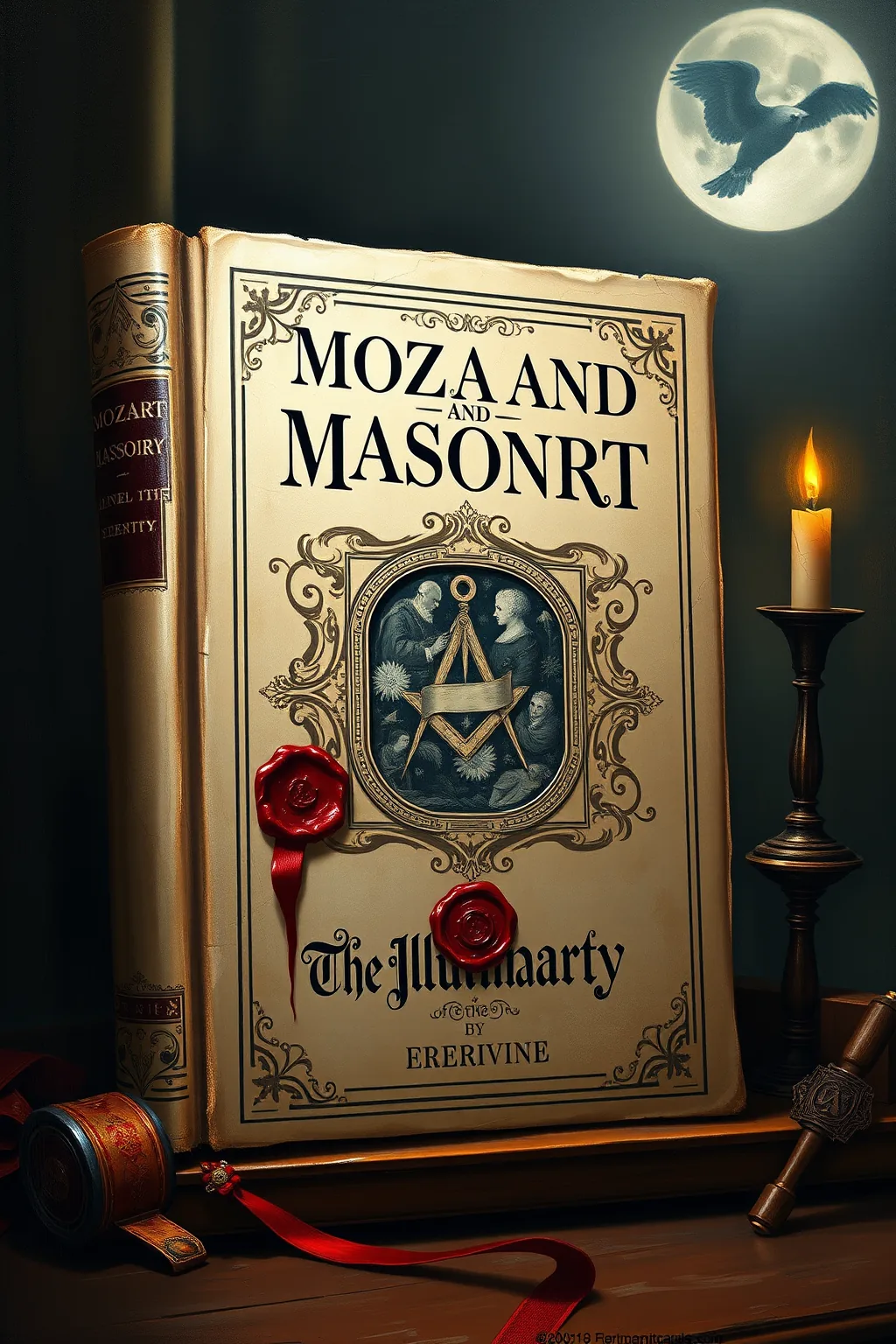
Mozart And Masonry 1957 nwo illuminati freemasons
 75
75

Mozart And Masonry 1957 nwo illuminati freemasons


Mozart And Masonry 1957 is a captivating journey into the esoteric world of Freemasonry and its influence on one of history's greatest composers. The author weaves a compelling narrative that connects Mozart's Masonic affiliations to his musical masterpieces, particularly 'The Magic Flute.' This book is not just a historical account but a deep dive into the occult symbolism and rituals that have long been shrouded in mystery. For modern esoteric seekers, this text serves as a valuable resource, offering insights into the hidden knowledge that has been passed down through the ages. The book's exploration of the controversial theory that Mozart was poisoned by fellow Freemasons adds a layer of intrigue and speculation that will appeal to those interested in conspiracy theories. Overall, Mozart And Masonry 1957 is a well-researched and engaging read that sheds light on the esoteric connections between Mozart and Freemasonry. It is a must-read for anyone seeking to uncover the hidden truths behind some of history's most enigmatic figures. Rating: 4/5
📝 Description
75
Mozart And Masonry, published in 1957, connects the composer's life and music to Masonic rituals.
This 1957 book examines Wolfgang Amadeus Mozart's relationship with Freemasonry. It suggests that Mozart's opera, The Magic Flute, contains coded Masonic symbols and mystical ideas. The author proposes that Mozart's early death might have been the result of Masonic intrigue, an attempt to suppress his disclosures.
The book creates an atmosphere of mystery surrounding Mozart's life and work. It is intended for readers interested in uncovering coded messages and esoteric symbolism within occult traditions. The work considers the connections between art, secret organizations, and deeper questions about human existence, making it a point of interest for those studying Freemasonry and hidden knowledge.
Published in 1957, this work falls within the tradition of esoteric interpretations of historical figures and cultural artifacts. It follows a line of thought that seeks hidden meanings in art and biography, often linking them to secret societies like Freemasonry. Such texts frequently posit that significant historical events or creative achievements carry concealed messages accessible only to initiates or those who study occult traditions. The book’s focus on Freemasonry aligns with a broader interest in Western esotericism, particularly during the mid-20th century, which often explored Gnostic, Hermetic, and Rosicrucian influences.
💡 Why Read This Book?
Reading Mozart And Masonry 1957 today offers a unique opportunity to explore the esoteric connections between one of history's greatest composers and the mysterious world of Freemasonry. This book provides valuable insights into occult symbolism and rituals, making it a must-read for esoteric seekers. Additionally, the controversial theory that Mozart was poisoned by fellow Freemasons adds a layer of intrigue and speculation that will captivate readers. By delving into this text, readers will gain a deeper understanding of the hidden knowledge that has been passed down through the ages, enriching their esoteric journey.
⭐ Reader Reviews
Honest opinions from readers who have explored this book.
❓ Frequently Asked Questions
Is Mozart And Masonry 1957 a historical account or a work of fiction?
Mozart And Masonry 1957 is a historical account that explores the esoteric connections between Mozart and Freemasonry. It delves into the hidden symbols, rituals, and secret societies that have long captivated the imagination of esoteric seekers.
What is the significance of 'The Magic Flute' in this book?
'The Magic Flute' is a key work in this book as it incorporates Masonic themes and reflects deeper occult knowledge. The book examines how these themes connect to Mozart's Masonic affiliations and the influence of Freemasonry on his music.
Why is the theory of Mozart being poisoned by Freemasons included?
The theory that Mozart was poisoned by fellow Freemasons for revealing too much about their secrets adds a layer of intrigue and speculation to the narrative. It highlights the controversial and mysterious aspects of Freemasonry and its influence on Mozart's life.
🔮 Key Themes & Symbolism
The Magic Flute and Masonic Symbolism
The Magic Flute is analyzed for its rich Masonic symbolism, revealing hidden meanings and esoteric themes that were likely intended for initiates of the secret society. This theme explores how Mozart's opera served as a vehicle for Masonic teachings and rituals.
Mozart's Initiation into Freemasonry
The book studies Mozart's initiation into Freemasonry and how this affiliation influenced his musical compositions. It discusses the potential risks and rewards of being a Mason in the 18th century and the impact on Mozart's personal and professional life.
The Tragic Consequences of Revelation
This theme examines the theory that Mozart's untimely death was a result of revealing too much about Freemasonry through his music. It explores the dangers of exposing secret knowledge and the potential retribution from within the secret society.
💡 Key Ideas
Editorial paraphrase of the work's core concepts — not direct quotes.
Music is the mediator between the spiritual and the sensual life.
This quote underscores the mystical power of music to bridge the gap between the divine and the earthly realms, a theme central to Mozart's Masonic compositions.
The Magic Flute is a journey through the trials and tribulations of the Masonic initiate.
This passage highlights the esoteric symbolism within The Magic Flute, suggesting that the opera is a guide for those seeking spiritual enlightenment through Freemasonry.
Mozart's genius lay in his ability to combine hidden knowledge into his music.
This quote emphasizes Mozart's skill in embedding Masonic teachings and symbols within his compositions, making his music a vehicle for esoteric wisdom.
The untimely death of Mozart may have been a silent warning to others.
This line suggests that Mozart's death was a consequence of revealing too much about Freemasonry, serving as a cautionary tale for those who might follow in his footsteps.
The symbols and rituals of Freemasonry are woven into the very fabric of Mozart's music.
This passage underscores the deep connection between Mozart's work and the esoteric practices of Freemasonry, revealing the hidden layers of meaning within his compositions.
🌙 Esoteric Significance
Tradition
Mozart and Masonry belongs to the Hermetic tradition, which emphasizes the pursuit of hidden knowledge and the unification of spiritual and material realms. This book explores how Mozart's music serves as a vehicle for Hermetic teachings and rituals, revealing the esoteric underpinnings of his compositions.
Symbolism
Key symbols in the book include the Masonic symbols present in The Magic Flute, such as the sun and moon, the bird of prey, and the trials of initiation. These symbols represent the journey of the Masonic initiate and the quest for spiritual enlightenment through secret knowledge.
Modern Relevance
Today, Mozart and Masonry remains relevant for those interested in the intersections of music, the occult, and secret societies. Modern practitioners of Freemasonry and other esoteric traditions continue to study Mozart's work for its hidden symbolism and esoteric teachings, making this book a valuable resource for contemporary seekers.
👥 Who Should Read This Book
This book is ideal for scholars of Freemasonry and the occult, as well as music enthusiasts who seek to uncover the deeper meanings behind Mozart's compositions. Beginners may find the esoteric themes challenging but rewarding, while spiritual seekers will appreciate the philosophical insights into the pursuit of hidden knowledge. Practitioners of the Hermetic tradition will find valuable teachings and symbols within the pages of this book.
📜 Historical Context
Published in 1957, Mozart and Masonry emerged during a time of heightened interest in the occult and secret societies. The Cold War era saw a surge in conspiracy theories and a fascination with hidden knowledge, making this book a timely exploration of the mysteries surrounding Mozart and Freemasonry. The influence of this work can be seen in later studies of Freemasonry and the occult, as well as in popular culture's portrayal of secret societies and their impact on history.
📔 Journal Prompts
How does the symbolism in The Magic Flute reflect the teachings of Freemasonry?
In what ways did Mozart's affiliation with Freemasonry influence his musical compositions?
What are the potential dangers of revealing too much about secret societies?
How does music serve as a vehicle for esoteric teachings and rituals?
What can we learn from Mozart's life and work about the pursuit of hidden knowledge?
🗂️ Glossary
Freemasonry
A secret society that focuses on moral and spiritual development through the use of symbols, rituals, and teachings. Freemasonry has a long history and is known for its esoteric symbolism and hidden knowledge.
Esoteric Symbolism
The use of symbols and rituals to convey hidden meanings and teachings, often within the context of secret societies or spiritual traditions.
The Magic Flute
An opera by Wolfgang Amadeus Mozart that is rich in Masonic symbolism and esoteric themes, serving as a guide for those seeking spiritual enlightenment through Freemasonry.
Hermetic Tradition
A spiritual and philosophical tradition that emphasizes the pursuit of hidden knowledge and the unification of spiritual and material realms. The Hermetic tradition is often associated with alchemy and the occult.
Masonic Initiate
An individual who undergoes the trials and rituals of Freemasonry to achieve spiritual enlightenment and hidden knowledge. The journey of the Masonic initiate is often symbolized in art and literature.
This book appears in 2 collections
🔮 Readers Also Liked
Browse all →






From the “Secret Societies” Collection
View all →



More Free Freemasonry & Secret Societies Books
View all →


![Gould R F History Of Freemasonry Throughout The World V 5 [ 1936 Ed][ 627p]](/img/thumb/gould-r-f-history-of-freemasonry-throughout-the-world-v-5-1936-ed-627p.webp)