The Illustrated Herbiary Oracle Cards
 73
73

The Illustrated Herbiary Oracle Cards
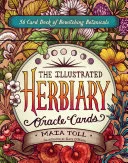
Maia Toll's Illustrated Herbiary Oracle Cards offer a refreshingly grounded approach to plant-based divination. The deck's strength lies in its sophisticated integration of botanical knowledge with spiritual interpretation. Each card, beautifully illustrated, doesn't just present a plant but a portal to its essence, drawing on its historical uses and symbolic resonance. For instance, the card for Mugwort (Artemisia vulgaris) succinctly captures its traditional association with divination and dream work, a detail that feels both accurate and evocative. The accompanying guidebook is equally competent, providing concise yet informative entries for each plant. A potential limitation might be the sheer breadth of plants covered; while impressive, it means some entries are necessarily brief, leaving practitioners to conduct further personal research for deeper engagement. Nevertheless, the deck provides a solid foundation for those wishing to cultivate a relationship with plant allies. It serves as a potent, visually engaging tool for self-inquiry and spiritual connection.
📝 Description
73
Maia Toll's Illustrated Herbiary Oracle Cards, published in 2019, connects users with plant wisdom for self-reflection.
This 52-card oracle deck and its companion book interpret plant symbolism for divination. Each card displays original art of a specific plant, detailing its mythology, medicinal uses, and spiritual meanings. The system invites users to engage with the botanical world for insights into personal and spiritual questions.
The Illustrated Herbiary Oracle Cards is for those drawn to plant magic, herbalism, and nature-based spiritual paths. It appeals to individuals seeking a stronger bond with nature, tools for personal development, and systems rich in visual and symbolic depth. The deck accommodates both newcomers to oracle systems and seasoned practitioners looking for a fresh viewpoint.
The deck's central idea is the concept of plant allies. These are specific plants believed to carry distinct energies, lessons, and forms of assistance. It encourages cultivating a connection with these plant spirits, grasping their archetypal energies, and applying their lessons to life's situations. The work highlights the unity of all life and the significant, often unacknowledged, spiritual force within the plant kingdom.
The use of plants for divination and healing has ancient roots across many cultures. Practices like the Oracle of Delphi's use of laurel and widespread folk herbalism demonstrate this long history. The late 20th and early 21st centuries have seen a revival of interest in these traditions, often called 'plant spirit medicine' or 'green witchery.' This resurgence is partly fueled by ecological awareness and a renewed respect for indigenous knowledge. Toll's deck fits within this modern spiritual current, drawing on the perceived spiritual power of the plant world.
💡 Why Read This Book?
• Learn to identify and connect with specific plant allies, such as the Mugwort, as detailed in the guidebook, to gain targeted insights for divination and personal growth. • Discover the historical and symbolic significance of diverse flora, understanding how plants like Willow have been traditionally associated with lunar cycles and emotional healing. • Develop a more intimate relationship with the natural world by exploring the concept of plant spirit medicine, fostering a sense of interconnectedness and ecological awareness.
⭐ Reader Reviews
Honest opinions from readers who have explored this book.
❓ Frequently Asked Questions
What is the primary purpose of The Illustrated Herbiary Oracle Cards?
The deck serves as a tool for divination and self-reflection, connecting users with the symbolic, medicinal, and spiritual wisdom of various plants to offer guidance.
How many cards are in The Illustrated Herbiary Oracle deck?
The deck comprises 52 unique cards, each representing a different plant with its own lore and interpretive significance.
Who is the author of The Illustrated Herbiary Oracle Cards?
The deck and its accompanying guidebook were created by Maia Toll, an author and herbalist focused on plant wisdom.
When was The Illustrated Herbiary Oracle Cards first published?
The deck was initially published on November 23, 2021, making it a relatively recent addition to the field of oracle decks.
What kind of artwork style is featured on the cards?
The cards feature original, visually rich artwork depicting each plant, designed to convey its symbolic and energetic essence.
Is a guidebook included with the oracle cards?
Yes, an accompanying guidebook is provided, offering detailed information on each plant's mythology, properties, and meanings.
🔮 Key Themes & Symbolism
Plant Allies and Archetypes
This theme explores the concept of 'plant allies,' where each card represents a specific plant that embodies certain archetypal energies and offers unique lessons. For instance, the deck might depict plants like Rosemary for remembrance or Thyme for courage, framing them as spiritual guides. Users are encouraged to build relationships with these plant spirits, viewing them not just as botanical specimens but as sentient beings offering wisdom and support for personal challenges and growth.
Botanical Wisdom and Lore
The deck examines the rich lore and traditional uses of plants, drawing from historical herbalism, mythology, and folk magic. It highlights not only the medicinal properties of plants but also their symbolic meanings, often rooted in ancient cultures. This theme emphasizes how plants have been perceived as sources of healing, protection, and spiritual insight across different eras and traditions, connecting users to a lineage of plant veneration.
Nature-Based Spirituality
At its heart, the Herbiary Oracle is an expression of nature-based spirituality, advocating for a deeper connection with the Earth and its inhabitants. It promotes an animistic worldview where plants possess consciousness and spiritual power. This theme encourages a shift in perspective, seeing the natural world as a living, sacred entity capable of providing guidance and fostering personal transformation through mindful engagement.
Divination and Self-Reflection
This theme focuses on the practical application of the cards for divination and introspective practices. Each plant's symbolism is translated into interpretive guidance for everyday life, helping users gain clarity on their situations and emotions. The deck serves as a mirror, reflecting aspects of the user's inner landscape through the lens of botanical metaphors, facilitating self-discovery and personal empowerment.
💬 Memorable Quotes
Direct passages from the work, attributed to the author.
“Each plant has a spirit, a lesson, and a gift to offer.”
— This statement captures the deck's core philosophy: that plants are sentient beings possessing unique wisdom and energies that can be accessed for personal benefit and spiritual development.
“The wisdom of the plant kingdom is ancient and accessible.”
— This highlights the enduring and readily available nature of botanical knowledge, suggesting that connection with plants offers timeless insights relevant to contemporary life.
“Develop a relationship with your plant allies.”
— This encourages an active, reciprocal engagement with the plants represented in the deck, fostering a deeper, more personalized connection beyond simple interpretation.
“Plants offer potent medicine for the soul.”
— This emphasizes the therapeutic and spiritual benefits derived from engaging with plants, framing them as healers for emotional and psychological well-being.
“The illustrations are gateways to plant consciousness.”
— This points to the visual aspect of the cards as a crucial element, suggesting that the artwork is designed not merely for aesthetics but as a conduit to understanding the essence of each plant.
🌙 Esoteric Significance
Tradition
This work draws heavily from animistic and nature-based spiritual traditions, often associated with the broader umbrella of modern paganism and earth-centered spirituality. It aligns with the concept of 'green witchery' and plant spirit communication, which emphasizes the sentience and spiritual agency of the botanical world. While not strictly Hermetic or Kabbalistic, it shares with these traditions an interest in symbolic languages and the hidden correspondences within nature, viewing plants as potent agents in the spiritual landscape.
Symbolism
Key symbols include specific plants like Mugwort (Artemisia vulgaris), traditionally linked to divination, psychic awareness, and protection, and Willow (Salix spp.), often associated with the moon, intuition, and emotional healing. The deck utilizes the inherent symbolism of each plant's morphology, habitat, and historical uses—e.g., thorns for protection, deep roots for grounding, or specific flower colors for energetic qualities—to convey spiritual messages.
Modern Relevance
Contemporary thinkers and practitioners in fields like eco-psychology, herbalism, and modern witchcraft frequently draw upon the principles found in works like Toll's. It speaks to movements advocating for re-wilding, sustainable living, and reconnecting with natural cycles. The deck's approach to plant allies is echoed in contemporary practices that seek direct, reciprocal relationships with the non-human world for guidance and healing.
👥 Who Should Read This Book
• Aspiring herbalists and plant enthusiasts seeking to deepen their understanding of botanical lore and symbolic meanings beyond practical application. • Individuals interested in divination and oracle systems who wish to explore a nature-centric approach to receiving guidance and self-insight. • Practitioners of earth-based spiritual paths, such as modern paganism or witchcraft, looking for tools to enhance their connection with the plant kingdom.
📜 Historical Context
The Illustrated Herbiary Oracle Cards emerges within a contemporary revival of interest in plant spirit medicine and herbalism, a trend that gained significant momentum in the late 20th and early 21st centuries. This resurgence is partly a reaction against industrialized society and a turning towards indigenous knowledge systems and ecological consciousness. Authors like Stephen Harrod Buhner, who championed a deep ecological connection with plants, emerged during this period, influencing a generation of herbalists and spiritual seekers. Toll's work can be seen as part of this lineage, offering a visually accessible entry point into a practice that predates modern Western medicine and has roots in shamanic traditions and ancient folk practices across Europe and beyond. While not subject to widespread censorship, the broader resurgence of earth-centered spiritualities has sometimes faced skepticism from mainstream scientific or religious institutions.
📔 Journal Prompts
Reflect on the symbolic meaning of the Willow card in relation to your emotional landscape.
Consider the archetypal energy of Rosemary and its potential application to a current challenge.
Explore your personal connection to plants that grow in wild, untamed spaces.
How might the concept of plant allies inform your daily interactions with nature?
Journal about a plant you feel drawn to and what intuitive messages it might be conveying.
🗂️ Glossary
Plant Ally
A specific plant with which an individual cultivates a spiritual relationship, believing it offers unique wisdom, energy, and support.
Divination
The practice of seeking knowledge of the future or the unknown by supernatural means, often through tools like oracle cards or the interpretation of omens.
Herbalism
The study and practice of using plants for medicinal, spiritual, and magical purposes, encompassing traditional knowledge and empirical observation.
Archetype
A universal, symbolic pattern or image that recurs across cultures and time, representing fundamental human experiences or concepts, often embodied by specific plants in this context.
Plant Spirit Medicine
A healing modality focused on connecting with the consciousness or spirit of plants to address physical, emotional, and spiritual imbalances.
Lore
A body of traditions and knowledge on a subject or held by a particular group, typically passed from person to person by word of mouth, including myths, legends, and folklore.
Animism
The belief that objects, places, and creatures all possess a distinct spiritual essence; in this context, the belief that plants have consciousness and spirit.