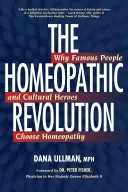
The Homeopathic Revolution
 80
80

The Homeopathic Revolution
Dana Ullman’s "The Homeopathic Revolution" is an ambitious defense of a medical system often dismissed by contemporary science. The book’s strength lies in its extensive compilation of historical endorsements, drawing from luminaries like Mark Twain and Mother Teresa to establish homeopathy's past credibility. Ullman effectively marshals these figures to counter the notion that homeopathy is a recent, unproven fad. However, the work occasionally falters in its scientific exposition, sometimes leaning more on historical acceptance than on detailed mechanistic explanations that might satisfy a skeptical modern reader. A particularly illustrative section details the early 20th-century success of homeopathic hospitals in providing effective care, presenting a stark contrast to the limited options available then. While the book provides a robust historical and anecdotal case, its scientific arguments might require further elaboration for a fully convinced audience. It serves as a valuable historical document and a persuasive argument for continued inquiry into homeopathic principles.
📝 Description
80
Dana Ullman's 2007 book argues homeopathy is not a fringe curiosity but a historically significant medical system.
Dana Ullman's "The Homeopathic Revolution" makes the case for homeopathy, a medical system based on the principle "like cures like." The book asserts that this method holds substantial historical weight and growing scientific backing, moving beyond its perception as a minor medical curiosity. Ullman traces the development of homeopathic practice, examining its philosophical foundations and its use across different times and places.
This work is for anyone interested in alternative medicine, especially those seeking historical and scientific reasons for practices outside of conventional Western medicine. Readers who value evidence for less common therapies will find it appealing, as will those wanting to understand the intellectual history of healing approaches that focus on gentle, personalized care. The book offers considerable information for individuals interested in figures like Samuel Hahnemann.
Ullman places homeopathy within the larger story of medical change and doubt. He contrasts its evolution with the 18th and 19th century allopathic methods common in Samuel Hahnemann's time, such as bloodletting. The book explains how homeopathy gained acceptance among both healers and the public, often encountering resistance from established medical bodies.
Homeopathy, as presented in Ullman's work, connects to vitalistic traditions that view health as a dynamic energetic balance rather than mere physical matter. Its focus on a "vital force" and the principle that "like cures like" aligns with older philosophical ideas about correspondences and the body's inherent ability to heal when stimulated by subtle energies. This approach contrasts with purely materialistic or mechanistic views of disease and treatment, positioning it within a lineage of healing that emphasizes the energetic or spiritual dimension of well-being.
💡 Why Read This Book?
• Gain an understanding of the "like cures like" principle, the foundational concept of homeopathy, and how it differs from conventional medicine, as explained through the historical context of Samuel Hahnemann's work. • Discover the historical prominence of homeopathy by learning about its notable proponents, such as Mark Twain and Mother Teresa, and how their support shaped its reception in the past. • Explore the concept of "vital force" and potentization, key homeopathic ideas that offer an alternative perspective on health and healing distinct from purely materialist medical models.
⭐ Reader Reviews
Honest opinions from readers who have explored this book.
❓ Frequently Asked Questions
What is the core principle of homeopathy discussed in "The Homeopathic Revolution"?
The core principle is "like cures like," meaning a substance that causes symptoms in a healthy person can be used in highly diluted form to treat similar symptoms in a sick person, as detailed by founder Samuel Hahnemann.
Which historical figures are mentioned as proponents of homeopathy in the book?
The book cites numerous prominent figures, including authors like Mark Twain, humanitarian figures such as Mother Teresa, and even royalty, illustrating homeopathy's broad appeal across different eras and professions.
What is "potentization" according to Dana Ullman's work?
Potentization is the process of diluting a substance and repeatedly shaking it (succussion) to create a homeopathic remedy, which Ullman explains is believed to increase its medicinal effect.
How does "The Homeopathic Revolution" address the scientific basis of homeopathy?
Ullman presents historical evidence and arguments for homeopathy's efficacy, suggesting that modern science is beginning to explore or validate principles behind it, while also acknowledging the ongoing debate.
When was "The Homeopathic Revolution" first published?
Dana Ullman's "The Homeopathic Revolution" was first published on October 16, 2007, making it a relatively recent exploration of this historical medical system.
What historical medical practices does the book contrast with homeopathy?
The book often contrasts homeopathy with the more aggressive and sometimes harmful practices prevalent in the 18th and 19th centuries, such as bloodletting and the use of toxic substances, as discussed in its historical context sections.
🔮 Key Themes & Symbolism
The Law of Similars
This foundational principle of homeopathy, "like cures like," is thoroughly examined. The book details how Samuel Hahnemann developed this concept by observing the effects of certain substances on healthy individuals and theorizing their use in treating similar ailments in the sick. Ullman presents historical examples and case studies to illustrate its application, contrasting it with opposing medical philosophies prevalent during its development.
Historical Endorsements and Influence
A significant portion of the work is dedicated to showcasing the widespread acceptance and use of homeopathy by prominent figures throughout history. From literary giants like Mark Twain to influential leaders and artists, these endorsements are presented not just as anecdotal evidence but as indicators of homeopathy's perceived efficacy and its integration into mainstream wellness practices prior to the dominance of pharmaceuticals.
Vital Force and Energetic Medicine
The book explores the vitalistic underpinnings of homeopathy, particularly the concept of the 'vital force' or life energy. Ullman explains how homeopathy views illness as a disturbance of this inherent energy and how remedies are thought to work by stimulating the body's own healing capacity. This energetic perspective positions homeopathy within a broader spectrum of holistic and esoteric healing traditions.
Scientific Inquiry and Skepticism
Ullman addresses the ongoing scientific debate surrounding homeopathy. He discusses the challenges in fitting homeopathic mechanisms into conventional scientific models but also points to emerging research and theoretical frameworks that might explain its effects. The work navigates historical skepticism and contemporary scientific critiques, advocating for a more open-minded evaluation of the practice.
💬 Memorable Quotes
Direct passages from the work, attributed to the author.
“Homeopathy treats 'like with like.'”
— This concise phrase expresses the central tenet of homeopathy, distinguishing it from other medical systems. It suggests a natural resonance between the remedy and the ailment, forming the basis of its therapeutic approach.
“Many of the most respected people of the past 200 years have been enthusiastic fans of homeopathy.”
— This statement highlights the historical pedigree and broad appeal of homeopathy, suggesting its efficacy and acceptance were not limited to a niche group but were embraced by influential individuals across society.
“Modern science is finally catching up.”
— This interpretation suggests that scientific understanding is evolving to potentially accommodate or explain the principles and observed effects of homeopathy, challenging the notion that it is entirely unscientific.
“Homeopathy has an incredible history of support.”
— This emphasizes the long-standing tradition and documented usage of homeopathic medicine, positioning it as a practice with deep roots and a consistent presence in the history of alternative healing methods.
“The principle of similars is key to understanding homeopathic treatment.”
— This points to the theoretical framework of homeopathy, indicating that the 'like cures like' doctrine is not merely a slogan but a fundamental concept requiring careful consideration for comprehension of the practice.
🌙 Esoteric Significance
Tradition
Homeopathy, while often viewed through a purely medical lens, possesses strong connections to vitalistic and holistic traditions that align with esoteric thought. Its concept of the "vital force" and its focus on treating the whole person rather than isolated symptoms echo principles found in Hermeticism and other philosophies emphasizing an underlying energetic reality. The practice departs from purely materialist understandings of health, aligning more with systems that posit unseen forces governing life and well-being.
Symbolism
A key symbolic element is the "law of similars" itself, representing a principle of cosmic correspondence or resonance, akin to the Hermetic "As Above, So Below." The dilution and potentization process can be seen as a symbolic purification or energetic imprinting, transforming a material substance into a more subtle energetic medicine. The individualization of treatment also symbolizes a recognition of unique energetic signatures within each person.
Modern Relevance
Contemporary practitioners of holistic health, energy medicine, and certain branches of alternative spirituality often draw upon homeopathic principles. Thinkers exploring consciousness and its role in healing, as well as proponents of personalized medicine that looks beyond genetic markers to energetic and environmental factors, find resonance with homeopathic philosophy. It continues to inform discussions on the placebo effect and the mind-body connection within broader wellness discourse.
👥 Who Should Read This Book
• Individuals interested in the history of medicine and alternative healing practices, seeking to understand the development and philosophical underpinnings of homeopathy beyond its clinical application. • Practitioners and students of holistic health modalities, looking to explore a system that emphasizes vitalistic principles and the body's innate healing capacity. • Skeptics and researchers of unconventional therapies, wanting a comprehensive overview of homeopathy's historical impact, its prominent advocates, and the arguments made in its defense.
📜 Historical Context
Published in 2007, "The Homeopathic Revolution" emerged at a time when homeopathy, though widely practiced globally, faced significant skepticism within mainstream Western scientific and medical communities. The early 19th century, when Samuel Hahnemann developed homeopathy, was a period of intense experimentation in medicine, often characterized by harsh interventions like bloodletting and the administration of toxic substances like mercury. Homeopathy offered a stark alternative, emphasizing gentle, individualized treatment based on the law of similars. While it enjoyed considerable popularity in the United States through the late 19th and early 20th centuries, its influence waned with the rise of pharmaceutical-based allopathic medicine. The book situates itself within this historical tension, drawing upon historical figures like Oliver Wendell Holmes Sr., who, despite his skepticism, acknowledged the method's growing popularity, to illustrate homeopathy's complex reception.
📔 Journal Prompts
The historical acceptance of homeopathy by figures like Mark Twain.
The concept of the 'vital force' in understanding illness.
The 'like cures like' principle as a therapeutic paradigm.
Contrasting homeopathic treatments with 19th-century medical practices.
The process of potentization and its theoretical basis.
🗂️ Glossary
Homeopathy
A system of alternative medicine based on the principle that a substance that causes symptoms in a healthy person can, in a highly diluted form, cure similar symptoms in a sick person.
Law of Similars
The fundamental principle of homeopathy, often summarized as 'like cures like,' which dictates the selection of remedies based on their ability to produce symptoms similar to those experienced by the patient.
Potentization
The process of preparing homeopathic remedies through serial dilution and succussion (vigorous shaking), believed to increase the remedy's medicinal power while reducing its toxicity.
Vital Force
A concept in vitalistic philosophy, central to homeopathy, referring to an inherent, animating energy or life principle believed to govern health and disease.
Allopathy
A term used by homeopaths to describe conventional Western medicine, particularly its use of remedies that produce effects different from or opposite to the symptoms of the disease.
Hahnemann
Samuel Hahnemann (1755–1843), the German physician credited with developing the principles and practice of homeopathy.
Remedy
In homeopathy, a substance prepared through potentization, used to stimulate the body's healing response based on the law of similars.