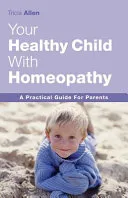
The Healthy Child Through Homeopathy
 74
74

The Healthy Child Through Homeopathy
Tricia Allen’s "The Healthy Child Through Homeopathy" offers a practical entry point into a system often perceived as arcane. Its strength lies in its direct application to childhood ailments, demystifying homeopathic principles for parental use. Allen commendably focuses on treating the whole child rather than isolated symptoms, a core tenet that distinguishes homeopathy. However, the work could benefit from a more robust engagement with the scientific skepticism surrounding homeopathy, beyond mere assertion of its efficacy. A particularly illuminating section details the selection of remedies for common fevers, illustrating the detailed symptom matching required. While accessible, it occasionally oversimplifies complex constitutional prescribing. Nonetheless, for parents seeking natural alternatives, it provides a competent, if brief, introduction to homeopathic care.
📝 Description
74
Tricia Allen's 2002 guide explains homeopathy for childhood health.
This book details homeopathy, a system that stimulates the body's natural healing abilities. Unlike conventional medicine, which often targets symptoms, homeopathy seeks to resolve the underlying cause of illness. This perspective aims to restore internal balance and prevent conditions from recurring. The book lays out the practice's main ideas with clear explanations for newcomers.
Written primarily for parents and guardians, it offers practical advice for using homeopathic remedies for common childhood issues. It addresses different age groups, from babies to teenagers, giving readers knowledge to select suitable treatments for various ailments. The goal is to help families adopt a more natural, proactive stance on their children's health.
The text also places homeopathy historically, showing its development as a distinct medical philosophy. It points out how it differs from standard Western medicine, highlighting its unique view on symptoms and recovery. Understanding its origins and principles helps readers grasp the reasoning behind homeopathic treatments and their long history of use.
Homeopathy, originating in late 18th-century Germany with Samuel Hahnemann, is a vitalistic system of healing. It posits that a substance causing symptoms in a healthy person can cure similar symptoms in a sick person, a principle known as 'like cures like.' Remedies are prepared through serial dilution and succussion, believed to imbue them with a potent energetic or 'vital force.' This approach contrasts with allopathic medicine's focus on opposing symptoms and is often found within broader esoteric traditions that emphasize the body's innate spiritual or energetic healing capacity.
💡 Why Read This Book?
• Learn to identify and select specific homeopathic remedies for common childhood illnesses, such as those described in chapters addressing infant colics or childhood fevers, providing practical, hands-on knowledge. • Understand the homeopathic principle of 'like cures like' (similia similibus curentur) and how it differs from conventional symptom suppression, enabling a deeper grasp of natural healing philosophies. • Gain insights into addressing the underlying causes of illness in children, moving beyond temporary symptom relief to foster long-term health, as explored in the book's approach to constitutional prescribing.
⭐ Reader Reviews
Honest opinions from readers who have explored this book.
❓ Frequently Asked Questions
When was "The Healthy Child Through Homeopathy" first published?
The book "The Healthy Child Through Homeopathy" by Tricia Allen was first published in 2004, offering practical homeopathic advice for childhood health.
What is the core principle of homeopathy discussed in the book?
The core principle is 'like cures like' (similia similibus curentur), meaning a substance that causes symptoms in a healthy person can, in highly diluted form, treat similar symptoms in a sick person.
What age range of children does the book cover?
The book covers each stage of childhood, from infancy through adolescence, providing guidance tailored to different developmental phases and their associated health concerns.
How does homeopathy differ from conventional medicine according to the book?
Homeopathy aims to treat the underlying cause of illness and prevent recurrence, rather than merely alleviating individual symptoms, which is often the focus of conventional medicine.
Who is the author, Tricia Allen?
Tricia Allen is a qualified homeopath who authored "The Healthy Child Through Homeopathy," sharing her expertise in natural remedies for children's health.
What kind of advice does the book offer?
The book offers practical advice on how to use natural, homeopathic remedies to treat various childhood illnesses and support overall well-being.
🔮 Key Themes & Symbolism
Holistic Child Health
The work champions a holistic approach to children's health, viewing illness not as isolated events but as expressions of an imbalance within the child's vital force. It encourages parents to look beyond superficial symptoms and consider the unique constitutional picture of their child. This perspective aligns with vitalist philosophies that posit an inherent life energy guiding health, suggesting that true healing involves restoring this energy's natural flow rather than merely suppressing outward manifestations.
Similia Similibus Curentur
Central to the book is the homeopathic principle of 'like cures like.' This concept, dating back to Samuel Hahnemann, posits that a substance capable of producing symptoms in a healthy individual can be used in potentized form to cure similar symptoms in a sick individual. The text elaborates on how this principle guides the selection of remedies, emphasizing the detailed matching of the patient's specific symptom profile to the known effects of various homeopathic medicines.
Natural Remedy Application
The book provides practical guidance on the application of natural, homeopathic remedies for common childhood ailments. It details how to use remedies derived from plants, minerals, and other natural sources, often in highly diluted and succussed (shaken) forms. This focus on accessible, non-toxic interventions empowers parents with tools to manage everyday health challenges, promoting a sense of self-reliance in natural healthcare for their families.
Developmental Stages
Allen structures her advice around the different developmental stages of childhood, recognizing that health concerns and remedy needs evolve as a child grows. This nuanced approach acknowledges the unique physiological and emotional landscapes of infancy, early childhood, and adolescence. By addressing each phase specifically, the book offers tailored insights, ensuring that the homeopathic advice remains relevant and effective across the entire spectrum of a child's formative years.
💬 Memorable Quotes
Direct passages from the work, attributed to the author.
“Each stage of childhood requires a tailored approach to health.”
— This concept emphasizes that a one-size-fits-all approach is insufficient for children's health. It suggests that remedies and care strategies must be adapted to the specific developmental phase, from infancy to adolescence.
“Natural remedies stimulate the body's own healing mechanisms.”
— This interpretation explains the fundamental action of homeopathic medicines, which are believed to work by gently activating the body's innate capacity to heal itself, rather than introducing foreign substances that suppress symptoms.
“Homeopathy addresses the whole person, not just isolated symptoms.”
— This interpretation captures the holistic philosophy of homeopathy. It signifies that the practitioner considers the patient's mental, emotional, and physical state comprehensively when determining treatment, recognizing their interconnectedness.
💡 Key Ideas
Editorial paraphrase of the work's core concepts — not direct quotes.
Homeopathy treats the underlying state to ensure that the disease does not return.
This paraphrase highlights homeopathy's aim to address the root cause of illness, contrasting it with treatments that offer only temporary symptom relief and suggesting a more permanent restoration of health.
The individual's symptom picture guides remedy selection.
This paraphrased concept underscores the personalized nature of homeopathic prescribing. It means that the homeopath must carefully consider all of the patient's unique symptoms, not just the disease name, to choose the most appropriate remedy.
🌙 Esoteric Significance
Tradition
Homeopathy, particularly in its more philosophical interpretations, aligns with vitalist traditions that posit an inherent life force or vital energy within living organisms. This perspective shares common ground with esoteric philosophies that explore the energetic or spiritual dimensions of health and disease. While not strictly Hermetic or Kabbalistic, its focus on subtle energies and the body's innate healing capacity can be seen as a practical manifestation of these broader esoteric concerns about the nature of life and consciousness.
Symbolism
The concept of 'potentization'—the serial dilution and succussion (vigorous shaking) of a substance—can be viewed symbolically. The process aims to imbue the water or alcohol vehicle with the 'energetic essence' of the original substance, diminishing its material form while purportedly increasing its dynamic power. This mirrors esoteric ideas of transformation and the extraction of spiritual essence from material substance, suggesting that true power can lie not in the gross material but in its refined, energetic imprint.
Modern Relevance
Contemporary interest in holistic health, natural parenting, and personalized medicine carries the core tenets of homeopathy. Thinkers and practitioners in fields like integrative medicine, naturopathy, and energy healing often draw upon or are influenced by homeopathic principles. The growing demand for non-pharmaceutical approaches to well-being, particularly for children, ensures that works like Allen's continue to find an audience seeking alternatives grounded in the body's self-regulatory capacities.
👥 Who Should Read This Book
['• Parents and guardians seeking natural, non-invasive methods to manage common childhood illnesses, looking for practical guidance beyond conventional pharmaceutical interventions.', '• Individuals interested in exploring the principles of homeopathy and its application to health, particularly concerning pediatric care and preventative wellness.', "• Students of alternative medicine or holistic health practices who want to understand foundational texts on natural remedies for children, as exemplified by Tricia Allen's work."]
📜 Historical Context
Published in 2004, "The Healthy Child Through Homeopathy" emerged at a time when complementary and alternative medicine (CAM) was gaining significant traction in Western societies, partly as a reaction against perceived limitations and side effects of conventional pharmaceutical approaches. Homeopathy, itself originating in the late 18th century with Samuel Hahnemann, had a long but often contentious history, frequently facing skepticism from the established medical community. While Hahnemann's work was developing, conventional medicine was undergoing significant changes, including the rise of germ theory and increasingly interventionist practices. Homeopathy's emphasis on minimal intervention and individualized treatment offered a distinct alternative. By 2004, authors like Tricia Allen were contributing to a growing body of literature aimed at making CAM practices accessible to the public, often facing critiques from scientific bodies like the UK's House of Commons Science and Technology Committee, which had previously questioned homeopathy's efficacy.
📔 Journal Prompts
The principle of 'like cures like' and its application to childhood ailments.
Assessing a child's specific symptom picture for homeopathic remedy selection.
The role of natural remedies in supporting a child's vital force.
Homeopathic approaches to different developmental stages in childhood.
Comparing the holistic philosophy of homeopathy with conventional symptom-based treatments.
🗂️ Glossary
Homeopathy
A system of alternative medicine based on the principle of 'like cures like' (similia similibus curentur), using highly diluted preparations of substances that cause symptoms in healthy people to treat similar symptoms in the sick.
Similia Similibus Curentur
Latin for 'like cures like,' this is the fundamental law of homeopathy, stating that a substance that produces symptoms in a healthy person can be used to treat similar symptoms in a sick person.
Potentization
The process in homeopathy involving serial dilution and succussion (vigorous shaking) of a substance, believed to increase its therapeutic energy or 'potency' while reducing its material toxicity.
Vital Force
A concept in homeopathy referring to the inherent life energy or animating principle of an organism, believed to be the source of health and whose disturbance leads to disease.
Symptom Picture
The unique and comprehensive collection of physical, mental, and emotional symptoms presented by an individual patient, which is used in homeopathy to select the most appropriate remedy.
Constitutional Prescribing
A homeopathic approach that aims to treat the whole person, considering their underlying constitution and overall health state, rather than just isolated acute symptoms.
Remedy
In homeopathy, a substance prepared through potentization, used to stimulate the body's healing response based on its similarity to the patient's symptom picture.