The Healing Mind
 72
72

The Healing Mind
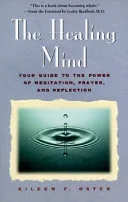
Eileen F. Oster's "The Healing Mind" is a practical guide that firmly establishes the interconnectedness of spiritual, mental, and physical health. Oster's gentle, supportive tone is a significant strength, making the potentially abstract concepts of spiritual healing accessible. The inclusion of guided meditations and prayer formats offers concrete, actionable steps for readers. However, the work occasionally relies on a broad acceptance of spiritual efficacy without delving into the specific energetic or neurological mechanisms some might seek. A particularly effective section involves the suggested prayer formats, which provide a clear template for individuals unfamiliar with structured spiritual communication. The book's primary achievement lies in its accessible synthesis of spiritual practices for physical recovery. It serves as a capable companion for those already inclined towards holistic healing, offering structured support for their journey.
📝 Description
72
Eileen F. Oster's 1996 book proposes the mind and spirit are integral to physical health.
Published in 1996, "The Healing Mind" by Eileen F. Oster presents a structured method for uniting spiritual practices with physical recovery. Oster argues that the mind and spirit are not separate from the body but are essential parts of overall health. The book includes exercises designed to help readers cultivate a link between their inner spiritual life and their physical condition.
This work is for anyone aiming to understand and use the mind-body-spirit connection during illness or recovery. It will appeal to those who see spiritual work, meditation, and prayer as helpful additions to conventional healing. Readers open to guided visualizations and structured spiritual practices will find concrete applications here. The book emerged during the 1990s, a time of growing interest in holistic health and mind-body connections.
Published in the mid-1990s, "The Healing Mind" arrived as interest in holistic health and complementary medicine grew. This period saw increased focus on mind-body connections, influenced by movements like the New Age and the developing field of psychosomatic medicine. Oster's book joined a conversation with authors who also emphasized the power of belief in healing. The work reflects a wider cultural shift towards combining spiritual beliefs with medical understanding, moving away from a purely mechanistic view of the body.
💡 Why Read This Book?
• You will learn to utilize guided meditations and visualizations specifically designed to support physical recovery, as outlined in Oster's 1996 text, enabling a more active role in your healing. • Gain practical techniques for prayer and spiritual work, providing structured formats that can be applied to specific health challenges discussed within the book. • Understand the direct link Oster draws between spiritual states and physical well-being, offering a framework to explore how your inner life influences your body's capacity for health.
⭐ Reader Reviews
Honest opinions from readers who have explored this book.
❓ Frequently Asked Questions
What is the primary focus of Eileen F. Oster's "The Healing Mind"?
The book's primary focus is on the strong connection between spiritual, mental, and physical health, guiding readers through spiritual work to aid physical healing and recovery using meditations, prayer, and visualizations.
When was "The Healing Mind" by Eileen F. Oster first published?
"The Healing Mind" was first published in 1996, reflecting the growing interest in holistic health and mind-body connections during that era.
What types of exercises does "The Healing Mind" offer?
The book offers guided meditations, suggested prayer formats, and visualizations as tools for readers to explore the spirit-mind-body connection for healing.
Is "The Healing Mind" suitable for beginners in spiritual healing?
Yes, Oster's gently supportive approach and structured exercises like suggested prayer formats make it suitable for beginners exploring spiritual healing for physical recovery.
What is the main benefit of reading "The Healing Mind"?
The main benefit is learning to actively engage the spirit-mind-body connection through practical spiritual techniques to support physical healing and overall well-being.
Does the book provide scientific evidence for its claims?
While the book acknowledges the widely acknowledged connection between spiritual, physical, and mental health, its approach is primarily experiential and spiritual rather than clinical or scientific.
🔮 Key Themes & Symbolism
Spirit-Mind-Body Integration
Oster's work posits that the spiritual, mental, and physical aspects of a person are not distinct but form a unified whole. "The Healing Mind" emphasizes that one's spiritual state directly influences physical health and the capacity for recovery. The book guides readers to actively engage this connection, moving away from a purely medical or physical approach to healing and incorporating inner work as a crucial component of restoration and well-being.
Active Spiritual Healing
This theme centers on empowering individuals to become active participants in their own healing process through deliberate spiritual practices. Oster provides structured tools such as guided meditations, prayer formats, and visualizations. These are not passive activities but intentional exercises designed to direct mental and spiritual energy towards physical restoration. The book frames spiritual work as a practical, accessible method for augmenting conventional treatments.
Tools for Recovery
The book functions as a practical toolkit for those undergoing physical healing. It offers concrete methods that readers can implement immediately. The suggested prayer formats, for instance, provide templates for expressing intentions and connecting with a higher power or inner wisdom. Similarly, guided visualizations are presented as a means to mentally rehearse healing and peace, fostering a positive internal environment conducive to recovery.
Holistic Well-being
Beyond acute physical illness, "The Healing Mind" promotes a broader concept of holistic well-being. By strengthening the spirit-mind-body connection, readers are encouraged to cultivate a state of overall health that encompasses emotional balance, mental clarity, and spiritual vitality. This perspective suggests that true healing involves addressing all facets of one's being, leading to a more resilient and integrated sense of self.
💬 Memorable Quotes
Direct passages from the work, attributed to the author.
“The strong connection between spiritual, physical and mental health is widely acknowledged.”
— This foundational statement from Oster's original blurb sets the stage for the book's premise, asserting the interconnectedness of these three vital aspects of human experience.
“Oster's gently and supportive approach guides readers through spiritual work to aid their physical healing and recovery.”
— This highlights the book's methodology: a nurturing style facilitating the use of spiritual practices specifically for the purpose of physical recuperation.
“With guided meditations, suggested prayer formats, and visualizations, The Healing Mind evolves into the perfect tool for readers hoping to explore the spirit-mind-body connection for overall health and well-being.”
— This captures the book's practical offerings and intended outcome, positioning it as an essential resource for those seeking to understand and harness their inner resources for comprehensive health.
“Readers are encouraged to utilize structured spiritual practices for physical restoration.”
— This captures the essence of Oster's guidance, focusing on the actionable nature of the spiritual techniques presented to aid bodily healing.
💡 Key Ideas
Editorial paraphrase of the work's core concepts — not direct quotes.
The work explores the concept that conscious engagement with inner faculties can actively participate in healing.
This paraphrased concept emphasizes the active role individuals can take in their recovery by focusing their mental and spiritual energies.
🌙 Esoteric Significance
Tradition
While not strictly adhering to a single lineage, "The Healing Mind" draws from the broader Western Esoteric tradition, particularly its focus on mind-body synergy and the power of consciousness. It shares common ground with metaphysical movements that emphasize divine potential within the individual and the use of focused intention for manifestation, including healing. It departs from more complex or ritualistic traditions by offering accessible, non-denominational spiritual practices.
Symbolism
The book utilizes core esoteric concepts rather than specific visual symbols. The central motif is the interconnectedness of the spirit, mind, and body, often symbolized in esoteric thought as a unified triangle or a divine spark within. Prayer formats can be seen as symbolic representations of communication between the material and spiritual realms, while visualizations act as symbolic blueprints for desired states of health and wholeness.
Modern Relevance
The principles espoused in "The Healing Mind" remain highly relevant today, particularly within contemporary wellness culture and the burgeoning fields of positive psychology and integrated medicine. Modern mindfulness practices, energy healing modalities, and the emphasis on self-care and mental well-being echo Oster's foundational ideas about directing consciousness towards healing.
👥 Who Should Read This Book
• Individuals recovering from illness or injury seeking to supplement conventional medical treatment with spiritual practices. • Practitioners of holistic health and wellness interested in structured methods for mind-body integration and spiritual self-care. • Those new to exploring the spiritual dimensions of health who desire gentle, accessible guidance on prayer, meditation, and visualization for personal well-being.
📜 Historical Context
Published in 1996, Eileen F. Oster's "The Healing Mind" emerged during a significant period of cultural and intellectual exploration into the mind-body connection. The 1990s witnessed a surge in interest in holistic health, alternative medicine, and New Age philosophies, partly a reaction against the perceived reductionism of purely biomedical models. This era saw figures like Deepak Chopra popularizing concepts of mind-body healing, and Marianne Williamson advocating for spiritual principles in everyday life. Oster's book contributed to this discourse by providing practical spiritual tools for physical recovery, aligning with a broader movement that sought to integrate spiritual beliefs with conventional understandings of health. While not a direct engagement with academic psychology, it reflected popular interest in psychosomatic effects and the power of belief systems, a trend also explored by authors like Candace Pert in neuroscience.
📔 Journal Prompts
The concept of spiritual work as a tool for physical healing.
Guided meditations and their role in cultivating inner peace during recovery.
The efficacy of suggested prayer formats for directing healing intentions.
Visualizations as a means to rehearse and embody physical well-being.
The interplay between mental states and physical health explored in the book.
🗂️ Glossary
Spirit-Mind-Body Connection
The principle that one's spiritual beliefs, mental state, and physical health are intrinsically linked and mutually influential, forming a unified system of well-being.
Spiritual Work
Intentional practices aimed at connecting with one's inner self, a higher power, or the universal consciousness, often for the purpose of growth, healing, or understanding.
Guided Meditation
A meditative practice where a facilitator (or recording) leads participants through a specific mental journey or relaxation technique, often with a particular focus, such as healing.
Prayer Formats
Structured approaches or templates for prayer, designed to help individuals articulate their intentions, express gratitude, or seek guidance in a focused manner.
Visualization
A mental technique involving the creation of vivid mental images, often used to imagine desired outcomes, such as healing, or to evoke specific emotional states.
Holistic Health
An approach to well-being that considers the whole person—physical, mental, emotional, spiritual, and social—recognizing that all these aspects are interconnected.
Physical Recovery
The process of regaining health and strength after an illness, injury, or medical procedure, often viewed in this context as being supported by mental and spiritual efforts.