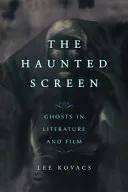
The Haunted Screen
 81
81

The Haunted Screen
Lee Kovacs's The Haunted Screen offers a perceptive look at the cinematic specter, charting its course from spectral literary origins to its varied manifestations on film. The author’s strength lies in connecting seemingly disparate figures, such as Rex Harrison's Captain Gregg in *The Ghost and Mrs. Muir* (1947) and Patrick Swayze's Sam Wheat in *Ghost* (1990), illustrating a continuous evolution of the cinematic ghost. A particular point of interest is the examination of how 1930s and 1940s films established a template for more humanistic apparitions, a departure from earlier Gothic fears. While the analysis is thorough, the text occasionally feels dense, perhaps due to the sheer volume of literary and filmic connections being drawn. The exploration of the psychological underpinnings of these spectral figures, however, is consistently compelling. Kovacs provides a valuable framework for understanding the enduring appeal of ghosts in narrative art.
📝 Description
81
Lee Kovacs's 2005 book, The Haunted Screen, analyzes ghosts in cinema beyond horror tropes.
The Haunted Screen examines how spectral figures have appeared in cinema, moving past simple horror to analyze more complex ghost portrayals. Lee Kovacs tracks the history of cinematic ghosts, showing their development throughout film. The book specifically looks at movies from the 1930s and 1940s, arguing they were important in shaping later, softer supernatural stories from the 1990s. This work is for academics in film studies, literary critics, and people interested in the occult and spiritual themes in media. It will appeal to those looking into the psychological aspects of ghost stories and how folklore is passed through visual media. Readers wanting to understand the typical ghost in Western film, from old Gothic stories to modern psychological thrillers, will find this book helpful. The book discusses the cinematic ghost as a story element, showing its shift from the frightening spirits of early films to the more thoughtful and often romantic ghosts of later decades. It studies how ghosts from Gothic novels were changed for movies. The analysis points out the evolution from classic Gothic ideas to more modern, psychological views of the supernatural, stressing the ghost's function in exploring memory, loss, and unfinished human issues.
This book connects to esoteric traditions by examining how spiritual and supernatural concepts are represented in popular culture. It looks at the cinematic ghost not just as a plot device but as a manifestation of deeper human anxieties and beliefs about death, memory, and the afterlife. By analyzing the visual and narrative evolution of these spectral figures, Kovacs touches upon how collective consciousness and occult themes are filtered and reinterpreted through the medium of film, reflecting enduring human fascination with the uncanny and the spiritual.
💡 Why Read This Book?
• Gain insight into the specific evolution of the cinematic ghost, understanding how films from the 1930s and 1940s, like *The Ghost and Mrs. Muir*, established archetypes for later spectral characters. • Analyze the transformation of literary ghosts from classic Gothic horror to the psychological apparitions prominent in 1990s cinema, appreciating the nuances of this transition. • Discover how specific cinematic figures, such as Rex Harrison's Captain Gregg, represent key stages in the development of the ghost as a complex character, not merely a frightening entity.
⭐ Reader Reviews
Honest opinions from readers who have explored this book.
❓ Frequently Asked Questions
What is the primary focus of The Haunted Screen?
The book focuses on the cinematic ghost, tracing its evolution from literary origins in Gothic tales to its varied portrayals in films from the 1930s through the 1990s, emphasizing psychological and romantic apparitions.
Which eras of film does Lee Kovacs analyze in detail?
Lee Kovacs specifically analyzes films from the 1930s and 1940s as foundational to later supernatural cinema, while also discussing influences and continuations through the 1990s.
How does the book differentiate between types of cinematic ghosts?
It distinguishes between the fearful specters of horror genres and the more human, romantic, or psychologically complex apparitions that emerged from literary adaptations, particularly in mid-20th century films.
What literary traditions influence the cinematic ghosts discussed?
The book draws heavily on classic Gothic literature, examining how its archetypes and thematic concerns, such as unresolved pasts and spectral presence, were translated and adapted for the screen.
What is the connection between 1930s/40s films and 1990s supernatural cinema according to the book?
The Haunted Screen argues that films from the 1930s and 1940s laid the groundwork for the gentler, more emotionally resonant supernatural films popular in the 1990s by developing nuanced ghost characters.
What does the book say about the transition from Gothic to psychological ghosts?
It maps the shift from the externalized, often monstrous ghosts of Gothic tales to internalized, psychologically driven apparitions that explore characters' inner lives and unresolved emotional states.
🔮 Key Themes & Symbolism
The Evolving Cinematic Ghost
This theme examines the metamorphosis of the ghost figure within filmic narratives. Kovacs charts its journey from the terrifying specters rooted in Gothic literature and early horror cinema to the more introspective, often melancholic, and even romantic apparitions that gained prominence. The work highlights how technological and narrative shifts in filmmaking, particularly from the 1930s and 1940s, allowed for subtler explorations of grief, memory, and unresolved connections through spectral characters, influencing later works.
Literary Specters on Screen
The Haunted Screen investigates the crucial translation of literary ghosts into cinematic language. It analyzes how classic archetypes, familiar from novels and short stories, were reinterpreted for the visual medium. This section looks at the specific challenges and opportunities presented by adapting Gothic narratives, exploring how directors and screenwriters captured the essence of the spectral presence, often by focusing on psychological impact rather than explicit horror, thereby shaping the audience's perception of the supernatural.
Psychology of the Unseen
This theme focuses on the psychological dimensions of cinematic ghosts. Kovacs explores how these spectral figures function not merely as plot devices but as manifestations of characters' inner turmoil, repressed desires, or unresolved traumas. The analysis extends to how films use the ghost to explore concepts of loss, longing, and the persistence of the past. The work connects these psychological portrayals to the evolution from traditional Gothic horror towards more introspective and character-driven supernatural narratives, particularly evident in films from the 1990s.
Genre Blurring and Archetypes
The book discusses how The Haunted Screen transcends simple genre classification by examining ghosts that inhabit romantic dramas, psychological thrillers, and even comedies, not just horror. It identifies recurring archetypes—the tragic lover, the protective spirit, the lingering presence—and traces their lineage through decades of filmmaking. This approach reveals how the ghost, as an archetype, has been adapted to serve diverse narrative functions, reflecting evolving societal attitudes towards death, memory, and the human condition.
💬 Memorable Quotes
Direct passages from the work, attributed to the author.
“Apparitions in 1930s and 1940s cinema provided the foundation for gentler supernatural narratives of the 1990s.”
— This highlights the book's central argument regarding the lineage of cinematic ghosts. It posits that earlier films established a framework for portraying specters with emotional depth and romantic undertones, which later filmmakers drew upon for more sensitive explorations of the supernatural.
“The evolution of the cinematic-literary ghost from classic Gothic to the psychological.”
— This phrase expresses the book's analytical trajectory. It signifies the movement from ghosts depicted as external threats or manifestations of fear in Gothic literature to their re-imagining as internal psychological constructs or symbols of inner states within film.
“Human and romantic apparitions in mid-century films contrasted with horror-focused specters.”
— This points to a key distinction made in the book, separating ghosts that evoke empathy and explore themes of love and loss from those designed primarily to frighten. It underscores the nuanced approach Kovacs takes to categorizing cinematic spectral figures.
“Linking figures like Rex Harrison's Captain Gregg to Patrick Swayze's Sam Wheat.”
— This illustrates the book's method of tracing thematic and characterological threads across different eras of cinema. By connecting these specific characters, Kovacs demonstrates the enduring archetypes and narrative possibilities of the cinematic ghost.
“Ghosts inhabit films devoted to the horror genre, but also present more nuanced figures.”
— This statement sets up the book's broader scope. It acknowledges the traditional association of ghosts with horror while immediately pivoting to explore the less obvious, more complex, and emotionally resonant spectral presences found in other cinematic contexts.
🌙 Esoteric Significance
Tradition
While not explicitly tied to a single esoteric tradition like Hermeticism or Kabbalah, *The Haunted Screen* engages with themes common in esoteric thought, particularly concerning the nature of consciousness, the persistence of memory, and the manifestation of unseen forces. The book's exploration of apparitions and their connection to human emotion and unresolved issues aligns with concepts found in Spiritualism and certain branches of Western esotericism that explore the astral plane or psychic imprints. It bridges the gap between popular culture and deeper metaphysical inquiries into the nature of existence beyond the physical.
Symbolism
The spectral figure itself is a potent symbol, representing the uncanny, the unresolved past, and the liminal space between life and death. In the context of the book's analysis, ghosts symbolize repressed emotions, societal anxieties, and the enduring power of memory. The act of 'haunting' can be interpreted esoterically as a psychic resonance, a lingering energetic imprint left by intense experiences or emotions, which finds form and narrative purpose within the cinematic medium. The film screen becomes a modern altar for these spectral manifestations.
Modern Relevance
Contemporary thinkers and practitioners in fields like transmedia studies, paranormal investigation narratives, and even certain psychological healing modalities can draw from *The Haunted Screen*. The book’s analysis of how ghosts reflect human psychology and unresolved issues provides a framework for understanding modern ghost stories, paranormal reality television, and therapeutic approaches that address lingering trauma or 'energetic disturbances.' It highlights how cultural narratives about the afterlife and spectral phenomena continue to evolve, reflecting and shaping our understanding of consciousness.
👥 Who Should Read This Book
• Film studies students and scholars interested in genre analysis and the evolution of cinematic archetypes. • Readers of Gothic literature and occult philosophy seeking to understand the manifestation of spectral themes in modern media. • Cultural historians and critics examining the representation of death, memory, and the supernatural in 20th and 21st-century visual culture.
📜 Historical Context
Published in 2005, Lee Kovacs's *The Haunted Screen* emerged during a period of significant academic engagement with film and media studies. The early 21st century saw a surge in interdisciplinary scholarship examining narrative, genre, and cultural impact across various media. Kovacs's work contributes to this by focusing on the specific evolution of the cinematic ghost, tracing its roots back to Gothic literature and forward to the psychological dramas of the 1990s. This approach offers a counterpoint to more purely psychoanalytic or formalist film criticism prevalent at the time, instead emphasizing the literary heritage and evolving cultural perception of spectral figures. While not directly engaging with a specific contemporary scholar by name in the blurb, the text implicitly dialogues with scholars of Gothic studies and film history, such as those who analyzed the impact of Universal Monsters or classic Hollywood melodrama.
📔 Journal Prompts
The cinematic ghost's transition from Gothic archetype to psychological construct.
Apparitions as reflections of unresolved human connection in 1990s cinema.
The role of mid-century films in shaping the 'human and romantic' ghost.
Comparing Rex Harrison's Captain Gregg with other spectral figures discussed.
How the concept of 'haunting' translates from literature to the screen.
🗂️ Glossary
Cinematic Ghost
A spectral or disembodied entity as depicted in films, distinct from literary or folkloric ghosts, analyzed for its narrative function and evolution across genres and eras.
Gothic Literature
A literary genre characterized by elements of horror, death, and gloom, often featuring supernatural events, decaying settings, and psychological terror, which heavily influenced early cinematic ghost portrayals.
Psychological Ghost
A spectral presence in film that primarily serves to explore a character's inner state, anxieties, or unresolved issues, rather than being an external threat.
Archetype
A recurring symbol, character type, or motif that is believed to have a universal meaning, often drawn from mythology and literature, and frequently adapted in cinema.
Specter
A ghost or phantom; in the context of the book, refers to the visual and narrative manifestation of supernatural entities in films.
Apparition
The appearance of something remarkable or unexpected, specifically a ghost or phantom, as portrayed in film and literature.
Literary-Film Adaptation
The process of translating a narrative work from literature into a film, involving interpretation and transformation of characters, plot, and themes for the visual medium.