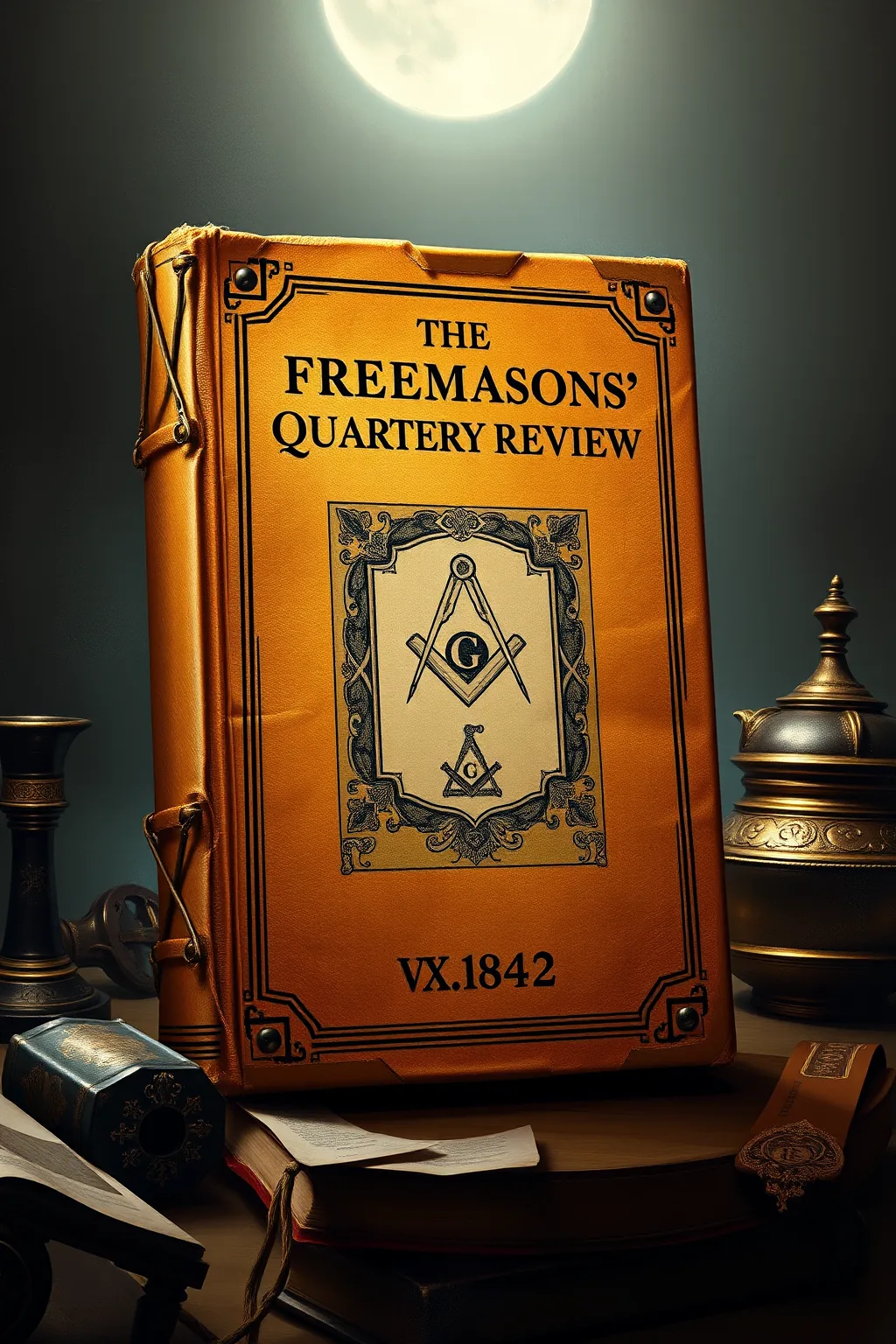
The Freemasons' Quarterly Review Vol IX 1842
 72
72

The Freemasons' Quarterly Review Vol IX 1842

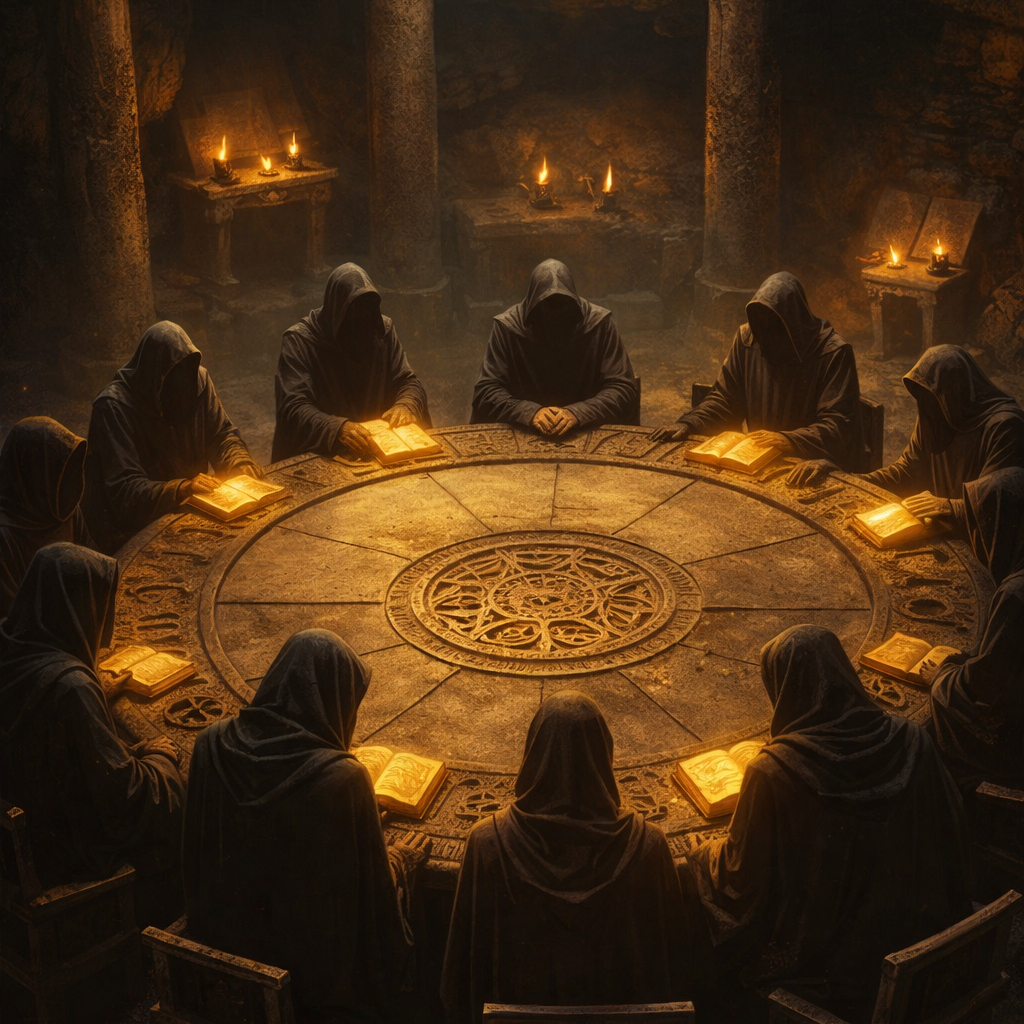

As a dedicated editor of sacred texts, I find 'The Freemasons' Quarterly Review Vol IX, 1842' to be an indispensable resource for understanding the intellectual and spiritual currents of historical Freemasonry. This volume offers a rich tapestry of articles, delving into the symbolic language, philosophical tenets, and historical context of the Craft. Its strength lies in its comprehensive exploration of Masonic teachings, providing insights into the moral and ethical frameworks that underpin the fraternity. It is an essential read for any serious student of Freemasonry, occultism, or Western esoteric traditions seeking to grasp the foundational principles and nuanced interpretations prevalent in the mid-19th century.
📝 Description
72
The Freemasons' Quarterly Review Vol IX, published in 1842, contains Masonic discourse from a specific 19th-century period.
This volume from 1842 presents a collection of articles and essays on Masonic philosophy and symbolism. It includes discussions on allegorical interpretations of rituals and moral teachings prevalent within the fraternity during that era. The content aims to illuminate the intellectual currents of 19th-century Freemasonry for its readers. It offers a look into the symbolic language and philosophical ideas considered important by Masons at the time. The review serves as a record of Masonic thought from a particular historical moment.
This review was published during a period when esoteric traditions, including Freemasonry, were actively documenting and disseminating their teachings. It reflects an interest in the symbolic dimensions of ritual and the philosophical underpinnings of spiritual inquiry. The content aligns with a broader 19th-century engagement with hermeticism, alchemy, and other Western mystery schools, seeking to interpret ancient wisdom through the lens of Masonic allegory.
💡 Why Read This Book?
Uncover the profound symbolism and philosophical depth of Freemasonry's rich heritage. This volume offers a unique window into the intellectual currents of 1842, providing insights for scholars, seekers of hidden knowledge, and practitioners of esoteric disciplines. Engage with timeless wisdom and understand the enduring principles that continue to inspire those on the path of self-discovery and spiritual growth.
⭐ Reader Reviews
Honest opinions from readers who have explored this book.
❓ Frequently Asked Questions
What is the primary focus of this volume?
The primary focus is on exploring the philosophical, symbolic, and historical aspects of Freemasonry as understood in 1842, offering insights into the Craft's teachings and practices of the era.
Is prior knowledge of Freemasonry required to understand this book?
While prior knowledge can enhance understanding, the volume is written in a manner that allows earnest seekers and scholars to engage with its content and gradually grasp its esoteric concepts.
What kind of topics are covered in the articles?
Topics range from interpretations of Masonic rituals and symbols, historical accounts of Masonic lodges, philosophical essays on morality and virtue, to discussions on the broader influence of Freemasonry.
Who is the intended audience for this publication?
The intended audience includes Freemasons, scholars of secret societies, historians, and individuals interested in esoteric philosophies and Western mystery traditions.
Can this volume be considered a primary source for Masonic history?
Yes, it serves as a valuable primary source, offering direct insights into the thought, discourse, and concerns of Freemasons and Masonic scholars in the mid-19th century.
🔮 Key Themes & Symbolism
The Architecture of Wisdom: Symbolism and Allegory
This volume meticulously deciphers the collection of Masonic symbolism, revealing how everyday objects and architectural elements are imbued with profound spiritual and philosophical meaning. Readers will encounter interpretations of the compass, square, plumb line, and other tools, not as mere instruments, but as keys to unlocking moral truths and understanding the construction of both the individual soul and the universal order. The allegorical narratives woven throughout the text serve as powerful vehicles for conveying complex metaphysical concepts, guiding the aspirant through a journey of self-improvement and spiritual enlightenment.
The Unveiling of Ancient Mysteries
Fundamentally, , 'The Freemasons' Quarterly Review Vol IX, 1842' acts as a conduit to ancient wisdom traditions, exploring the lineage of Freemasonry from classical antiquity and Hermetic philosophies. It examines the esoteric currents that have flowed through various secret societies and spiritual disciplines, suggesting a universal quest for divine knowledge. The volume hints at a hidden history and a body of knowledge passed down through enlightened individuals, urging the reader to look beyond the exoteric pronouncements and seek the deeper, more profound truths concealed within the symbolism and rituals of the Craft.
The Moral and Philosophical Compass of the Craft
Beyond its ritualistic and symbolic dimensions, this review deeply explores the ethical and philosophical framework that underpins Freemasonry. Articles dissect the virtues of brotherly love, relief, and truth, examining their practical application in personal and societal life. The volume presents Freemasonry as a system designed for moral betterment, a disciplined path towards self-mastery and the cultivation of a virtuous character. It encourages introspection and the application of Masonic principles to read through the complexities of human existence, fostering a sense of purpose and contributing to the greater good.
💬 Memorable Quotes
Direct passages from the work, attributed to the author.
“The plumb line guides the upright soul.”
— The plumb line, a Masonic tool, symbolizes integrity and moral rectitude, suggesting that adherence to virtuous principles will lead one towards a spiritually sound and upright life.
“Each stone placed with care builds the eternal temple.”
— This refers to the individual's contribution to a larger, spiritual edifice, emphasizing the importance of diligent effort and purposeful action in constructing a meaningful existence and a collective spiritual structure.
“The compass inscribes the boundaries of reason and desire.”
— The compass, another key Masonic symbol, represents the ability to govern one's passions and desires within the bounds of reason and morality, promoting self-control and wise conduct.
“Light dawns not from without, but from within the initiated heart.”
— This poignant statement highlights the esoteric concept of inner illumination, suggesting that true spiritual understanding and enlightenment are achieved through personal transformation and inner revelation, rather than external dogma.
💡 Key Ideas
Editorial paraphrase of the work's core concepts — not direct quotes.
Within the checkered pavement lies the duality of existence.
This quote alludes to the symbolic black and white squares of the Masonic floor, representing the interplay of light and darkness, good and evil, and the dualities inherent in the human experience.
🌙 Esoteric Significance
Tradition
This volume is deeply rooted in the Western Esoteric Tradition, particularly within the framework of Freemasonry, which itself draws from Hermeticism, Kabbalah, Gnosticism, and ancient mystery schools. It represents a mid-19th-century articulation of these intertwined streams of thought, seeking to interpret and preserve esoteric knowledge for a contemporary audience.
Symbolism
The core of its esoteric significance lies in its detailed exploration and interpretation of Masonic symbolism. Key symbols such as the square, compass, plumb line, level, and the checkered pavement are presented not as mere decorative elements, but as profound allegorical tools for understanding cosmic principles, moral development, and the journey of the soul towards spiritual perfection.
Modern Relevance
In contemporary times, this volume remains relevant for its historical insights into esoteric thought and its enduring philosophical inquiries. It offers seekers and scholars an opportunity to engage with the historical context of modern esoteric practices, providing a foundational understanding of symbolism and ethical principles that continue to resonate across various spiritual and philosophical paths.
👥 Who Should Read This Book
This volume is essential for serious students of Freemasonry, offering historical context and interpretations of its core tenets. Scholars of secret societies, occultism, and Western esoteric traditions will find it an invaluable primary source. For seekers of hidden knowledge and practitioners of spiritual disciplines, it provides a rich exploration of symbolism and philosophical depth. Beginners interested in understanding the historical evolution of esoteric thought will also benefit from its accessible yet profound discourse.
📜 Historical Context
Published in 1842, 'The Freemasons' Quarterly Review Vol IX' emerges from a period of significant intellectual and social ferment in Victorian England. Freemasonry, having navigated earlier periods of suspicion and scrutiny, was experiencing a resurgence in influence and academic interest. The mid-19th century saw a burgeoning of historical research, comparative mythology, and a widespread fascination with ancient mysteries and esoteric traditions. This review reflects that intellectual milieu, engaging with scholarly debates, historical interpretations of the Craft's origins, and the philosophical underpinnings of its rituals and symbolism. It stands as a proof of the era's desire to codify, explore, and disseminate the knowledge and principles of Freemasonry, positioning it as a significant force in moral and intellectual development during a transformative age.
📔 Journal Prompts
Reflect on a personal symbol that represents a moral or spiritual principle in your life. How does its meaning resonate with the Masonic symbols discussed in this volume?
Consider the concept of the 'Great Architect of the Universe' as presented in Masonic philosophy. What does this concept mean to you in your own spiritual or philosophical framework?
Analyze the allegorical journey described in the Masonic rituals. How can this journey be applied to your own path of personal growth and self-discovery?
Explore the intersection of morality and spirituality as discussed in the volume. How do you see these two aspects influencing each other in your daily life?
What does the idea of building an 'inner temple' or a 'spiritual edifice' signify to you, and what steps can you take to contribute to its construction?
🗂️ Glossary
The Craft
A common term referring to Freemasonry, emphasizing its skilled and intricate nature, often alluding to the building of Solomon's Temple as a foundational allegory.
Grand Architect of the Universe
A term used in Freemasonry to represent the divine creator or supreme being, understood in a non-denominational way that allows individuals of various faiths to participate.
Allegory
A story, poem, or picture that can be interpreted to reveal a hidden meaning, typically a moral or political one. Masonic teachings frequently employ allegorical narratives.
Esoteric
Intended for or likely to be understood by only a small number of people with a specialized knowledge or interest. The inner, hidden teachings of a doctrine or philosophy.
Ritual
The established or traditional form of a ceremony, especially a religious one. In Freemasonry, rituals are symbolic dramas used to convey moral and philosophical lessons.
This book appears in 2 collections
🔮 Readers Also Liked
Browse all →





From the “Secret Societies” Collection
View all →



More Free Freemasonry & Secret Societies Books
View all →