The Diviner
 68
68

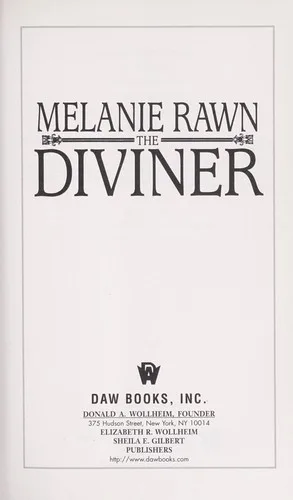
The Diviner



Melanie Rawn's "The Diviner" is a resplendent return to high fantasy, a narrative steeped in the potent currents of esoteric lore. Rawn masterfully crafts a protagonist driven by a righteous, yet perilous, quest for vengeance, meticulously detailing his immersion into the arcane arts. The Shagara, as a collective of powerful magicians, serve as a compelling vessel for exploring themes of inherited power, spiritual discipline, and the ethical tightrope walked by those who wield extraordinary abilities. The novel’s strength lies in its evocative prose and its unflinching examination of the psychological and spiritual cost of revenge. This is essential reading for discerning fantasy aficionados and seekers of narratives that delve into the deeper mysteries of magic and the human spirit.
📝 Description
68
Melanie Rawn's 1994 novel, The Diviner, centers on a young man's quest for vengeance.
The Diviner follows Azzad al-Ma'aliq, the sole survivor of a family massacre. He finds refuge with the Shagara, a nomadic order of sorcerers. Within their traditions, Azzad learns arcane secrets and develops his latent magical powers. This training prepares him for a revenge that will require significant personal sacrifice.
Rawn creates a desert setting alive with ancient lore and palpable energy. The narrative focuses on Azzad's internal struggle as he prepares to confront those who destroyed his family. The book examines the heavy cost of retribution and the difficult path to reclaiming one's life.
Melanie Rawn's The Diviner situates itself within a tradition of fantasy literature that explores spiritual orders and hidden magical systems. The Shagara function as a mystical brotherhood, akin to certain monastic or hermetic traditions, where knowledge is passed down through rigorous training and adherence to ancient customs. The novel's focus on a protagonist unlocking innate abilities and uncovering forgotten lore connects to themes found in ceremonial magic and the search for esoteric knowledge, where personal transformation is tied to understanding unseen forces.
💡 Why Read This Book?
For seekers of deeply resonant fantasy, "The Diviner" offers a compelling narrative of vengeance intertwined with profound magical exploration. Its rich world-building, complex characters, and exploration of esoteric themes make it ideal for scholars of magical traditions and practitioners interested in the philosophical underpinnings of power and consequence. Dive into a story where ancient magic meets raw human emotion, and discover the true cost of retribution.
⭐ Reader Reviews
Honest opinions from readers who have explored this book.
❓ Frequently Asked Questions
What is the primary focus of "The Diviner"?
The primary focus is on Azzad al-Ma'aliq's journey of vengeance after his family's annihilation, his subsequent training in powerful magic with the Shagara, and the personal sacrifices he makes.
Who are the Shagara?
The Shagara are a nomadic tribe of powerful magicians who possess ancient knowledge and traditions, serving as mentors and allies to Azzad in his quest.
What kind of magic is depicted in the book?
The book features high fantasy magic, rooted in ancient traditions and the arcane arts, with a focus on the spiritual and personal development required to wield such power.
Is "The Diviner" part of a series?
While "The Diviner" is a standalone novel, it is set in a rich world that can stand on its own, offering a complete narrative arc for Azzad's story.
What makes this book suitable for readers of metaphysical literature?
The novel delves into themes of destiny, consequence, the nature of power, and the spiritual journey of its protagonist, resonating with readers interested in the esoteric and philosophical aspects of magic.
🔮 Key Themes & Symbolism
The Corrupting Nature of Vengeance
The narrative meticulously explores the consuming and often destructive path of revenge. Azzad's quest for retribution, while fueled by a deep sense of injustice, gradually erodes his own spirit, forcing readers to confront the moral complexities and personal sacrifices inherent in such pursuits. The book questions whether true justice can be achieved through vengeance, and if the pursuit itself can lead to a darker, more profound loss than the original tragedy.
The Acquisition of Arcane Power
Central to "The Diviner" is the arduous process of mastering potent magical abilities. Azzad's journey with the Shagara highlights that true power is not merely innate but cultivated through discipline, sacrifice, and a deep understanding of esoteric principles. The novel emphasizes the spiritual and mental fortitude required to wield magic responsibly, illustrating that the greatest battles are often fought within the self.
Familial Legacy and Identity
The annihilation of Azzad's family forms the tragic bedrock of his existence, shaping his identity and driving his actions. The book explores the weight of inherited destiny and the struggle to forge one's own path in the shadow of a devastating past. Azzad grapples with the burden of his lineage, the expectations it carries, and the challenge of defining himself beyond the ghosts of his ancestors and the trauma he has endured.
💬 Memorable Quotes
Direct passages from the work, attributed to the author.
“The desert remembers all wounds.”
— This evocative phrase suggests the enduring nature of pain and suffering, particularly in a desolate and ancient landscape, hinting at the deep-seated trauma that fuels Azzad's quest.
“Vengeance is a feast that starves the one who consumes it.”
— A poignant aphorism highlighting the self-destructive nature of revenge, suggesting that while it may offer temporary satisfaction, it ultimately depletes and harms the seeker.
“The Shagara whisper secrets to the wind.”
— This phrase conjures an image of ancient, ethereal knowledge passed down through generations, hinting at the mystical and deeply ingrained traditions of the nomadic magicians.
💡 Key Ideas
Editorial paraphrase of the work's core concepts — not direct quotes.
Magic is a mirror, reflecting the soul of its wielder.
This quote speaks to the intrinsic connection between magical practice and the inner state of the magician, emphasizing that the purity or corruption of one's intentions will manifest in their use of power.
He sought to reclaim a throne, but found only the desert's stark truth.
This quote implies a journey of unexpected self-discovery, where the character's external goals lead to profound internal realizations about reality and his own place within it.
🌙 Esoteric Significance
Tradition
The esoteric themes in "The Diviner" draw upon archetypal concepts found in various mystical traditions, particularly those emphasizing the spiritual journey of the individual and the cultivation of inner power. The Shagara's nomadic lifestyle and their deep connection to the land and its hidden energies evoke elements of shamanism and animism, where the natural world is imbued with spiritual significance. The focus on discipline, self-mastery, and the ethical use of power aligns with principles found in Western esoteric traditions like Hermeticism and certain schools of ceremonial magic, which advocate for inner transformation as a prerequisite for external magical achievement.
Symbolism
The desert itself serves as a potent symbol in "The Diviner," representing both desolation and a crucible for spiritual purification. It is a place where worldly distractions are stripped away, forcing introspection and the confrontation with one's deepest self. The Shagara's nomadic existence symbolizes freedom from material attachments and a reliance on intuitive wisdom and ancient lore. Azzad's pursuit of vengeance can be seen as a symbolic representation of the shadow self, a force that, if not understood and integrated, can consume the individual. The magic itself symbolizes the untapped potential within the human psyche, waiting to be awakened and directed.
Modern Relevance
In a world often characterized by conflict and a yearning for meaning, "The Diviner" offers a compelling exploration of personal transformation and the consequences of our actions. The novel's examination of vengeance speaks to contemporary discussions about justice, reconciliation, and the cyclical nature of violence. The emphasis on self-mastery and the responsible use of power is particularly relevant in an era where technological advancements grant unprecedented capabilities, demanding ethical consideration. Furthermore, the book's mystical underpinnings can resonate with individuals seeking deeper spiritual connections and an understanding of the unseen forces that shape our lives, offering a fictional lens through which to explore personal growth and purpose.
👥 Who Should Read This Book
This novel is a compelling read for fantasy enthusiasts who appreciate rich world-building and morally complex characters. Scholars of comparative mythology and esoteric traditions will find the exploration of magical systems and shamanistic elements particularly engaging. Seekers of spiritual and philosophical depth will be drawn to the themes of vengeance, consequence, and self-discovery. Practicing mages and those interested in the psychological aspects of power will appreciate the nuanced portrayal of Azzad's journey and the ethical dilemmas he faces, making it a thought-provoking addition to any occult or metaphysical library.
📜 Historical Context
While "The Diviner" is a work of fantasy, its themes resonate with historical narratives of tribal societies, nomadic cultures, and the enduring power of oral traditions and ancient wisdom. The Shagara, as a desert-dwelling nomadic group with deep magical knowledge, echo historical accounts of peoples who lived in close communion with nature and preserved esoteric lore through generations. The protagonist's quest for vengeance against a treacherous regime also taps into timeless human struggles against tyranny and injustice, themes that have played out across various historical epochs and cultures. The novel's exploration of magic can be seen as a fictionalized representation of humanity's historical fascination with the occult, mysticism, and the pursuit of knowledge beyond the mundane.
📔 Journal Prompts
Reflect on a time when you sought justice, and consider the personal cost involved. How did your actions align with or diverge from Azzad's path?
Explore the concept of 'inherited power' and 'inherited trauma.' How do these concepts shape identity and destiny in your own life or in the lives of others?
Consider the symbolism of the desert. What aspects of your life or inner landscape could be described as a 'desert,' and what spiritual growth might occur within such a space?
Analyze the ethical implications of vengeance. Is there ever a justifiable path to retribution, or is the act itself inherently corrupting?
Meditate on the nature of true power. Is it external and forceful, or internal and disciplined? How does this relate to the magic described in 'The Diviner'?
🗂️ Glossary
Shagara
A nomadic tribe of powerful magicians who possess ancient knowledge and traditions, serving as mentors and allies within the narrative.
Arcane Arts
A general term referring to the practice of magic, sorcery, and occult knowledge, often implying a deep and complex understanding of mystical principles.
Retribution
The act of seeking vengeance or punishment for a wrong committed; in the context of the book, it is a driving force for the protagonist.
Esoteric Lore
Hidden, secret, or mysterious knowledge, typically concerning spiritual, mystical, or occult subjects, passed down through ancient traditions.
Crucible
A severe test or trial, often one that leads to transformation or purification; in the book, the desert acts as a spiritual crucible for the protagonist.
This book appears in 3 collections
🔮 Readers Also Liked
Browse all →






From the “Tarot” Collection
View all →









More Free Divination & Tarot Books
View all →