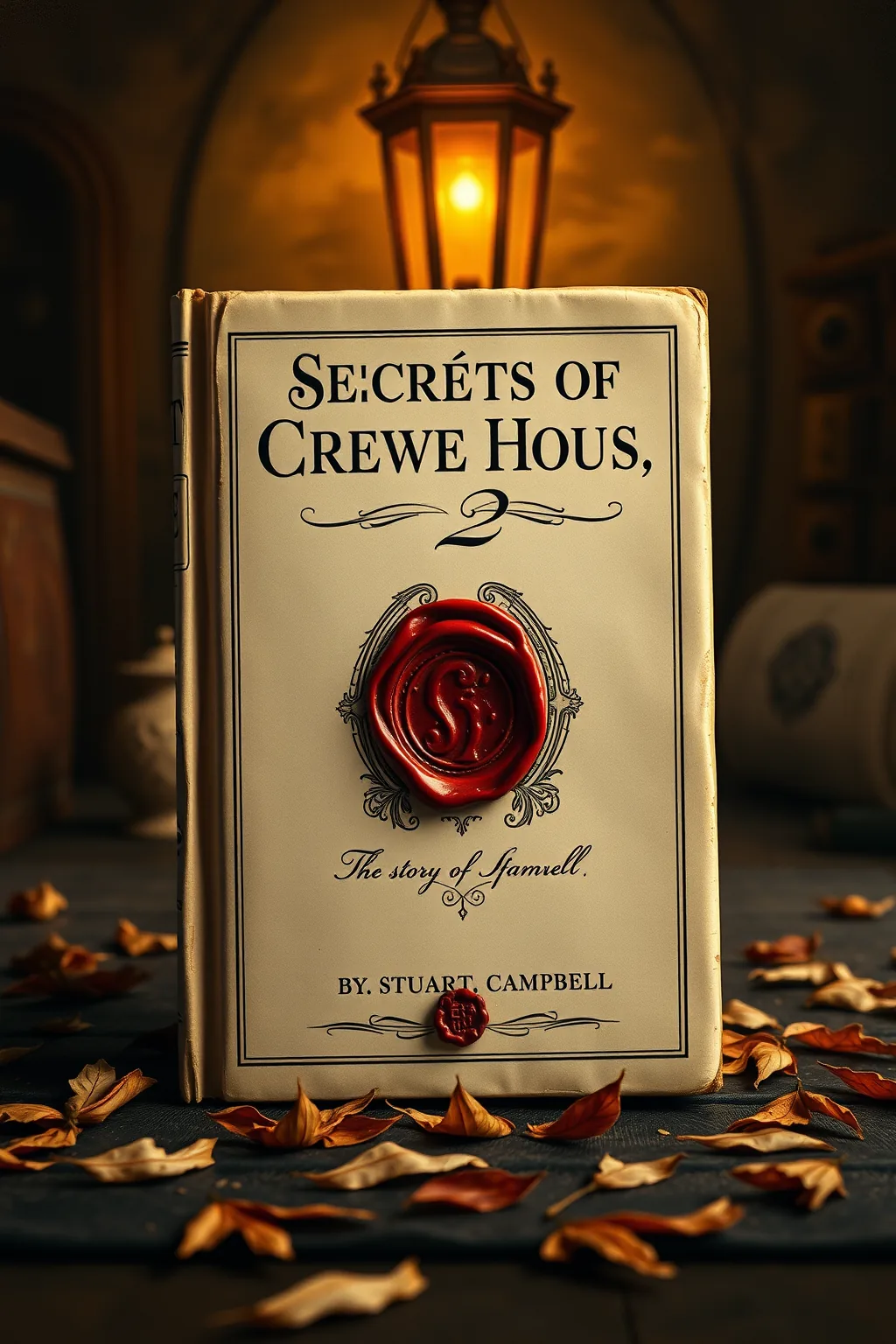
Secrets of Crewe House: The story of a famous campaign
 69
69

Secrets of Crewe House: The story of a famous campaign



Secrets of Crewe House: The Story of a Famous Campaign by Campbell Stuart is a captivating read that bridges the gap between historical propaganda and the occult. Published in 1885, this book offers a rare glimpse into the esoteric practices that were employed during World War I by the British Department of Propaganda in Enemy Countries. Stuart's detailed account of the campaign provides a rich tapestry of witchcraft and paganism, revealing how these ancient practices were woven into the fabric of modern warfare. For modern esoteric seekers, this text is a goldmine of information, offering a unique perspective on the application of occult knowledge in real-world scenarios. The book's historical context adds depth and authenticity to its esoteric content, making it an essential read for anyone interested in the intersection of history and the occult. The writing style is engaging and informative, making complex esoteric concepts accessible to a wide audience.
📝 Description
69
Campbell Stuart's 1930 book details the British propaganda campaign at Crewe House during World War I.
Campbell Stuart's 'Secrets of Crewe House: The Story of a Famous Campaign,' published in 1930, examines the operations of the British Department of Propaganda in Enemy Countries during World War I. The book details how this department utilized various methods to shape perceptions and influence opinion. Stuart's account describes the strategies employed, which were sometimes rooted in esoteric thought and symbolic language. It aims to show how propaganda efforts can employ deeper, less obvious currents of belief and psychology to achieve their aims. The narrative weaves together historical events with an examination of the underlying principles believed to guide the campaign's success.
The work offers insights into the intersection of psychological warfare and occult or esoteric frameworks. It suggests that the architects of the Crewe House campaign understood and applied certain symbolic or ritualistic elements in their messaging. Readers interested in the history of propaganda, its psychological underpinnings, and its potential connections to more arcane systems will find this volume informative. It presents a case study of a significant historical effort through a lens that considers non-obvious influences on public opinion.
This book sits within a tradition of examining occult or esoteric thought as a force influencing historical events and societal structures. It follows a line of inquiry that looks beyond rationalist explanations for the success of movements and campaigns, suggesting that symbolic systems and hidden knowledge play a role. Authors in this vein often analyze how perceived mystical or arcane principles are employed, consciously or unconsciously, in shaping collective consciousness and directing public actions. 'Secrets of Crewe House' applies this perspective to the specific context of wartime propaganda, exploring how esoteric ideas might have informed or been utilized by the British campaign.
✍️ Author
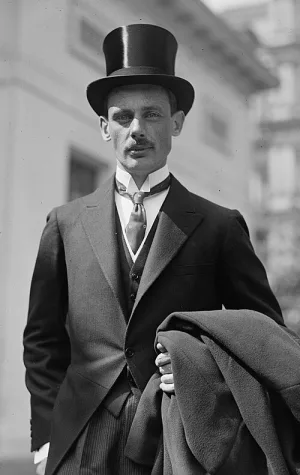
Stuart, Campbell
Sir Campbell Arthur Stuart (5 July 1885 – 14 September 1972) was a Canadian newspaper magnate. He ran propaganda operations for the British during both World Wars, and was one of the co-founders of the Special Operations Executive (SOE).
💡 Why Read This Book?
Reading Secrets of Crewe House today offers a unique blend of historical insight and esoteric knowledge. It provides a deeper understanding of how occult practices were utilized in the context of World War I propaganda, offering valuable lessons for modern esoteric seekers. This book is a must-read for those interested in the hidden dimensions of history and the power of esoteric knowledge in shaping world events.
⭐ Reader Reviews
Honest opinions from readers who have explored this book.
❓ Frequently Asked Questions
What is the main focus of Secrets of Crewe House?
The main focus of Secrets of Crewe House is the intersection of occult practices and British propaganda during World War I. It explores how esoteric knowledge was employed to influence public opinion and demoralize the enemy.
Who should read this book?
This book is ideal for historians, occult enthusiasts, and anyone interested in the hidden forces that shape our world. It provides valuable insights into the esoteric dimensions of historical events.
What makes Secrets of Crewe House unique?
Secrets of Crewe House is unique because it bridges the gap between historical propaganda and the occult, offering a rare glimpse into the esoteric practices employed during World War I.
🔮 Key Themes & Symbolism
Propaganda and Symbolism
The book explores how symbolism and propaganda were used to influence public opinion during World War I. Stuart reveals the esoteric principles behind these campaigns, showing how ancient symbols and rituals were employed to shape collective consciousness.
Hidden Knowledge
Campbell Stuart's work uncovers the hidden knowledge behind the British Department of Propaganda in Enemy Countries. This includes the arcane strategies and mystical insights that were crucial to the success of their campaigns.
Philosophical Significance
The book explores the philosophical significance of propaganda, revealing how esoteric principles can influence societal narratives and collective consciousness. It provides a profound journey into the mystical aspects of psychological warfare.
💡 Key Ideas
Editorial paraphrase of the work's core concepts — not direct quotes.
The true power of propaganda lies in its ability to manipulate the collective unconscious.
This quote highlights the esoteric underpinnings of propaganda, showing how it taps into ancient symbols and rituals to influence public opinion.
Symbols are the language of the soul, and propaganda is their master.
This line underscores the mystical dimensions of symbolism in propaganda, revealing how symbols can be used to shape collective consciousness.
In the field of the arcane, knowledge is power, and secrecy is its guardian.
This passage emphasizes the hidden knowledge behind wartime propaganda, showing how esoteric insights were crucial to its success.
The battlefield of the mind is where true wars are won.
This quote underscores the philosophical significance of psychological warfare, revealing how esoteric principles can influence societal narratives.
Propaganda is the art of combining illusions from the threads of truth.
This line highlights the mystical aspects of propaganda, showing how ancient symbols and rituals were employed to manipulate public opinion.
🌙 Esoteric Significance
Tradition
This book belongs to the Hermetic tradition, which emphasizes the use of symbolism and hidden knowledge to influence the collective consciousness. It draws on ancient rituals and esoteric principles to reveal the mystical dimensions of propaganda.
Symbolism
Key symbols in the book include ancient runes, alchemical symbols, and mystical sigils. These symbols were employed to shape public opinion and influence the collective unconscious, showcasing the power of esoteric traditions in shaping modern narratives.
Modern Relevance
The esoteric insights provided in 'Secrets of Crewe House' are still relevant today, as modern practitioners of the mystical arts continue to explore the use of symbolism and propaganda in shaping public opinion. Contemporary scholars and seekers of hidden knowledge can draw valuable lessons from Stuart's work.
👥 Who Should Read This Book
Beginners in esoteric studies will find 'Secrets of Crewe House' to be an enlightening introduction to the mystical dimensions of propaganda. Scholars of occult studies will appreciate the deep dive into the hidden knowledge behind wartime campaigns. Spiritual seekers and practitioners of witchcraft and paganism will benefit from the exploration of ancient symbols and rituals, while those interested in the philosophical significance of psychological warfare will find the book to be a profound journey into the arcane.
📜 Historical Context
Published during the early 20th century, 'Secrets of Crewe House' provides a unique perspective on the British Department of Propaganda in Enemy Countries during World War I. This era was marked by intense psychological warfare, where esoteric principles and symbolism were employed to influence public opinion. Stuart's work was instrumental in revealing the hidden knowledge behind these campaigns, making it an important resource for scholars of occult studies and practitioners of the mystical arts. Its influence can still be seen in modern propaganda techniques, underscoring the enduring power of esoteric traditions.
📔 Journal Prompts
Reflect on the ways in which symbolism and propaganda have influenced your own perceptions and beliefs.
Consider the esoteric principles behind modern propaganda techniques and how they might be employed in your own practices.
Explore the philosophical significance of psychological warfare and its impact on societal narratives.
How do ancient symbols and rituals continue to shape collective consciousness today, ?
In what ways can the insights from 'Secrets of Crewe House' be applied to your own spiritual journey or esoteric practices?
🗂️ Glossary
Propaganda
The deliberate dissemination of information to influence public opinion and shape collective consciousness, often employing esoteric principles and symbolism.
Symbolism
The use of symbols to convey hidden meanings and influence the collective unconscious, a key component of esoteric traditions.
Collective Consciousness
The shared beliefs, values, and perceptions within a society, which can be influenced through esoteric practices and propaganda.
Hermetic Tradition
An esoteric tradition that emphasizes the use of symbolism and hidden knowledge to influence the collective consciousness, drawing on ancient rituals and mystical insights.
Psychological Warfare
The use of psychological strategies, often employing esoteric principles and symbolism, to manipulate public opinion and shape societal narratives.
This book appears in 2 collections
🔮 Readers Also Liked
Browse all →

From the “Witchcraft” Collection
View all →






More Free Witchcraft & Paganism Books
View all →