The Culture of Fengshui in Korea
 74
74

The Culture of Fengshui in Korea
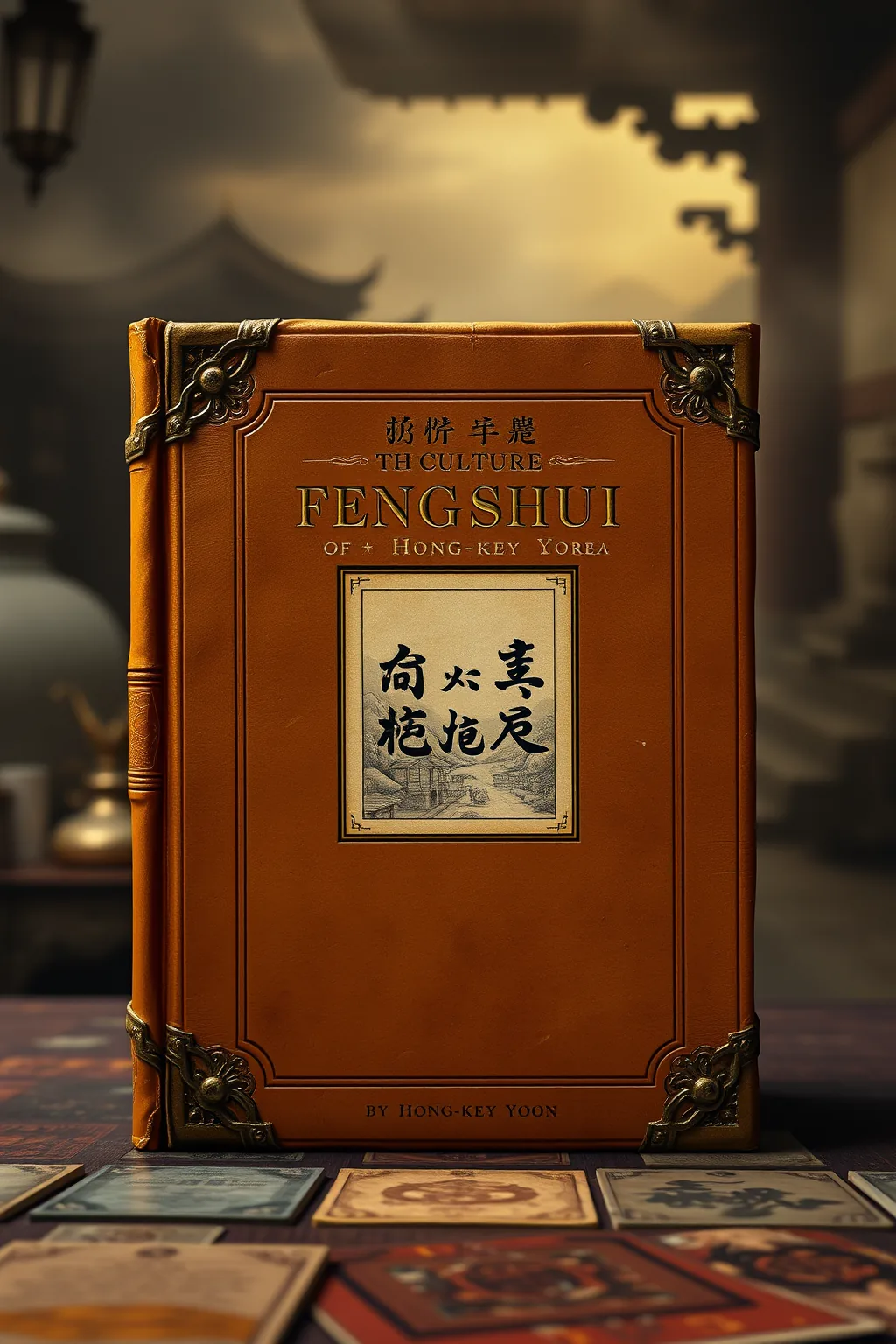
Hong-key Yoon's 'The Culture of Fengshui in Korea' is an academic deep-dive that rigorously dissects the practice of *pungsu*. Unlike many popular treatments, Yoon grounds his analysis in meticulous historical research, examining geomancy not as a set of superstitions, but as a complex system of spatial philosophy that permeated Korean life. The chapter on 'iconographical warfare,' discussing how geomantic principles were used strategically in historical conflicts, is particularly striking and offers a unique perspective. While the density of the material might challenge casual readers, the clarity of Yoon's prose and the systematic organization make it an indispensable reference. The book's strength lies in its scholarly detachment, presenting *pungsu* within its authentic cultural and historical milieu. A limitation, perhaps, is the assumption of prior familiarity with some East Asian philosophical concepts, which could be a minor hurdle for newcomers. Nevertheless, it stands as a definitive scholarly account of Korean geomancy, essential for anyone serious about the subject.
📝 Description
74
Hong-key Yoon's 1999 book examines *pungsu*, Korean geomancy, and its societal integration.
This study analyzes *pungsu*, the Korean practice of geomancy, and its significant role within Korean society. Hong-key Yoon moves past superficial understandings to detail the historical development, philosophical basis, and practical use of *pungsu*. The author breaks down the methods for choosing auspicious locations, the symbolic meaning of the terrain, and the complex calculations involved. The book is a valuable resource for understanding how this practice affects concrete cultural aspects.
Academics in East Asian studies, cultural geography, religious studies, and the history of science will find this work useful. Researchers of traditional Korean culture, architecture, and urban planning who want to grasp the geomantic logic behind them will benefit. *Pungsu* practitioners seeking a historically informed and culturally specific analysis, rather than general advice, will also gain considerable insight. Those interested in how belief systems interact with societal growth will find this book informative.
Korean geomancy, or *pungsu*, is a localized interpretation of Chinese Feng Shui, adapted over centuries to fit Korean cosmology and social structures. It is not merely about aesthetics but a complex system of understanding the energetic flows of the earth to influence human affairs, from locating villages and homes to positioning royal tombs. This practice reflects a worldview where the natural environment is imbued with spiritual significance and human well-being is directly tied to harmonious placement within it. Yoon's work places *pungsu* within this broader East Asian esoteric tradition, showing its unique Korean manifestation.
💡 Why Read This Book?
• Gain a nuanced understanding of *pungsu*, the Korean adaptation of feng shui, by learning about the specific principles governing auspicious site selection based on landscape features like 'dragon veins' and the interplay of Yin and Yang. • Discover the tangible impact of geomancy on Korean history and culture, examining its influence on traditional cartography, urban development, and even military strategy as detailed in the book's analysis. • Acquire knowledge of the distinct Korean geomantic tradition, differentiating it from broader Chinese feng shui through Yoon's detailed exploration of its historical background and unique practices since its introduction.
⭐ Reader Reviews
Honest opinions from readers who have explored this book.
❓ Frequently Asked Questions
What is the difference between Korean pungsu and Chinese feng shui?
While Korean *pungsu* originates from Chinese feng shui, Hong-key Yoon's book highlights its distinct cultural adaptations. *Pungsu* in Korea developed unique interpretations influenced by local cosmology, geography, and historical contexts, particularly during the Joseon Dynasty.
How did feng shui influence Korean urban development?
Yoon's work details how geomantic principles, or *pungsu*, guided the placement of cities, villages, and even individual homes in Korea. Factors like mountain protection, water sources, and the flow of energy (*ch'i*) were paramount in ensuring prosperity and harmony.
When was the peak of geomancy's influence in Korea?
The book suggests that geomancy, or *pungsu*, held significant sway during the Joseon Dynasty (1392-1897). During this era, its principles were widely consulted for state affairs, architecture, and personal well-being, shaping many aspects of Korean society.
What are 'dragon veins' in the context of Korean geomancy?
As explained by Yoon, 'dragon veins' (*ryongmaek*) are a central concept in Korean geomancy, referring to the perceived lines of vital energy that flow through the landscape, often following mountain ranges. Their identification is crucial for selecting auspicious sites.
Does the book discuss the spiritual or religious aspects of Korean feng shui?
Yes, 'The Culture of Fengshui in Korea' explores the integration of *pungsu* with traditional Korean beliefs, including shamanism and Buddhism, examining how these practices informed the geomantic worldview and rituals associated with site selection and placemaking.
Is this book suitable for beginners interested in feng shui?
While comprehensive, the book is written for an academic audience. Beginners might find the detailed analysis of historical context and complex principles challenging, but it offers a deeply informed perspective beyond superficial guides.
🔮 Key Themes & Symbolism
Geomantic Site Selection
This theme centers on the intricate methods used in Korea to identify auspicious locations for settlements, homes, and tombs. Yoon details how the landscape's features – mountains, watercourses, and the perceived flow of vital energy (*ch'i*) – are analyzed through the lens of *pungsu*. Concepts like the 'dragon veins' (*ryongmaek*) and the harmonious balance of Yin and Yang are explored, illustrating a sophisticated understanding of environmental metaphysics that prioritized prosperity and well-being.
Pungsu and Korean Society
Yoon meticulously documents how *pungsu* permeated various strata of Korean society, extending beyond elite circles. The book illustrates its influence on traditional cartography, where geomantic considerations shaped mapmaking, and on urban development, dictating the layout of cities and villages. The discussion on 'iconographical warfare' reveals an unexpected strategic dimension, where geomantic principles were applied to gain advantage, showcasing the practice's deep societal integration.
Historical Evolution of Geomancy
The work traces the lineage of Korean geomancy from its Chinese origins, highlighting its adaptation and transformation within the Korean cultural context. Yoon examines how *pungsu* evolved over centuries, particularly during the Joseon Dynasty, becoming an integral part of Korean cosmology and governance. This historical perspective underscores the dynamic nature of esoteric traditions and their enduring impact on cultural identity.
Symbolic Landscape Interpretation
Central to Korean geomancy is the interpretation of natural landscapes as imbued with symbolic meaning and energy. Yoon explains how mountains are seen as protective guardians ('chairs'), water as a source of life and wealth, and the overall topography is read like a text. This approach reveals a worldview where the natural environment is not merely physical but alive with forces that can be understood and influenced.
💬 Memorable Quotes
Direct passages from the work, attributed to the author.
“Geomancy is not merely a superstition but a system of cosmology that governed the selection of auspicious sites.”
— This highlights the book's core argument: that *pungsu* was a structured intellectual discipline, not just folk belief. It positioned geomancy as a fundamental framework for understanding and interacting with the environment in traditional Korea.
“The concept of the 'dragon vein' signifies the vital energy flowing through the landscape.”
— This concisely defines a key geomantic principle. The 'dragon vein' (*ryongmaek*) represents the perceived energetic pathways in mountains and landforms, crucial for identifying locations conducive to good fortune.
“The practice influenced Korean cartography and urban planning.”
— This points to the tangible, real-world applications of geomancy discussed in the book. It underscores how *pungsu* shaped the physical and representational landscapes of Korea.
“The interpretation of mountains and water was paramount for selecting auspicious sites.”
— This emphasizes the foundational elements of geomantic analysis. Mountains provided protection and stability, while water was seen as a conduit for wealth and vitality in traditional Korean geomancy.
“Geomancy played a role in strategic considerations, including 'iconographical warfare'.”
— This intriguing concept suggests that geomantic knowledge was weaponized, used to gain strategic advantages by manipulating perceived environmental energies or influencing enemy perceptions of sacred or powerful locations.
🌙 Esoteric Significance
Tradition
Korean geomancy, or *pungsu*, belongs to the broader East Asian esoteric tradition rooted in Taoist cosmology and principles like Yin-Yang and the Five Elements. Yoon's work situates *pungsu* within this lineage but emphasizes its unique Korean adaptations. It departs from purely philosophical interpretations by focusing on the practical, material application of these principles to the terrestrial environment, treating the land itself as a dynamic, energetic system requiring careful calibration.
Symbolism
Key symbols explored include the 'dragon vein' (*ryongmaek*), representing the vital energy flowing through mountain ranges, akin to a living dragon. Mountains themselves symbolize stability and protection, often referred to as 'chairs' for the dwelling. Water symbolizes wealth and vitality, its placement and flow being critical. The interplay of Yin (passive, dark, feminine) and Yang (active, light, masculine) principles governs the balance sought in auspicious sites, dictating the optimal relationship between structures and their surroundings.
Modern Relevance
Contemporary thinkers and practitioners in fields like sustainable design, landscape architecture, and even urban planning can draw from Yoon's analysis. The emphasis on harmonizing human habitation with natural topography and energy flows offers valuable lessons for ecological consciousness. Moreover, researchers exploring the intersection of belief systems and cultural practices continue to cite Yoon's work when examining how ancient cosmological frameworks influence modern societal structures and individual choices in East Asia.
👥 Who Should Read This Book
• Academic researchers in East Asian Studies, Cultural Geography, and Religious Studies seeking a definitive, historically grounded analysis of Korean geomancy (*pungsu*). • Students of traditional Korean culture, architecture, and urban planning interested in understanding the underlying geomantic logic that shaped the peninsula's built environment. • Practitioners and scholars of feng shui and geomancy desiring a deep, culturally specific understanding that moves beyond generalized principles to explore a distinct regional tradition.
📜 Historical Context
Published in 2006, Hong-key Yoon's work arrived at a time when academic interest in the cultural underpinnings of East Asian practices was robust. The study of Korean geomancy, or *pungsu*, gained traction as scholars moved beyond simplistic analyses of feng shui. Yoon's meticulous research situates *pungsu* firmly within Korean history, particularly highlighting its pervasive influence during the Joseon Dynasty (1392-1897). This era saw geomantic principles deeply embedded in statecraft, architecture, and societal organization. While competing schools of thought in East Asian studies often focused on political or economic history, Yoon’s work brought a crucial focus to the esoteric and cosmological dimensions. His detailed examination of how geomancy shaped spatial decisions offers a counterpoint to more secular historical narratives.
📔 Journal Prompts
The 'dragon veins' (*ryongmaek*) and their perceived energy flows.
The strategic application of geomancy in 'iconographical warfare'.
Criteria for selecting auspicious sites based on mountains and water.
The influence of Yin and Yang on Korean geomantic principles.
How *pungsu* shaped traditional Korean cartography.
🗂️ Glossary
Pungsu
The Korean term for geomancy, derived from Chinese feng shui. It is a system of analyzing and manipulating the environment to harmonize with natural energy flows for prosperity and well-being.
Ryongmaek
Literally 'dragon vein'. A core concept in Korean geomancy referring to the perceived lines of vital energy that run through mountain ranges and the landscape, crucial for site selection.
Yin and Yang
Fundamental Taoist principles representing complementary, opposing forces (e.g., dark/light, passive/active). Their balance is essential in geomancy for achieving harmony in a location.
Ch'i
The vital life force or energy that permeates all things. Geomancy aims to harness and direct beneficial *ch'i* and mitigate harmful influences.
Form School
One of the major branches of geomancy that emphasizes the analysis of the physical shapes and forms of the landscape (mountains, rivers) to determine auspiciousness.
Compass School
A branch of geomancy that relies on a specialized compass (luopan) and calculations based on directions and time cycles to assess a site's energy.
Auspicious Site
A location identified through geomantic principles as being particularly favorable for building, residing, or burying, believed to bring good fortune, health, and prosperity.