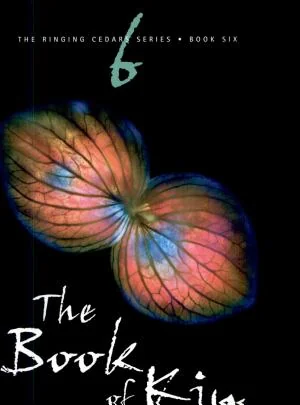
The Book of Kin
 81
81

The Book of Kin
Vladimir Megre's The Book of Kin positions Anastasia, a Siberian hermit, as a font of cosmic wisdom. The narrative, presented as a direct encounter with this extraordinary figure, offers a compelling critique of modern civilization's alienation from nature. Megre's strength lies in articulating a potent vision of ecological harmony and spiritual interconnectedness, a stark contrast to the consumerist ethos of the late 20th and early 21st centuries. However, the book's reception is complicated by its singular, almost messianic portrayal of Anastasia and its sometimes dogmatic pronouncements. The concept of 'kin domains,' while idealistic, lacks detailed practical implementation beyond broad strokes of agrarian utopia. The work's reliance on the author's personal testimony, rather than broader philosophical discourse, can feel limiting for those seeking rigorous intellectual engagement. Nevertheless, for readers receptive to its spiritual and ecological underpinnings, The Book of Kin provides a potent, albeit unconventional, alternative framework for understanding human purpose and planetary stewardship.
📝 Description
81
Vladimir Megre's The Book of Kin, first published around 2008, centers on the Siberian woman Anastasia.
The Book of Kin recounts narratives about Anastasia, a woman raised in the Siberian taiga. Her life story details a deep connection to nature and advanced ecological and spiritual knowledge. The book weaves together personal accounts, ecological ideas, and spiritual lessons. It proposes a different vision for how human society can interact with the Earth.
This work is for readers interested in alternative spirituality, ecological thought, and finding ways for humans to live in harmony with the planet. It speaks to those who want to grasp the links between all living things. It will also appeal to those questioning current social norms and looking into personal and group change. People open to indigenous knowledge, self-reliance, and a critique of modern consumerism may find this book resonates with them.
Emerging in post-Soviet Russia, a time of renewed interest in spiritual and indigenous traditions, The Book of Kin tapped into a desire for meaning suppressed during the Soviet era. It aligns with broader post-materialist movements that seek alternatives to dominant Western paradigms. The book's emphasis on nature, spiritual interconnectedness, and a critique of modern society places it within contemporary esoteric and New Age currents that look to indigenous wisdom and ecological harmony.
💡 Why Read This Book?
• Gain insight into the concept of 'kin domains,' understanding how Vladimir Megre proposes self-sustaining settlements can foster human connection and ecological balance, a vision distinct from contemporary urban planning. • Explore the significance of 'living seeds' and ancestral memory as presented through Anastasia's teachings, offering a unique perspective on generational wisdom and energetic potential. • Understand the critique of modern societal structures offered by the book, particularly its focus on the energetic connection between humans and nature, which challenges conventional materialistic viewpoints.
⭐ Reader Reviews
Honest opinions from readers who have explored this book.
❓ Frequently Asked Questions
When was The Book of Kin by Vladimir Megre first published?
The first iterations of Vladimir Megre's 'The Book of Kin' began appearing around 2008, though the series of books detailing Anastasia's story developed over several years prior to this.
What is the central message of Vladimir Megre's The Book of Kin?
The central message revolves around a radical re-establishment of humanity's connection with nature, advocating for a return to spiritual principles, ecological harmony, and the creation of self-sufficient communities known as 'kin domains'.
How many copies of The Book of Kin have been sold worldwide?
The Book of Kin series has achieved significant global reach, with over 10 million copies sold across 20 different languages.
What is Anastasia's role in The Book of Kin?
Anastasia is the central figure, a woman of extraordinary spiritual and ecological knowledge living in the Siberian taiga. She is presented as the primary source of the book's teachings on nature, consciousness, and societal transformation.
Does The Book of Kin offer practical advice for ecological living?
Yes, it proposes concepts like 'kin domains' and the use of 'living seeds,' offering a philosophical framework for ecological living and community building, though specific implementation details are often allegorical.
What is the 'kin' concept in Vladimir Megre's work?
The 'kin' concept extends beyond biological family, representing a profound energetic and conscious connection to all of life, the Earth, and the cosmos, forming the basis of harmonious existence.
🔮 Key Themes & Symbolism
Ecological Harmony
The work posits a deep, symbiotic relationship between humanity and the natural world, challenging the destructive patterns of modern industrial society. Anastasia's teachings emphasize understanding the energetic flows of nature, the importance of biodiversity, and the creation of 'kin domains' as models for sustainable living. This theme underscores a return to indigenous wisdom and a reverence for the Earth as a living entity, advocating for practices that nurture rather than exploit the environment.
Consciousness and Energetics
A central tenet is the transformative power of human consciousness and its energetic interaction with the cosmos. The book explores how focused intention, love, and connection can influence reality, particularly concerning 'living seeds' and their potential. It suggests that societal problems stem from a disconnect in consciousness, and healing requires a re-establishment of these energetic links, emphasizing personal responsibility and spiritual awareness.
Ancestral Memory and Lineage
The concept of 'kin' is deeply intertwined with ancestral memory and the wisdom passed down through generations. The book suggests that individuals carry a profound energetic imprint from their ancestors, and reconnecting with this lineage is crucial for personal and collective well-being. This theme highlights the importance of understanding one's roots and integrating past wisdom into present-day living, fostering a sense of belonging and continuity.
Societal Transformation
The Book of Kin presents a radical blueprint for societal change, moving away from materialistic, competitive structures towards cooperative, nature-aligned communities. It critiques existing systems of governance, education, and economics, proposing the 'kin domain' as an alternative model focused on individual fulfillment, ecological responsibility, and spiritual growth. This theme calls for a fundamental reevaluation of human values and societal organization.
💬 Memorable Quotes
Direct passages from the work, attributed to the author.
“The Earth is alive, and we are part of its living system.”
— This statement expresses the book's core ecological philosophy, asserting a non-dualistic relationship between humanity and the planet, where human well-being is intrinsically tied to the health and vitality of the Earth.
“True connection comes from understanding our energetic bond with all things.”
— This interpretation points to the concept of 'kin,' explaining that genuine relationships and societal harmony are built upon recognizing the subtle energetic ties that link all beings and elements.
“A kin domain is a space where humanity and nature flourish together.”
— This interpretation defines the utopian vision presented in the book, describing 'kin domains' as intentionally created environments that foster mutual growth and well-being for both humans and the natural world.
💡 Key Ideas
Editorial paraphrase of the work's core concepts — not direct quotes.
Our thoughts and feelings create our reality.
This paraphrase highlights the emphasis on the power of consciousness. It suggests that individual and collective mental states have a tangible impact on the world, advocating for mindful awareness and positive intention.
Ancestral memory holds the keys to our future.
This paraphrased concept underscores the importance of lineage and inherited wisdom. It suggests that by accessing and integrating the knowledge of our ancestors, we can find guidance for navigating present challenges and shaping a better future.
🌙 Esoteric Significance
Tradition
The Book of Kin draws heavily from animistic, indigenous, and nature-based spiritual traditions, diverging from more structured Western esoteric lineages like Hermeticism or Kabbalah. It emphasizes a direct, intuitive connection with the Earth and cosmic energies, reminiscent of shamanic practices and pantheistic philosophies. While it shares themes of universal interconnectedness with Theosophy, its approach is less theoretical and more focused on practical, embodied experience and the creation of harmonious living spaces.
Symbolism
Key symbols include the Siberian taiga itself, representing a pristine, untouched source of wisdom and natural power. 'Living seeds' are potent symbols of energetic potential and the power of focused intention, capable of manifesting desired realities. Anastasia, as a character, symbolizes the archetype of the enlightened, nature-attuned being, embodying wisdom that transcends conventional human knowledge and societal conditioning.
Modern Relevance
The Book of Kin's concepts, particularly 'kin domains' and the emphasis on ecological consciousness, continue to influence contemporary permaculture movements, eco-village initiatives, and alternative living communities. Thinkers and practitioners interested in radical ecological solutions, conscious living, and the integration of spirituality into daily life often reference Megre's work as a source of inspiration for building more sustainable and spiritually fulfilling societies.
👥 Who Should Read This Book
• Aspiring creators of intentional communities or eco-villages seeking philosophical frameworks for sustainable and spiritually aligned living. • Individuals interested in exploring alternative spiritual paths that emphasize a deep connection with nature and the Earth's energetic systems. • Readers critical of modern consumerist culture and seeking visions for societal transformation rooted in ecological harmony and ancestral wisdom.
📜 Historical Context
Vladimir Megre's The Book of Kin emerged in the post-Soviet field of the late 20th and early 21st centuries, a period characterized by a spiritual vacuum and a search for meaning following the collapse of communist ideology. This era saw a resurgence of interest in indigenous traditions, alternative spirituality, and ecological awareness, partly as a reaction against decades of enforced materialism. Megre's work tapped directly into this zeitgeist, offering a vision of nature-based spirituality and utopian community that resonated widely. While not directly engaging with specific academic movements, it paralleled the growing global environmentalist consciousness and New Age philosophies that emphasized interconnectedness and holistic living. The book's phenomenal international success, particularly its sales figures exceeding 10 million copies, indicates its wide impact on a global audience seeking alternatives to prevailing Western paradigms, positioning it as a significant cultural phenomenon of its time.
📔 Journal Prompts
Reflect on the concept of 'kin' beyond familial ties.
Consider the energetic potential of 'living seeds' in your own life.
Explore the wisdom Anastasia might impart about your local environment.
Imagine the structure and daily life within a 'kin domain'.
How can ancestral memory inform your present actions?
🗂️ Glossary
Kin
A concept extending beyond biological family to encompass a profound energetic and conscious connection with all living beings, the Earth, and the cosmos. It signifies interconnectedness and mutual belonging.
Anastasia
The central character in the book series, depicted as a woman of extraordinary spiritual and ecological knowledge living in the Siberian taiga, who shares profound teachings.
Kin Domain
A self-sufficient, ecologically balanced settlement designed for human flourishing, based on principles of harmony with nature and deep interpersonal connection, as envisioned by Anastasia.
Living Seeds
Seeds imbued with specific energetic intentions and qualities, believed to possess the potential to manifest desired outcomes in their growth and the environment they shape.
Siberian Taiga
The vast, remote boreal forest region of Siberia, serving as Anastasia's home and a symbol of pristine nature and ancient wisdom in the book.
Ancestral Memory
The idea that individuals carry energetic imprints and wisdom from their ancestors, which can be accessed and integrated for personal growth and guidance.
Energetic Connection
The subtle, invisible bonds and interactions between all elements of existence, emphasized as fundamental to understanding life and consciousness.
This book appears in 1 collection
🔮 Readers Also Liked
Browse all →









From the “Spiritualism” Collection
View all →





More Free Occult Philosophy Books
View all →