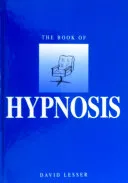
The Book of Hypnosis
 82
82

The Book of Hypnosis
David Lesser's The Book of Hypnosis offers a remarkably clear and structured exposition of hypnotherapy, particularly for those unfamiliar with its mechanics. The strength of this work lies in its methodical breakdown of hypnotic induction and therapeutic suggestion, presenting a logical framework that demystifies the process. Lesser avoids sensationalism, focusing instead on the practical application of accessing the subconscious for healing. A passage detailing the 'critical factor' and its role in hypnosis is particularly insightful, explaining how to bypass conscious resistance. However, the book's primary limitation is its singular focus on the Lesserian Curative Hypnotherapy model; while thorough, it offers less comparative analysis with other schools of hypnotic thought. The emphasis on a specific training lineage, while providing a clear path for some, might feel restrictive to others seeking broader perspectives. Still, for its intended audience and purpose as an introduction, it remains a solid, if specialized, resource.
📝 Description
82
Published in 1990, The Book of Hypnosis demystifies hypnotic phenomena for therapeutic use.
David Lesser's The Book of Hypnosis examines hypnotic states and their therapeutic applications. The work aims to present hypnosis as a logical force within consciousness, moving beyond its perception as mere entertainment. Lesser details methods for inducing hypnotic states and outlines techniques for curative hypnotherapy. The book emphasizes how clients can use their own internal resources for healing and self-understanding.
This text is for individuals interested in hypnosis for personal development or therapeutic purposes. It provides a theoretical basis and practical guidance for those training as Lesserian Curative Hypnotherapists. The book also offers a logical introduction to hypnotherapy's benefits for people experiencing psychological distress or seeking alternative treatments.
Published in 1990, The Book of Hypnosis emerged during a time when psychotherapeutic techniques were being reevaluated. Lesser's work fits within traditions that explore accessing deeper mental levels, distinct from stage hypnosis. It offers a structured approach to understanding the mind, aligning with practices that view the subconscious as a powerful, accessible aspect of human experience.
💡 Why Read This Book?
• Understand the logical structure of hypnotic suggestion, learning how to work with the 'critical factor' of the mind as detailed in the book's early chapters, which is essential for effective therapeutic work. • Gain practical insight into the Lesserian Curative Hypnotherapy method, allowing you to evaluate its efficacy and distinguish it from other therapeutic approaches discussed implicitly in its structured techniques. • Explore the concept of the subconscious mind not as a mystical void but as a functional part of human psychology, as Lesser systematically explains its role in healing and personal change.
⭐ Reader Reviews
Honest opinions from readers who have explored this book.
❓ Frequently Asked Questions
What is the primary goal of The Book of Hypnosis?
The primary goal is to present hypnosis as a logical and effective therapeutic tool, demystifying its processes and enabling readers to understand the power of the subconscious mind for healing.
Who developed the Lesserian Curative Hypnotherapy method mentioned in the book?
The Lesserian Curative Hypnotherapy method was developed by David Lesser, the author of The Book of Hypnosis, which serves as a foundational text for this specific approach.
When was The Book of Hypnosis first published?
The Book of Hypnosis was first published on March 15, 1990, positioning it within the late 20th-century discourse on psychotherapy and the mind.
Is this book suitable for complete beginners to hypnosis?
Yes, the book is designed as a foremost introduction, aiming to provide a clear and logical understanding for those new to the subject, whether seeking treatment or training.
What distinguishes Lesserian Curative Hypnotherapy from other hypnotic techniques?
While the book focuses on the Lesserian method, it emphasizes a structured, logical approach to accessing the subconscious for therapeutic outcomes, differentiating it from more generalized or stage-hypnosis applications.
Does the book discuss the scientific basis of hypnosis?
The book emphasizes the 'beautiful logicality' of the subconscious, presenting a functional and therapeutic understanding rather than a purely scientific or neurobiological one, focusing on observable effects and principles.
🔮 Key Themes & Symbolism
The Logical Subconscious
Lesser posits the subconscious not as an irrational realm but as a fundamentally logical system that governs much of our behavior and well-being. The book details how this logic can be understood and addressed therapeutically. It challenges the notion of the subconscious as merely a repository of repressed emotions, framing it instead as an active, responsive part of the psyche that operates according to its own internal rules, which can be accessed and guided through hypnosis.
Curative Hypnotherapy Principles
This theme centers on the application of hypnosis specifically for therapeutic purposes, as developed by David Lesser. The focus is on 'curative' aspects, suggesting that hypnosis can facilitate healing from psychological and psychosomatic ailments. The book outlines the systematic approach required, emphasizing the therapist's role in guiding the client to access their own internal resources for resolution and recovery, moving beyond symptom management to address underlying causes.
Clarifying Hypnotic States
A core aim of the book is to clarify the state of hypnosis, presenting it as a natural, albeit altered, state of consciousness accessible to most individuals. Lesser breaks down the process of induction and deepening, making it understandable and less intimidating. The emphasis is on the logical progression of techniques and the client's active participation, dispelling myths of mind control or passive vulnerability often associated with public perceptions of hypnosis.
The Role of Suggestion
The book thoroughly examines the power and application of suggestion within the hypnotic context. It differentiates between various types of suggestions and explores how they are most effectively delivered to influence the subconscious mind constructively. Lesser’s approach highlights how well-crafted suggestions, delivered within a therapeutic rapport, can guide the client towards desired changes and resolutions, forming a core part of the curative process.
💬 Memorable Quotes
Direct passages from the work, attributed to the author.
“The subconscious mind possesses a beautiful logicality.”
— This highlights Lesser's central thesis: that the subconscious is not chaotic but follows its own rational principles, making it accessible and amenable to therapeutic intervention through hypnosis.
“Hypnosis remains the foremost introduction to those seeking treatment or wishing to become a Lesserian Curative Hypnotherapist.”
— This statement positions the book as a foundational text, emphasizing its dual utility for both potential clients and aspiring practitioners within Lesser's specific therapeutic framework.
“The therapy continues to advance, this book is still the best publication available.”
— This interpretation suggests that despite ongoing developments in the field, Lesser's work retains its value as a premier resource for grasping the core principles and applications of hypnosis.
“Enabling people to realize the amazing power and beautiful logicality of the subconscious.”
— This interpretation emphasizes the book's empowering aim: to guide readers toward recognizing and utilizing the inherent capabilities and rational structure of their own subconscious minds.
💡 Key Ideas
Editorial paraphrase of the work's core concepts — not direct quotes.
Understanding the amazing power of the subconscious.
This paraphrased concept underscores the book's focus on revealing the vast, often untapped, potential residing within the subconscious mind, particularly in relation to personal growth and healing.
🌙 Esoteric Significance
Tradition
While not overtly aligned with a specific historical esoteric lineage like Hermeticism or Kabbalah, The Book of Hypnosis engages with the broader esoteric interest in the nature of consciousness and the hidden potentials of the human mind. It fits within the tradition of Western psychological esotericism that emerged in the late 19th and 20th centuries, focusing on inner exploration and self-transformation through understanding subtle psychological mechanisms. Lesser's emphasis on the 'logicality' of the subconscious can be seen as an attempt to rationalize and systematize what other traditions might approach through symbolism or direct mystical experience.
Symbolism
The primary 'symbol' within the book is the subconscious itself, presented not as a dark abyss but as a structured, logical system. The 'critical factor' of the conscious mind acts as a gatekeeper, a symbolic representation of ego defenses that hypnosis seeks to navigate. The therapeutic process itself can be viewed as symbolic, representing a journey inward to confront and integrate aspects of the self, leading to a symbolic rebirth or healing of the psyche.
Modern Relevance
Lesser's methodical approach to hypnotherapy continues to inform practitioners interested in structured therapeutic techniques. Contemporary therapists and coaches who focus on cognitive reframing, subconscious reprogramming, and rapid personal change often draw upon principles similar to those outlined in The Book of Hypnosis. Its emphasis on the inherent logic of the mind appeals to modern neuro-linguistic programming (NLP) and other psychological modalities that seek to understand and modify mental processes through precise language and structured interventions.
👥 Who Should Read This Book
• Aspiring Lesserian Curative Hypnotherapists seeking foundational knowledge and a clear training path, as the book serves as the foremost introduction to their methodology. • Individuals interested in understanding the mechanics of hypnosis beyond stage demonstrations, wanting to explore its therapeutic potential for personal healing or self-improvement. • Psychotherapy students and practitioners looking to expand their knowledge base with a structured, logical approach to accessing and working with the subconscious mind.
📜 Historical Context
Published in March 1990, David Lesser's The Book of Hypnosis arrived in a landscape where psychotherapy was diversifying, moving beyond the dominance of Freudian psychoanalysis and the rise of cognitive-behavioral therapies. Hypnosis, while having a long history with figures like Franz Mesmer and later Milton H. Erickson, often struggled for mainstream acceptance, frequently relegated to stage shows or dismissed as fringe practice. Lesser's work emerged as part of a continued effort to establish hypnotherapy as a legitimate and logical therapeutic modality. It contributed to a lineage of thought that viewed the mind's deeper layers as accessible and amenable to structured intervention. While Erickson's more indirect and permissive approach gained prominence, Lesser's book offered a more direct, logical, and structured methodology, particularly for those seeking formal training in his Lesserian Curative Hypnotherapy model. The book’s reception was likely within specialized therapeutic and esoteric communities, aiming to solidify the understanding of hypnosis as a powerful, logical tool for healing.
📔 Journal Prompts
The concept of the subconscious mind's 'beautiful logicality' as presented by Lesser.
Initial hypnotic induction techniques and their underlying psychological principles.
The function of the 'critical factor' in blocking or allowing suggestions.
Specific applications of suggestion for therapeutic outcomes.
The distinction between Lesserian Curative Hypnotherapy and other hypnotic practices.
🗂️ Glossary
Subconscious Mind
The part of the mind below conscious awareness that influences thoughts, feelings, and behaviors. Lesser emphasizes its logical structure and therapeutic potential.
Curative Hypnotherapy
A therapeutic approach utilizing hypnosis to address and resolve psychological and psychosomatic issues, aiming for healing rather than mere symptom management.
Lesserian Curative Hypnotherapist
A practitioner trained specifically in the methods and principles of hypnotherapy developed by David Lesser.
Critical Factor
The conscious, analytical part of the mind that evaluates information and can resist suggestions; hypnosis aims to bypass or work with this factor.
Suggestion
An idea or proposition put forward to the subconscious mind, intended to influence thoughts, feelings, or actions.
Induction
The process of guiding an individual into a state of hypnosis, typically through relaxation techniques and focused attention.
Rapport
A harmonious relationship characterized by mutual understanding and trust, essential for effective hypnotic work between therapist and client.