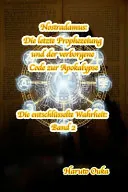
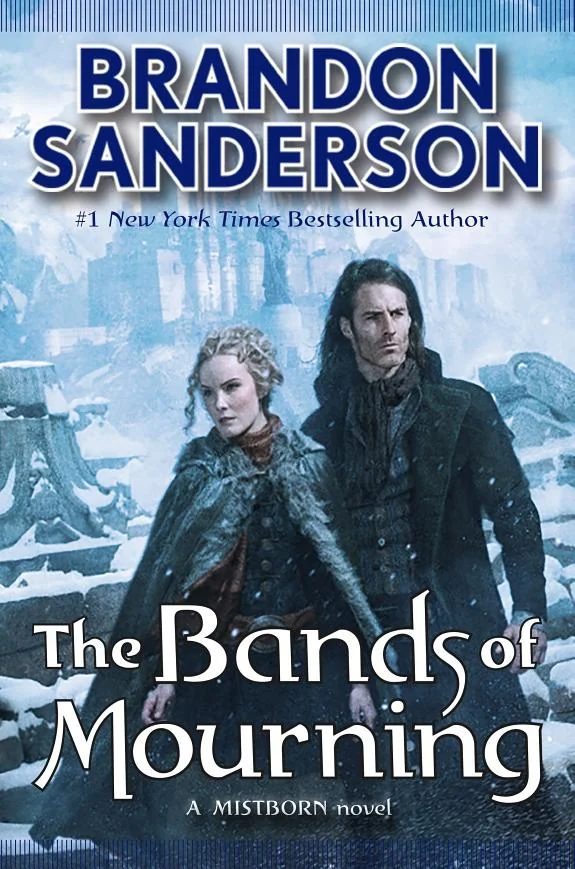
The Bands of Mourning
 75
75

The Bands of Mourning
Brandon Sanderson's approach to concluding arcs within a larger narrative is often a point of contention, and *The Bands of Mourning* exemplifies this. The novel successfully advances the overarching plot of The Stormlight Archive, particularly concerning the recovery and implications of the Bands themselves. The exploration of Kaladin's struggles with leadership and his internal conflicts remains a compelling anchor. However, the narrative pacing can feel somewhat uneven, with certain subplots meandering while critical revelations are sometimes delivered with less impact than their significance warrants. A particular strength lies in the intricate unraveling of lore surrounding the ancient Heralds and their associated Orders. A notable limitation is the occasional tendency for exposition to slow the momentum, particularly in sections detailing the history of the Bands. Despite these points, the book delivers a satisfying, albeit complex, chapter in this expansive saga, leaving readers eager for the next installment.
📝 Description
75
Published in 2016, The Bands of Mourning continues the epic fantasy of Roshar.
The fifth novel in Brandon Sanderson's Stormlight Archive, The Bands of Mourning, details the escalating conflict on Roshar. The story centers on the recovery and understanding of powerful artifacts known as the Bands of Mourning, which possess significant historical weight and the potential to alter the world. Readers will find a narrative that blends political maneuvering, personal trials, and large-scale magical events, all occurring against a backdrop of societal unrest.
This novel is intended for readers already invested in The Stormlight Archive, particularly those who have followed its complex plots and character arcs. It appeals to fans of high fantasy who value detailed world-building, elaborate magic systems, and stories that balance individual character journeys with sweeping conflicts. Those interested in examining themes of societal collapse, the pressures of leadership, and how past events influence the present will discover ample material. The intricate plotting and the sense of a vast, unfolding mystery will hold their attention.
While not explicitly occult, The Bands of Mourning engages with concepts common in esoteric traditions through its exploration of ancient artifacts and their influence. The "Bands of Mourning" themselves function as relics of immense power, hinting at lost knowledge and forgotten civilizations. The narrative's focus on uncovering and understanding these objects, and the potential consequences of their misuse or reawakening, mirrors esoteric quests for hidden truths and the mastery of forgotten forces. The book's cosmology and the personal transformations its characters undergo in response to these powers also echo themes of spiritual or magical development found in various esoteric schools.
💡 Why Read This Book?
• Gain insight into the mechanics of Surgebinding, the unique magic system of Roshar, and how its practitioners, like the Knights Radiant, wield elemental forces to shape their world. • Understand the historical weight of the Bands of Mourning, a specific artifact whose discovery and use directly impacts the political landscape and the potential end of the Desolations. • Experience the intricate character development of Kaladin Stormblessed, observing his personal battles with trauma and leadership against the backdrop of Rosharan society's deep-seated societal issues.
⭐ Reader Reviews
Honest opinions from readers who have explored this book.
❓ Frequently Asked Questions
What are the Bands of Mourning in Brandon Sanderson's The Stormlight Archive?
The Bands of Mourning are ancient, powerful artifacts that are a central mystery and plot device in the book. They are believed to have been worn by a legendary figure and possess abilities crucial to the world's ongoing conflicts.
When was The Bands of Mourning published?
The novel The Bands of Mourning was first published in 2016, making it the fifth installment in the ongoing epic fantasy series, The Stormlight Archive.
Who are the main characters featured in The Bands of Mourning?
While the entire cast plays a role, key characters driving the plot include Kaladin Stormblessed, Shallan Davar, Dalinar Kholin, and Szeth-son-son-Vallano, each facing their own trials and contributing to the overarching narrative.
What is the significance of the Knights Radiant in this book?
The Knights Radiant and their powers, Surgebinding, are increasingly central. The Bands of Mourning are intrinsically linked to their history and potential return, making their role critical to understanding the world's future.
Does The Bands of Mourning conclude any major plotlines from previous books?
While it resolves some immediate conflicts and advances character arcs, The Bands of Mourning is part of a larger narrative. It provides significant developments but ultimately sets the stage for future installments in The Stormlight Archive.
What kind of world-building can I expect in The Bands of Mourning?
Readers can expect deep, intricate world-building characteristic of Brandon Sanderson. The novel expands on the unique flora, fauna, societal structures, and the history of Roshar, including its cataclysmic Desolations.
🔮 Key Themes & Symbolism
The Burden of the Past
The novel deeply explores how historical events and forgotten powers, like the Bands of Mourning, continue to shape the present. Characters grapple with legacies they did not create, facing ancient threats that resurface due to past actions or unresolved conflicts. The narrative emphasizes that understanding history is not merely academic but essential for survival and progress, particularly concerning the cycle of Desolations and the role of the Heralds. This theme is vital for characters trying to navigate a world built on layers of forgotten lore and catastrophic past events.
Leadership and Responsibility
Leadership is depicted not as a position of power but as a profound responsibility, often fraught with personal sacrifice and moral compromise. Characters like Dalinar Kholin and Kaladin Stormblessed are tested repeatedly, facing impossible choices that weigh on their consciences. The novel examines the psychological toll of leadership, the struggle to inspire trust, and the difficulty of uniting disparate factions against existential threats. It questions what it truly means to lead when faced with overwhelming odds and the weight of past failures.
Societal Hierarchies and Oppression
The book critically examines the rigid social structures of Roshar, particularly the subjugation of certain groups, such as the Parshendi and Listeners. It highlights the dehumanizing effects of slavery and ingrained prejudice, forcing characters to confront their own complicity or challenge the established order. The narrative explores the complexities of cultural misunderstanding and the potential for empathy and reconciliation, even between long-standing adversaries. This theme underscores the human cost of conflict and the fight for liberation and equality.
Personal Trauma and Healing
Several characters, most notably Kaladin, confront deep-seated psychological trauma stemming from war, loss, and personal failures. The novel portrays the ongoing struggle for mental and emotional healing, the impact of PTSD, and the search for purpose amidst despair. It suggests that true strength lies not in the absence of pain but in the ability to persevere and find meaning despite it. The pursuit of recovery is depicted as an arduous but necessary path toward self-mastery and the capacity to protect others.
💬 Memorable Quotes
Direct passages from the work, attributed to the author.
“The greatest betrayal is the betrayal of oneself.”
— This sentiment, often echoed by characters facing internal conflict, speaks to the importance of maintaining personal integrity and conviction, even when external pressures or personal doubts arise. It suggests that true strength comes from aligning one's actions with one's core values.
“The past is a lesson, not a prison.”
— This idea highlights the potential for growth and learning from historical events and personal experiences. It encourages viewing past challenges as opportunities for wisdom and change, rather than insurmountable obstacles that define one's future.
“Sometimes a ruler must be cruel to be kind.”
— This reflects the difficult ethical dilemmas faced by leaders. It suggests that in certain extreme circumstances, harsh or seemingly unjust actions may be necessary for the greater good or long-term survival of a people.
“Even the smallest light can push back the dark.”
— This aphorism speaks to the power of hope, resilience, and individual action. It conveys the message that even in the most dire situations, a single act of courage or a flicker of optimism can make a significant difference.
💡 Key Ideas
Editorial paraphrase of the work's core concepts — not direct quotes.
Life is about more than just surviving.
This quote emphasizes the need for purpose and meaning beyond mere existence. It implies that true living involves striving for something greater, contributing to others, or pursuing ideals, rather than simply enduring hardship.
🌙 Esoteric Significance
Tradition
While not explicitly tied to a single historical esoteric tradition, The Stormlight Archive, and by extension The Bands of Mourning, draws heavily on archetypal patterns found in Gnostic and Hermetic thought. Concepts like cyclical destruction (Desolations mirroring Gnostic Aeons or cycles), the search for lost divine knowledge (the Bands), and the inherent duality of spirit and matter are present. The 'Radiants' and their Surgebinding can be seen as embodying the Hermetic ideal of 'As Above, So Below,' manipulating universal forces through disciplined will and understanding. The narrative's emphasis on personal enlightenment and overcoming inner darkness also aligns with mystical paths.
Symbolism
The 'Bands of Mourning' themselves function as a potent symbol of lost divine power or ancient covenant, representing a forgotten connection to a higher state or a past golden age. The 'Knights Radiant' and their associated spren embody the union of the spiritual (spren) and the material (human), a core concept in many esoteric systems. The very act of 'Surgebinding' symbolizes the mastery of elemental forces, akin to alchemical or magical manipulation, achieved through focused intent and spiritual discipline. The 'Desolations' represent cosmic cycles of destruction and rebirth, a recurring motif in mythologies and esoteric cosmologies.
Modern Relevance
Contemporary thinkers and practitioners of modern magical and philosophical systems find resonance in Sanderson's work. The exploration of mental discipline, the connection between emotional states and external power (Surgebinding), and the quest for self-mastery echo principles found in modern occultism and psychological approaches to spirituality. The series' nuanced portrayal of societal structures and the impact of historical trauma also appeals to those interested in socio-political commentary within fantastical frameworks, offering allegorical depth for discussions on power, justice, and collective healing.
👥 Who Should Read This Book
• Fans of intricate magic systems and detailed world-building seeking to understand the mechanics of Surgebinding and the history of Roshar. • Readers interested in exploring themes of leadership, responsibility, and the psychological impact of war and trauma through compelling character arcs. • Enthusiasts of epic fantasy who appreciate a narrative that balances grand-scale conflict with personal journeys and complex moral dilemmas.
📜 Historical Context
The Bands of Mourning, published in 2016, emerged during a vibrant period for epic fantasy, with Brandon Sanderson solidifying his reputation following his work on Robert Jordan's *The Wheel of Time* and the successful launch of his own Stormlight Archive series. By 2016, Sanderson was already a major figure, known for his meticulously crafted magic systems and expansive world-building. The Stormlight Archive, which began in 2010, had built significant momentum, positioning itself as a flagship series in the genre. Its intricate lore and character-driven narratives offered a distinct alternative to other contemporary fantasy epics. The novel's release was met with considerable anticipation from a dedicated fanbase eager for further developments in Roshar's complex history and the unfolding prophecy of the Desolations. Its success contributed to the ongoing discourse about modern fantasy's capacity for grand scope and intricate plotting, standing alongside works by authors like George R.R. Martin and Patrick Rothfuss.
📔 Journal Prompts
The nature of the Bands of Mourning as a symbol of lost power.
Kaladin's internal struggle with leadership and his oaths.
The cyclical nature of the Desolations and their impact on Rosharan society.
Shallan's fractured identity and her search for truth.
The ethical implications of Surgebinding and its wielder's responsibilities.
🗂️ Glossary
Bands of Mourning
Legendary, powerful artifacts that are central to the plot, holding immense historical significance and potential for world-altering abilities.
Knights Radiant
An ancient order of individuals who bonded with spren and wielded Surgebinding powers. Their return is a key element of the ongoing narrative.
Surgebinding
The primary magic system of Roshar, involving the manipulation of fundamental forces (Surges) through bonds with spren.
Spren
Sentient, magical beings native to Roshar, often embodying abstract concepts or natural phenomena, which bond with humans to grant Surgebinding abilities.
Desolations
Cataclysmic, cyclical events in Roshar's history that involve invasions and widespread destruction, often linked to the Voidbringers.
Listeners
A sapient species on Roshar, distinct from humans, with a complex culture and history intertwined with the Desolations and the Voidbringers.
Heralds
Ancient, near-immortal beings who were instrumental in the original fight against the Voidbringers and established the Knights Radiant.
🔮 Readers Also Liked
Browse all →








More by Brandon Sanderson
All books →



More Free Occult Philosophy Books
View all →