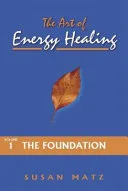
The Art of Energy Healing
 79
79

The Art of Energy Healing
Susan Matz’s "The Art of Energy Healing" offers a clear, if somewhat introductory, primer on its subject. The strength of this 2005 work lies in its systematic approach to explaining what can often feel abstract. Matz’s description of the Energy System, detailing its various components without succumbing to overly dense jargon, is particularly effective for newcomers. However, the book’s primary limitation is its introductory nature; readers with existing knowledge of energy modalities might find the concepts familiar and lacking deeper exploration. A passage discussing the interaction between consciousness and the Energy System, while well-intentioned, could benefit from more concrete examples to illustrate the practical application of this principle. Ultimately, "The Art of Energy Healing" functions well as a foundational text but may not satisfy those seeking advanced techniques or nuanced theoretical discussions.
📝 Description
79
Susan Matz published "The Art of Energy Healing" in 2005 as an accessible introduction to energy work.
This book serves as an accessible entry point into the field of energy work. It is the first in a nine-part series, intended for people beginning their personal healing paths or those wanting to understand how healing works. The book addresses two main groups: individuals interested in becoming healers and those seeking personal restoration and self-awareness. It requires no prior knowledge, guiding readers through initial self-exploration steps vital for any practitioner. It also covers fundamental concepts for recipients of energy work, helping them engage with greater awareness. The work introduces basic principles of energy healing systems. It maps out the human energy system, often seen as subtle bodies and energetic centers, and explains consciousness's interaction with this system. The focus is on creating a basic framework for recognizing how energetic imbalances appear and how they can be approached with focused intent and practice.
Published in 2005, "The Art of Energy Healing" appeared during a time of growing interest in alternative therapies. While not directly linked to ancient traditions, it reflects a modern esoteric tendency to combine psychological ideas with spiritual and energetic concepts. This synthesis aligns with a broader cultural move toward holistic wellness that grew in the late 20th century.
💡 Why Read This Book?
• Gain a foundational understanding of the human Energy System, including concepts like levels of consciousness, as presented in Matz's 2005 work, which provides a structured framework for personal energetic awareness. • Learn the initial steps of self-exploration essential for anyone considering a path in healing, as detailed in the early chapters of "The Art of Energy Healing." • Discover the general principles of Energy Healing, understanding how intention and awareness can interact with subtle energetic fields, a core tenet explored throughout the book.
⭐ Reader Reviews
Honest opinions from readers who have explored this book.
❓ Frequently Asked Questions
What is the primary focus of Susan Matz's 'The Art of Energy Healing'?
The book focuses on introducing the concepts of consciousness levels and the human Energy System, serving as a foundational text for understanding energy healing principles and self-exploration for both healers and those seeking healing.
When was 'The Art of Energy Healing' first published and why is this significant?
First published in 2005, its release coincided with a growing public interest in holistic health and alternative therapies, positioning it as an accessible entry point into esoteric concepts for a modern audience.
Who is the intended audience for this book?
The book is aimed at individuals beginning their journey as healers and anyone seeking to understand the process of being healed, emphasizing self-exploration as a crucial component.
Does 'The Art of Energy Healing' cover advanced energy healing techniques?
No, as the first volume in a series, it primarily functions as an introduction, covering general content related to Energy Healing and basic energetic concepts rather than advanced methods.
What is the 'Energy System' as described in the book?
The 'Energy System' refers to the subtle energetic anatomy of a person, often encompassing various energetic centers and fields, which the book explains as interacting with consciousness.
How does this book relate to other esoteric literature from the early 2000s?
It aligns with the broader esoteric and New Age movements of the time, synthesizing psychological concepts with energetic and spiritual ideas, though it presents its material in a more structured, less mystical tone than some contemporaries.
🔮 Key Themes & Symbolism
The Human Energy System
This theme explores the intricate energetic architecture of the human being, moving beyond the physical form. Matz introduces the concept of a subtle body, often visualized as an energetic field or matrix that permeates and extends beyond the physical. The work delineates various components of this system, laying the groundwork for understanding how energy flows, becomes blocked, or can be harmonized. It emphasizes that this system is not static but dynamic, constantly interacting with our thoughts, emotions, and environment, making it central to both well-being and the practice of healing.
Levels of Consciousness
Central to Matz's approach is the understanding that human experience operates on multiple planes of awareness. This theme examines the idea that consciousness is not monolithic but exists in a spectrum of densities and vibrations. The book outlines these different levels, suggesting that our perception, emotional states, and energetic vitality are directly influenced by the level of consciousness we inhabit or access. Recognizing these levels is presented as a key to self-awareness and a prerequisite for effective energy work, allowing practitioners and individuals to target specific states for healing.
Self-Exploration as Healing
This theme posits that the journey toward healing, whether for oneself or others, is intrinsically linked to deep self-inquiry. Matz positions self-exploration not as a secondary aspect but as the very foundation of true healing. It involves a conscious engagement with one's inner landscape—thoughts, feelings, beliefs, and energetic patterns. The book encourages readers to undertake this introspective process, viewing it as essential for identifying energetic blockages, understanding personal patterns, and cultivating the awareness necessary to facilitate genuine transformation and wholeness.
The Healer-Patient Dynamic
The book addresses the interconnectedness between the person offering healing and the person receiving it. It outlines the responsibilities and energetic considerations for both roles. For the healer, it emphasizes the importance of their own energetic integrity, clarity of intention, and self-awareness. For the patient, it highlights the role of receptivity, openness, and conscious participation in their own healing process. This theme underscores that effective energy healing is a collaborative endeavor, requiring mutual understanding and energetic attunement.
💬 Memorable Quotes
Direct passages from the work, attributed to the author.
“Self-exploration is the journey of any true Healer and every person who seeks to be healed.”
— This statement expresses the book's core philosophy, asserting that the path to wellness, regardless of role, is paved with introspection. It links the healer's development directly to their capacity for self-understanding and the patient's recovery to their willingness to look inward.
“The first title in this nine-volume series is an introduction to the levels of consciousness, the Energy System and general content related to Energy Healing.”
— This blurb highlights the book's foundational role within Matz's larger work. It signals that readers are starting a systematic exploration, beginning with fundamental concepts before progressing to more complex applications across subsequent volumes.
“The Energy System is not merely a collection of energetic points, but a dynamic, interconnected network.”
— This interpretation emphasizes the holistic view of the body's energetic structure. It suggests that understanding energy healing requires appreciating the flow and interplay between different energetic components, rather than viewing them in isolation.
“Understanding the levels of consciousness is key to grasping the nuances of energy work.”
— This interpretation points to the interconnectedness of mental states and energetic phenomena. It suggests that one's awareness and perception directly influence or are influenced by their energetic field and the effectiveness of healing modalities.
💡 Key Ideas
Editorial paraphrase of the work's core concepts — not direct quotes.
Every person who seeks to be healed must engage in self-exploration.
This paraphrased concept stresses the active role of the individual in their own healing journey. It implies that passive reception is insufficient; genuine healing necessitates conscious internal work and self-awareness.
🌙 Esoteric Significance
Tradition
This work aligns with contemporary esoteric and New Age traditions that synthesize various spiritual and psychological concepts into a cohesive system for personal development and healing. While not strictly adhering to a single ancient lineage like Hermeticism or Kabbalah, it draws upon the modern esoteric understanding of subtle energy fields and consciousness that permeated spiritual thought in the late 20th and early 21st centuries. It represents a secularized, accessible interpretation of these ideas, focusing on practical application for a broad audience.
Symbolism
While "The Art of Energy Healing" is more conceptual than symbolic, the 'Energy System' itself functions as a key motif. It is often visualized metaphorically as a network or a map of subtle energetic pathways and centers (like chakras, though perhaps not explicitly named in this introductory volume). The concept of 'levels of consciousness' can also be seen as symbolic, representing different states of being or awareness, akin to ascending or descending planes of existence explored in various mystical traditions. These motifs serve to structure the reader's understanding of unseen forces.
Modern Relevance
Matz's foundational work continues to be relevant for contemporary practitioners and students exploring energy healing modalities. Modern schools of thought in energy psychology, somatic experiencing, and integrated energy therapy often echo the principles of interconnected energetic systems and the role of consciousness that Matz outlines. Thinkers and practitioners focused on biofield therapies and consciousness studies find value in its clear articulation of fundamental concepts, making it a reference point for those seeking to understand the historical development of these practices.
👥 Who Should Read This Book
['• Aspiring energy healers seeking an introductory text to understand the theoretical underpinnings and ethical considerations of the practice.', '• Individuals interested in holistic health and personal development who wish to explore the connection between consciousness and physical well-being.', '• Therapists and counselors looking to broaden their understanding of subtle energy dynamics and their impact on mental and emotional states.']
📜 Historical Context
Published in 2005, "The Art of Energy Healing" emerged during a period of significant growth in the New Age and alternative health movements. The early 21st century saw a cultural embrace of holistic wellness, complementary therapies, and spiritual exploration, partly influenced by earlier waves of interest sparked by figures like Helena Blavatsky and the Theosophical Society in the late 19th century. Matz's work fits within this milieu, synthesizing concepts of subtle energy, consciousness, and self-healing that were becoming increasingly mainstream. While not directly engaging with established academic fields, it reflected a broader societal trend towards exploring non-material aspects of health and well-being, often drawing parallels with psychological concepts of self-awareness and personal development. It offered a structured approach to subjects that, at the time, were also being explored by authors in fields like Reiki, therapeutic touch, and various forms of mind-body medicine, presenting a more generalized framework.
📔 Journal Prompts
The fundamental role of self-exploration in the journey of a Healer.
Your current understanding of the Energy System and its potential blockages.
How different levels of consciousness might influence your daily experiences.
The initial steps required for someone seeking to be healed.
The relationship between intention and energetic flow in healing practices.
🗂️ Glossary
Energy System
The complex network of subtle energetic fields, centers, and pathways within and around the human body, believed to influence physical, emotional, and mental well-being.
Levels of Consciousness
Different states or planes of awareness that individuals can experience, ranging from basic physical awareness to higher spiritual or intuitive states.
Self-Exploration
The process of introspective inquiry into one's own thoughts, emotions, beliefs, and energetic patterns as a means of self-understanding and personal growth.
Healer
An individual who engages in practices aimed at restoring balance and promoting well-being in others, often through energetic or spiritual means.
Patient
An individual who is seeking or receiving healing or assistance for a health concern, actively participating in their own process of recovery.
General Content
The broad, introductory information presented on a subject, typically covering fundamental principles and concepts without deep specialization.
Energy Healing
A broad category of practices that involve the manipulation or balancing of subtle energies within and around the body to promote health and well-being.