Chakras Easy Guide for Beginners
 71
71

Chakras Easy Guide for Beginners
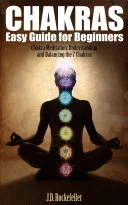
J.D. Rockefeller’s 2014 work, "Chakras Easy Guide for Beginners," offers a straightforward primer on the body’s energy centers. Its primary strength lies in its clarity, presenting complex concepts without overwhelming neophytes. The description of the chakras as "life current energy" that "spirals through our bodies grounding us to the Earth plane" is a particularly effective analogy for illustrating their dynamic and grounding function. However, the book occasionally feels too generalized, lacking the depth that might satisfy those already familiar with yogic philosophy. For instance, while it correctly identifies the colors and locations, it could benefit from more nuanced discussion on how specific imbalances manifest beyond general statements about physical and spiritual wellbeing. The 2014 publication date places it squarely within a period of popularization for such topics. Ultimately, it serves its purpose as an introductory text, laying a clear foundation for further study.
📝 Description
71
Published in 2014, J.D. Rockefeller's guide simplifies the seven primary chakras for a modern audience.
This book introduces the seven main chakras, energy centers found in yogic and Tantric traditions. It maps their locations in the body, from the spine's base to the head's crown, and connects each center to specific colors and symbolic meanings. The text explains how these energy points act as channels for vital life force, affecting physical health, emotional balance, and spiritual awareness. It details the spiraling movement of this energy, noting its role in grounding individuals. The book describes how these energy centers absorb and process external energies, adapting them for use throughout the subtle body. Readers will understand how these energy points are interconnected and influence overall well-being. The primary goal is to give readers a working knowledge of their internal energy system. By recognizing the chakras and their attributes, individuals can begin to see how imbalances appear and how focused attention or specific practices can bring harmony.
Emerging within a renewed interest in Eastern philosophies in 2014, this book enters Western esoteric circles. It acts as a simplified entry point to concepts historically discussed in texts such as the Upanishads and various yogic manuals. The work aims to make these ancient ideas accessible to contemporary readers seeking to understand energy work and mind-body-spirit integration.
💡 Why Read This Book?
• Gain a clear understanding of the seven main chakras, their locations, and associated colors as detailed in "Chakras Easy Guide for Beginners," providing a foundational map of your subtle energetic anatomy. • Learn the concept of "life current energy" as it spirals through the body, a key idea introduced in the book, to grasp how these energy centers ground you to the Earth plane. • Discover how the chakras relate to your physical and spiritual wellbeing, offering practical awareness that can inform personal health practices, as explored in the 2014 publication.
⭐ Reader Reviews
Honest opinions from readers who have explored this book.
❓ Frequently Asked Questions
What are the main 7 chakras and where are they located?
The book details seven primary chakras: Muladhara (root, base of spine), Svadhisthana (sacral, lower abdomen), Manipura (solar plexus, upper abdomen), Anahata (heart, center of chest), Vishuddha (throat, neck), Ajna (third eye, forehead), and Sahasrara (crown, top of head). These are energy centers along the spine.
What colors are associated with each chakra?
Each of the seven main chakras is linked to a specific color spectrum. Typically, these range from red for the root chakra, orange for the sacral, yellow for the solar plexus, green for the heart, blue for the throat, indigo for the third eye, and violet or white for the crown chakra.
How do chakras affect physical and spiritual wellbeing?
According to the guide, balanced chakras allow the "life current energy" to flow freely, promoting physical vitality and emotional equilibrium. Blockages or imbalances in these energy points can manifest as physical ailments or emotional distress, impacting spiritual connection.
What does it mean for chakras to ground us to the Earth plane?
The book explains that the chakras, particularly the lower ones like the root chakra, act as energetic anchors connecting us to the physical world and its sustaining energies. This grounding is crucial for stability, security, and presence.
Is this book suitable for someone with no prior knowledge of chakras?
Yes, "Chakras Easy Guide for Beginners" is specifically designed for novices. It breaks down the core functions, locations, and significance of the main seven chakras in simple terms, avoiding overly technical jargon.
When was 'Chakras Easy Guide for Beginners' first published?
The book "Chakras Easy Guide for Beginners" by J.D. Rockefeller was first published on August 2, 2014, making it a relatively recent introduction to the topic.
🔮 Key Themes & Symbolism
The Seven Primary Chakras
This work centers on the seven primary chakras, viewed as vital energy vortexes within the human energetic system. Each is assigned a specific location, color, and set of associations related to physical and psychological functions. The book explains their hierarchical arrangement from the base of the spine (Muladhara) to the crown of the head (Sahasrara), detailing how each center influences different aspects of our existence and spiritual development.
Life Current Energy Flow
A central concept is the 'life current energy,' described as a spiraling force that moves through the chakras. This energy is vital for maintaining health and consciousness. The book emphasizes how this current grounds us to the Earth plane, drawing in and processing universal energies. Understanding this flow is presented as key to recognizing energetic blockages and promoting holistic well-being.
Physical and Spiritual Interconnection
The guide posits a direct link between the state of the chakras and one's overall physical and spiritual condition. It suggests that imbalances in these energy centers can manifest physically, emotionally, or mentally. By understanding their function, readers are encouraged to perceive their own energetic patterns and work towards greater harmony between the material and spiritual realms.
Beginner's Esoteric Framework
Designed for newcomers, the book offers a simplified entry into esoteric concepts derived from Eastern traditions. It distills complex philosophical and yogic ideas into easily digestible information, focusing on practical recognition and understanding rather than advanced practice. The 2014 publication date reflects a contemporary accessibility of these ancient teachings.
💬 Memorable Quotes
Direct passages from the work, attributed to the author.
“The main 7 chakras function as energy points that run vertically all the way from the top of your head down to your spine.”
— This statement highlights the foundational anatomical placement of the chakras within the subtle body, emphasizing their linear organization and connection to the central axis of our being.
“This life current energy represented by the chakras spirals through our bodies grounding us to the Earth plane.”
— This offers a dynamic metaphor for the vital force that the chakras channel, illustrating its continuous movement and its an important role in connecting us to the physical world.
“These energy points... draw in e”
— This incomplete fragment, likely from the original blurb, points to the chakras' function as energetic intake and processing centers, vital for absorbing and integrating external forces.
💡 Key Ideas
Editorial paraphrase of the work's core concepts — not direct quotes.
You will understand where they are located in the body, the colors that are related to each chakra, what they mean and how they relate to your physical and spiritual wellbeing.
This summarizes the book's core promise: providing a comprehensive, yet accessible, overview of the fundamental aspects of each chakra and their impact on holistic health.
The work explores the meaning and functioning of the main 7 chakras.
This paraphrased concept underscores the book's primary focus on elucidating the purpose and operational mechanics of the principal energy centers within the human energetic system.
🌙 Esoteric Significance
Tradition
This work draws heavily from the yogic and Tantric traditions of India, which first described the chakra system. It interprets these ancient concepts through a modern, Western lens, aiming to make them accessible outside of strict religious or philosophical frameworks. While departing from the deep metaphysical underpinnings found in texts like the 'Shiva Samhita' or the 'Yoga Sutras,' it serves as a gateway, introducing the fundamental energetic anatomy that is central to these traditions.
Symbolism
The primary symbols are the seven chakras themselves, each representing a distinct level of consciousness and energetic function. Colors like red (Muladhara), green (Anahata), and violet (Sahasrara) act as powerful visual anchors, symbolizing primal energy, love, and spiritual connection, respectively. The concept of the spiraling 'life current energy' is also symbolic, representing the dynamic, vital force that animates the physical and subtle bodies.
Modern Relevance
Contemporary practices in holistic health, energy healing modalities (such as Reiki and crystal healing), and mindfulness-based therapies often incorporate or are influenced by chakra concepts. Thinkers and practitioners in fields like transpersonal psychology and somatic experiencing may find this work a useful reference for understanding basic energetic principles that underpin mind-body connection in modern wellness discourse.
👥 Who Should Read This Book
• Individuals new to esoteric philosophy and energy work seeking a clear, uncomplicated introduction to the chakra system. • Aspiring yoga practitioners or meditation students who want to understand the energetic underpinnings of their practices as explored in the 2014 guide. • Anyone interested in holistic health and self-awareness looking for basic knowledge on how subtle energy might influence physical and emotional states.
📜 Historical Context
Published in 2014, J.D. Rockefeller’s "Chakras Easy Guide for Beginners" arrived during a period of significant popularization and accessibility for Eastern spiritual concepts in the West. This era saw a surge in interest beyond traditional yoga studios, with numerous books and online resources aiming to clarify subjects like chakras for a mainstream audience. The work taps into a lineage of esoteric thought that gained traction in the late 19th and early 20th centuries, influenced by Theosophy and figures like Helena Blavatsky, who helped introduce concepts of subtle energy bodies to Western esotericists. Rockefeller’s book, however, distinguishes itself by prioritizing a simplified, beginner-focused approach, diverging from more complex philosophical treatises. While contemporaries like Anodea Judith were also publishing influential works on chakras around this time, Rockefeller’s text deliberately sidesteps extensive theoretical debate, opting for direct, functional explanations to engage individuals new to the subject matter.
📔 Journal Prompts
The concept of 'life current energy' as described in the book.
The relationship between the Anahata (heart) chakra's color and its meaning.
How the grounding function of the lower chakras might manifest in daily life.
The specific color and location of the Vishuddha (throat) chakra.
Perceived connections between chakra states and your physical wellbeing.
🗂️ Glossary
Chakras
Energetic centers located along the spine, believed to regulate the flow of life current energy within the body and influence physical, emotional, and spiritual states.
Life Current Energy
A vital force, often associated with prana or chi, that flows through the chakras, animating the body and connecting it to the Earth plane and universal energies.
Muladhara
The root chakra, typically located at the base of the spine, associated with grounding, security, and survival instincts. Often linked to the color red.
Svadhisthana
The sacral chakra, situated in the lower abdomen, related to creativity, sexuality, and emotions. Commonly associated with the color orange.
Anahata
The heart chakra, found at the center of the chest, governing love, compassion, and relationships. Typically represented by the color green.
Earth Plane
Refers to the physical reality and material world, emphasizing grounding and connection to terrestrial energies as facilitated by the chakra system.
Spiritual Wellbeing
A state of inner peace, connection, and alignment with one's higher self or a perceived universal consciousness, influenced by balanced energetic functioning.