The Ancient Tarot
 82
82

The Ancient Tarot
Aga Book's "The Ancient Tarot" offers a refreshing, hands-on approach to the Major Arcana. Rather than simply presenting familiar Rider-Waite-Smith style imagery, the book provides a fascinating duality: the starkness of original, ancient designs alongside graphically revised interpretations. This juxtaposition is where the book truly shines, allowing the colorist to observe subtle shifts in symbolism and artistic intent across centuries. For instance, comparing the rendering of The Hierophant in its earliest form versus a more modern adaptation reveals how societal and spiritual understandings of authority and tradition have been visually translated. While the concept is strong, the execution occasionally falters. Some "ancient designs" are reproductions of woodcuts or etchings that may appear somewhat rudimentary, potentially lacking the immediate visual impact of the revised versions for some users. However, this very rawness can also be seen as a strength, demanding closer attention from the colorist. The book is a meditative tool and a visual history lesson, albeit one that requires active participation. It's a welcome addition for anyone seeking a more tactile and analytical engagement with the Tarot's visual heritage.
📝 Description
82
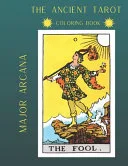
Published March 16, 2023, The Ancient Tarot offers users a unique way to engage with Major Arcana imagery.
This coloring book presents the Major Arcana with two distinct artistic styles for each card. The first style shows an original, ancient design, hinting at historical interpretations. The second style offers a revised, updated graphic interpretation that has developed over time. This dual approach allows for a visual comparison, encouraging users to gain a deeper connection with the Tarot's imagery and symbolism. It is suitable for beginners seeking an accessible introduction to the visual language of the Major Arcana. Experienced practitioners may find new perspectives by interacting with familiar cards through coloring and comparative study. Artists, designers, and those interested in creative pursuits with esoteric themes will also find inspiration here. The book appeals to individuals who enjoy historical art and the contemplative practice of coloring.
The practice of Tarot for divination and esoteric study has a history dating back to at least the 18th century in Europe. Early decks, like the Marseille Tarot, set visual standards that influenced later designs. Over time, Tarot imagery absorbed influences from various cultural, artistic, and occult movements. The Hermetic Order of the Golden Dawn, for instance, integrated Kabbalistic and astrological elements into card interpretations in the late 19th century. The Ancient Tarot acknowledges this lineage by juxtaposing original designs with later revisions, reflecting the evolving nature of these symbolic images.
💡 Why Read This Book?
• Engage directly with the visual evolution of the Major Arcana by coloring both "original, ancient designs" and "graphically revised" versions, offering a unique perspective not found in standard Tarot decks. • Understand how Tarot symbolism has been visually interpreted across different historical periods, fostering a deeper appreciation for the artistic and cultural shifts since the 18th century. • Experience a meditative practice that connects the act of coloring with the contemplation of archetypal imagery, potentially revealing personal insights through the active engagement with figures like The Empress or The Chariot.
⭐ Reader Reviews
Honest opinions from readers who have explored this book.
❓ Frequently Asked Questions
What is the primary purpose of "The Ancient Tarot" coloring book?
The book's primary purpose is to allow users to explore the Major Arcana of the Tarot through coloring. It presents each card's imagery in both an original, ancient design and a graphically revised version, encouraging creative engagement and historical visual comparison.
Who is the author of "The Ancient Tarot"?
The author is Aga Book. The book was first published on March 16, 2023.
What does "graphically revised over the centuries" mean in the context of this book?
It refers to updated artistic interpretations of the ancient Tarot card designs that have been adapted and modified over time, reflecting evolving aesthetics and potentially new understandings of the symbolism.
Is this book suitable for someone new to Tarot?
Yes, it is suitable for beginners as it provides a visual and interactive way to learn about the Major Arcana. The coloring process can make the archetypal imagery more memorable and accessible.
What is the significance of presenting two versions of each card?
Presenting two versions highlights the historical development and diverse interpretations of Tarot imagery. It allows users to study how symbols have been depicted differently across eras, fostering a deeper analytical and creative connection.
Can "The Ancient Tarot" be used for divination?
While primarily a coloring and exploration tool, the active engagement with the cards' imagery and symbolism can certainly inform one's personal understanding and intuition, potentially aiding in divination practices.
🔮 Key Themes & Symbolism
Visual Archetypes
The book centers on the visual representation of the Major Arcana's archetypes, such as The Emperor and The Hermit. By offering both ancient and revised artistic renderings, it emphasizes how these powerful symbolic figures have been depicted across historical periods. This allows for a comparative study of artistic styles and potential shifts in the perceived meaning or emphasis of each archetype, inviting users to contemplate the enduring nature of these figures and their visual manifestations.
Artistic Evolution of Tarot
A core theme is the historical progression of Tarot card art. "The Ancient Tarot" showcases how the imagery, originating from designs perhaps as early as the 15th century, has been reinterpreted and stylized through various artistic movements and occult revivals, notably influenced by groups like the Hermetic Order of the Golden Dawn in the late 1800s. This theme invites users to consider the impact of changing aesthetics and esoteric interpretations on the visual language of the Tarot.
Coloring as Contemplation
The act of coloring itself is presented as a contemplative practice. By engaging with the detailed lines of figures like Justice or The Devil, users are encouraged to focus their attention, fostering a meditative state. This theme suggests that the deliberate application of color to these symbolic images can unlock personal insights and a deeper, intuitive connection with the Tarot's inherent wisdom, transforming a simple coloring activity into a form of spiritual or psychological exploration.
Comparative Symbolism
The juxtaposition of ancient and revised card designs facilitates an exploration of comparative symbolism. Users can observe how specific elements within a card, such as the tools of The Magician or the symbols associated with The Star, are rendered differently, potentially altering their emphasis or perceived meaning. This comparative approach encourages a critical examination of visual cues and their historical or cultural context within the Tarot system.
💬 Memorable Quotes
Direct passages from the work, attributed to the author.
“Coloring cards representing the Major Arcana.”
— This straightforward statement expresses the book's core function, highlighting its focus on the archetypal 'Major Arcana' and the interactive medium of coloring as the primary mode of engagement.
“Two versions: the one of the original, ancient design and one graphically revised over the centuries.”
— This phrase points to the book's unique comparative approach, emphasizing the historical dimension and the evolution of artistic representation within the Tarot tradition.
“Explore your creativity as you immerse yourself in the beauty and power of the Tarot cards.”
— This suggests that the book is not merely an artistic exercise but also an invitation to connect with the deeper energies and aesthetic qualities inherent in the Tarot's symbolic system.
“Whether a Tarot expert or just beginning to explore this fascinating world...”
— This indicates the book's broad appeal, designed to be accessible and valuable for individuals at all levels of familiarity with Tarot studies and practices.
“Discover the wonderful world of the Tarot with this unique coloring book.”
— This serves as an introductory hook, framing the book as a gateway to understanding the Tarot through a distinct and engaging artistic medium.
🌙 Esoteric Significance
Tradition
This work engages with the Western Esoteric Tradition, specifically the lineage of Tarot interpretation that flourished from the 18th century onwards. It touches upon the Hermetic and Kabbalistic influences that became deeply embedded in Tarot symbolism, particularly from the late 19th century. By presenting both ancient and revised designs, it implicitly acknowledges the historical development of these esoteric correspondences and how they have been visually codified and adapted over time.
Symbolism
Key symbols explored include archetypal figures like The Fool, representing beginnings and potential, and The High Priestess, embodying intuition and hidden knowledge. The contrasting ancient and revised designs allow for a visual comparison of how elements such as The Emperor's regalia or The Chariot's steeds have been rendered, potentially altering the emphasis on themes of authority, divine will, or primal forces across different artistic interpretations.
Modern Relevance
Contemporary practitioners of Tarot, art therapists, and students of esoteric symbolism continue to draw inspiration from the evolution of Tarot imagery. The book's approach appeals to modern interests in comparative mythology, visual culture, and the use of creative practices like coloring for mindfulness and self-discovery. Thinkers exploring the intersection of art history and occult traditions find value in its dual-perspective presentation.
👥 Who Should Read This Book
• Aspiring Tarot readers seeking a tactile and visual introduction to the Major Arcana, allowing them to connect with the imagery through coloring before or alongside traditional study. • Art historians and enthusiasts interested in the evolution of symbolic imagery, offering a direct comparison of historical Tarot card designs and their later artistic adaptations. • Creatives and mindfulness practitioners looking for an engaging activity that combines artistic expression with contemplation of deep archetypal symbolism found in esoteric traditions.
📜 Historical Context
The visual tradition of Tarot cards, originating in 15th-century Italy, underwent significant evolution, particularly in the 18th and 19th centuries, as esoteric interpretations gained prominence. The Marseille Tarot, for example, represents a foundational artistic style. Later, figures like Eliphas Lévi and members of the Hermetic Order of the Golden Dawn, including Arthur Edward Waite and Pamela Colman Smith (whose influential deck debuted in 1909), integrated Kabbalistic, astrological, and alchemical symbolism, profoundly shaping modern Tarot imagery. "The Ancient Tarot" acknowledges this lineage by presenting "original, ancient designs" alongside "graphically revised" versions, reflecting the ongoing reinterpretation of these potent symbols. This practice of artistic adaptation continued through the 20th century with artists like Salvador Dalí creating unique Tarot decks. The reception of such works often highlights the tension between historical accuracy and modern aesthetic or esoteric sensibilities, with some scholars praising the visual scholarship and others finding the revisions deviate too far from canonical forms.
📔 Journal Prompts
The depiction of The Magician in ancient versus revised forms: what symbolic elements are emphasized differently?
Reflect on the visual narrative of The Tower's destruction and reconstruction across its historical artistic interpretations.
Consider the archetypal qualities of The Empress as presented in both ancient and graphically revised styles.
How does the artistry of The Moon card, in its varied representations, evoke feelings of the subconscious?
Analyze the visual cues of power and wisdom in The Hierophant's ancient design compared to its revised counterpart.
🗂️ Glossary
Major Arcana
The trump cards of a standard Tarot deck, typically numbering 22 cards (from The Fool to The World), representing significant life lessons, spiritual paths, and archetypal forces.
Ancient Design
Refers to the earliest known or traditional artistic representations of Tarot cards, often characterized by woodcut or older engraving styles, predating modern interpretations.
Graphically Revised
Artistic interpretations of Tarot cards that have been updated or re-imagined over time, reflecting contemporary aesthetics, new symbolic layers, or different artistic techniques.
Archetype
A universal, symbolic figure, character, or pattern of behavior found in the collective unconscious, as conceptualized by Carl Jung, often represented in Tarot imagery.
Symbolism
The use of images, figures, or colors to represent abstract ideas or qualities, central to the interpretation and understanding of Tarot cards.
Tarot Deck
A deck of cards used for divination, spiritual guidance, or games, typically consisting of the Major Arcana and Minor Arcana.
Esoteric
Relating to or concerned with the occult or subjects beyond the ordinary range of human knowledge and experience; intended for or understood by only a small number of people with special knowledge.