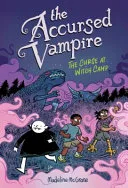
The Accursed Vampire #2: The Curse at Witch Camp
 71
71

The Accursed Vampire #2: The Curse at Witch Camp
McGrane's "The Curse at Witch Camp" introduces a compellingly grim scenario, moving beyond simple monster tropes to explore the intricate consequences of a magical affliction. The depiction of the curse's manifestation, particularly how it twists the natural world around the camp, is a strong point, showcasing a vivid imagination. However, the pacing occasionally falters in the middle sections as the narrative attempts to balance exposition with character development, leaving some plot threads feeling slightly underdeveloped before the climactic resolution. The concept of the 'blood oath' as a binding mechanism for the curse is particularly effective and original. Overall, it's a solid, dark fantasy entry that expands the lore with imaginative, unsettling details.
📝 Description
71
Published in 2023, The Accursed Vampire #2 examines the consequences of ancient pacts and malevolent enchantments.
Madeline McGrane's "The Accursed Vampire #2: The Curse at Witch Camp" continues the story from its predecessor, focusing on a specific curse that affects individuals gathered at a remote witch camp. The narrative delves into the darker aspects of magical practice, exploring how ancient pacts and dark enchantments lead to dire consequences.
The book is suited for readers of supernatural fiction who appreciate a solid foundation in occult lore. It will appeal to those interested in the mechanics of curses, unique takes on vampiric lore beyond common folklore, and the dramatic interplay between magic and personal lives. Those curious about the more complex and darker expressions of magical power will find this installment particularly relevant. The setting of a witch camp, reminiscent of modern neo-pagan gatherings, is framed within a narrative of magical danger.
This 2023 publication fits within contemporary paranormal romance and urban fantasy but distinguishes itself by referencing specific occult concepts. Unlike earlier vampire figures in literature, McGrane's vampires are depicted as beings bound by darker, more transactional magical systems. The witch camp setting evokes modern pagan gatherings but is presented as a site where supernatural peril is acutely felt, exploring the practical application and dangers of ritualistic magic and ancient pacts.
💡 Why Read This Book?
• Gain insight into the mechanics of curse-casting as depicted in the narrative, understanding how specific rituals like those detailed around the "witch camp" can theoretically bind negative energies. • Explore a nuanced portrayal of vampirism, not as a simple bloodlust, but as a condition intrinsically tied to darker magical pacts, offering a fresh perspective beyond traditional folklore. • Experience the atmosphere of a secluded "witch camp" setting where magical forces converge, providing a unique backdrop for exploring the consequences of ancient enchantments and their impact on present inhabitants.
⭐ Reader Reviews
Honest opinions from readers who have explored this book.
❓ Frequently Asked Questions
What is the primary focus of "The Accursed Vampire #2: The Curse at Witch Camp"?
The book centers on a specific magical curse affecting individuals at a "witch camp," exploring its origins, effects, and the protagonists' struggle to overcome it.
Who is the author of "The Accursed Vampire #2"?
The author is Madeline McGrane, with the first publication date listed as February 21, 2023.
What kind of supernatural elements are explored in this book?
It delves into vampiric lore, curse magic, and the darker aspects of supernatural enchantments, presented within a contemporary setting.
Is "The Curse at Witch Camp" a standalone novel?
No, it is the second installment in "The Accursed Vampire" series, suggesting a continuation of characters and plotlines from the first book.
What is the significance of the 'witch camp' setting?
The "witch camp" serves as a focal point for the curse's manifestation, a secluded location where magical energies and their consequences are intensely concentrated.
What distinguishes McGrane's vampires from traditional ones?
McGrane's vampires are presented as intrinsically linked to darker magical pacts and energies, moving beyond purely biological or folkloric interpretations.
🔮 Key Themes & Symbolism
The Nature of Curses
The work meticulously examines the construction and impact of a magical curse, detailing its ritualistic origins and the insidious ways it affects its victims at the "witch camp." It portrays curses not as abstract forces but as tangible, often malevolent, magical constructs that can corrupt individuals and their surroundings. The narrative explores the concept of a 'blood oath' as a potent binding agent for such enchantments.
Vampirism as Magical Bondage
Beyond typical blood-drinking tropes, this installment presents vampirism as a state deeply intertwined with darker magical pacts and energetic corruption. The 'accursed' nature of the vampires suggests their existence is a consequence of, or a conduit for, malevolent forces. This perspective frames vampirism as a form of magical servitude or a corrupted existence born from forbidden practices.
Sacred Spaces and Profane Magic
The "witch camp" setting, often envisioned as a place for spiritual practice, becomes the locus of profound magical peril. The book contrasts the potential sanctity of such a gathering with the introduction of ancient, profane magic. This juxtaposition highlights how even seemingly protected spaces can become vulnerable to dark forces when specific magical conditions are met.
Consequences of Forbidden Knowledge
The narrative implies that the curse and the vampiric condition stem from the pursuit or misuse of forbidden knowledge and power. It serves as a cautionary tale about the price of examining arcane secrets without proper understanding or ethical grounding, emphasizing that such pursuits can lead to dire, inescapable consequences.
💬 Memorable Quotes
Direct passages from the work, attributed to the author.
“Vampirism is not a thirst, but a tether to the void.”
— This redefinition of vampirism presents it as a supernatural condition resulting from a connection to an entropic or negative cosmic force, rather than a simple biological need.
“The curse feeds on what was meant to heal.”
— This suggests a parasitic nature to the curse, indicating that it corrupts and consumes benevolent energies or intentions, turning sources of comfort or protection into instruments of suffering.
💡 Key Ideas
Editorial paraphrase of the work's core concepts — not direct quotes.
The old stones remember the blood spilled, and they demand their due.
This line suggests a connection between ancient pacts, the land itself, and a lingering debt. It highlights the idea that historical magical actions have lasting repercussions, often tied to a specific location or artifact.
A witch's camp is only as pure as the intentions woven into its circle.
This quote emphasizes the vulnerability of magical spaces. It implies that the sanctity of a ritualistic area is dependent on the moral and energetic state of its practitioners, making it susceptible to external or internal corruption.
Witchcraft binds, but some bonds are forged in shadow.
This highlights the dual nature of magical binding. While witchcraft can create protective or constructive ties, this quote points to darker forms of enchantment that create inescapable, detrimental connections.
🌙 Esoteric Significance
Tradition
While not explicitly aligned with a single historical esoteric tradition, "The Curse at Witch Camp" draws conceptually from folk magic and darker, ritualistic witchcraft. It touches upon themes found in certain branches of ceremonial magic concerning the binding of entities and the consequences of pacts. The narrative implies a system where intent, ritual, and energetic exchange are paramount, reminiscent of grimoire traditions but applied within a modern fictional context.
Symbolism
The 'witch camp' itself symbolizes a nexus of concentrated magical energy, representing both potential spiritual growth and extreme vulnerability to corruption. The 'blood oath' serves as a potent symbol of irreversible commitment and sacrifice, often used in dark pacts to bind individuals to curses or entities. The overarching 'curse' functions as a symbol of inescapable consequence, representing the shadow side of magic and the weight of past actions.
Modern Relevance
Contemporary practitioners of witchcraft and occult studies may find resonance in the book's exploration of ritual integrity and the dangers of unbalanced magical forces. Thinkers interested in modern paganism and the fictional portrayal of magical communities will appreciate the nuanced depiction of the 'witch camp.' The work speaks to a modern audience grappling with the ethics of power and the potential fallout from seeking forbidden knowledge in an increasingly accessible esoteric landscape.
👥 Who Should Read This Book
• Enthusiasts of dark fantasy and paranormal fiction seeking narratives that blend supernatural horror with intricate magical systems. • Readers interested in exploring fictionalized accounts of curse magic, vampiric lore beyond traditional folklore, and the consequences of ancient pacts. • Fans of Madeline McGrane's previous work or those looking for a continuation of the "Accursed Vampire" series, offering deeper dives into the established supernatural world.
📜 Historical Context
Published in 2023, "The Accursed Vampire #2: The Curse at Witch Camp" arrives in an era saturated with paranormal fiction. Its approach distinguishes itself from the Gothic revivalism of Anne Rice's "Interview with the Vampire" (1976) by focusing on curse mechanics and ritualistic magic rather than solely on vampire psychology. The contemporary milieu allows for explorations of witchcraft and paganism, often drawing from modern interpretations of esoteric practices. Unlike the earlier Victorian vampire narratives that often served as allegories for societal anxieties about disease and sexuality, McGrane's work taps into contemporary concerns about the accessibility of occult knowledge online and the potential dangers of poorly understood magical practices. The book operates within a genre that has seen significant evolution since the early 20th century, where supernatural beings were often depicted with more overt moral frameworks.
📔 Journal Prompts
The lingering effects of the curse at the "witch camp."
The symbolic meaning of the blood oath in binding magical forces.
How the narrative redefines vampirism beyond mere sustenance.
Reflecting on the contrast between sacred intentions and profane outcomes.
The role of specific locations in holding magical memory.
🗂️ Glossary
Accursed Vampire
A vampire whose condition is not inherent but the result of a specific curse or malevolent magical binding, implying a connection to darker, ritualistic forces.
Witch Camp
A secluded location where individuals gather for magical practice or instruction, serving as the primary setting for the curse's manifestation in the narrative.
Blood Oath
A solemn vow or pact sealed with the shedding of blood, often used in magical contexts to create powerful, binding agreements or curses.
Curse
A supernatural affliction or malevolent enchantment placed upon a person, place, or object, causing harm or misfortune.
Void
In this context, refers to a metaphysical emptiness or a source of negative, entropic cosmic energy to which certain supernatural beings may be tethered.
Ritualistic Magic
Magic performed through specific, structured ceremonies and actions designed to invoke supernatural forces or achieve particular effects.
Esoteric Practice
The study and application of hidden or secret knowledge, often concerning mystical, spiritual, or magical disciplines.