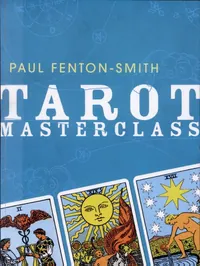
Tarot Masterclass
 84
84

Tarot Masterclass
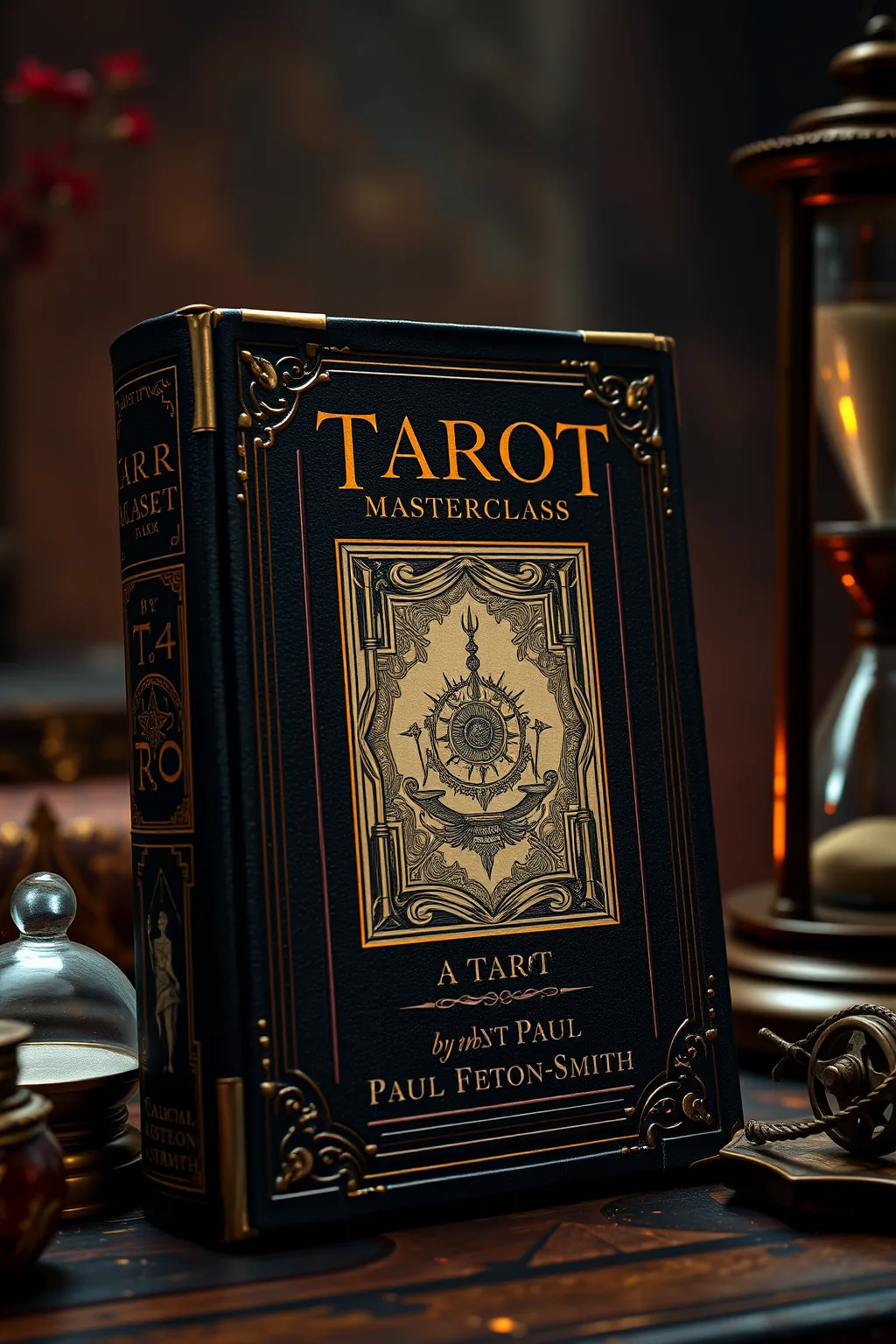
Paul Fenton-Smith's Tarot Masterclass offers a robust framework for engaging with the Tarot, particularly for those who find the sheer volume of interpretations daunting. Its strength lies in its structured approach, meticulously dissecting the deck's components and their interrelationships. Fenton-Smith wisely grounds the symbolism in psychological archetypes, a perspective that elevates the practice beyond mere predictive divination. The section on the Minor Arcana, for instance, effectively illustrates how the pips and court cards mirror everyday human experiences and developmental stages. A limitation, however, is that the sheer density of information might feel overwhelming for absolute beginners. While the 2008 publication date places it within a rich period of Tarot scholarship, some readers might find its style less immediately accessible than more recent, visually driven guides. The book’s examination of the Fool’s Journey, tracing the archetypal progression through the Major Arcana, remains a particularly insightful passage. Fenton-Smith provides a serious, scholarly treatment of the cards that rewards careful study.
This is a substantial resource for dedicated Tarot students.
📝 Description
84
Paul Fenton-Smith's Tarot Masterclass, published in 2008, moves beyond simple card meanings.
Tarot Masterclass, by Paul Fenton-Smith, was published in 2008. This book examines the Tarot system's deeper psychological and symbolic structures, not just individual card meanings. It is structured to help both new Tarot practitioners and those with experience. Fenton-Smith breaks down the 78 cards of the deck. He discusses the archetypal progression of the Major Arcana and the developmental path of the Minor Arcana. The book shows how these parts work together to create a complete divinatory language. The author presents Tarot as a tool for developing intuition and self-understanding.
This book is for people serious about Tarot study. It suits readers who have moved beyond basic interpretations and want a deeper grasp of card combinations, spread layouts, and the philosophy behind Tarot readings. Students of Western Esotericism, Jungian psychology, and mythology will find its approach useful. It is also for those wishing to improve their intuitive abilities and develop a more advanced personal practice.
Published in 2008, Tarot Masterclass appeared during a time of renewed interest in esoteric studies. This period saw a merging of traditional occult ideas with modern psychological theories, particularly in online communities and academic research. Fenton-Smith's work exemplifies this trend. It came after figures like Rachel Pollack and Mary K. Greer had expanded the conversation about Tarot. The book's release predates the current prevalence of 'pop occultism' on social media, suggesting a more focused and academic contribution to the field.
💡 Why Read This Book?
• Gain a structured understanding of the 78-card Tarot deck, moving beyond memorized meanings by exploring the archetypal progression of the Fool's Journey as detailed in the Major Arcana. • Develop a deeper connection to the symbolic language of the Minor Arcana, learning how the suits and court cards reflect psychological states and life events, as explained through elemental correspondences. • Enhance your divinatory practice by integrating principles of Qabalistic numerology and symbolism, as Fenton-Smith connects card numbers to the Tree of Life, offering a richer interpretive layer.
⭐ Reader Reviews
Honest opinions from readers who have explored this book.
❓ Frequently Asked Questions
What is the primary focus of Tarot Masterclass by Paul Fenton-Smith?
Tarot Masterclass focuses on a comprehensive understanding of the 78-card Tarot deck, emphasizing its use as a tool for psychological insight and intuitive development, rather than solely for fortune-telling. It explores archetypes and symbolic systems.
When was Tarot Masterclass first published, and what was the context?
The book was first published in 2008, during a period of increasing interest in esoteric studies and a blending of traditional occultism with modern psychology, following influential Tarot authors of the late 20th century.
Does the book cover both the Major and Minor Arcana?
Yes, Tarot Masterclass provides detailed examinations of both the 22 Major Arcana cards, focusing on the archetypal Fool's Journey, and the 56 Minor Arcana cards, exploring their suit and number meanings.
Is this book suitable for beginners in Tarot?
While it covers foundational elements, the book's depth and structured approach are best suited for those who have some familiarity with Tarot and are seeking to deepen their knowledge and practice beyond basic meanings.
What esoteric traditions or philosophies influence the book's approach?
The book draws significantly from Western Esotericism, particularly Kabbalistic principles, Jungian psychology, and mythological studies, integrating these into its interpretation of Tarot symbolism.
What makes this book different from other Tarot guides published around the same time?
Tarot Masterclass distinguishes itself through its systematic, almost academic, dissection of the Tarot system and its explicit integration of psychological archetypes and Qabalistic frameworks, offering a more in-depth, less overtly spiritualist approach than some contemporaries.
🔮 Key Themes & Symbolism
The Fool's Journey Archetypes
This theme centers on the progression of the 22 Major Arcana cards as a symbolic representation of the human journey toward self-realization. Fenton-Smith interprets each card not just as an independent symbol but as a stage in an unfolding narrative, mirroring the psychological development proposed by thinkers like Carl Jung. The journey begins with the innocent Fool and culminates with the World card, depicting the integration of experience and the achievement of wholeness. This archetypal framework provides a powerful lens for understanding life's challenges and transformations.
Minor Arcana Elemental Correspondences
The book meticulously details the four suits of the Minor Arcana—Wands, Cups, Swords, and Pentacles—linking them to the classical elements of Fire, Water, Air, and Earth, respectively. This elemental association is further connected to the Qabalistic Tree of Life, providing a cosmological structure for interpreting the pip and court cards. Fenton-Smith explains how the numerical progression within each suit reflects the unfolding of potential and experience within its associated element and sphere of influence on the Tree of Life, offering a systematic method for reading card combinations.
Qabalistic Numerology in Tarot
A significant aspect of Tarot Detailed look is its integration of Qabalistic numerology into Tarot interpretation. The book explores how the numbers 1 through 10 within the Minor Arcana, as well as the numerical order of the Major Arcana, correspond to specific Sephiroth or paths on the Tree of Life. This approach imbues each card with layers of meaning derived from the intricate symbolism of the Kabbalah, allowing for a more profound and multi-dimensional reading. Understanding these numerical connections reveals deeper patterns and energies at play in a reading.
Tarot as a Tool for Self-Discovery
Fenton-Smith positions the Tarot not merely as a predictive tool but as a sophisticated system for introspection and psychological exploration. The book encourages readers to use the cards to understand their own inner landscape, motivations, and potential challenges. By examining the archetypal figures and narrative arcs within the deck, individuals can gain clarity on their personal paths, identify recurring patterns, and foster intuitive development. This perspective aligns Tarot with modern psychotherapeutic approaches, emphasizing personal growth and awareness.
💬 Memorable Quotes
Direct passages from the work, attributed to the author.
“The Major Arcana represent the great archetypal forces that shape human experience.”
— This interpretation highlights the book's focus on the universal, psychological underpinnings of the Tarot's Major Arcana. It suggests these cards are not random images but expressions of fundamental patterns of consciousness and existence.
“Each suit of the Minor Arcana carries the essence of its corresponding element and sphere of influence.”
— This statement underscores the systematic approach Fenton-Smith takes, linking the Wands, Cups, Swords, and Pentacles to elemental energies and Kabbalistic concepts, providing a structured method for understanding their distinct meanings.
“The Tarot is a mirror reflecting the querent's inner world and potential pathways.”
— This captures the book's emphasis on Tarot as a tool for self-reflection and personal insight, rather than purely external prediction. It frames the cards as symbolic representations of the individual's psyche and future possibilities.
“Understanding the Fool's Journey allows for a comprehensive grasp of the Major Arcana's narrative arc.”
— This interpretation points to the central theme of the archetypal journey through the Major Arcana, framing the sequence of cards as a coherent story of growth and development essential for mastering the deck.
💡 Key Ideas
Editorial paraphrase of the work's core concepts — not direct quotes.
Numerology provides a hidden structure to the Tarot, revealing deeper connections between the cards.
This paraphrased concept emphasizes the importance of numerical analysis in the book, suggesting that the numerical values of the cards unlock layers of meaning and reveal underlying patterns within the Tarot system.
🌙 Esoteric Significance
Tradition
Tarot Detailed look is firmly rooted in the Western Esoteric tradition, particularly drawing upon Hermeticism and Qabalistic studies. It integrates the symbolic language of the Kabbalah, specifically referencing the Tree of Life and its Sephiroth, as a foundational structure for understanding the Tarot. The work also engages with Jungian psychology, viewing the Tarot archetypes as manifestations of the collective unconscious. Fenton-Smith's approach departs from purely divinatory or predictive systems by emphasizing the Tarot's capacity for psychological insight and spiritual development, aligning it with modern esoteric thought that seeks to reconcile ancient wisdom with contemporary understanding.
Symbolism
The book places significant emphasis on the symbolism of the Major Arcana, particularly through the lens of the Fool's Journey, which represents the archetypal progression of consciousness. Another key symbolic motif is the elemental correspondence of the Minor Arcana suits—Wands (Fire), Cups (Water), Swords (Air), and Pentacles (Earth)—linking them to the four worlds of Kabbalistic cosmology. Fenton-Smith also explores the numerological symbolism inherent in the cards, connecting numbers to the paths and spheres on the Tree of Life, thereby enriching the interpretive potential of each card and their combinations.
Modern Relevance
Contemporary practitioners of Western Esotericism, particularly those engaged with Tarot, Qabalah, and Jungian psychology, continue to find value in Fenton-Smith's structured approach. The book's emphasis on the Tarot as a tool for self-understanding and personal growth speaks to modern therapeutic and self-help movements seeking deeper psychological insight. Thinkers and groups focused on comparative mythology and archetypal studies also draw upon its systematic analysis. Its integration of psychological principles makes it relevant for those exploring the intersection of spirituality and mental well-being in the 21st century.
👥 Who Should Read This Book
• Serious students of Tarot seeking a systematic and in-depth understanding of the deck's structure, symbolism, and interpretive methods, moving beyond basic card meanings. • Practitioners of Western Esotericism interested in integrating Qabalistic principles and archetypal psychology into their divination practices, as explored through the Fool's Journey and elemental correspondences. • Individuals looking to utilize the Tarot as a tool for self-discovery and psychological exploration, rather than solely for predictive purposes, gaining insights into personal growth and inner development.
📜 Historical Context
Published in 2008, Paul Fenton-Smith's Tarot Detailed look arrived at a time when esoteric studies, particularly those intersecting with psychology and comparative mythology, were gaining considerable traction. The early 21st century saw a shift in Tarot literature, moving beyond simpler fortune-telling manuals towards more in-depth explorations of symbolism and archetypes. This era was influenced by scholars and practitioners like Rachel Pollack and Mary K. Greer, who had already begun to integrate Jungian psychology and feminist perspectives into Tarot interpretation. Fenton-Smith's work fits within this lineage, offering a structured approach that draws heavily on Qabalistic frameworks and psychological archetypes. It represents a more academic and systematic engagement with the Tarot compared to some earlier, more mystical or purely predictive texts. The book's publication date places it before the explosion of online Tarot communities and influencer culture, positioning it as a more traditional, text-based contribution to the field. Its reception was within the established esoteric publishing market, reinforcing the growing interest in Tarot as a serious subject for study.
📔 Journal Prompts
The Fool's Journey: Map your personal 'Fool's Journey' through the Major Arcana, identifying key stages of your own life's archetypal progression.
Elemental Suit Reflection: Choose one Minor Arcana suit (Wands, Cups, Swords, or Pentacles) and reflect on how its core element manifests in your daily life.
Archetypal Encounters: Consider the archetypal figures represented by the Court Cards (Page, Knight, Queen, King) and identify which resonate most strongly with your current relationships or inner self.
Qabalistic Connections: Explore the numerological link between a specific Major Arcana card and its corresponding Sephirah on the Tree of Life, contemplating the deeper meaning.
Symbolic Resonance: Select a card that feels particularly significant to you currently and analyze its core symbols, considering their psychological and personal implications.
🗂️ Glossary
Major Arcana
The set of 22 trump cards in a Tarot deck, representing significant life events, archetypal figures, and spiritual lessons. They are often seen as the major stages of the Fool's Journey.
Minor Arcana
The 56 cards of a Tarot deck divided into four suits (Wands, Cups, Swords, Pentacles), which typically represent everyday events, challenges, and circumstances.
Fool's Journey
An archetypal narrative that traces the progression of the 22 Major Arcana cards as a symbolic representation of the soul's journey through life, from innocence to enlightenment.
Sephiroth
In Qabalistic mysticism, the ten attributes or emanations of God, represented on the Tree of Life, through which the divine manifests in the material world.
Tree of Life
A central diagram in Kabbalistic mysticism, depicting the ten Sephiroth and their interconnections, representing the structure of the universe and the path of spiritual ascent.
Archetype
In Jungian psychology, a universal, inherited pattern of thought or imagery derived from the experience of the species, often found in myths and fairy tales. The Tarot is rich in archetypal figures.
Elemental Correspondences
The association of the four Tarot suits (Wands, Cups, Swords, Pentacles) with the classical elements: Fire, Water, Air, and Earth, respectively, providing a framework for interpretation.
🔮 Readers Also Liked
Browse all →








More by Paul Fenton-Smith
All books →




More Free Divination & Tarot Books
View all →