Tarot: Learn How to Read and Interpret the Cards
 73
73

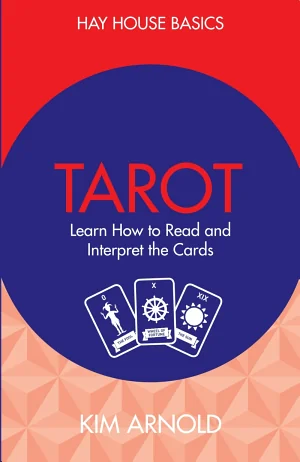
Tarot: Learn How to Read and Interpret the Cards
Kim Arnold’s "Tarot: Learn How to Read and Interpret the Cards" offers a refreshingly direct approach to a practice often shrouded in mystique. Unlike more esoteric treatises, Arnold’s 2015 publication prioritizes accessibility, breaking down the 78 cards into digestible components. The strength lies in its clear structure, moving logically from the Major Arcana’s archetypes to the Minor Arcana’s practical applications and then to spread interpretation. The section on choosing a deck, while brief, is a sensible starting point often overlooked in more advanced texts. However, the work occasionally feels overly prescriptive; the suggested interpretations, while standard, could benefit from more emphasis on the reader's personal connection to the imagery, a nuance that truly unlocks intuitive reading. The explanation of the Celtic Cross spread is competent but lacks the depth needed to fully grasp its potential for complex life questions. Arnold’s book provides a solid scaffolding for beginners, but seasoned practitioners may find it lacks the interpretive latitude needed for nuanced readings.
📝 Description
73
Kim Arnold's 2015 guide teaches Tarot card interpretation for self-exploration.
This book breaks down the 78-card Tarot deck for those new to divination. It explains the Major and Minor Arcana, detailing the symbolism and meanings of each card. The author emphasizes practical skills, walking readers through choosing a deck and building their interpretive abilities. The guide is aimed at beginners who want to learn how to read cards. It covers understanding the archetypes of the 22 Major Arcana cards and the everyday themes of the suits and 56 Minor Arcana cards. Readers interested in performing their own readings for personal insight or for others will find the structured method helpful.
The book discusses core Tarot concepts, including the difference between the Major and Minor Arcana. It shows how to find personal birth and year cards by connecting numerology and astrology to readings. A key element is developing intuition. This involves learning how cards interact in different spreads, like the common Celtic Cross.
Published in 2015, Kim Arnold's book engages with a practice that has deep historical roots. While the exact origins of Tarot are unclear, many decks draw from 18th-century French cartomancy. The Rider-Waite-Smith deck, influential since 1909, shapes much of modern Tarot imagery and interpretation. Arnold's approach reflects this lineage, offering a structured entry point into a tradition that blends symbolism, psychology, and divination.
💡 Why Read This Book?
• Gain a systematic understanding of the 78 Tarot cards, differentiating the archetypal Major Arcana from the everyday Minor Arcana, enabling confident interpretation of individual cards. • Learn practical methods for selecting a Tarot deck that aligns with your personal energy and preferences, ensuring a more intuitive and connected reading experience. • Master fundamental card spread layouts, including the popular Celtic Cross, to structure readings and synthesize card meanings for insightful guidance.
⭐ Reader Reviews
Honest opinions from readers who have explored this book.
❓ Frequently Asked Questions
What is the significance of the Major Arcana in Tarot?
The 22 Major Arcana cards represent significant life events, spiritual lessons, and archetypal forces. They are considered the 'greater secrets' of the Tarot, offering profound insights into the querent's journey and soul's path.
How do I choose the right Tarot deck for me?
Arnold suggests considering the artwork's appeal and how the imagery makes you feel. A deck that visually resonates with you, like those influenced by the Rider-Waite-Smith tradition from the early 20th century, will likely foster a stronger connection.
What are Tarot birth cards and year cards?
Tarot birth cards and year cards are calculated using your birth date. They offer personalized insights into your core strengths, challenges, and the overarching themes influencing a specific year of your life, linking numerology to Tarot.
Can I learn to read Tarot without memorizing every card meaning?
Yes, while understanding core meanings is crucial, Arnold emphasizes developing intuitive interpretation. Linking card meanings together within a spread and trusting your inner knowing are key to fluid and personalized readings.
What is the Celtic Cross spread?
The Celtic Cross is a popular 10-card spread used for in-depth readings. It typically covers aspects of a situation, past influences, future possibilities, hopes, fears, and the final outcome, providing a comprehensive overview.
When was Kim Arnold's Tarot book first published?
Kim Arnold's "Tarot: Learn How to Read and Interpret the Cards" was first published in 2015, making it a contemporary guide to traditional Tarot practices.
🔮 Key Themes & Symbolism
Arcana Interpretation
The book systematically dissects the Tarot deck, distinguishing between the 22 Major Arcana cards, which represent significant life lessons and archetypal energies, and the 56 Minor Arcana cards, detailing the four suits (Wands, Cups, Swords, Pentacles) and their corresponding numerical values. Arnold provides accessible explanations for each card's core symbolism and potential meanings, moving beyond simple keywords to encourage a deeper understanding of their narrative function within a reading. This foundational knowledge is crucial for building interpretive confidence.
Personalized Divination
A key focus is on tailoring Tarot readings to the individual. The text guides readers in calculating their Tarot birth card and year card, linking personal numerology to the archetypes within the deck. This method provides a unique lens through which to view one's life path and current circumstances, suggesting that the Tarot is not just a universal tool but one deeply connected to personal destiny and cycles.
Spread Mechanics
The work emphasizes practical application through the use of card spreads. It details how to lay out cards in specific patterns, such as the widely recognized Celtic Cross spread. Understanding these structures is vital for synthesizing individual card meanings into a coherent narrative that addresses complex questions. Arnold explains how the position of a card within a spread influences its interpretation, allowing for a more nuanced and comprehensive reading.
Intuitive Development
Beyond rote memorization, Arnold encourages the development of intuitive interpretation. The book suggests linking the meanings of cards together as they appear in a spread, fostering a dynamic dialogue between the cards and the reader's inner knowing. This approach empowers users to move beyond prescribed meanings and connect with the subtle energies and messages conveyed by the Tarot imagery.
💬 Memorable Quotes
Direct passages from the work, attributed to the author.
“Learn how to choose the right deck for you.”
— This instruction highlights the book's practical approach, emphasizing that the physical deck is a conduit for energy and intuition, and selecting one that resonates personally is the first step to effective reading.
“Interpret each of the 22 Major Arcana cards.”
— This signifies the book's commitment to covering the foundational archetypes of the Tarot, positioning them as essential guides to understanding the deeper spiritual and psychological themes within a reading.
“Understand the four suits of the Minor Arcana, and interpret its 56 cards.”
— This points to the detailed coverage of the Minor Arcana, framing them as the practical, everyday aspects of life that the Tarot can illuminate, offering guidance on common challenges and experiences.
“Work with different card spreads, including The Celtic Cross.”
— This indicates the book's focus on practical application, teaching readers how to structure their inquiries using established layouts to gain comprehensive insights beyond single-card pulls.
“Link the meaning of cards together and make intuitive interpretations.”
— This expresses the book's philosophy on advanced reading, encouraging a holistic approach where cards interact, fostering a dynamic interpretive process guided by intuition rather than rigid definitions.
🌙 Esoteric Significance
Tradition
This work primarily engages with the Western Esoteric tradition, particularly the cartomantic and divinatory practices that gained prominence in the late 19th and early 20th centuries. It builds upon the foundational interpretations popularized by decks like the Rider-Waite-Smith, which themselves were influenced by occult orders such as the Hermetic Order of the Golden Dawn. Arnold's approach fits within this lineage by offering a structured, accessible entry point to a system deeply intertwined with symbolism and psychological archetypes.
Symbolism
Key symbols in the Tarot, as explored in Arnold's work, include the archetypal figures of the Major Arcana (e.g., The Fool, The Magician, The High Priestess), representing universal human experiences and spiritual stages. The four suits of the Minor Arcana—Wands (action, creativity), Cups (emotions, relationships), Swords (intellect, conflict), and Pentacles (material world, finances)—symbolize different domains of life. The interplay of these elements, along with numerical and court card symbolism, forms the language of Tarot interpretation.
Modern Relevance
Arnold's book contributes to the ongoing popularization and accessibility of Tarot in contemporary spiritual and self-help circles. It provides a practical entry point for individuals drawn to practices influenced by Jungian psychology (archetypes), mindfulness, and personal development. While not exploring highly specialized Kabbalistic or astrological correspondences as some advanced texts do, it serves as a gateway for those exploring modern divination, intuitive arts, and self-discovery tools prevalent in 21st-century esoteric interests.
👥 Who Should Read This Book
• Aspiring Tarot readers seeking a clear, structured introduction to the fundamentals of card interpretation and reading techniques. • Individuals interested in self-discovery and personal growth who wish to use Tarot as a tool for introspection and guidance. • Those curious about esoteric practices and symbolism looking for an accessible entry point into the world of Tarot divination.
📜 Historical Context
Kim Arnold's "Tarot: Learn How to Read and Interpret the Cards," published in 2015, enters a field with a rich, albeit debated, history. While modern Tarot is often associated with the early 20th-century Rider-Waite-Smith deck, its roots can be traced to 18th-century Europe, particularly France, where cartomancers like Etteilla developed systems for divination. The Tarot's journey from a game component to a divinatory tool involved esoteric societies and occult revivals throughout the 19th and early 20th centuries. Figures like Eliphas Lévi and the Hermetic Order of the Golden Dawn significantly shaped its esoteric interpretations, linking it to Kabbalah and Hermeticism. Arnold's work, while contemporary, draws upon this lineage, presenting established interpretations that have evolved over decades of practice and scholarship, making it accessible to a new generation.
📔 Journal Prompts
Reflect on the archetypes presented in the Major Arcana. Which ones do you feel most drawn to or repelled by, and why?
How do the meanings of the suits (Wands, Cups, Swords, Pentacles) manifest in your daily life?
Consider your personal Tarot birth card. What core themes or lessons does it suggest for your life path?
When performing a reading, how can you balance the book's interpretations with your own intuitive feelings about the cards?
Analyze a recent significant event using the Celtic Cross spread. What insights emerge from the card positions?
🗂️ Glossary
Major Arcana
The 22 trump cards in a Tarot deck, representing significant life events, spiritual lessons, and major archetypal forces influencing a person's journey.
Minor Arcana
The 56 cards in a Tarot deck divided into four suits (Wands, Cups, Swords, Pentacles), representing everyday occurrences, challenges, and situations.
Tarot Spread
A specific arrangement of cards laid out in a pattern to explore different aspects of a question or situation, guiding the interpretation process.
Celtic Cross
A popular 10-card Tarot spread used for comprehensive readings, typically covering the present situation, challenges, past influences, future outcomes, and underlying factors.
Tarot Birth Card
A card or pair of cards calculated from one's birth date, believed to represent core personality traits, innate talents, and life path lessons.
Tarot Year Card
A card calculated based on the current year and one's birth date, indicating the overarching themes, challenges, and opportunities for that specific year.
Suits
The four divisions of the Minor Arcana: Wands (creative energy, action), Cups (emotions, relationships), Swords (intellect, challenges), and Pentacles (material world, finances).
This book appears in 1 collection
🔮 Readers Also Liked
Browse all →

From the “Tarot” Collection
View all →
More Free Occult Philosophy Books
View all →