Tarot 101
 80
80

Tarot 101
Kim Huggens' Tarot 101 approaches the Rider-Waite-Smith system with a commendable directness, offering clarity where many beginner texts falter. The strength of this book lies in its systematic breakdown of the 78 cards, providing digestible interpretations for each, from the Minors to the Majors. Huggens avoids overly mystical jargon, making the complex symbolism of cards like The Hierophant or The High Priestess accessible. However, the book’s focus remains resolutely on the Rider-Waite-Smith deck, which, while its stated aim, limits its applicability for those using other popular decks like the Thoth or Marseille. A passage discussing the Three of Swords, often seen as a card of heartbreak, is handled with a sensitivity that balances its stark imagery with potential for growth. Ultimately, Tarot 101 serves as a reliable, if somewhat conventional, introduction to the fundamentals of card reading.
📝 Description
80
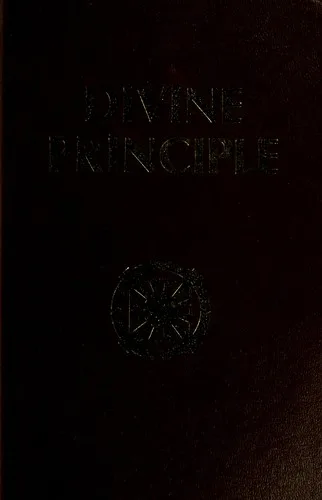
Kim Huggens' Tarot 101, published in 2010, explains the Rider-Waite-Smith tarot deck.
Tarot 101 by Kim Huggens is a guide to the Rider-Waite-Smith tarot system, first published in 2010. The book details the meanings and symbols of all 78 cards. It separates the Major Arcana, which represent major life lessons and archetypal forces, from the Minor Arcana. The Minor Arcana, through the suits of Wands, Cups, Swords, and Pentacles, address the practical matters of everyday life.
This book is intended for people starting out with tarot. It suits those who own a Rider-Waite-Smith deck, or one like it, and want a clear, organized way to understand its images and how to use them for divination. It is helpful for anyone wanting to improve their intuition, engage in personal growth using symbolic language, or learn a concrete method for gaining insight into life's situations.
Published in 2010, Huggens' work enters a long tradition of tarot instruction. The Rider-Waite-Smith deck, created by Arthur Edward Waite and illustrated by Pamela Colman Smith, appeared in 1909. This deck brought a new level of symbolic richness to tarot, moving beyond earlier forms. Huggens' book builds on this, offering a modern introduction to a practice with origins in 18th-century Europe. It connects the cards to concepts of archetypal journeys and the cycles of daily life.
💡 Why Read This Book?
• Gain a solid grasp of the 78 Rider-Waite-Smith tarot cards, including the distinct meanings of the Major and Minor Arcana, which provides a foundational vocabulary for interpretation. • Understand the elemental associations of Wands, Cups, Swords, and Pentacles, offering a structured way to analyze the energies and influences present in a reading. • Learn to interpret the symbolism of key cards like The Fool's Journey, providing a framework for recognizing archetypal patterns in personal situations.
⭐ Reader Reviews
Honest opinions from readers who have explored this book.
❓ Frequently Asked Questions
When was Tarot 101 first published and by whom?
Tarot 101 was first published in 2010. It is authored by Kim Huggens, who has since become a recognized figure in tarot education.
What tarot deck does Tarot 101 primarily focus on?
The book centers its teachings on the Rider-Waite-Smith tarot deck, including its various modern iterations. This deck, originally published in 1909, is known for its richly illustrated cards.
Does Tarot 101 cover both the Major and Minor Arcana?
Yes, Tarot 101 provides explanations for all 78 cards within the deck, covering the 22 Major Arcana and the 56 Minor Arcana cards.
Is Tarot 101 suitable for absolute beginners?
Absolutely. The book is designed as an introductory guide, breaking down complex symbolism and meanings into accessible lessons for those new to tarot reading.
What are the four suits discussed in Tarot 101?
The book details the four suits of the Minor Arcana: Wands (associated with fire), Cups (water), Swords (air), and Pentacles (earth), explaining their core themes and energies.
Can I use Tarot 101 if I have a different tarot deck?
While the book's interpretations are specifically tailored to the Rider-Waite-Smith imagery, the core concepts and archetypes it explores are often transferable to other tarot systems.
🔮 Key Themes & Symbolism
The Fool's Journey Archetype
Tarot 101 frames the Major Arcana as an archetypal journey, personified by The Fool. This narrative arc traces the soul's progression through various life lessons and spiritual awakenings. The book explores how each Major Arcana card represents a distinct stage or challenge, from the initial spark of The Magician to the culmination of The World. Understanding this progression provides a powerful lens through which to view personal development and life's overarching patterns.
Elemental Correspondences of the Suits
A central theme in Huggens' work is the elemental nature of the Minor Arcana suits: Wands (Fire), Cups (Water), Swords (Air), and Pentacles (Earth). The book details how these elements manifest in the everyday situations and challenges depicted by the numbered cards. This elemental framework is crucial for beginners, offering a structured method to interpret the energies at play in a reading and understand whether the situation involves action, emotion, intellect, or material concerns.
Symbolism in the Rider-Waite-Smith Deck
The book emphasizes the rich visual language of the Rider-Waite-Smith deck, first published in 1909. Huggens guides readers through understanding the symbolic significance of figures, objects, and scenes depicted on each card, from the celestial bodies influencing The Moon to the tools of the Ace of Pentacles. This focus on imagery is key to developing intuitive understanding beyond rote memorization of meanings.
Practical Divination and Self-Reflection
Tarot 101 presents tarot not just as a predictive tool but as a method for gaining insight and fostering self-awareness. The book encourages readers to use the cards for introspection, exploring personal challenges, and identifying potential paths forward. It provides guidance on forming questions and interpreting card spreads, empowering users to apply tarot wisdom to their daily lives.
💬 Memorable Quotes
Direct passages from the work, attributed to the author.
“The Minor Arcana detail the day-to-day events and practical concerns of life.”
— This highlights the functional aspect of the numbered cards, contrasting them with the more profound, archetypal themes of the Major Arcana. It suggests that tarot can offer guidance on both the grand arc of life and its mundane, yet important, occurrences.
“Each suit is associated with an element: Wands with Fire, Cups with Water, Swords with Air, and Pentacles with Earth.”
— This statement underscores a fundamental principle of tarot interpretation. Understanding these elemental associations provides a framework for decoding the energies and themes represented by each suit and its corresponding cards.
“The Fool represents the beginning of a journey, innocence, and a leap of faith.”
— This interpretation captures the essence of The Fool card, the first in the Major Arcana sequence. It signifies new beginnings, potential, and the courage to step into the unknown, setting the tone for the entire archetypal journey.
“Visual cues on the cards offer significant clues to their meaning.”
— This emphasizes the importance of the imagery within the Rider-Waite-Smith deck. It encourages a deeper engagement with the artwork, suggesting that the symbols and scenes are not mere decoration but integral to understanding the card's message.
💡 Key Ideas
Editorial paraphrase of the work's core concepts — not direct quotes.
Tarot can be a powerful tool for self-discovery and understanding.
This paraphrase points to the introspective and psychological applications of tarot. It positions the cards as a mirror reflecting internal states and offering pathways to greater self-awareness and personal growth.
🌙 Esoteric Significance
Tradition
Tarot 101 firmly sits within the Western esoteric tradition, specifically focusing on the lineage derived from the Rider-Waite-Smith (RWS) deck. This deck, originating from the Hermetic Order of the Golden Dawn milieu, sought to synthesize occult symbolism, numerology, and Kabbalistic principles into a visual system. Huggens' work acts as a contemporary gateway, translating the RWS symbolism for a modern audience without necessarily examining the deeper Kabbalistic or Hermetic underpinnings in extensive detail, thus making the tradition more approachable.
Symbolism
The book illuminates the symbolic language embedded within the RWS deck. Key symbols explored include the archetypal journey of The Fool, representing new beginnings and spiritual innocence. The elemental associations of the four suits—Wands (Fire), Cups (Water), Swords (Air), and Pentacles (Earth)—are central, providing a framework for understanding different types of energy and experience. The symbolism of specific cards, such as The High Priestess with her veil and pillars, is presented as a means to access intuition and hidden knowledge.
Modern Relevance
Huggens' Tarot 101 remains relevant today as a foundational text for many contemporary tarot practitioners and students. Its clear, systematic approach to the RWS deck appeals to modern interest in mindfulness, self-care, and personal development through accessible esoteric tools. While newer, more specialized works exist, this book continues to be recommended for beginners seeking a solid understanding of one of the most popular tarot systems, influencing how new generations approach card reading and divination.
👥 Who Should Read This Book
• Absolute beginners interested in learning tarot, particularly those who own or plan to acquire a Rider-Waite-Smith deck or a similar variation. • Individuals seeking a structured, step-by-step guide to understanding the meanings and symbolism of all 78 tarot cards. • Aspiring readers looking to develop their intuitive abilities and gain practical insights into personal challenges and life paths through card interpretation.
📜 Historical Context
Kim Huggens' Tarot 101, published in 2010, emerged during a period where esoteric studies, particularly tarot, were experiencing a resurgence in popular interest, often integrated with self-help and mindfulness movements. The book builds directly on the legacy of the Rider-Waite-Smith deck, an important work in tarot history first introduced in 1909. This deck, with its intricate illustrations by Pamela Colman Smith under the direction of Arthur Edward Waite, was revolutionary for its time, moving beyond earlier, more abstract designs. Huggens' approach provides a modern entry point to this specific tradition, which contrasts with other schools of tarot interpretation like the more esoteric and Kabbalistically focused Thoth tarot developed by Aleister Crowley and Lady Frieda Harris. While Huggens doesn't explicitly engage with contemporary critics or specific reception events, her work solidified a widely accessible method for learning tarot in the early 21st century, catering to a growing audience seeking practical guidance from established esoteric tools.
📔 Journal Prompts
The Fool's journey through the Major Arcana: what stage do you perceive yourself to be in?
Reflect on the elemental representation of the suit of Cups in your current emotional landscape.
How does the symbolism of The Hierophant manifest in your understanding of tradition or guidance?
Consider the imagery of the Three of Swords; what emotional truth does it reveal for you?
Analyze the role of Pentacles in your life: what material or practical concerns are highlighted?
🗂️ Glossary
Major Arcana
The set of 22 cards in a tarot deck that represent significant life lessons, archetypal energies, and spiritual milestones. They often signify larger themes and turning points in a reading.
Minor Arcana
The 56 cards in a tarot deck divided into four suits (Wands, Cups, Swords, Pentacles). These cards typically represent the day-to-day events, challenges, and practical aspects of life.
Rider-Waite-Smith Deck
A highly influential tarot deck first published in 1909, known for its detailed illustrations by Pamela Colman Smith and its systematic approach to the Minor Arcana meanings.
Wands
One of the four suits in the Minor Arcana, associated with the element of Fire. It typically relates to inspiration, creativity, passion, action, and energy.
Cups
One of the four suits in the Minor Arcana, associated with the element of Water. It governs emotions, relationships, intuition, love, and feelings.
Swords
One of the four suits in the Minor Arcana, associated with the element of Air. It relates to thoughts, intellect, communication, conflict, and challenges.
Pentacles
One of the four suits in the Minor Arcana, associated with the element of Earth. It pertains to the material world, finances, work, health, and practical matters.
🔮 Readers Also Liked
Browse all →

More by Kim Huggens
All books →
More Free Divination & Tarot Books
View all →