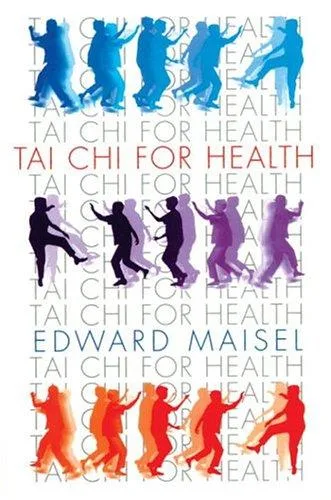
Tai Chi For Health
 72
72

Tai Chi For Health
Edward Maisel's "Tai Chi For Health" offers a refreshingly direct entry point into the world of Tai Chi, a stark contrast to many later works that lean heavily into philosophical interpretations. Its strength lies in its unadorned practicality, as acknowledged by The New York Times's early review, which praised its "practical throughout and stripped of mysticism." Maisel meticulously guides the reader through the physical mechanics, making the movements understandable for a Western audience unfamiliar with the art. However, this very focus on the physical can leave practitioners wanting deeper context on the underlying energy principles or the broader philosophical underpinnings that often accompany Tai Chi in its native tradition. While it succeeds admirably in introducing the *how*, it offers less on the *why* beyond general health benefits. The book remains a valuable, albeit somewhat dated, primer for those prioritizing the physical conditioning aspect of Tai Chi.
📝 Description
72
Edward Maisel's Tai Chi For Health, published in 1963, introduced the Chinese movement art to a wide American audience.
Edward Maisel's "Tai Chi For Health" presented the ancient Chinese movement art of Tai Chi Chuan to a broad American audience. Originally published in 1963, it focuses on the practical application of Tai Chi principles for physical well-being. The book details specific postures and movements, demystifying the practice for Western readers unfamiliar with its origins. It emphasizes the health benefits derived from the slow, deliberate, and flowing nature of the exercises.
This book is for individuals seeking a gentle yet effective form of exercise that promotes balance, coordination, and mental calm. It suits those new to Tai Chi who appreciate a clear approach, stripped of overly esoteric interpretations. Readers interested in the historical introduction of Eastern practices to the West will find value here, as will anyone looking for a structured guide to improving their physical health through mindful movement.
Published when Eastern philosophies were beginning to gain traction in Western culture, "Tai Chi For Health" played a role in popularizing Tai Chi. Its 1963 release predates the widespread accessibility of many other martial arts and wellness techniques in the United States. The book arrived during a period of increasing interest in alternative health and mind-body disciplines, offering a tangible method for achieving fitness and tranquility. Its practical approach distinguished it from more spiritually focused introductions to Eastern arts.
Maisel's work connects to the broader Western reception of Eastern spiritual and health practices that began in the mid-20th century. While the book focuses on the physical benefits, it implicitly touches upon the energetic principles (Qi) central to Taoist traditions. Its accessible presentation aimed to bridge the gap between the esoteric nature of internal arts and the practical health concerns of a Western audience. This positioned Tai Chi within a growing interest in mind-body connections and alternative wellness, separate from but related to more overtly philosophical or religious interpretations of Eastern thought.
💡 Why Read This Book?
• Learn the fundamental postures and movements of Tai Chi as introduced to America in 1963, focusing on practical health benefits. This offers a historical perspective on the initial Western reception of the art. • Gain a clear, step-by-step method for practicing Tai Chi that prioritizes physical fitness and balance, specifically designed for those who prefer a direct, non-mystical approach to exercise. • Understand the foundational principles of Tai Chi practice as laid out by Edward Maisel, emphasizing the coordinated action of breath and body for improved well-being, as detailed in the book's instructional sections.
⭐ Reader Reviews
Honest opinions from readers who have explored this book.
❓ Frequently Asked Questions
When was Edward Maisel's "Tai Chi For Health" first published?
Edward Maisel's "Tai Chi For Health" was first published in 1963, making it one of the earliest comprehensive introductions to Tai Chi for an American audience.
What is the main focus of "Tai Chi For Health"?
The book's main focus is on presenting Tai Chi as a practical system for improving physical health and fitness, emphasizing clear instructions for movements and postures.
Is "Tai Chi For Health" suitable for absolute beginners?
Yes, the book is widely regarded as an excellent starting point for beginners, as it is designed to be practical and accessible, stripping away complex mysticism.
Did "Tai Chi For Health" receive any notable reviews?
Yes, the book received positive reviews from major publications like The New York Times, which called it 'one of the best books on the subject,' and Harper's Bazaar, which described it as 'a tranquil, graceful way of keeping fit.'
What makes Maisel's approach to Tai Chi unique for its time?
Maisel's approach was unique for its time because it deliberately avoided esoteric interpretations, focusing instead on the physiological and health benefits, making Tai Chi accessible to a broader, less spiritually inclined Western audience.
Where does the book explain specific Tai Chi movements?
The book details specific Tai Chi movements and postures throughout its instructional sections, breaking down the practice into understandable steps for the reader.
🔮 Key Themes & Symbolism
Practical Health Application
This theme underscores the book's primary objective: to present Tai Chi not as a martial art or a spiritual discipline, but as a method for enhancing physical well-being. Maisel systematically breaks down the movements, focusing on correct posture, balance, and the gentle, flowing nature of the exercise. The emphasis is on achievable health benefits, making the practice accessible to individuals of all ages and fitness levels looking for a low-impact way to improve their physical condition and cultivate a sense of calm. The work guides readers toward tangible results in physical vitality and coordination.
Demystification for Western Audiences
A significant theme is the book's role in translating the complexities of Tai Chi for an American readership in the early 1960s. Edward Maisel deliberately strips away the mystical and philosophical layers often associated with Eastern practices, offering a straightforward, instructional approach. This demystification was crucial for its initial reception, making the art approachable to those unfamiliar with its Chinese origins. The book serves as a historical bridge, presenting Tai Chi in a format that resonated with Western sensibilities, prioritizing clarity and direct instruction over intricate doctrine.
Mind-Body Integration Through Movement
While focusing on the physical, the book inherently explores the integration of mind and body. The slow, deliberate movements of Tai Chi require concentration and a connection between physical action and mental focus. Maisel's instructions, though practical, encourage a mindful engagement with each posture and transition. This conscious participation fosters a state of relaxed awareness, demonstrating how physical exercise can contribute to mental tranquility. The practice cultivates an internal sense of balance that mirrors the external physical equilibrium achieved through the forms.
Historical Introduction to Tai Chi
This theme positions "Tai Chi For Health" as a key text in the history of Tai Chi's introduction to the West. Published in 1963, it was among the first comprehensive guides to reach American readers, significantly shaping early perceptions of the art. The book's pragmatic tone and focus on health benefits provided a gentle entry point, differentiating it from more traditional or martial-focused martial arts texts. Its success highlights a growing Western interest in Eastern disciplines for wellness, making it a landmark publication in the dissemination of Chinese culture and practices.
💬 Memorable Quotes
Direct passages from the work, attributed to the author.
“A tranquil, graceful way of keeping fit.”
— Attributed to Harper's Bazaar, this phrase captures the essence of Tai Chi as presented by Maisel: a method for achieving physical health through serene and flowing movements.
“The author's aim was to make the art of Tai Chi accessible to an American audience.”
— This interpretation reflects the book's historical significance as a pioneering text that bridged cultural divides by clearly explaining the practice of Tai Chi for Western readers.
“Originally published in 1963, it is widely regarded to be the original introduction to the movement art to Western enthusiasts.”
— This statement underscores the book's pioneering status, marking it as a key historical document in the popularization of Tai Chi in the Western world.
💡 Key Ideas
Editorial paraphrase of the work's core concepts — not direct quotes.
The work is practical throughout and stripped of mysticism.
This quote, from The New York Times, highlights the book's direct, accessible approach, emphasizing its focus on physical application rather than esoteric interpretation.
Focuses on the physical form and its benefits for health.
This paraphrased concept emphasizes the book's core pedagogical strategy: breaking down the physical movements of Tai Chi into understandable steps for improving one's physical condition.
🌙 Esoteric Significance
Tradition
While "Tai Chi For Health" itself is presented as a practical guide to physical fitness, it touches upon principles that resonate with broader esoteric traditions, particularly those emphasizing the flow of vital energy (Qi). Many esoteric systems, from Taoism to certain branches of Western Hermeticism, explore the concept of internal energy cultivation for health and spiritual development. Maisel's work, by focusing on the physical manifestation of Qi through movement, offers a tangible entry point into these concepts, albeit without explicit doctrinal frameworks. It aligns with the esoteric goal of harmonizing the body and mind to achieve greater vitality and balance.
Symbolism
Though the book is primarily instructional, the movements of Tai Chi itself are imbued with symbolic meaning within Chinese philosophy. The concept of Yin and Yang, for instance, is often interpreted through the interplay of soft and hard, yielding and assertive, which is mirrored in Tai Chi's flowing sequences. The circularity of the movements can symbolize cycles of nature and the continuous flow of energy. While Maisel’s text focuses on the physical form, these underlying symbolic meanings are inherent to the practice he describes, representing balance, harmony, and the dynamic interplay of forces.
Modern Relevance
Maisel's approach continues to be relevant for contemporary practitioners and instructors who prioritize the health and wellness aspects of Tai Chi. In an age where stress and sedentary lifestyles are prevalent, the book's emphasis on gentle exercise, balance, and mindful movement resonates strongly. Modern Tai Chi schools and wellness programs often draw upon such foundational texts to offer accessible classes. Furthermore, its historical significance as an early introduction to Tai Chi in the West makes it a valuable reference for scholars and practitioners interested in the cultural transmission of Eastern arts and their adaptation in Western contexts.
👥 Who Should Read This Book
• Individuals new to Tai Chi seeking a clear, practical guide to its physical movements and health benefits, without complex philosophical or mystical interpretations. • Health-conscious readers looking for a low-impact exercise regimen that promotes balance, coordination, and mental calm, as detailed in Maisel's step-by-step instructions. • Students of history interested in the initial introduction and Western reception of Eastern martial arts and wellness practices during the mid-20th century.
📜 Historical Context
Edward Maisel's "Tai Chi For Health," first published in 1963, emerged during a period of burgeoning interest in Eastern philosophies and practices within the United States. This era saw a growing curiosity about alternative approaches to health and well-being, moving beyond conventional Western medicine and fitness routines. The book played a key role in introducing Tai Chi Chuan, a Chinese martial art known for its slow, deliberate movements, to a wider American audience. Its practical, health-focused approach distinguished it from more spiritually or militarily oriented martial arts that were also gaining attention. In contrast to the more philosophical or complex texts on Eastern disciplines, Maisel's work offered a clear, accessible guide. The New York Times review, calling it "one of the best books on the subject," indicates its positive reception and its importance in explaining Tai Chi for Westerners, particularly the "practical throughout and stripped of mysticism" aspect that appealed to a broad readership seeking health benefits.
📔 Journal Prompts
The practical application of Tai Chi movements for physical health.
The deliberate stripping of mysticism in introducing Eastern arts.
Cultivating internal balance through the physical form.
The historical significance of Tai Chi's introduction to America.
Connecting breath and body in slow, deliberate exercise.
🗂️ Glossary
Tai Chi Chuan
An ancient Chinese martial art practiced for both its defense training and its health benefits. It is characterized by slow, flowing, and deliberate movements, deep breathing, and mental concentration.
Qi (Chi)
A fundamental concept in Chinese culture, often translated as vital energy, life force, or spiritual energy. In Tai Chi, the cultivation and flow of Qi are considered essential for health and well-being.
Posture
The way in which a person holds their body when standing or sitting. In Tai Chi, maintaining correct posture is crucial for balance, alignment, and the effective flow of energy.
Movement
In Tai Chi, refers to the specific sequences of physical actions and transitions between postures. The quality of movement—slow, continuous, and graceful—is central to the practice.
Balance
The ability to maintain the body in a steady position. Tai Chi practice significantly enhances physical balance and also cultivates a sense of mental and emotional equilibrium.
Coordination
The ability to use different parts of the body together smoothly and efficiently. Tai Chi requires and develops the coordination of limbs, breath, and mind.
Health Benefits
The positive effects on physical and mental well-being derived from practicing Tai Chi, such as improved flexibility, strength, cardiovascular health, and stress reduction.