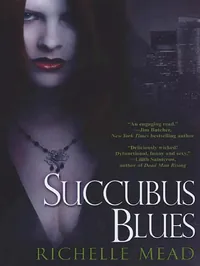
Succubus Heat

 84
84

Succubus Heat
Richelle Mead’s *Succubus Heat* presents a familiar archetype—the succubus—but injects it with a narrative urgency that is hard to ignore. The book excels in its depiction of the protagonist's internal conflict, wrestling with desires that are both empowering and inherently dangerous. A notable strength is the intricate plotting, which manages to maintain suspense even as it delves into the supernatural mechanics at play. However, the pacing occasionally falters, particularly in the middle sections where the narrative seems to tread water before accelerating toward its climax. The exploration of the succubus as a source of both power and peril is compelling, though at times the moral quandaries feel slightly underdeveloped, overshadowed by plot necessity. Despite these reservations, the work effectively portrays the seductive nature of forbidden power and its inevitable cost.
Ultimately, *Succubus Heat* offers a spirited, if occasionally uneven, take on supernatural entanglements.
📝 Description
84
Richelle Mead's 2009 novel, Succubus Heat, examines supernatural temptation and its consequences.
Succubus Heat, published in 2009, is a novel by Richelle Mead. It delves into the supernatural, focusing on human desire and its repercussions. The story features characters who interact with forces beyond the ordinary, often blurring the distinction between personal choice and external pressures. Readers who enjoy supernatural fiction with a psychological edge will find its exploration of temptation, power dynamics between humans and otherworldly beings, and the moral complexities of such relationships thought provoking. The book engages with forbidden desires and their fallout.
The narrative wrestles with the succubus archetype, a figure from folklore known for demonic seduction and life force draining. It considers pacts, both overt and subtle, made between mortals and supernatural entities, and the resulting duties and perils. Mead's work also touches on identity, specifically how individuals perceive themselves when involved with potent, frequently ruinous, supernatural forces. These themes are presented within a narrative that challenges ethical boundaries.
Published in 2009, Succubus Heat arrived during a period of heightened public interest in paranormal romance and urban fantasy. While sharing genre elements with popular series of the time, Mead's novel often treads into more complex ethical areas. The growing presence of the internet also fostered wider conversations about esoteric concepts, potentially shaping how readers approached supernatural themes in literature.
💡 Why Read This Book?
• You will explore the psychological toll of supernatural pacts, as depicted through the protagonist’s struggle with the succubus entity, a concept rooted in ancient demonology. • You can analyze the power dynamics between mortals and otherworldly beings, drawing parallels to folklore and modern interpretations of demonic influence that emerged around 2009. • You will feel the tension of navigating forbidden desires and their consequences, a theme vividly illustrated in the narrative's exploration of temptation and its repercussions.
⭐ Reader Reviews
Honest opinions from readers who have explored this book.
❓ Frequently Asked Questions
What is the primary supernatural element in Richelle Mead's Succubus Heat?
The primary supernatural element is the succubus, a demon from folklore traditionally associated with seduction and the draining of life force, central to the plot and character dynamics.
When was Succubus Heat first published?
Succubus Heat was first published in 2009, placing it within the boom of paranormal and urban fantasy fiction that gained significant popularity in the late 2000s.
Does Succubus Heat explore themes of temptation and desire?
Yes, the book deeply explores themes of temptation and desire, examining how these forces, particularly when tied to supernatural entities, can lead to both power and peril.
What kind of reader would enjoy Succubus Heat?
Readers who enjoy supernatural fiction with darker themes, psychological depth, and explorations of moral ambiguity in the face of forbidden power will find this book engaging.
Are there any specific mythological figures referenced in Succubus Heat?
The central mythological figure is the succubus, a demon from various European folk traditions, whose characteristics and influence are integral to the novel's narrative.
What is the genre of Succubus Heat?
Succubus Heat is categorized as esoteric fiction, specifically falling under the umbrella of supernatural and paranormal fiction with a focus on darker, more complex themes.
🔮 Key Themes & Symbolism
The Succubus Archetype
The succubus, a figure of ancient demonology, is central to this work, representing not merely a seductive entity but a complex force of temptation and power. The narrative examines how this archetype manifests and impacts mortal characters, blurring lines between external demonic influence and internal human desires. It questions the nature of agency when one is entangled with such a primal, often destructive, supernatural force, exploring the inherent dangers and seductive allure of forbidden power that echoes through occult traditions.
Forbidden Desire and Consequence
This novel probes the dangerous allure of forbidden desires and the inevitable repercussions that follow. It illustrates how succumbing to such temptations, often facilitated by supernatural pacts or influences, can lead to profound personal transformation, but also to destruction. The narrative acts as a cautionary exploration of ambition and lust when intertwined with otherworldly forces, reflecting a long-standing theme in esoteric literature where the pursuit of forbidden knowledge or power comes at a steep price.
Power Dynamics and Agency
Succubus Heat studies the intricate power dynamics that arise when mortals interact with supernatural beings. It questions the extent of free will and personal agency in the face of overwhelming demonic influence or seductive pacts. The characters’ struggles highlight the complex interplay between external forces and internal choices, examining how individuals assert or lose control over their destinies. This theme speaks to esoteric discussions on spiritual warfare and the constant negotiation between divine, demonic, and human will.
Moral Ambiguity
The narrative embraces moral ambiguity, presenting characters and situations that defy simple categorization into good or evil. The succubus, often seen as purely malevolent, is portrayed with layers that complicate her role, and mortal characters are forced to make difficult choices with no clear 'right' answer. This exploration of shades of grey, where even seemingly virtuous actions can have dark undertones and vice versa, aligns with esoteric traditions that often explore the balance of light and shadow within the cosmos and the human soul.
💬 Memorable Quotes
Direct passages from the work, attributed to the author.
“The line between desire and destruction is thinner than you think.”
— This statement captures the core conflict of the narrative, suggesting that the pursuit of intense longing, especially when linked to supernatural forces, can easily cross into perilous territory, leading to ruin.
“Some powers come with a price that can consume you.”
— This highlights the theme of consequence, warning that the acquisition of extraordinary abilities, particularly those derived from demonic or succubus entities, often involves a devastating cost to the user's being.
“Temptation whispers promises, but rarely reveals the full cost.”
— This emphasizes the deceptive nature of temptation, particularly when presented by supernatural beings. It suggests that allure often obscures the true, potentially ruinous, price that must eventually be paid.
“Understanding the darkness within is the first step to controlling it.”
— This points to the introspective journey of the characters, suggesting that confronting one's own inner shadows and potential for corruption is essential for any form of mastery or survival.
“Pacts made in desperation often bind more than they save.”
— This reflects on the nature of agreements with supernatural entities, implying that desperate bargains, while intended for salvation, frequently result in unintended and binding consequences that worsen the situation.
🌙 Esoteric Significance
Tradition
The work engages with the demonological tradition, specifically focusing on the succubus figure prevalent in Western esotericism and folklore. It draws upon centuries of lore concerning demonic entities that prey on human desire and life force. While not strictly adhering to any single occult system, it taps into a broader current of thought that views certain supernatural entities as embodying primal forces of temptation and corruption, reflecting a Gnostic sensibility regarding the corrupting influence of lower spiritual realms.
Symbolism
The succubus herself serves as a potent symbol of forbidden desire, corrupted power, and the seductive nature of the shadow self. The act of 'binding' or making pacts symbolizes the dangerous allure of shortcuts to power or fulfillment, often involving a Faustian bargain. Blood, frequently a motif in such narratives, symbolizes life force, lineage, and the ultimate price paid in supernatural transactions, representing the very essence being bartered or drained.
Modern Relevance
Contemporary paranormal fiction and urban fantasy continue to draw inspiration from the archetypes explored in *Succubus Heat*. Thinkers and practitioners exploring Jungian shadow work or modern interpretations of demonology in psychological contexts might find parallels. Furthermore, the novel's exploration of consent, power dynamics, and the consequences of desire in supernatural contexts speaks to current discussions around agency and ethical boundaries in speculative fiction and even in some modern occult discourse.
👥 Who Should Read This Book
• Readers interested in demonology and folklore: Those seeking to explore the succubus archetype beyond its superficial portrayal will find a narrative that studies its historical and symbolic weight. • Fans of dark urban fantasy: Individuals who appreciate supernatural fiction that doesn't shy away from morally complex characters and the darker consequences of magic and desire will be engaged. • Students of character psychology in fiction: Readers who enjoy dissecting the internal conflicts and motivations of characters grappling with temptation and supernatural influence will find ample material for analysis.
📜 Historical Context
Richelle Mead's *Succubus Heat*, published in 2009, arrived during a fervent period for paranormal romance and urban fantasy. This era saw authors like Charlaine Harris with her *Southern Vampire Mysteries* and Laurell K. Hamilton pushing boundaries in supernatural fiction. Mead’s work, while sharing thematic elements like supernatural beings interacting with human society, often explored darker, more morally ambiguous territories than some of its contemporaries. The 2009 publication date places it amidst a cultural landscape where online forums and fan communities were becoming increasingly influential in shaping genre reception and discussion, allowing for rapid dissemination of interpretations and critiques. The reception of such works, while generally positive within their target demographics, sometimes faced criticism from more traditional literary circles for their genre conventions, though *Succubus Heat* distinguished itself with its focus on the psychological toll of demonic pacts.
📔 Journal Prompts
The succubus's allure and the protagonist's struggle with temptation.
Reflect on the nature of pacts and their binding consequences.
Analyze the power balance between mortal and supernatural entities.
Consider the narrative's portrayal of moral ambiguity.
Explore the concept of the shadow self as represented by the succubus.
🗂️ Glossary
Succubus
A demon in female form, believed in folklore and demonology to lie upon sleepers, especially men, to have sexual intercourse with them and drain their life force.
Pact
A formal agreement, often involving supernatural entities, where one party grants something (like power or knowledge) in exchange for a service, soul, or life force from the other.
Archetype
A recurring symbol, character type, or motif in literature and mythology that represents universal patterns of human nature or experience.
Demonology
The study or belief in demons, their nature, hierarchy, and influence, often found in religious and occult traditions.
Shadow Self
In Jungian psychology, the unconscious aspects of the personality that the conscious ego does not identify in itself; the darker, repressed, or unknown parts of the psyche.
Life Force
The vital energy or essence believed to animate living beings, often conceptualized in esoteric traditions as something that can be transferred, drained, or replenished.
Moral Ambiguity
The quality of being open to more than one interpretation; lacking a clear moral or ethical stance, where characters and situations are neither purely good nor evil.
🔮 Readers Also Liked
Browse all →









More by Richelle Mead
All books →




More Free Occult Philosophy Books
View all →