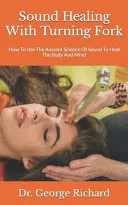
Sound Healing With Turning Fork
 79
79

Sound Healing With Turning Fork
Dr. George Richard’s "Sound Healing With Tuning Fork" presents a clear, if somewhat generalized, overview of sonic therapeutics. The comparison to massage therapy is a sensible entry point for newcomers, effectively demystifying a practice that can seem arcane. The work’s strength lies in its accessible categorization of various sound healing modalities, offering a structured understanding of a broad field. However, the lack of deep dives into specific tuning fork frequencies or their precise physiological effects is a notable limitation. While the 2021 publication date places it within a contemporary discussion of wellness, it sometimes feels like it is sketching the landscape rather than mapping specific territories. The section discussing sound de-stressing, for instance, explains the concept but offers limited actionable guidance for practitioners looking for detailed protocols. It serves well as an introductory primer but may leave seasoned practitioners wanting more specific technical detail.
📝 Description
79
Dr. George Richard's 2019 book details how sonic frequencies can be used for therapeutic purposes.
Sound Healing With Tuning Forks, by Dr. George Richard, introduces the practice of using sonic frequencies for therapeutic aims. The book categorizes sound healing into distinct methods, including music therapy, sound-based de-stressing, meditation through sound, and sound baths. Richard presents sound therapy as a sensory approach akin to massage, meant to induce relaxation, release tension, and recalibrate the body's systems. This work is for anyone interested in alternative health practices, holistic wellness practitioners, therapists looking to broaden their methods, and the general public curious about non-invasive well-being techniques. Readers interested in vibrational medicine and energetic healing will find valuable information here.
Richard situates sound healing within a wide range of therapeutic interventions, drawing connections to established practices. While not providing a detailed history, he acknowledges sound therapy's use for centuries in promoting relaxation and resetting bodily functions. The book implicitly references the current interest in sound therapy through its discussion of modern applications like sound baths and sound-led meditation. The core concept is sonic resonance as a therapeutic agent, explaining how specific frequencies can interact with the body's cellular structure and energy field to foster balance and healing. The text differentiates between passive and active sound healing, outlining applications from deep relaxation to more specific energetic adjustments.
This book connects to traditions that view sound not merely as auditory input but as a fundamental energetic force. Ancient cultures worldwide recognized the power of chanting, specific tones, and musical instruments to alter consciousness and promote physical well-being. Richard's work echoes these ideas by framing sonic frequencies as agents capable of interacting with the body's energetic field and cellular structure. It aligns with esoteric philosophies that see the universe and human physiology as governed by vibration, where targeted frequencies can restore harmony and facilitate healing.
💡 Why Read This Book?
• Gain an understanding of how sound healing modalities like sound baths and sound-led meditation function, as presented in the book's categorization. • Explore the analogy between sound therapy and massage therapy, as discussed in the initial sections, to grasp its sensory and relaxation benefits. • Learn about the concept of sonic resonance as a therapeutic agent, a core idea explored by Dr. George Richard in this 2021 publication.
⭐ Reader Reviews
Honest opinions from readers who have explored this book.
❓ Frequently Asked Questions
What is sound healing according to Dr. George Richard?
Dr. George Richard defines sound healing as a spectrum of treatments including music therapy, sound de-stressing, sound-led meditation, and sound baths, all aimed at promoting relaxation and system reset.
How does sound healing compare to massage therapy?
The book likens sound healing to massage therapy, describing it as a sensory modality used to help the body relax, release tension, and reset its systems.
When was Sound Healing With Tuning Fork first published?
Sound Healing With Tuning Fork by Dr. George Richard was first published on September 20, 2021.
What are some of the different types of sound healing mentioned?
The book discusses music therapy, sound de-stressing, sound-led meditation, and sound baths as key types of sound healing practices.
What is the primary goal of sound healing as described in the book?
The primary goal is to help the body relax, release tension, and reset its systems through the application of specific sonic frequencies and therapeutic sounds.
Is this book for beginners or advanced practitioners?
The book appears to be structured as an introductory guide, making it suitable for beginners interested in the foundational concepts of sound healing.
🔮 Key Themes & Symbolism
Sonic Modalities
The work systematically breaks down sound healing into distinct categories, such as music therapy, sound de-stressing, sound-led meditation, and sound baths. Each modality is presented with its unique approach to utilizing sonic frequencies for therapeutic outcomes. The book emphasizes that these are not isolated practices but part of a broader spectrum of sonic interventions aimed at physical and mental well-being, offering a structured understanding for those new to the field.
Vibrational Resonance
A core concept explored is the principle of vibrational resonance, wherein specific sound frequencies are understood to interact with the body's energetic field and cellular structure. The book posits that these vibrations can facilitate a process of recalibration, helping to restore balance and promote healing. This energetic perspective underpins the therapeutic efficacy attributed to sound healing practices discussed within the text.
Sensory Therapeutic Parallel
The book frequently draws a comparison between sound healing and massage therapy, framing both as sensory-based treatments. This analogy serves to make the practice of sound healing more accessible by relating it to a well-understood form of physical therapy. It highlights how both methods engage the senses to induce relaxation, alleviate tension, and support the body's natural restorative processes.
System Reset
A recurring theme is the capacity of sound healing to facilitate a 'system reset' within the body. This concept refers to the ability of therapeutic sound frequencies to help calm an overstimulated nervous system, reduce stress responses, and bring the body and mind back into a state of equilibrium. The work suggests that this reset is crucial for overall health and well-being.
💬 Memorable Quotes
Direct passages from the work, attributed to the author.
“Sound medical care could be a spectrum of treatment choices that will embody music medical care, sound de-stressing, sound-led meditation, sound baths, and alternative kinds of practices.”
— This statement defines the scope of sound healing, presenting it as a diverse field encompassing various techniques. It highlights the breadth of applications, from structured music therapy to more immersive experiences like sound baths, positioning it as a complex approach to wellness.
“Sound medical care is often simply compared to massage medical care.”
— This comparison serves as an accessible entry point for readers unfamiliar with sound healing. By relating it to the widely understood practice of massage, the text frames sound therapy as a tangible, sensory-based modality focused on physical relaxation and tension release.
“Massage medical care could be a style of sensory medical care used for many years to assist the body cut down, unleash tension, and assist the system to reset.”
— This elaborates on the massage therapy analogy, detailing its purpose: to induce relaxation, release physical tension, and aid the body's natural ability to reset. This description directly mirrors the intended effects of sound healing as presented in the book.
“Sound medical care will do a similar”
— Following the description of massage therapy's benefits, this concise statement directly attributes similar outcomes to sound healing. It reinforces the core premise that sound therapy operates through sensory engagement to achieve relaxation and systemic balance.
“Sound de-stressing, sound-led meditation, sound baths.”
— This excerpt lists specific techniques within the broader field of sound healing. It offers concrete examples of how sound is applied therapeutically, ranging from focused relaxation exercises to immersive sonic environments designed for deeper meditative states.
🌙 Esoteric Significance
Tradition
While not explicitly aligning with a single esoteric lineage, the work touches upon principles common in various vibrational and energetic healing traditions. Its focus on resonance and the body's energetic field echoes concepts found in Theosophy and certain interpretations of Hermeticism that explore the subtle bodies and their interaction with cosmic forces. The book translates these often abstract ideas into practical, accessible techniques for modern wellness seekers.
Symbolism
The tuning fork itself serves as a primary symbol, representing precision, clarity, and the ability to generate specific, pure frequencies. Its use signifies a deliberate and controlled application of sonic energy for therapeutic intent. The concept of 'resonance' acts as another key motif, symbolizing harmony, attunement, and the interconnectedness of sound, body, and mind.
Modern Relevance
Contemporary practitioners of mindfulness, biofield therapy, and somatic experiencing may find value in the book's foundational concepts. The emphasis on accessible sound healing modalities like sound baths and guided meditation aligns with current trends in mental health and stress reduction. Thinkers exploring the intersection of physics, consciousness, and healing might also find its approach to vibrational medicine a useful starting point for further investigation.
👥 Who Should Read This Book
• Individuals new to sound healing practices, seeking a clear introduction to different modalities like sound baths and sound-led meditation. • Wellness practitioners, therapists, and coaches looking to integrate basic sound therapy principles and techniques into their client sessions. • Anyone interested in understanding the relationship between sound, relaxation, and physical well-being from a practical, sensory-based perspective.
📜 Historical Context
Published in 2021, Dr. George Richard's "Sound Healing With Tuning Fork" emerges amidst a significant contemporary revival of interest in holistic and vibrational therapies. This resurgence is partly a reaction against the increasingly technological and sometimes impersonal nature of Western medicine, drawing parallels to the New Age movements of the late 20th century. While the book doesn't study specific historical figures or movements, it implicitly acknowledges ancient traditions that have long utilized sound for healing. Its approach, focusing on accessible modalities like sound baths and de-stressing, aligns with modern wellness trends. It stands in contrast to more esoteric or religiously framed sonic practices found in traditions like Gregorian chant or certain shamanic rituals, offering a secularized, therapeutic framework. The work does not appear to have engaged with specific contemporary scholars or faced notable reception events, positioning itself as a practical guide for a broad audience rather than an academic treatise.
📔 Journal Prompts
The spectrum of sound healing modalities described.
The comparison between sound healing and massage therapy.
The concept of sonic resonance as a therapeutic agent.
The idea of a 'system reset' through sound.
Specific sound healing techniques like sound baths or sound-led meditation.
🗂️ Glossary
Sound Healing
A therapeutic practice utilizing sonic frequencies and vibrations to promote relaxation, reduce stress, and support the body's natural healing processes.
Tuning Fork
A two-pronged metal instrument that vibrates at a specific frequency when struck, used in sound healing to generate precise tones for therapeutic application.
Sound Bath
An immersive experience where participants relax and absorb therapeutic sounds and vibrations produced by instruments like singing bowls, gongs, and tuning forks.
Sound De-stressing
Techniques employing sound to alleviate mental and physical tension, promoting a state of calm and relaxation.
Sound-Led Meditation
Guided meditation practices that incorporate specific sounds or sonic frequencies to deepen focus, enhance relaxation, and facilitate meditative states.
Sonic Resonance
The phenomenon where an object or system vibrates at a higher amplitude when exposed to a frequency that matches its own natural frequency, applied here to the body's energetic and physical systems.
Sensory Modality
A method of treatment or therapy that engages the senses (sight, sound, touch, smell, taste) to achieve a therapeutic outcome.