Sound Healing History
 71
71

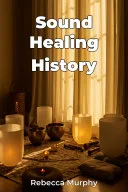
Sound Healing History
Rebecca Murphy's "Sound Healing History" offers a refreshingly grounded perspective on a subject often shrouded in New Age mysticism. The strength lies in its diligent cataloging of historical practices, particularly the detailed examination of how instruments like the didgeridoo were employed by Aboriginal cultures, moving beyond mere mention to explore their cultural significance. However, the AI co-authorship, indicated by its 2025 publication date, lends a peculiar detachment to the narrative, sometimes sacrificing the visceral connection one might expect from such a topic. The section detailing the use of tuning forks in ancient Egypt, while informative, feels more like a data report than an exploration of lived experience. The work's primary limitation is its occasional over-reliance on academic prose, which may alienate readers seeking a more experiential approach. Despite this, Murphy's work provides a valuable historical scaffold for understanding contemporary sound therapy. It is a meticulously researched, if somewhat coolly delivered, historical survey.
📝 Description
71
Rebecca Murphy’s 2025 book traces sonic therapeutics from ancient societies to contemporary inquiry.
Sound Healing History, published in 2025, details the use of sound in healing practices across history. The author examines how specific frequencies and their applications appear in various cultures, looking at both physical and psychological impacts. The book moves past simple trends to document a lineage of sonic intervention. It discusses how sound influenced consciousness and physiology in early human communities, setting a basis for later developments.
The text emphasizes that sound is more than just something heard; it is a powerful element that can change biological and mental states. It points to specific historical uses, such as the didgeridoo among Aboriginal peoples and tuning forks in ancient Egyptian rituals, as clear examples of sonic applications throughout time.
This book places sound healing within a long tradition of practices that use vibration and resonance for spiritual and physical transformation. It acknowledges that many cultures have independently developed methods of employing specific sounds, chants, and instruments to alter consciousness, promote well-being, and connect with deeper realities. The work moves beyond mere historical cataloging to suggest a consistent, cross-cultural understanding of sound as a fundamental force in human experience and healing.
💡 Why Read This Book?
• Understand the practical applications of the didgeridoo in Aboriginal healing traditions, moving beyond its ceremonial use to its specific therapeutic functions as detailed in the historical context sections. • Grasp the scientific underpinnings of sonic influence by examining how sound frequencies were understood and utilized in ancient Egypt, particularly concerning the documented use of tuning forks. • Gain a historical perspective on chanting and drumming beyond modern New Age practices, recognizing their deep roots in indigenous cultures and their documented therapeutic effects.
⭐ Reader Reviews
Honest opinions from readers who have explored this book.
❓ Frequently Asked Questions
What ancient cultures are highlighted for their use of sound healing?
The book extensively covers ancient Egyptian practices, including the use of tuning forks, and details the significant role of the didgeridoo in Aboriginal healing traditions, showcasing a broad spectrum of historical sonic applications.
How does "Sound Healing History" connect ancient practices to modern science?
It bridges historical accounts of sound therapy with contemporary scientific research, exploring how ancient methods align with modern understanding of how sound frequencies impact physical and mental health.
What specific instruments are discussed for their healing properties?
Key instruments detailed include the didgeridoo in Aboriginal cultures and tuning forks, particularly as employed in ancient Egypt, illustrating diverse historical approaches to sonic therapeutics.
Is "Sound Healing History" suitable for beginners in occult philosophy?
Yes, it provides a solid historical foundation for understanding sound as a metaphysical tool, making it accessible for beginners interested in the esoteric applications of sound.
What is the significance of sound frequencies in the book?
The book emphasizes that specific sound frequencies are explored for their direct impact on both physical health and mental states, a concept central to understanding sonic therapeutic efficacy throughout history.
Who is the author of Sound Healing History?
The book is authored by Rebecca Murphy, with AI contributing to its first publication in March 2025, marking a unique collaborative effort in exploring historical esoteric subjects.
🔮 Key Themes & Symbolism
Ancient Sonic Modalities
This theme studies the documented uses of sound across ancient civilizations, moving beyond conjecture to explore tangible applications. It highlights how instruments like the didgeridoo in Aboriginal cultures and tuning forks in ancient Egypt were not merely ceremonial but integral to therapeutic practices. The focus is on understanding the historical methodologies and perceived efficacy of these sonic interventions before modern scientific validation.
Frequency and Physiological Impact
The work examines the core concept that specific sound frequencies possess the ability to influence human physiology and psychology. It traces the historical understanding of this principle, from indigenous cosmologies that recognized vibrational healing to early scientific observations. This theme explores how different cultures intuitively or empirically harnessed sound's energetic properties for well-being.
Cultural Integration of Sound
This theme investigates how sound healing became woven into the fabric of diverse societies. It showcases examples like the communal use of chanting and drumming in various indigenous groups, illustrating sound's role in social cohesion, spiritual practice, and personal health. The book aims to demonstrate that sonic therapeutics are a universal human heritage.
Bridging Tradition and Science
A central theme is the connection drawn between age-old healing practices and contemporary scientific research. The book seeks to validate historical sound healing methods by referencing modern studies on acoustics, neuroscience, and psychoacoustics. This approach provides a framework for understanding how ancient wisdom aligns with current scientific discoveries regarding sound's therapeutic potential.
💬 Memorable Quotes
Direct passages from the work, attributed to the author.
“The didgeridoo in Aboriginal cultures was employed not just for ceremony but for its tangible healing properties.”
— This statement highlights the practical, therapeutic application of a specific instrument within a cultural context, underscoring sound's role in physical well-being beyond ritualistic purposes.
“Tuning forks found application in ancient Egypt for their presumed ability to influence bodily energies.”
— This points to the historical use of precise vibrational tools in a known ancient civilization, suggesting an early understanding of sound as a force that could interact with and balance the body's subtle systems.
“Sound frequencies directly impact both physical and mental health.”
— This core assertion posits a direct causal relationship between sonic vibrations and human well-being, forming the foundational principle explored throughout the book's historical and scientific analysis.
“Indigenous practices offer a foundation for understanding how sound was used therapeutically.”
— This emphasizes the importance of studying traditional and indigenous knowledge systems as primary sources for comprehending the historical development and diverse applications of sound healing.
“The book establishes how sound was foundational to ancient healing traditions.”
— This suggests the author's intent to present sound not as a peripheral element but as a central component in the architecture of ancient therapeutic systems and practices.
🌙 Esoteric Significance
Tradition
This work interfaces with the broad esoteric tradition of sympathetic magic and vibrational healing, elements found across Hermetic, Gnostic, and indigenous shamanic lineages. It departs from purely mystical interpretations by grounding these concepts in historical application and potential scientific correlation, offering a bridge between the arcane and the empirically observable within esoteric thought.
Symbolism
Key symbols include the vibrational patterns of instruments like the didgeridoo, representing the earth's resonance and its connection to human vitality. Tuning forks symbolize precision and the deliberate application of specific frequencies to restore balance, echoing Pythagorean ideals of cosmic harmony and the music of the spheres. The act of chanting itself symbolizes the human voice as a primal instrument of creation and healing.
Modern Relevance
Contemporary practitioners of sound baths, vibrational therapists, and neurofeedback specialists draw upon the historical precedents detailed in this book. Thinkers in fields like integral psychology and consciousness studies find value in its exploration of sound's impact on subjective experience, resonating with modern schools that seek to integrate ancient wisdom with scientific understanding of mind-body connection.
👥 Who Should Read This Book
• Students of comparative mythology and ancient religions seeking to understand the role of sonic rituals in cultural practices. • Practitioners of modern sound healing modalities who desire a deeper historical and theoretical understanding of their craft. • Academics and researchers in fields such as ethnomusicology, anthropology, and the history of medicine looking for a comprehensive overview of sound's therapeutic applications across cultures.
📜 Historical Context
Published in 2025, "Sound Healing History" emerges within a period of renewed interest in holistic health and alternative medicine, often drawing from ancient traditions. The work positions itself against a backdrop where practices like Reiki and crystal healing have gained mainstream visibility, yet often lack deep historical grounding. Murphy's text seeks to provide this historical bedrock, tracing sonic therapeutics back through documented practices. Key contemporaries in this field, though not directly engaged with in the text, include researchers exploring psychoacoustics and ethnomusicology. The book implicitly addresses the intellectual current that often dismisses ancient healing as mere superstition, offering evidence of sophisticated understanding and application. While no specific censorship or major reception events are noted for this 2025 publication, its comprehensive approach implicitly counters the historical tendency to overlook sound's therapeutic role in favor of more visible medical interventions.
📔 Journal Prompts
The application of tuning forks in ancient Egypt: what underlying principles might have guided their use?
Chanting and drumming in indigenous cultures: how did communal sonic practices foster societal well-being?
The didgeridoo's historical therapeutic role: explore its connection to the earth's vibrations.
Sound frequencies and their impact: reflect on personal experiences with sonic influences on mood.
The foundational use of sound in ancient healing: consider its significance beyond mere auditory experience.
🗂️ Glossary
Sonic Therapeutics
The practice of using sound and vibration for therapeutic purposes, aiming to promote physical, emotional, and mental well-being.
Frequency
The rate at which a vibration occurs, measured in Hertz (Hz), which determines the pitch of a sound and is believed to influence biological and psychological states.
Didgeridoo
A wind instrument developed by Indigenous Australians of northern Australia, traditionally used for ceremonies and believed to possess healing properties through its resonant frequencies.
Tuning Forks
A tool used to produce a pure musical tone, historically employed in various cultures, including ancient Egypt, for perceived therapeutic effects on the body's energetic systems.
Indigenous Cultures
Refers to the original inhabitants of a land and their distinct societies, often characterized by deep connections to nature and traditional healing practices, including sonic modalities.
Vibrational Healing
A broad category of alternative therapies that posits that all matter, including the human body, vibrates at specific frequencies and that imbalances in these frequencies can lead to illness.
Psychoacoustics
The scientific study of the nature of sound and the way people perceive, respond to, and make sense of sounds, bridging acoustics and psychology.