Secret Societies
 71
71

Secret Societies
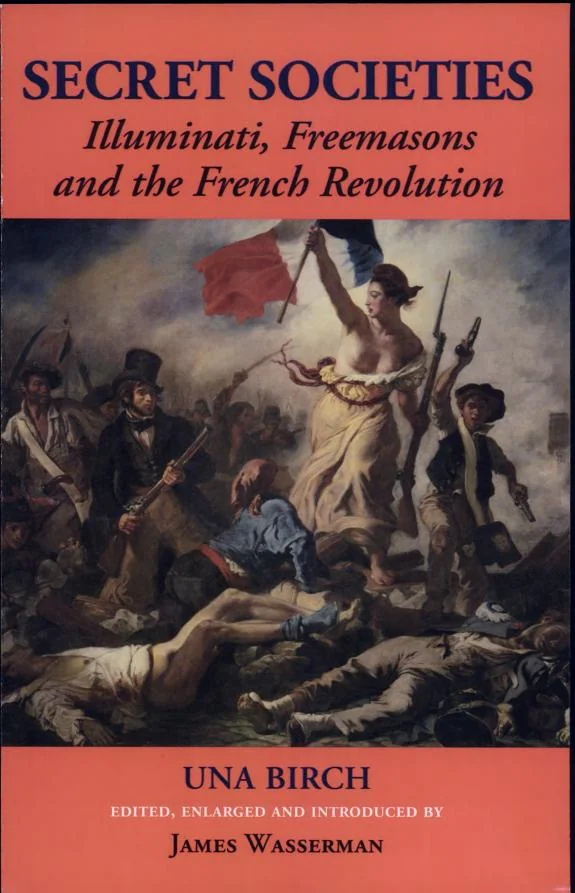
Una Birch's *Secret Societies* offers a compelling, if occasionally breathless, account of clandestine European movements in the 18th century. The author excels at presenting figures like Cagliostro and the Comte de Saint-Germain not as mere historical footnotes, but as active agents of change, weaving through royal courts and Masonic halls with revolutionary intent. Birch effectively illustrates the convergence of alchemical pursuits with political aspirations, a potent combination often overlooked in standard historical accounts. A notable strength is the detailed portrayal of the intellectual climate, where Enlightenment reason coexisted with deep-seated occult beliefs. However, the book sometimes struggles to firmly anchor its claims, occasionally bordering on speculative assertion when direct evidence is scarce, particularly regarding the precise coordination of these disparate groups. A passage detailing the alleged collaboration between alchemists and political pamphleteers during the pre-revolutionary period stands out for its evocative depiction of hidden influence. Ultimately, Birch provides a valuable, if sometimes impressionistic, glimpse into the secret world she aims to illuminate.
📝 Description
71
Una Birch's *Secret Societies* examines clandestine networks from eighteenth-century European royalty to Masonic lodges.
Una Birch's *Secret Societies* investigates the hidden organizations that have influenced historical events. The book moves beyond a simple academic overview to show the connections beneath public occurrences. Birch follows the actions of individuals who worked outside official systems, charting their impact from the drawing rooms of European nobility to the private rooms of Freemasonry.
The work is for readers who believe official history omits crucial details. It will interest those drawn to the interaction between occult ideas, political strategy, and societal change. Those curious about the real drivers of revolutions or the hidden lines of descent in alchemy and magic will find their questions addressed. Birch focuses on the late eighteenth century, a period of intellectual growth during the Enlightenment and growing unrest. During this time, alchemists, magicians, and mystics met with philosophers, politicians, and artists. The book details how these groups, sometimes working together secretly, aimed to alter existing social and political orders.
This book fits within the study of Western esotericism, specifically looking at the historical manifestations of groups interested in hidden knowledge and spiritual advancement. It connects the intellectual currents of the Enlightenment with older magical and alchemical traditions. The focus on figures who blended occult practices with social and political ambition places it alongside studies of Rosicrucianism, Freemasonry, and other initiatory orders that sought to reform society through secret means.
💡 Why Read This Book?
• Understand the specific historical milieu of the late 18th century, where figures like the Comte de Saint-Germain moved between alchemical societies and royal courts, seeking to influence political events. • Grasp the concept of 'magical politics,' exploring how esoteric beliefs and practices were integrated into revolutionary aspirations and social reform movements of the period. • Discover the interconnectedness of various secret orders, from Masonic lodges to alchemical circles, and how they were perceived as challenging the established social and political order of their time.
⭐ Reader Reviews
Honest opinions from readers who have explored this book.
❓ Frequently Asked Questions
What historical period does Una Birch's 'Secret Societies' primarily focus on?
The book primarily focuses on the late eighteenth century in Europe, a period marked by the Enlightenment and significant social and political upheaval, detailing the activities of figures like Cagliostro and the Comte de Saint-Germain.
Who were some key individuals discussed in 'Secret Societies'?
Key figures include the enigmatic Comte de Saint-Germain, known for his purported knowledge of alchemy and longevity, and Alessandro Cagliostro, a controversial occultist and adventurer implicated in various European intrigues.
What role did alchemy play in the secret societies described?
Alchemy is presented not just as a proto-scientific pursuit but as a spiritual and transformative practice that influenced the worldview and goals of many members of secret societies, often intertwined with revolutionary or reformist ideals.
How does the book connect secret societies to political events like revolutions?
The book suggests that members of these societies, armed with esoteric knowledge and networks, actively sought to influence or instigate political change, aiming to overturn the existing social order of the eighteenth century.
What is the 'veil of daily events' mentioned in the book's blurb?
The 'veil of daily events' refers to the hidden layer of influence and activity orchestrated by secret societies, suggesting that behind public history lie concealed machinations and agendas shaping world events.
Is 'Secret Societies' a historical analysis or a speculative work?
It functions as a blend, drawing on historical figures and events while exploring the esoteric and often speculative beliefs and activities associated with these clandestine groups, particularly in the context of the 18th century.
🔮 Key Themes & Symbolism
The Alchemical Revolution
This theme explores the dual nature of alchemy presented in the book: not merely a quest for gold, but a profound path to spiritual and societal transformation. Birch details how alchemical ideals informed the revolutionary fervor of the late 18th century. Figures like the Comte de Saint-Germain are depicted as embodying this synthesis, using their perceived mastery of esoteric arts to influence political discourse and challenge the established order, suggesting that the pursuit of material and spiritual perfection was intrinsically linked to the desire for a new world.
Conspiracies and Courts
The book examines the intricate dance between secret societies and the formal power structures of eighteenth-century Europe. It highlights how individuals like Cagliostro navigated royal courts, Masonic lodges, and revolutionary circles, often blurring the lines between legitimate political action and clandestine manipulation. This theme investigates the perception of these groups as hidden hands guiding events, fostering unrest, and working to dismantle the existing social hierarchy through a combination of influence, esoteric knowledge, and revolutionary zeal.
The Enlightenment's Shadow
Birch challenges the conventional view of the Enlightenment solely as a period of rationalism by clear the concurrent flourishing of occultism and secret societies. This theme focuses on the paradox of an era championing reason while simultaneously embracing mysticism, alchemy, and hidden knowledge. It illustrates how figures and groups sought esoteric solutions to societal problems, operating within the intellectual currents of the time but pursuing goals often antithetical to mainstream Enlightenment thought.
Esoteric Networks
This theme explores the organizational structures and interconnections of various secret orders during the specified period. It maps the relationships between Freemasons, Rosicrucians, alchemists, and other mystical adepts, revealing a complex web of communication and shared purpose. The work emphasizes how these networks facilitated the exchange of ideas and the coordination of activities aimed at social and political reform, acting as parallel institutions outside the purview of state control.
💬 Memorable Quotes
Direct passages from the work, attributed to the author.
“Cagliostro and Saint-Germain moved through the royal courts and Masonic lodges of eighteenth-century Europe.”
— This highlights the central figures and their environments, positioning them as active participants in the power dynamics and hidden networks of the era, bridging the esoteric and the political.
“Alchemists, magicians, Illuminati adepts, mystics, and Freemasons joined forces with politicians, journalists, scientists, writers, philosophers and libertines.”
— This illustrates the broad coalition Birch describes, emphasizing the surprising convergence of individuals from diverse fields united by a desire to overturn the social order.
“The work explores the secret world behind the veil of daily events.”
— This metaphor frames the book's purpose: to reveal the hidden forces and clandestine activities that Birch argues have a significant, yet often unacknowledged, impact on history.
“Fomenting Revolution and working to overturn the social order of their day.”
— This concisely states the perceived objective of the individuals and groups discussed, portraying them as agents of radical change rather than passive observers of history.
“The book is an invitation to the secret world.”
— This framing suggests an active engagement from the reader, positioning the text as a guide into hidden domains of history and influence, rather than a detached academic study.
🌙 Esoteric Significance
Tradition
The work situates itself within the Western Esoteric Tradition, particularly focusing on Hermeticism, Rosicrucianism, and certain strands of Freemasonry prevalent in the 18th century. It explores how these traditions, often concerned with spiritual transformation and hidden knowledge, intersected with political and social ambitions. Birch examines how concepts of initiation, hidden hierarchies, and symbolic language, core to these traditions, were adapted by groups seeking to effect worldly change.
Symbolism
Key symbols explored include the alchemical processes, representing not just material transmutation but spiritual purification and the creation of a perfected society. The Masonic square and compass, while outwardly symbols of order and morality, are presented in their esoteric context as representing cosmic principles and the blueprint for rebuilding society. The figure of the 'adept' itself symbolizes mastery over both inner and outer worlds, a goal pursued by many individuals within these clandestine networks.
Modern Relevance
Contemporary movements interested in the intersection of spirituality and politics, or those exploring the historical roots of Western esotericism, draw upon the narratives presented in Birch's work. Thinkers and practitioners within neo-Hermeticism, esoteric history circles, and even certain anarchist or counter-cultural groups find resonance in the idea of hidden orders working to subvert established power structures and promote alternative social models, echoing the actions of figures like Cagliostro.
👥 Who Should Read This Book
• Students of the Western Esoteric Tradition: Those seeking to understand the historical manifestation of Hermetic, Rosicrucian, and Masonic ideas in practical, often revolutionary, contexts. • Historians of the Enlightenment and French Revolution: Readers interested in alternative perspectives on the period, focusing on clandestine networks and esoteric influences beyond conventional political narratives. • Investigators of Counter-Cultures and Social Movements: Individuals fascinated by how marginalized or hidden groups have historically sought to challenge and transform societal norms and power structures.
📜 Historical Context
Una Birch's *Secret Societies* engages with the intellectual and political ferment of the late eighteenth century, a period marked by the Enlightenment's emphasis on reason and the burgeoning calls for revolution. This era saw a fascinating, often contradictory, coexistence of rationalist thought with a deep undercurrent of occultism, mysticism, and esoteric philosophy. The work highlights figures like the Comte de Saint-Germain and Cagliostro, who embodied this blend, moving between aristocratic salons, Masonic lodges, and alchemical circles. They operated within a landscape where established monarchies were increasingly challenged, and new ideas about society and governance were circulating widely. The book implicitly contrasts the overt philosophical movements, such as those discussed by Denis Diderot, with the covert networks it describes, suggesting a parallel, hidden engine of change. While not a direct engagement, the reception of such works often occurred within the context of contemporary debates on secret societies, as seen in the writings of figures like Augustin Barruel, who viewed them with suspicion.
📔 Journal Prompts
The convergence of alchemists and politicians during the 18th century.
The symbolic meaning of Cagliostro's activities within Masonic lodges.
The concept of 'overturning the social order' as pursued by secret societies.
The relationship between Enlightenment ideals and esoteric pursuits.
The role of figures like the Comte de Saint-Germain in fomenting revolution.
🗂️ Glossary
Cagliostro
Alessandro Cagliostro (1743–1795), an Italian occultist, adventurer, and alleged Freemason, known for his claims of magical powers and involvement in various European intrigues and scandals during the late 18th century.
Comte de Saint-Germain
An enigmatic European adventurer and courtier of the 18th century, known for his claims of great age, mastery of alchemy, and involvement in European politics and esoteric circles.
Masonic lodges
The local assemblies or branches of Freemasonry, a fraternal organization that traces its origins to stonemasons' guilds, often associated with esoteric rituals, philosophical discussions, and philanthropic activities.
Illuminati
Historically, refers to the Bavarian Illuminati, a secret society founded in 1776 that opposed superstition, prejudice, and the influence of church and state, advocating for reason and enlightenment. The term is often used more broadly in conspiracy theories.
Alchemy
An ancient tradition combining chemistry, metallurgy, physics, medicine, astrology, semiotics, mysticism, and art. Its practitioners sought to achieve spiritual enlightenment and immortality alongside the transmutation of base metals into gold.
Social order
The pattern of human relationships and social institutions that form the basis of society. In the context of the book, it refers to the established political, economic, and hierarchical structures of eighteenth-century Europe.
Libertines
Individuals, especially in the 17th and 18th centuries, who rejected generally accepted moral principles, often associated with free thought, skepticism, and a pursuit of pleasure.
This book appears in 1 collection
🔮 Readers Also Liked
Browse all →





From the “Illuminati” Collection
View all →


More Free Freemasonry & Secret Societies Books
View all →