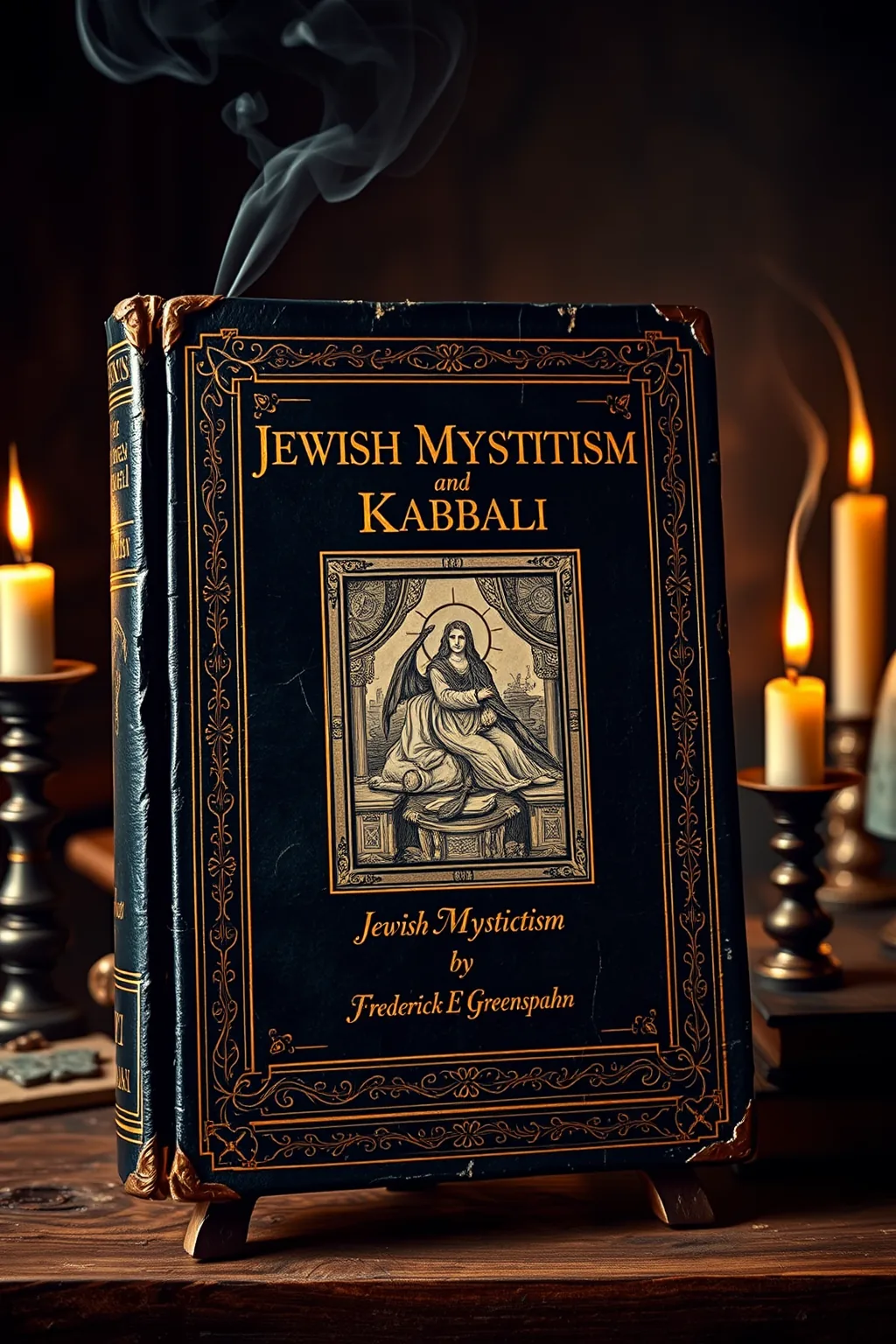
School of the Shadhdhuliyyah / Madrasah al-Shadhdhuliyah, vol. 1 : Orisons / transl. by 'Abd Allah Nur al-Din Durki [etc.]
![School of the Shadhdhuliyyah / Madrasah al-Shadhdhuliyah, vol. 1 : Orisons / transl. by 'Abd Allah Nur al-Din Durki [etc.] —](/img/school-of-the-shadhdhuliyyah-madrasah-al-shadhdhuliyah-vol-1-orisons-transl-by-abd-allah-nur-al-din--621576.webp)
 72
72

School of the Shadhdhuliyyah / Madrasah al-Shadhdhuliyah, vol. 1 : Orisons / transl. by 'Abd Allah Nur al-Din Durki [etc.]
The "School of the Shadhdhuli" offers a direct encounter with the devotional heart of a major Sufi order. The translation of the orisons by 'Abd Allah Nur al-Din Durki et al. provides accessible language for the profound invocations of Abul Hasan Ash-Shadhdhuli. A particular strength lies in the clear presentation of the Arabic alongside the English, allowing for comparative study and appreciation of the original phrasing. The clarity of the prayers, such as those focusing on God's light and presence, allows for immediate contemplative engagement. However, the volume could benefit from more extensive annotations explaining the specific Sufi terminology or the historical circumstances surrounding the composition of certain prayers. Without this, a reader unfamiliar with 13th-century Sufi discourse might miss some nuances. The text truly shines when read aloud, echoing the rhythmic nature of dhikr. It is a sober, essential resource for understanding Shadhdhuli devotional life.
📝 Description
72
This 1994 translation presents the devotional prayers of Abul Hasan Ash-Shadhdhuli, a 13th-century North African Sufi master.
School of the Shadhdhuliyyah, Volume 1: Orisons contains devotional prayers and invocations attributed to Abul Hasan Ash-Shadhdhuli. The book includes the original Arabic text alongside an English translation by 'Abd Allah Nur al-Din Durki and others. These prayers are understood not just as beautiful language, but as tools for spiritual connection and remembrance of God (dhikr) within the Shadhdhuli Sufi tradition.
This volume is intended for students of Sufism, especially those interested in the Shadhdhuli order, one of the most widespread Sufi paths. It will also interest scholars of Islamic mysticism and comparative religion. Practitioners of Sufi meditation and prayer can use this as a resource to deepen their understanding and practice of the Shadhdhuli way. Readers interested in the devotional literature of the Maghreb and Egypt will find it valuable.
Abul Hasan Ash-Shadhdhuli established his order in the 13th century, a time of significant change in the Islamic world. The Shadhdhuliyyah order quickly spread across North Africa and Egypt. Its teachings focused on inner spiritual states and active engagement with life. Ash-Shadhdhuli was a student of Sufis like Abu al-Abbas al-Mursi. The order's approach balanced outward religious practice with inner contemplation. It has influenced many later Sufi figures.
Abul Hasan Ash-Shadhdhuli, who died in 1258 CE, founded a significant Sufi order known for its emphasis on direct spiritual experience and remembrance of God. The Shadhdhuliyyah spread widely, integrating devotional practices with daily life. This volume of orisons serves as a primary source for understanding the specific invocations and meditative techniques central to this path. The tradition balances inward states with outward religious and social engagement, a characteristic often found in active Sufi orders.
💡 Why Read This Book?
• Gain direct access to the devotional prayers of the Shadhdhuli order, learning the specific invocations used in their *dhikr* practice, which differs from other Sufi orders. • Understand the concept of *tawakkul* (reliance on God) as articulated by Abul Hasan Ash-Shadhdhuli through his specific orisons, providing a practical framework for spiritual trust. • Explore the 13th-century Sufi landscape by engaging with the primary devotional material of a tariqa that became widespread across North Africa and Egypt.
⭐ Reader Reviews
Honest opinions from readers who have explored this book.
❓ Frequently Asked Questions
What is the origin of the Shadhdhuliyyah order?
The Shadhdhuliyyah order was founded in the 13th century by Abul Hasan Ash-Shadhdhuli, a Moroccan Sufi master who later settled in Egypt. It quickly became one of the most influential Sufi orders across North Africa and the Middle East.
Who was Abul Hasan Ash-Shadhdhuli?
Abul Hasan Ash-Shadhdhuli (c. 1196–1258 CE) was a prominent Sufi saint and founder of the Shadhdhuliyyah tariqa. He is revered for his teachings on spiritual detachment and direct connection with God, emphasizing the importance of inner states.
What does 'Orisons' mean in the context of this book?
In this context, 'Orisons' refers to devotional prayers and invocations. These are specific formulas and supplications used by adherents of the Shadhdhuli path for spiritual remembrance (dhikr) and seeking closeness to the Divine.
Is this book suitable for beginners in Sufism?
While the direct translation is accessible, the depth of Sufi terminology and concepts might be more easily grasped by those with some prior familiarity with Islamic mysticism or Sufi practices.
What is the significance of the Arabic text alongside the translation?
Including the original Arabic allows readers to appreciate the linguistic nuances, poetic beauty, and sonic qualities of the prayers, which are integral to their devotional function in Sufi practice.
How does the Shadhdhuli path differ from other Sufi orders?
The Shadhdhuli path, founded by Ash-Shadhdhuli, often emphasizes a balance between worldly engagement and spiritual devotion, focusing on inner purification and direct experience of God's presence, distinct from the specific litanies and practices of other tariqas.
🔮 Key Themes & Symbolism
Divine Presence and Remembrance
The core of these orisons revolves around invoking and experiencing the constant presence of God. The prayers are designed to cultivate *dhikr*, a state of continuous remembrance that permeates all aspects of life. They articulate a deep yearning for divine closeness, focusing on God's attributes of mercy, light, and sovereignty. The repetition of divine names and phrases within the orisons serves to anchor the practitioner's consciousness, drawing them away from worldly distractions towards a sustained awareness of the sacred.
Spiritual Purification and Reliance
Central to the Shadhdhuli path, as reflected in these orisons, is the process of purifying the heart and soul. Prayers often address seeking forgiveness (*tawbah*) and shedding egoic attachments. This purification is intrinsically linked to *tawakkul*, or complete reliance on God. The orisons express a profound trust in God's plan and providence, acknowledging human limitations while affirming divine omnipotence and care. This theme encourages a surrender of personal will to the Divine will.
The Path of Love and Devotion
The Shadhdhuli orisons are imbued with a powerful sense of divine love (*muhabbah*). They express an ardent desire for union with the Beloved, moving beyond mere obligation to a state of passionate devotion. The language often employs metaphors of intoxication with divine reality and ecstatic longing. This focus on love is not passive but an active engagement of the heart, seeking to embody divine qualities in one's conduct and transform the self through the alchemy of love.
The Role of the Spiritual Guide
While not explicitly a biography, the collection implicitly points to the importance of the spiritual guide (Shaykh) in transmitting these devotional practices. Abul Hasan Ash-Shadhdhuli, as the founder, serves as the ultimate authority figure whose words guide the community. The transmission of these orisons from master to disciple is crucial for their correct understanding and application, ensuring the continuity of the Shadhdhuli tradition and its emphasis on experiential spirituality.
💬 Memorable Quotes
Direct passages from the work, attributed to the author.
“O Lord, grant us Your love and the love of those who love You, and the deeds that bring us to Your love.”
— This invocation expresses the Shadhdhuli aspiration: not just to love God, but to be enveloped by divine love and to be guided by actions that foster this connection, indicating a holistic approach to spiritual practice.
“My Lord, I ask You for the steadfastness of the steadfast, and the sincerity of the truthful.”
— This prayer highlights the practical challenges of the spiritual path, seeking divine assistance for constancy in faith (*tawakkul*) and authenticity in one's inner state and outward actions.
“O Living One, O Sustainer, by Your mercy I seek help.”
— This supplication is a direct appeal to God's active, sustaining power, emphasizing the need for divine aid in all endeavors and the reliance on God's mercy for survival and spiritual progress.
“Grant us success in obeying You and in remaining within the bounds of Your pleasure.”
— This expresses a desire for alignment with divine will, seeking grace to live a life that is both obedient to God's commands and pleasing in His sight, reflecting a core ethical dimension of Sufi practice.
“Protect us from the evil of ourselves and from the evil of all Your creation.”
— This prayer reveals a deep awareness of the internal struggle against the lower self (*nafs*) and external dangers, seeking divine protection as a fundamental safeguard on the spiritual journey.
🌙 Esoteric Significance
Tradition
The Shadhdhuliyyah tradition is firmly rooted in Sunni Islam, specifically within the mystical dimension of Sufism. It represents a major branch of Islamic esotericism, emphasizing direct experiential knowledge of God (*ma'rifah*) and spiritual realization. While adhering to orthodox Islamic law (Sharia), it offers an inner path (*haqiqa*) focused on the purification of the heart and the cultivation of divine consciousness. It departs from purely intellectual or philosophical mysticism by centering practice on devotional acts like prayer, remembrance, and reliance on God.
Symbolism
Key symbols within the Shadhdhuli tradition, often present in their prayers, include 'Nur' (Light), representing divine illumination, guidance, and presence. 'Qalb' (Heart) is the central locus of spiritual experience, the mirror reflecting divine truth. The concept of 'Sakinah' (Divine Tranquility or Presence) is also vital, representing the peace that descends upon the devoted heart. These symbols are not merely metaphorical but are considered potent spiritual realities accessible through sincere devotion and remembrance.
Modern Relevance
Contemporary Sufi practitioners and scholars continue to draw upon the teachings of Abul Hasan Ash-Shadhdhuli. The Shadhdhuli tariqa, through its various branches, remains active globally. Modern thinkers and spiritual seekers interested in practical Sufism, devotional theology, and the integration of faith with daily life find resonance in Ash-Shadhdhuli's emphasis on inner states and active engagement with the world. The order's adaptability has allowed its teachings to remain relevant in diverse cultural and temporal contexts.
👥 Who Should Read This Book
• Students of Sufism seeking to understand the core devotional practices of the Shadhdhuli order and engage with primary source texts. • Scholars of Islamic mysticism and comparative religion looking for authentic devotional literature from a historically significant Sufi lineage. • Individuals interested in practical spirituality and the cultivation of inner peace through prayer and divine remembrance, seeking guidance from a renowned 13th-century master.
📜 Historical Context
Abul Hasan Ash-Shadhdhuli emerged in the 13th century, a period when Sufism was solidifying its diverse forms across the Islamic world. His order, the Shadhdhuliyyah, arose in North Africa and quickly gained prominence, becoming one of the most widespread Sufi lineages, particularly in Egypt and the Maghreb. This era saw the flourishing of Sufi thought, with figures like Ibn Arabi developing complex metaphysical systems, while others like Ash-Shadhdhuli focused on practical devotional paths accessible to a broader populace. The Shadhdhuli emphasis on inner states, balanced worldly engagement, and practical adherence to the Sharia offered a distinct approach compared to more ascetic or esoteric Sufi groups. Ash-Shadhdhuli himself was a student of prominent Sufis like Abu al-Abbas al-Mursi, who continued his teachings after his death. The order's influence persisted, with later figures like Ahmad al-Alawi in the early 20th century reviving and adapting its practices, demonstrating its enduring relevance.
📔 Journal Prompts
The concept of *tawakkul* as expressed in the orisons.
Reflect on the specific invocations for divine love found in the text.
How do the prayers of Abul Hasan Ash-Shadhdhuli emphasize the purification of the heart?
Consider the role of Divine Presence in the structure of these devotional practices.
Analyze the significance of seeking divine mercy through the orisons.
🗂️ Glossary
Shadhdhuliyyah / Madrasah al-Shadhdhuliyah
Refers to the Sufi order founded by Abul Hasan Ash-Shadhdhuli and its associated school or teaching center. It is one of the most widespread Sufi orders globally.
Orisons
Devotional prayers or supplications, often recited regularly. In this context, they are specific invocations attributed to Abul Hasan Ash-Shadhdhuli for spiritual remembrance and connection.
Dhikr
The remembrance of God, a central practice in Sufism. It can take various forms, including chanting divine names, reciting prayers, or maintaining a constant inner awareness of God's presence.
Abul Hasan Ash-Shadhdhuli
The founder of the Shadhdhuliyyah Sufi order (c. 1196–1258 CE), a prominent mystic revered for his teachings on spiritual detachment and direct experience of God.
Tawakkul
Trust in God; complete reliance on God's providence and plan. It is a key spiritual station emphasizing surrender and faith in divine support.
Muhabbah
Divine love. The ardent love for God that is a central aspiration in Sufism, often described as an ecstatic longing and devotion.
Nafs
The self, ego, or soul, often referring to the lower aspects of the human personality that are prone to base desires and egoic attachments. Purification of the *nafs* is a major goal in Sufism.
🔮 Readers Also Liked
Browse all →








![[Bat i le-gani] =](/img/thumb/bat-i-le-gani-joseph-isaac-schneersohn-604811.webp)
More Free Mysticism & Contemplation Books
View all →