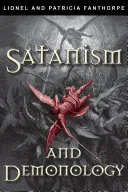
Satanism and Demonology
 72
72

Satanism and Demonology
Lionel and Patricia Fanthorpe’s “Satanism and Demonology” presents a broad survey of its titular subjects, striving for an academic tone often absent in popular treatments. The authors’ strength lies in their extensive cataloging of historical references and mythological variations, moving from ancient pagan deities to medieval demonological texts. They carefully dissect the theological underpinnings of figures like Lucifer, distinguishing between the archangel and the personification of evil. A particularly insightful section examines the historical perception of Satanic cults, separating documented practices from widespread fear and fabrication. However, the book’s sheer breadth sometimes leads to a lack of depth. While it touches upon complex theological and historical arguments, it occasionally feels like a preliminary overview rather than a deep dive. The analysis of modern Satanism, for instance, could benefit from more critical engagement with contemporary philosophical movements. Ultimately, the work serves as a well-researched, if somewhat detached, compendium on the evolving Western conception of adversarial forces.
📝 Description
72
Lionel and Patricia Fanthorpe's 2011 book examines the historical and mythological figures associated with the name "Satan."
Published in 2011, "Satanism and Demonology" by Lionel and Patricia Fanthorpe moves past sensationalism to investigate the origins of figures commonly linked to the name "Satan." The authors trace these concepts through various religious and cultural traditions, addressing enduring questions about the existence and supposed powers of entities like Satan and Lucifer. Their work scrutinizes these figures' roles in folklore, occultism, and theological discussions. The book distinguishes between historical Satanic cults, which are often debated or mythical, and the theological figure of Satan as an antagonist in Abrahamic religions. It also dissects interpretations of Lucifer, viewing him not only as a fallen angel but also as a symbol of rebellion, forbidden knowledge, and alternative spiritual paths. The authors chart the evolution of demonology and its associated rituals.
This study sits within a long tradition of esoteric inquiry into adversarial figures and dualistic cosmologies. It acknowledges earlier scholarship on Gnostic sects, which questioned the primary creator, and the historical witch hunts, where malevolent forces were a recurring concern. The Fanthorpes place their work within this broad historical sweep, considering how both academic and popular interpretations have shaped understandings of these figures and associated practices. The book engages with the development of demonological studies and the societal impact of such beliefs.
💡 Why Read This Book?
• Gain a nuanced understanding of the historical evolution of figures like Satan and Lucifer, tracing their origins from ancient mythologies to their theological interpretations within Abrahamic faiths, as detailed in the book's historical context sections. • Explore the complex interplay between religious doctrine, folklore, and actual historical events that shaped beliefs about demonology, particularly evident in the Fanthorpes' examination of medieval demonological texts. • Disentangle the symbolic representation of Lucifer as rebellion or forbidden knowledge from literal interpretations, offering a more critical perspective on the concept of an adversarial force.
⭐ Reader Reviews
Honest opinions from readers who have explored this book.
❓ Frequently Asked Questions
What historical periods does "Satanism and Demonology" cover?
The book spans from ancient pagan religions and early Gnostic traditions through the medieval period's demonological studies and into the historical context of modern interpretations of Satanic figures.
Do the Fanthorpes discuss actual Satanic rituals or just mythology?
The Fanthorpes examine both mythological portrayals and historical accounts or accusations of rituals attributed to Satanic practices, critically assessing the evidence and societal fears involved.
Is "Satanism and Demonology" a beginner's guide or an advanced text?
It functions as a comprehensive overview suitable for serious beginners and intermediate students of esotericism and comparative religion, offering extensive historical context without assuming prior deep knowledge.
What is the Fanthorpes' stance on the existence of Satan?
The Fanthorpes approach the question analytically, exploring the concept of Satan and Lucifer as theological figures and mythological constructs rather than asserting a definitive stance on their literal existence.
How does this book relate to other occult literature?
It provides a foundational understanding of demonology and historical Satanism, serving as a reference point for those engaging with more specific or practice-oriented occult texts by offering historical and theological background.
Are there discussions of modern Satanic groups like The Church of Satan?
While the primary focus is historical and theological, the book touches upon the evolution of concepts, providing context for later developments and interpretations of Satanic symbolism and philosophy.
🔮 Key Themes & Symbolism
Theological Evolution of Satan
The work traces the transformation of Satan from a figure of ancient dualistic traditions, such as the adversarial force in Zoroastrianism, to the distinct theological entity within Christianity. It examines how interpretations evolved through early Christian thought, the Book of Revelation, and subsequent demonological treatises, highlighting Lucifer's dual role as fallen angel and symbol of rebellion.
Demonology and Witchcraft Accusations
A significant portion of the book addresses the historical phenomenon of demonology, particularly its amplification during periods like the witch hunts of the 16th and 17th centuries. The Fanthorpes analyze the theological frameworks and societal fears that fueled accusations of Satanic pacts and rituals, distinguishing between genuine belief, psychological factors, and fabricated evidence.
Pagan Roots and Adversarial Archetypes
The book explores the potential links between the concept of Satan and older, pre-Christian deities or adversarial figures found in various pagan religions. It posits that the archetype of a challenging, chthonic, or rebellious deity may have been reinterpreted and integrated into later monotheistic cosmologies, providing a comparative perspective on spiritual symbolism.
Symbolism of Lucifer
Lucifer is examined not solely as a figure of evil but also as a symbol of enlightenment, forbidden knowledge, and the challenging of established dogma. This interpretation draws on Gnostic traditions and Renaissance occultism, where Lucifer can represent the bringer of light or the embodiment of intellectual freedom, offering a complex alternative to purely negative portrayals.
💬 Memorable Quotes
Direct passages from the work, attributed to the author.
“Does Satan, or Lucifer, really exist, and if he does, what dark, anomalous powers does he wield?”
— This central question frames the Fanthorpes' investigation, signaling their intent to explore the mythos and theological debates surrounding these figures rather than presenting a dogmatic assertion.
“Satanism has been known around the world by many names and has involved the shadowy deities of ancient pagan religions.”
— This statement highlights the book's broad scope, suggesting an examination of the historical and cultural diversity of concepts that have been labeled 'Satanic' or linked to adversarial forces.
“The great central questions behind the legends are explored.”
— This indicates the Fanthorpes' analytical approach, focusing on uncovering the underlying themes and inquiries that have fueled the legends and beliefs surrounding Satan and demonology throughout history.
“The shadowy deities of ancient pagan religions are examined.”
— This points to an investigation into the origins of adversarial or underworld figures in pre-Christian belief systems and how these might inform later concepts of Satan.
💡 Key Ideas
Editorial paraphrase of the work's core concepts — not direct quotes.
The work explores the evolution of demonological studies.
This paraphrase suggests the book details how the academic and theological understanding of demons and related entities has changed over time, including shifts in methodology and focus.
🌙 Esoteric Significance
Tradition
This work primarily engages with the Western Esoteric Tradition, particularly its branches concerned with demonology, historical occultism, and comparative mythology. It situates Satanic and demonic concepts within the broader Gnostic and Hermetic frameworks that often explore dualistic cosmologies and adversarial principles, though it remains largely descriptive rather than overtly initiatory.
Symbolism
Key symbols include the figure of Lucifer, often interpreted as the 'light-bearer' and representing forbidden knowledge or rebellion against rigid authority, a concept resonant in Hermeticism. The serpent, a recurring motif in many ancient religions and Gnostic texts, is examined for its association with wisdom, temptation, and the underworld, linking it to chthonic deities and adversarial roles.
Modern Relevance
Contemporary occult practitioners and scholars interested in the philosophical underpinnings of modern Satanism (e.g., LaVeyan Satanism's embrace of individualism) or the symbolic interpretations of Luciferianism often draw upon the historical context provided by works like this. It aids in understanding the evolution of adversarial archetypes within modern spiritual and philosophical movements.
👥 Who Should Read This Book
• Students of Western Esotericism: Those researching the historical development of occult beliefs, demonology, and the symbolic interpretation of figures like Satan and Lucifer within traditions like Gnosticism or Hermeticism. • Comparative Religion Scholars: Individuals seeking to understand how adversarial figures and dualistic concepts have manifested across different religious and cultural systems throughout history. • Occult History Enthusiasts: Readers fascinated by the historical narratives surrounding witchcraft, demonology, and the cultural impact of beliefs about malevolent supernatural forces.
📜 Historical Context
Published in 2011, "Satanism and Demonology" emerged at a time when interest in occult history and comparative religion remained robust, though often fragmented. The Fanthorpes' work builds upon a long tradition of scholarship that grappled with these subjects, from the theological treatises of the Church Fathers to the grim analyses of 17th-century demonologists like Pierre de Lancre. Their approach acknowledges the intellectual currents shaped by figures such as Montague Summers, who famously documented European witchcraft, and later comparative mythologists who sought connections between disparate religious traditions. While not directly engaging with specific contemporary scholars in its blurb, the book's subject matter places it in dialogue with ongoing academic and popular discussions about the nature of evil, the history of religious dissent, and the psychology of belief, areas also explored by thinkers such as Jeffrey Burton Russell, whose extensive works on the Devil were influential.
📔 Journal Prompts
The concept of Lucifer as a 'light-bearer' versus an adversarial figure.
Historical accusations of Satanic rituals and their societal underpinnings.
The evolution of demonological studies from ancient times to the 17th century.
Connections between ancient pagan deities and the archetype of Satan.
Personal interpretation of the symbolism of the serpent in adversarial contexts.
🗂️ Glossary
Demonology
The systematic study of demons and other supernatural beings, often within theological or occult contexts, examining their nature, hierarchy, powers, and influence.
Gnosticism
A complex set of religious ideas and systems, originating in the first century AD, emphasizing knowledge (gnosis) for salvation, often featuring dualistic cosmologies and a distinction between a supreme, unknowable God and a lesser creator deity.
Lucifer
Latin for 'light-bringer,' traditionally identified with the morning star (Venus) and in Christian tradition, often equated with Satan, the fallen angel cast out of heaven for pride.
Pagan Religions
A broad term referring to indigenous, polytheistic, or non-Abrahamic religious traditions, often characterized by nature worship and diverse pantheons, whose deities were sometimes reinterpreted as demons by monotheistic faiths.
Witch Hunts
Periods in history, particularly in Europe and North America from the 15th to 18th centuries, characterized by widespread persecution and execution of individuals accused of practicing witchcraft, often linked to Satanic pacts.
Chthonic Deities
Gods or goddesses associated with the underworld, the earth, or the subterranean regions, often representing fertility, death, and the cyclical nature of life.
Dualism
The philosophical or theological belief that the world is fundamentally divided into two opposing forces, such as good and evil, spirit and matter, or light and darkness.