Qi Gong
 76
76

Qi Gong
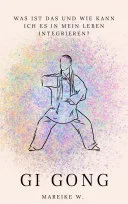
Mareike W.'s "Qi Gong" offers a straightforward introduction to a practice often shrouded in mystique. The book correctly identifies Qi Gong as a method for enhancing vital energy, known as Qi, through movement, breath, and meditation. Its strength lies in its accessibility; it demystifies the core principles without overwhelming the reader. However, the work occasionally lacks the depth one might expect from a text published in 2025, particularly concerning the nuanced historical development and regional variations of Qi Gong. A section detailing the specific benefits of the 'Eight Brocades' (Ba Duan Jin) sequence, a foundational set, would have been a valuable addition. Ultimately, "Qi Gong" serves as a competent primer for the curious newcomer.
📝 Description
76
Mareike W.'s book explains Qi Gong, a practice originating in China over two thousand years ago.
Qi Gong, meaning 'life energy cultivation,' combines gentle movement, controlled breathing, and focused meditation. The practice aims to enhance the flow of 'Qi,' the vital energy believed to permeate all living things. It is a holistic system designed to harmonize body, mind, and spirit, promoting well-being and longevity. This book is for individuals seeking stress reduction, improved physical health, and a deeper connection to their inner selves. It appeals to those interested in mind-body disciplines, alternative healing modalities, and ancient traditions. Its gentle nature makes it accessible to a wide range of ages and fitness levels.
The core of Qi Gong lies in cultivating and balancing Qi. This involves specific postures, breathwork, and mindful awareness. The practice emphasizes clearing energetic blockages, strengthening the body's vital organs, and fostering mental clarity. It teaches practitioners to harness their internal energy for health and spiritual development. Originating in China over two thousand years ago, Qi Gong is rooted in Taoist and Buddhist philosophies, alongside traditional Chinese medicine. It evolved from ancient shamanistic rituals, martial arts, and therapeutic exercises.
Qi Gong draws from a deep well of Chinese philosophical and medical traditions, particularly Taoism and Buddhism. Its emphasis on cultivating and directing internal energy, known as Qi, places it within a long lineage of practices focused on vital force. This tradition views Qi as the fundamental substance and animating principle of the universe, and its cultivation is seen as key to physical vitality, mental clarity, and spiritual attainment. The book connects these concepts to ancient practices that sought to harmonize the individual with cosmic forces.
💡 Why Read This Book?
• Learn the foundational principles of Qi cultivation, understanding how to harmonize your 'Qi' through specific breathing techniques as outlined in the early chapters. • Discover practical methods for stress reduction and physical vitality by exploring the integration of gentle movements and mindful awareness, as described in the 'Key Concepts' section. • Gain an appreciation for the ancient Chinese origins of Qi Gong, recognizing its roots in Taoist philosophy and traditional medicine, as detailed in the 'Historical Context' section.
⭐ Reader Reviews
Honest opinions from readers who have explored this book.
❓ Frequently Asked Questions
What is the primary goal of practicing Qi Gong?
The primary goal of Qi Gong is to cultivate and balance the body's vital energy, known as 'Qi.' This practice aims to improve physical health, reduce stress, enhance mental clarity, and foster a deeper connection between mind, body, and spirit.
How old is the practice of Qi Gong?
Qi Gong is an ancient Chinese practice with origins dating back over two thousand years. It evolved from various traditions including shamanistic rituals, martial arts, and therapeutic exercises.
Is Qi Gong difficult to learn for beginners?
Qi Gong is generally considered accessible for beginners due to its gentle movements and focus on breath and intention. The book "Qi Gong" by Mareike W. is designed as an introduction, making it suitable for those new to the practice.
What are the main components of a Qi Gong practice?
A typical Qi Gong practice involves three main components: gentle physical movements (Dong Gong), specific breathing techniques (Qi Xi), and focused mental intention or meditation (Yi Nian).
Can Qi Gong help with modern health issues like stress?
Yes, Qi Gong is widely recognized for its benefits in stress reduction and promoting overall well-being. By harmonizing the flow of Qi and calming the mind, it can alleviate symptoms associated with chronic stress and improve resilience.
Where did Qi Gong originate?
Qi Gong originated in China and is deeply intertwined with Taoist and Buddhist philosophies, as well as Traditional Chinese Medicine. It has a long history of development within Chinese culture.
🔮 Key Themes & Symbolism
Cultivating Vital Energy (Qi)
The central theme is the understanding and active cultivation of 'Qi,' the fundamental life force. Mareike W.'s work explains how this energy flows through the body along meridians, and how blockages can lead to illness. The book details specific exercises and breathing techniques designed to promote a smooth and abundant flow of Qi, essential for maintaining health and vitality. This concept is foundational to Traditional Chinese Medicine and Taoist philosophy.
Mind-Body Harmony
Qi Gong emphasizes the inseparable connection between the physical body and the mind. The practice integrates conscious movement with focused intention and breath control, fostering a state of mindful presence. By synchronizing these elements, practitioners achieve a state of inner balance, reducing mental chatter and promoting emotional equilibrium. This holistic approach views health as a result of integrated well-being.
Ancient Chinese Wellness
The book grounds Qi Gong within its rich historical and philosophical context in China. It explores how this practice has been used for millennia as a method for promoting longevity, healing, and spiritual development, drawing from Taoist principles of natural harmony and balance. Understanding this heritage provides a deeper appreciation for Qi Gong's enduring relevance as a system of holistic health.
Stress Reduction and Resilience
A significant focus is placed on Qi Gong's capacity to mitigate the effects of modern stressors. The gentle, rhythmic movements and deep breathing techniques activate the parasympathetic nervous system, promoting relaxation and reducing the physiological impact of stress. The practice builds resilience by cultivating a calmer, more centered state of being, enabling individuals to better manage life's challenges.
💬 Memorable Quotes
Direct passages from the work, attributed to the author.
“Qi-Gong ist mehr als nur eine Form der körperlichen Bewegung.”
— This statement highlights that Qi Gong transcends simple physical exertion. It frames the practice as a comprehensive system that engages multiple dimensions of human experience, including mental and energetic states, rather than just a form of exercise.
“Diese jahrtausendalte Praxis aus China vereint Bewegung, Atmung und Meditation.”
— This succinctly captures the core components of Qi Gong. It emphasizes the integration of physical action, breath control, and meditative focus as the fundamental pillars upon which the practice is built, underscoring its complex nature.
“fördern und Blockaden zu lösen.”
— This phrase points to the primary therapeutic aim of Qi Gong: to facilitate the unimpeded flow of vital energy ('Qi') and to clear obstructions that may impede its circulation. This concept is central to understanding how Qi Gong contributes to health and well-being.
“Eine Einführung”
— This subtitle signals the book's purpose as an introductory text. It suggests that the content is designed for newcomers, aiming to provide a foundational understanding of Qi Gong without exploring overly complex or advanced techniques.
“Wie du deine innere Balance finden, Stress reduzieren und gleichzeitig deine körperliche Gesundheit verbessern kannst?”
— This question frames the practical benefits of Qi Gong. It directly addresses common human desires for equilibrium, mental peace, and physical wellness, positioning Qi Gong as a potential solution for these needs.
🌙 Esoteric Significance
Tradition
Qi Gong firmly belongs to the Taoist tradition, a core part of Chinese esotericism. It aligns with Taoist principles of 'Wu Wei' (non-action/effortless action) and the pursuit of harmony with the 'Tao' (the Way). The practice aims to cultivate internal alchemy, transforming basic life force into higher spiritual energy, a concept shared with internal martial arts and certain Buddhist meditative practices. It departs from purely external or ritualistic forms of spirituality by emphasizing direct, embodied experience and energetic cultivation.
Symbolism
Central to Qi Gong symbolism is the concept of 'Qi' itself, often visualized as a flowing, vital breath or energy that animates all existence. The 'meridians' through which Qi flows are unseen energetic pathways, akin to channels in alchemical or yogic traditions. Specific postures and movements often symbolize natural phenomena – the flight of a crane, the sway of a tree – linking the practitioner to the rhythms of the cosmos and promoting alignment with universal forces.
Modern Relevance
Contemporary somatic therapies, mindfulness-based stress reduction (MBSR) programs, and integrated health approaches frequently draw upon principles embodied in Qi Gong. Thinkers and practitioners in fields like embodied cognition and psychoneuroimmunology find resonance with Qi Gong's holistic model of health. Schools of internal martial arts and various forms of medical Qi Gong continue to develop and disseminate these practices globally, demonstrating its enduring appeal as a path to well-being and self-awareness.
👥 Who Should Read This Book
• Beginners seeking a gentle introduction to mind-body practices: Individuals new to meditation, yoga, or Tai Chi will find "Qi Gong" offers clear, accessible guidance on fundamental concepts and techniques. • Health-conscious individuals looking for natural stress relief: Those experiencing tension or seeking to enhance their physical vitality through non-strenuous methods will benefit from the book's focus on breathwork and energy cultivation. • Explorers of Eastern philosophies and wellness: Readers interested in the intersection of ancient Chinese wisdom, traditional medicine, and personal development will find this book a valuable starting point.
📜 Historical Context
Mareike W.'s "Qi Gong" emerges in an era (2025) where interest in ancient wellness practices is high, often fueled by a desire to counter the perceived excesses of modern life. The book situates Qi Gong within its traditional Chinese context, a practice evolving over millennia from shamanistic roots and refined by Taoist and Buddhist philosophies. It implicitly acknowledges the complex reception of Qi Gong within China itself, having experienced periods of state patronage and suppression, notably during the Cultural Revolution, which led to its modernization and standardization as 'Qigong' for public health. While the book focuses on the practice itself, its publication context connects to a global resurgence of interest in mind-body disciplines, alongside figures like Lin Yutang who, decades prior, popularized Chinese philosophy and wellness in the West, albeit through different avenues. The work appears as a straightforward guide, sidestepping the intense academic debates or esoteric controversies that surrounded Qi Gong's international spread in the late 20th century.
📔 Journal Prompts
The concept of Qi flow and its potential blockages.
Personal experiences with integrating breathwork (Qi Xi) into daily routines.
Reflections on the connection between Qi Gong movements and inner balance.
How the practice of Yi Nian (focused intention) impacts perceived stress levels.
The historical roots of Qi Gong in Taoist philosophy and their modern application.
🗂️ Glossary
Qi (Chi)
The fundamental life force or vital energy believed to permeate all living things. In Qi Gong, the goal is to cultivate and balance the flow of Qi within the body.
Dong Gong
Refers to the physical movements or postures practiced in Qi Gong. These are typically gentle, flowing, and coordinated with breath and intention.
Qi Xi
The practice of coordinating breath with movement and intention. Specific breathing techniques are employed in Qi Gong to enhance energy circulation and promote relaxation.
Yi Nian
Meaning 'intention' or 'mindfulness.' It refers to the focused mental awareness and concentration that guides the practice of Qi Gong, directing the Qi flow.
Meridians
Hypothetical pathways or channels within the body through which Qi is believed to flow, central to Traditional Chinese Medicine and Qi Gong theory.
Taoism
An ancient Chinese philosophy and religion emphasizing living in harmony with the Tao (the Way), characterized by principles such as naturalness, simplicity, and Wu Wei (effortless action).
Blockages
In the context of Qi Gong, blockages refer to obstructions or stagnant areas in the flow of Qi, believed to be a cause of physical and emotional discomfort or illness.