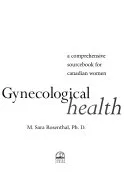
Gynecological Health : a Comprehensive Sourcebook for Canadian Women
 76
76

Gynecological Health : a Comprehensive Sourcebook for Canadian Women
M. Sara Rosenthal's "Gynecological Health: A Comprehensive Sourcebook for Canadian Women" arrives as a meticulously organized volume, a far cry from the often sensationalized or overly simplistic health guides. Its strength lies in its sheer breadth and the practical, Canadian-centric information it provides. One passage that stands out details the nuanced differences in hormone replacement therapy options available in Canada as of the early 2000s, distinguishing between various preparations and their specific indications. However, the book's primary limitation is its publication date. While comprehensive for its time, some medical advancements and treatment protocols have undoubtedly evolved since 2003, meaning readers should approach its information with an awareness of potential updates needed. Nevertheless, for its historical snapshot and detailed foundational knowledge, it remains a solid reference. It serves as a dependable, albeit dated, guide to understanding women's health within the Canadian medical landscape.
📝 Description
76
M. Sara Rosenthal's 2003 sourcebook addresses Canadian women's gynecological health with detailed information.
Published in 2003, Gynecological Health: A Comprehensive Sourcebook for Canadian Women by M. Sara Rosenthal provides extensive guidance on women's health. The book covers a wide range of conditions, from common issues to more complex medical situations, aiming to equip readers with knowledge for informed discussions with doctors and for managing their health proactively. It is designed for Canadian women of all ages who want detailed and accessible information about their gynecological well-being. Healthcare providers, such as nurses and general practitioners, will also find this a useful reference.
The book was released during a time of increased public interest in personal health, partly due to the internet's rise and a greater focus on patient advocacy. This coincided with developments in gynecological understanding and a growing call for healthcare literature centered on women's needs. While not tied to a specific esoteric movement, its thorough approach reflects a wider shift toward holistic health awareness that gained momentum in the late 20th century.
While not a direct text within a specific esoteric tradition, this sourcebook aligns with the broader esoteric interest in the body as a site of deep knowledge and personal empowerment. Its emphasis on understanding biological functions, the impact of lifestyle and environment, and advocating for informed healthcare choices resonates with holistic approaches that view health not just as the absence of disease, but as a state of balance and self awareness. The book encourages women to be active participants in their own well-being, a principle often found in traditions that stress inner knowing and direct experience.
💡 Why Read This Book?
• Learn about the specific regulatory landscape for gynecological treatments in Canada as it existed in 2003, providing a historical lens on medical access. • Gain understanding of a wide array of gynecological conditions, from common menstrual irregularities to serious diseases, as detailed within the book's extensive chapters. • Discover practical advice on navigating the Canadian healthcare system for reproductive health concerns, as outlined in sections dedicated to patient advocacy and provider communication.
⭐ Reader Reviews
Honest opinions from readers who have explored this book.
❓ Frequently Asked Questions
What specific health conditions does "Gynecological Health: A Comprehensive Sourcebook for Canadian Women" cover?
The book covers a broad range of gynecological health topics including menstrual cycle disorders, contraception options, pregnancy and childbirth, menopause, pelvic inflammatory disease, and various gynecological cancers, providing detailed information relevant to Canadian women.
Is the information in the 2003 edition of "Gynecological Health" still relevant today?
While the book offers a strong foundational understanding of gynecological health and Canadian healthcare practices from 2003, medical knowledge evolves. Readers should consult current medical resources and healthcare professionals for the most up-to-date information and treatment protocols.
Who is the intended audience for M. Sara Rosenthal's "Gynecological Health"?
The primary audience is Canadian women seeking comprehensive information about their reproductive and gynecological health. It is also a valuable resource for healthcare providers, educators, and partners of women.
What makes this sourcebook specific to Canada?
The sourcebook tailors its content to the Canadian context, referencing specific healthcare systems, pharmaceutical availability, and provincial guidelines pertinent to women's health within Canada, as understood in 2003.
Does the book offer advice on preventative care?
Yes, "Gynecological Health" emphasizes preventative care by detailing recommended screenings, lifestyle factors impacting health, and early detection strategies for various gynecological conditions relevant to women in Canada.
Where can I find information on specific procedures mentioned in the book?
The book provides overviews of various procedures. For detailed, current information on specific medical procedures, it is best to consult with a qualified healthcare professional or refer to updated medical literature.
🔮 Key Themes & Symbolism
Empowerment Through Information
The work champions the idea that knowledge is power in managing one's health. By presenting detailed explanations of anatomical functions, common ailments, and serious diseases, Rosenthal equips readers to engage more effectively with medical professionals. This approach fosters a sense of agency, moving beyond passive reception of medical advice to active participation in healthcare decisions. The book's structure, designed for clarity and accessibility, underscores this theme of informed self-advocacy for Canadian women.
Canadian Healthcare Context
A central pillar of the sourcebook is its specific focus on the Canadian healthcare system as it operated in the early 2000s. It navigates the nuances of accessing services, understanding provincial differences, and interacting with medical practitioners within this framework. This localized perspective distinguishes it from international guides, offering practical relevance for Canadian women seeking to understand their health options and rights within their specific national context.
Holistic Health Perspectives
While grounded in medical science, the book implicitly encourages a holistic view of women's health. It touches upon the interplay of physical well-being with lifestyle choices, psychological factors, and environmental influences. This broader perspective, though not explicitly framed within esoteric traditions, aligns with a growing awareness in the early 2000s of the interconnectedness of various aspects of health, urging readers to consider their overall wellness.
Preventative and Proactive Care
The sourcebook strongly advocates for proactive health management and preventative care. It details recommended screenings, early detection methods, and lifestyle adjustments crucial for maintaining gynecological health. By outlining potential risks and offering guidance on risk reduction, the book empowers readers to take consistent steps towards safeguarding their long-term well-being, rather than solely addressing issues once they arise.
💬 Memorable Quotes
Direct passages from the work, attributed to the author.
“The Canadian healthcare system offers resources, but navigating them requires informed inquiry.”
— This interpretation emphasizes the book's practical guidance on how to effectively access and utilize the medical services available to women in Canada, stressing the importance of patient initiative.
“Regular screenings and check-ups form the bedrock of preventative gynecological care.”
— This highlights the book's emphasis on proactive health measures, such as routine medical examinations and diagnostic tests, as fundamental components of maintaining long-term reproductive health.
“Effective communication with your doctor ensures your concerns are heard and addressed.”
— This interpretation points to the book's focus on fostering a strong doctor-patient relationship, encouraging open dialogue and shared decision-making in healthcare.
💡 Key Ideas
Editorial paraphrase of the work's core concepts — not direct quotes.
Understanding your body is the first step to taking control of your health.
This paraphrased concept highlights the book's core philosophy: that comprehensive knowledge about gynecological functions and conditions is essential for women to become active participants in their own healthcare.
Distinguishing between common discomforts and serious symptoms is crucial for timely medical intervention.
This paraphrased statement underscores the book's role in helping readers assess their symptoms, providing the knowledge needed to differentiate between minor issues and conditions requiring professional medical attention.
🌙 Esoteric Significance
Tradition
While "Gynecological Health" is primarily a medical reference, its emphasis on understanding the body's intricate systems and promoting proactive self-care can be viewed through a lens of modern holistic health practices. This aligns with a contemporary interpretation of embodied wisdom, where deep knowledge of one's physical form is seen as a pathway to greater consciousness and well-being. It doesn't fit neatly into a specific esoteric lineage like Hermeticism or Gnosticism but shares a foundational principle with many traditions: that understanding the microcosm (the body) is key to reading through the macrocosm.
Symbolism
The human body, particularly the female reproductive system, can be seen as a potent symbol within various esoteric traditions, often representing creation, fertility, and the cyclical nature of life and death. While Rosenthal's work focuses on biological functions, the very act of detailing these processes can imbue them with a symbolic weight for readers attuned to deeper meanings. The menstrual cycle, for instance, is frequently linked to lunar cycles and feminine power in esoteric thought, and understanding its biological underpinnings can inform these symbolic connections.
Modern Relevance
Contemporary practitioners of holistic health, integrative medicine, and even some feminist spiritual traditions might find value in Rosenthal's work as a foundational text. It provides a medically sound basis for understanding female physiology, which can then be layered with more esoteric or spiritual interpretations. Thinkers focusing on embodied cognition or the biopolitics of women's health might also reference its 2003 perspective to track the evolution of medical discourse and patient advocacy in Canada.
👥 Who Should Read This Book
• Canadian women aged 18-65 seeking a reliable, detailed overview of gynecological health topics specific to their national healthcare system. • Healthcare students and professionals in Canada needing a comprehensive reference for common and complex gynecological conditions as understood in the early 2000s. • Individuals interested in the history of women's health literature and patient advocacy within Canada, looking for a snapshot of medical information from 2003.
📜 Historical Context
Published in 2003, M. Sara Rosenthal's "Gynecological Health" emerged in an era where patient empowerment and access to medical information were rapidly expanding, largely driven by the nascent internet. This period saw a growing demand for women-specific health resources that moved beyond basic reproductive biology to encompass a wider array of conditions and concerns. The book's comprehensive approach reflected a shift towards patient-centered care, a concept gaining significant traction throughout the late 1990s and early 2000s. Unlike purely academic medical texts, Rosenthal's work aimed for accessibility, mirroring a broader cultural trend towards explaining complex health issues. While not directly engaging with contemporary esoteric movements, its publication coincided with a burgeoning interest in holistic health and wellness, which often sought to integrate mind, body, and spirit – a parallel, if distinct, intellectual current.
📔 Journal Prompts
Reflect on the concept of 'informed inquiry' within the Canadian healthcare system as presented in the sourcebook.
Consider the distinctions made between preventative care and reactive treatment strategies for gynecological health.
Analyze the role of patient education in empowering women, using the book's approach as a reference.
Examine the cyclical nature of health and wellness as potentially mirrored in the biological processes described.
Evaluate the importance of specific Canadian context in understanding gynecological healthcare access.
🗂️ Glossary
Gynecological Health
Refers to the overall health status of the female reproductive system and associated organs, encompassing physical, mental, and social well-being, not merely the absence of disease.
Hormone Replacement Therapy (HRT)
Medical treatment, often used during menopause, that involves administering hormones to supplement declining levels in the body. Its application and types vary based on medical guidelines.
Menstrual Cycle
The regular natural change that occurs in the female reproductive system (specifically the uterus and ovaries) that makes pregnancy possible. It typically lasts about 28 days and involves hormonal fluctuations and shedding of the uterine lining.
Pelvic Inflammatory Disease (PID)
An infection of the reproductive organs, including the uterus, fallopian tubes, and ovaries. It is often caused by sexually transmitted bacteria and can lead to serious complications if untreated.
Pap Test
A screening procedure used to detect cervical cancer and precancerous changes in the cells of the cervix. It involves collecting cells from the cervix for laboratory analysis.
Endometriosis
A condition in which tissue similar to the lining of the uterus (endometrium) grows outside the uterus, often on the ovaries, fallopian tubes, and pelvic lining. It can cause pain and infertility.
Contraception
Methods and devices used to prevent pregnancy. The book discusses various forms available and their effectiveness.





![Roald Dahl's Tales of the Unexpected [24 stories]](/img/thumb/roald-dahls-tales-of-the-unexpected-24-stories-roald-dahl-509219.webp)