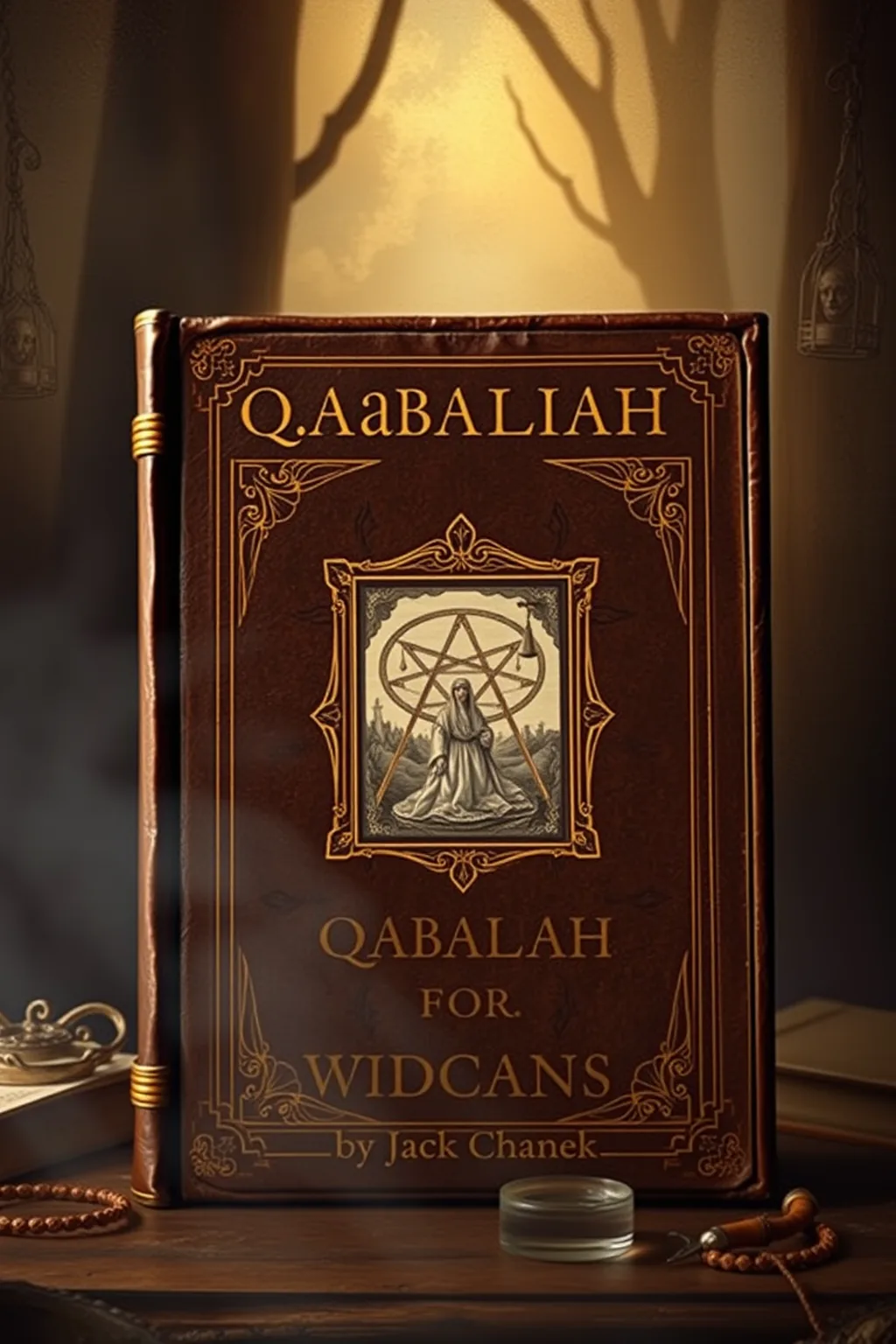
Qabalah for Wiccans
 62
62

Qabalah for Wiccans


Celeste Moreau (Divination & Symbolism Reviewer) — Jack Chanek's 'Qabalah for Wiccans' is a triumph of comparative esoteric scholarship, offering a uniquely accessible yet deeply insightful exploration of Qabalistic principles through a Wiccan lens. Chanek avoids superficial syncretism, instead revealing profound, organic connections between these powerful traditions. The book excels in its clear exposition of complex Qabalistic concepts, such as the Sephiroth and the paths, making them immediately relevant to the Wiccan worldview and magical practice. Its strength lies in its ability to demystify the Tree of Life, presenting it not as an abstract philosophical system, but as a living map for spiritual growth and magical efficacy. This is an essential read for Wiccans seeking to enrich their practice with ancient wisdom and for anyone fascinated by the intersection of mystical traditions.
📝 Description
62
Jack Chanek's 2003 book connects Jewish Qabalah to modern Wiccan practice.
Jack Chanek's 'Qabalah for Wiccans' (2003) examines the connections between Jewish Qabalistic thought and contemporary Wiccan magical systems. The author breaks down the symbolism of the Tree of Life, showing how its structure and principles align with Wiccan cosmology and ritual. Chanek discusses the Sephiroth, or divine emanations, and the archetypal pathways of the Qabalah, relating them to the spiritual and natural world as understood in Wicca.
This text aims to bridge the gap between these two distinct spiritual traditions. It offers a way for Wiccans to incorporate Qabalistic concepts into their magical work and understanding of the universe. The book focuses on the shared themes of interconnectedness and the divine presence within existence, seeking to provide a framework for deeper spiritual insight.
This book situates itself within the modern esoteric revival that seeks to synthesize disparate mystical traditions. It specifically bridges the Jewish mystical tradition of Qabalah, with its complex cosmology centered on the Tree of Life, and contemporary Wicca, a nature-based spiritual path. By drawing parallels between the Qabalistic Sephiroth and pathways and Wiccan concepts of divine immanence and magical practice, Chanek aims to create a new interpretive framework for practitioners interested in both.
💡 Why Read This Book?
Uncover the hidden architecture of the cosmos and your own soul by integrating the profound wisdom of the Qabalah with the earth-centered magic of Wicca. This book bridges ancient Jewish mysticism and modern Pagan practice, offering practical insights for spiritual growth and magical efficacy. Ideal for seekers, Wiccans, and anyone yearning for a deeper understanding of universal energies and divine patterns.
⭐ Reader Reviews
Honest opinions from readers who have explored this book.
❓ Frequently Asked Questions
Is prior knowledge of Qabalah or Wicca required to read this book?
While a basic familiarity with Wicca can enhance the experience, Chanek’s clear explanations make the Qabalah accessible to newcomers. The book is designed to bridge these traditions, offering a comprehensive introduction for those new to one or both.
How does this book connect Qabalah to Wiccan practices?
It meticulously maps Qabalistic concepts, such as the Sephiroth and the Tree of Life, onto Wiccan correspondences, deities, and magical workings, demonstrating how ancient wisdom can inform and deepen contemporary witchcraft.
What are the primary benefits of studying Qabalah for a Wiccan practitioner?
It offers a structured framework for understanding divine energies, personal development, and the interconnectedness of the universe, thereby enhancing magical intention, ritual efficacy, and spiritual depth.
Is this book suitable for academic study or only for personal practice?
The book offers both scholarly rigor in its presentation of Qabalistic principles and practical guidance for personal and magical application, making it valuable for a wide range of readers.
What is the 'Tree of Life' and why is it central to this book?
The Tree of Life is a foundational diagram in Qabalah representing the divine emanations and the structure of the universe. Chanek uses it as the central metaphor to explore the connections between Qabalah and Wicca.
🔮 Key Themes & Symbolism
The Tree of Life as a Cosmic Map
This book meticulously dissects the Tree of Life, the central symbolic diagram of Qabalah, presenting it as a profound map of creation and consciousness. Each of the ten Sephiroth and the twenty-two paths are explored not just as abstract concepts, but as vibrant archetypes and energetic forces that resonate deeply with Wiccan cosmology. Chanek illustrates how these emanations can be understood through the lens of natural cycles, elemental forces, and the divine feminine, providing practitioners with a powerful framework for understanding their spiritual journey and the interconnectedness of all existence. The symbolism is clarified, revealing its practical application in meditation, ritual, and personal transformation.
Bridging Ancient Wisdom and Modern Craft
Jack Chanek masterfully navigates the often-perceived divide between ancient Hebrew mysticism and contemporary earth-centered spirituality. 'Qabalah for Wiccans' serves as a bridge, demonstrating how the useful insights of Qabalistic thought can enrich and deepen the practice of Wicca. The author highlights the shared emphasis on divine immanence, the sacredness of creation, and the pursuit of spiritual gnosis. By drawing parallels between Qabalistic archetypes and Wiccan deities, elements, and seasonal cycles, the book empowers practitioners to tie these ancient threads into their magical range, fostering a more comprehensive and profound connection to the divine and the natural world.
Symbolism, Archetypes, and Spiritual Evolution
Fundamentally, this work is an exploration of potent symbolism and universal archetypes that govern both the macrocosm and the microcosm. Chanek decodes the rich symbolic language of the Qabalah, revealing its inherent connection to the archetypal forces that Wiccans work with. The book guides readers to understand how the Sephiroth represent stages of spiritual evolution and aspects of the divine self. Through contemplation of these symbols and archetypes, practitioners are encouraged to start a path of self-discovery, to integrate fragmented aspects of their psyche, and to accelerate their personal and spiritual growth, aligning themselves more harmoniously with the divine currents of the universe.
💬 Memorable Quotes
Direct passages from the work, attributed to the author.
“In every whisper of the wind, the echo of divine emanations can be heard.”
— This highlights the immanence of the divine within nature, a core tenet shared by Qabalah and Wicca, suggesting that spiritual awareness is accessible through mindful observation of the natural world.
“The paths between the Sephiroth are not voids, but vibrant rivers of transformative energy.”
— This interpretation focuses on the dynamic and active nature of the Qabalistic paths, portraying them as conduits for magical power and spiritual progress, rather than mere theoretical connections.
“To know the Qabalah is to glimpse the sacred geometry that underpins all magic.”
— This suggests that understanding Qabalistic principles provides a foundational knowledge of the underlying structure and order that makes magical workings effective and meaningful.
💡 Key Ideas
Editorial paraphrase of the work's core concepts — not direct quotes.
The Tree of Life is not merely a diagram; it is the blueprint of the soul.
This quote emphasizes the deeply personal and introspective nature of Qabalistic study, positioning the Tree of Life as a guide for understanding one's own inner landscape and spiritual potential.
The Witch finds her power mirrored in the divine dance of the Sephiroth.
This quote eloquently links Wiccan power and practice directly to the Qabalistic understanding of divine energies, implying a deep resonance and mutual reinforcement between the two traditions.
🌙 Esoteric Significance
Tradition
This book looks at the esoteric tradition of Qabalah, a mystical system originating within Judaism that explores the nature of God, creation, and the soul through symbolic interpretation and meditative practices. It specifically focuses on the Neoplatonic and Hermetic aspects of Qabalah, often referred to as Hermetic Qabalah, which gained prominence in Western esotericism. By bridging this with Wicca, Chanek highlights the universal archetypes and energetic principles that resonate across diverse spiritual paths.
Symbolism
The central symbolism revolves around the Tree of Life, a diagram composed of ten Sephiroth (divine emanations) and twenty-two paths. Each Sephirah represents a specific divine attribute, consciousness level, or cosmic force, while the paths denote the connections and journeys between them. Other key symbols include the Hebrew letters, divine names, and archetypal figures that inform the interpretation of the Tree, all presented with an emphasis on their relevance to Wiccan magical practice and understanding.
Modern Relevance
In a world often characterized by spiritual fragmentation, 'Qabalah for Wiccans' offers a powerful means of integration and deeper understanding. It provides a sophisticated framework for personal growth, spiritual development, and magical practice that appeals to contemporary needs for meaning and connection. By demonstrating the timeless wisdom inherent in Qabalistic symbolism and its applicability to Wiccan witchcraft, the book empowers individuals to access useful insights, enhance their magical efficacy, and cultivate a more holistic and integrated spiritual life.
👥 Who Should Read This Book
This book is a treasure for the dedicated Wiccan practitioner seeking to deepen their magical theory and spiritual understanding. It is equally useful for students of the Qabalah who wish to explore its practical applications within a contemporary Pagan context. Those who are drawn to comparative mysticism, esoteric philosophy, or simply seeking a richer, more structured approach to understanding the divine and the cosmos will find 'Qabalah for Wiccans' profoundly informative. Beginners in either tradition will benefit from Chanek's clear, accessible explanations, while seasoned practitioners will discover new layers of insight and practical application.
📜 Historical Context
The development of Qabalah, particularly in its formalized structure as the Tree of Life, emerged from the rich intellectual and spiritual milieu of medieval Jewish mysticism, flourishing in centers like Spain and Provence from the 12th century onwards. Influenced by Neoplatonism, Gnosticism, and esoteric interpretations of biblical texts, Qabalistic texts like the Zohar sought to explain the nature of God, creation, and the human soul. Meanwhile, Wicca, as a modern revivalist Pagan religion, gained significant traction in the mid-20th century, drawing inspiration from a diverse range of historical magical traditions, folklore, and pre-Christian European beliefs. 'Qabalah for Wiccans' positions itself at the fascinating intersection of these two distinct yet often complementary esoteric streams, demonstrating how ancient Jewish mystical insights can be reinterpreted and applied to contemporary earth-centered spiritual practices, enriching the magical worldview for modern practitioners.
📔 Journal Prompts
Reflect on a specific Sephirah and identify its manifestation in your life or the natural world around you.
How can the concept of the Paths on the Tree of Life inform your approach to personal challenges and growth?
Consider a Wiccan deity or aspect of the Goddess/God, and explore its potential correspondences with the Sephiroth.
Meditate on the interconnectedness of all things, as suggested by the Qabalistic model, and journal about your insights.
How can understanding Qabalistic symbolism enhance your personal magical practice and ritual work?
🗂️ Glossary
Sephiroth
The ten divine emanations or attributes described in Qabalah, forming the structure of the Tree of Life and representing different aspects of the divine and the universe.
Tree of Life
A central symbolic diagram in Qabalah, consisting of ten interconnected spheres (Sephiroth) and twenty-two paths, representing the structure of the cosmos, divine creation, and the human soul.
Paths
The twenty-two connections or bridges between the Sephiroth on the Tree of Life, each associated with a Hebrew letter and representing a specific archetypal energy or stage of spiritual journey.
Ain Soph
Literally 'without end' or 'limitless,' this refers to the unmanifest, unknowable divine essence or Godhead that exists beyond all creation and manifestation.
Malkuth
The tenth Sephirah on the Tree of Life, often associated with the physical world, Earth, the Kingdom, and the manifested reality; the reception of divine energy.
This book appears in 1 collection
🔮 Readers Also Liked
Browse all →








More by Jack Chanek
All books →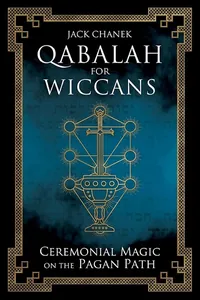
From the “Kabbalah” Collection
View all →







More Free Kabbalah & Jewish Mysticism Books
View all →