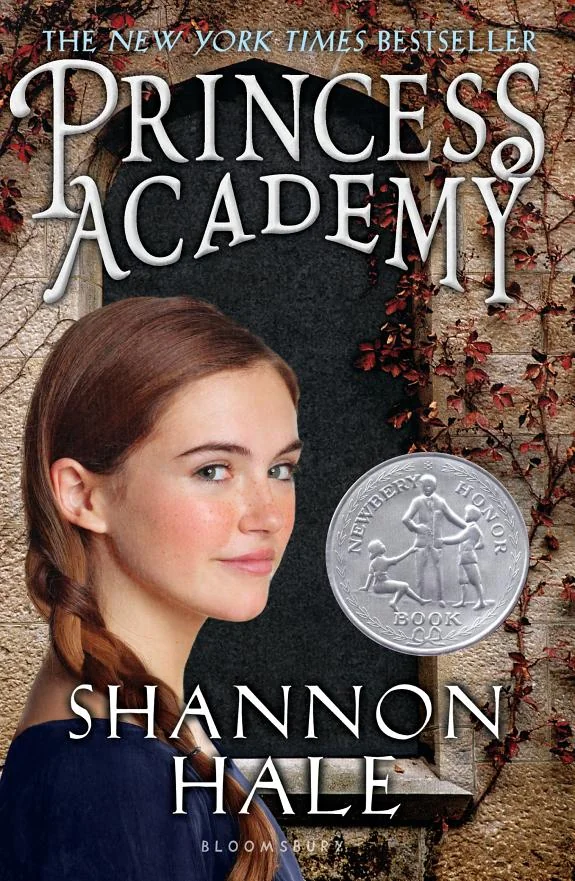
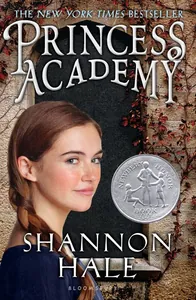
Princess Academy
 73
73

Princess Academy
Shannon Hale's *Princess Academy* offers a refreshing departure from bombastic magic systems. Miri's journey from a quarry village to the royal court is meticulously detailed, highlighting her internal struggles with self-worth and her burgeoning understanding of her unique vocal magic. The book excels in its portrayal of community and the quiet strength found in shared purpose, particularly evident in the interactions with her fellow students from different regions. However, the pacing occasionally falters, especially in the middle sections, where the focus on courtly etiquette might feel slow to some readers eager for Miri to fully embrace her powers. The concept of the "priestly gift" itself, while original, sometimes feels underdeveloped in its full potential for conflict. Nevertheless, the strength of Miri's character and the evocative setting of Mount Middon make it a memorable read. It's a story that values intellect and empathy over brute force.
📝 Description
73
Shannon Hale's 2005 novel, Princess Academy, centers on a young woman summoned to royal court for her unique vocal magic.
Miri Lamm lives in the isolated quarry village of Asland. When the King's priests recognize her latent "priestly gift," a form of magic tied to her voice, she is taken to the capital. There, she must learn to harness this power and adapt to the complex political and social world of the royal court.
The novel contrasts Miri's simple upbringing with the opulence and intrigue of her new surroundings. Her education focuses not just on courtly manners but on controlling her vocal magic, which can influence nature and people. Miri grapples with her identity, her place in this new world, and the responsibilities that come with her potential role as a princess.
Princess Academy situates its magic within a system of vocalization and subtle influence, a less common approach in young adult fantasy. The "priestly gift" is not about overt spellcasting but about the inherent power of voice, tone, and chant to affect the natural world and human emotion. This focus on innate vocal abilities aligns with certain esoteric traditions that explore the sonic or vibrational aspects of reality and consciousness, suggesting that sound itself is a fundamental force.
💡 Why Read This Book?
• Learn about the unique "priestly gift" magic system, which emphasizes vocal influence and subtle manipulation of natural forces, offering a different perspective on magical abilities than typical spellcasting. • Experience Miri's personal growth as she navigates the challenges of leaving her familiar quarry village and adapting to the complexities of the royal court, learning essential leadership skills. • Understand the societal structures and prejudices within the kingdom of Mida, particularly the divide between the common folk and the nobility, as depicted through Miri's interactions and observations.
⭐ Reader Reviews
Honest opinions from readers who have explored this book.
❓ Frequently Asked Questions
What is the primary magic system in Princess Academy?
The primary magic is the "priestly gift," a rare ability possessed by Miri that allows her to influence people and nature through specific vocal tones, chants, and songs. It's a subtle, intrinsic magic tied to sound.
Where does the story of Princess Academy take place?
The story is primarily set in the kingdom of Mida, starting in the isolated quarry village of Asland and moving to the capital city, where Miri attends the royal academy.
Who is the main protagonist of Princess Academy?
The main protagonist is Miri Lamm, a young girl from a quarry village who discovers she possesses the "priestly gift" and is chosen to be educated at the royal academy.
What are the key themes explored in Princess Academy?
Key themes include identity, belonging, the importance of education, social class differences, courage, and the nature of leadership and power.
When was Princess Academy first published?
Princess Academy was first published in 2005 by Bloomsbury Publishing.
Is Princess Academy part of a series?
Yes, Princess Academy is the first book in a series of the same name, followed by several sequels that continue Miri's story and adventures.
🔮 Key Themes & Symbolism
The Priestly Gift
Miri's "priestly gift" is a unique form of innate magic tied to her voice, allowing her to influence listeners and natural elements through specific vocalizations. This contrasts with more overt, spell-based magic, focusing instead on subtle persuasion and harmony with nature. The development of this gift is central to Miri's self-discovery and her ability to work through the complex social dynamics of the royal court, demonstrating that power can manifest in quiet, resonant ways.
Identity and Belonging
The novel deeply explores Miri's struggle with her identity. She is torn between her humble quarry village roots and the sophisticated, often intimidating, world of the royal court. Her journey is about finding her place and understanding that her unique background and abilities are strengths, not limitations. This theme is amplified by her interactions with other students, each bringing their own regional distinctiveness to the academy.
Education and Leadership
Princess Academy emphasizes the transformative power of education. Miri's formal schooling, alongside her practical experiences, equips her with the knowledge and skills necessary for leadership. The narrative questions traditional notions of royalty, suggesting that true leadership stems from empathy, wisdom, and the ability to inspire, rather than solely from birthright or decree. Miri learns to lead through understanding and connection.
Social Stratification
Hale skillfully portrays the rigid social hierarchy of the kingdom of Mida. The stark differences between the quarry workers, the merchant class, and the nobility are consistently highlighted. Miri, as someone from the lowest rung of society, must confront prejudice and prove her worth. This exploration of class dynamics underscores the novel's message about inherent value and the potential for talent to emerge from unexpected places.
💬 Memorable Quotes
Direct passages from the work, attributed to the author.
“"Miri, your voice is your power."”
— This statement expresses the core of Miri's magical ability and her personal journey. It signifies that her true strength lies not in physical prowess or inherited status, but in her unique "priestly gift" – her voice – and her ability to use it with intention and skill.
“The priests discovered Miri possessed the 'priestly gift.'”
— This important plot point introduces the central magical element of the story. It signifies the moment Miri's life is irrevocably changed, setting her on a path of education and self-discovery far beyond the confines of her village.
“Her voice could influence the stone, the wind, and the hearts of men.”
— This phrase vividly describes the many-sided nature of Miri's "priestly gift." It highlights its connection to both the natural world and human emotion, suggesting a deep, intrinsic magic that requires understanding and control.
“The quarry children were known for their strength and resilience.”
— This concept speaks to the character and upbringing of Miri and her peers from Asland. It emphasizes their inherent fortitude, forged by a life of hard labor, which becomes a crucial asset as they face new challenges at the academy.
“Miri learned that true leadership was about more than just giving orders.”
— This interpretation reflects Miri's evolving understanding of her role. It points to the novel's exploration of leadership qualities such as empathy, wisdom, and the ability to foster cooperation, moving beyond simple authority.
🌙 Esoteric Significance
Tradition
While not explicitly tied to a single esoteric tradition, *Princess Academy* echoes themes found in various mystical paths. The "priestly gift" bears resemblance to concepts of innate spiritual power or the "divine spark" found in Gnosticism and Neoplatonism, suggesting an inherent, potent energy within individuals. The emphasis on voice and sound also speaks to traditions that utilize mantra, sacred chant, or sonic alchemy as a means of spiritual transformation and influencing the material world.
Symbolism
The most prominent symbol is Miri's voice, representing not just communication but a conduit for innate power and influence, akin to a priest's divine connection or a bard's magical song. Mount Middon, the academy's location, symbolizes a place of elevation and learning, a sacred space where potential is realized. The quarry, conversely, represents the grounded, material world and the foundational strength derived from hard work and community.
Modern Relevance
Contemporary practitioners of sound healing, vocal manifestation, and certain forms of energy work might find resonance in Miri's "priestly gift." The novel's exploration of subtle influence and the power of intention through voice aligns with modern interests in mindfulness, personal empowerment, and the psychosomatic effects of sound. It offers a fictional lens through which to consider the untapped potential of human vocalization in shaping reality and self.
👥 Who Should Read This Book
• Young adult readers seeking character-driven fantasy with a strong female lead who must overcome social barriers and discover her inner strength. • Aspiring writers interested in exploring unique magic systems that focus on subtlety and personal growth over overt power displays. • Anyone fascinated by narratives that explore the themes of identity, education, and the quiet power found in empathy and resonant communication.
📜 Historical Context
Shannon Hale's *Princess Academy*, released in 2005, arrived in a vibrant literary landscape for young adult fantasy. Authors like J.K. Rowling had already popularized complex world-building and compelling young protagonists. Hale's novel offered a distinct approach, focusing on a nuanced magic system rooted in vocalization rather than overt spellcasting. The story emerged during a period where publishers were increasingly receptive to fantasy narratives that explored themes of social dynamics and personal growth alongside adventure. While not immediately a bestseller or award winner, its unique premise and character development allowed it to gain a dedicated following, differentiating itself from the more action-oriented fantasy prevalent at the time. Its quiet success paved the way for subsequent books in the series, solidifying its place in the genre.
📔 Journal Prompts
Miri's "priestly gift" and its influence on others.
The contrast between life in the quarry village and the royal court.
How Miri’s education shapes her understanding of leadership.
The significance of voice and sound in the narrative.
Reflections on finding one's place when moving between different social environments.
🗂️ Glossary
Priestly Gift
A rare, innate magical ability possessed by Miri, allowing her to influence people and natural elements through specific vocal tones, chants, and songs. It is a subtle form of power tied to sound and intention.
Asland
The isolated, mountainous quarry village where Miri Lamm and her family originate. It represents a life of hard labor, strong community bonds, and simple living, contrasting sharply with the capital city.
Mount Middon
The location of the royal academy where Miri is sent to be educated. It is depicted as a place of learning, elevation, and refinement, situated in a majestic natural setting.
Quarry Children
A term referring to the children from Asland, known for their resilience, hard work, and distinctive accent. They often face prejudice from those outside their village.
Mida
The kingdom in which the story is set. It is characterized by a distinct social hierarchy, with a ruling monarchy and various social classes.
Chants
Specific vocalizations used by those with the "priestly gift" to influence their surroundings or people. These are not mere words but tones carrying inherent power.
The King's Priests
A group responsible for identifying and cultivating individuals with the "priestly gift." They play a significant role in Miri's summons to the academy.
🔮 Readers Also Liked
Browse all →








More by Shannon Hale
All books →


More Free Occult Philosophy Books
View all →