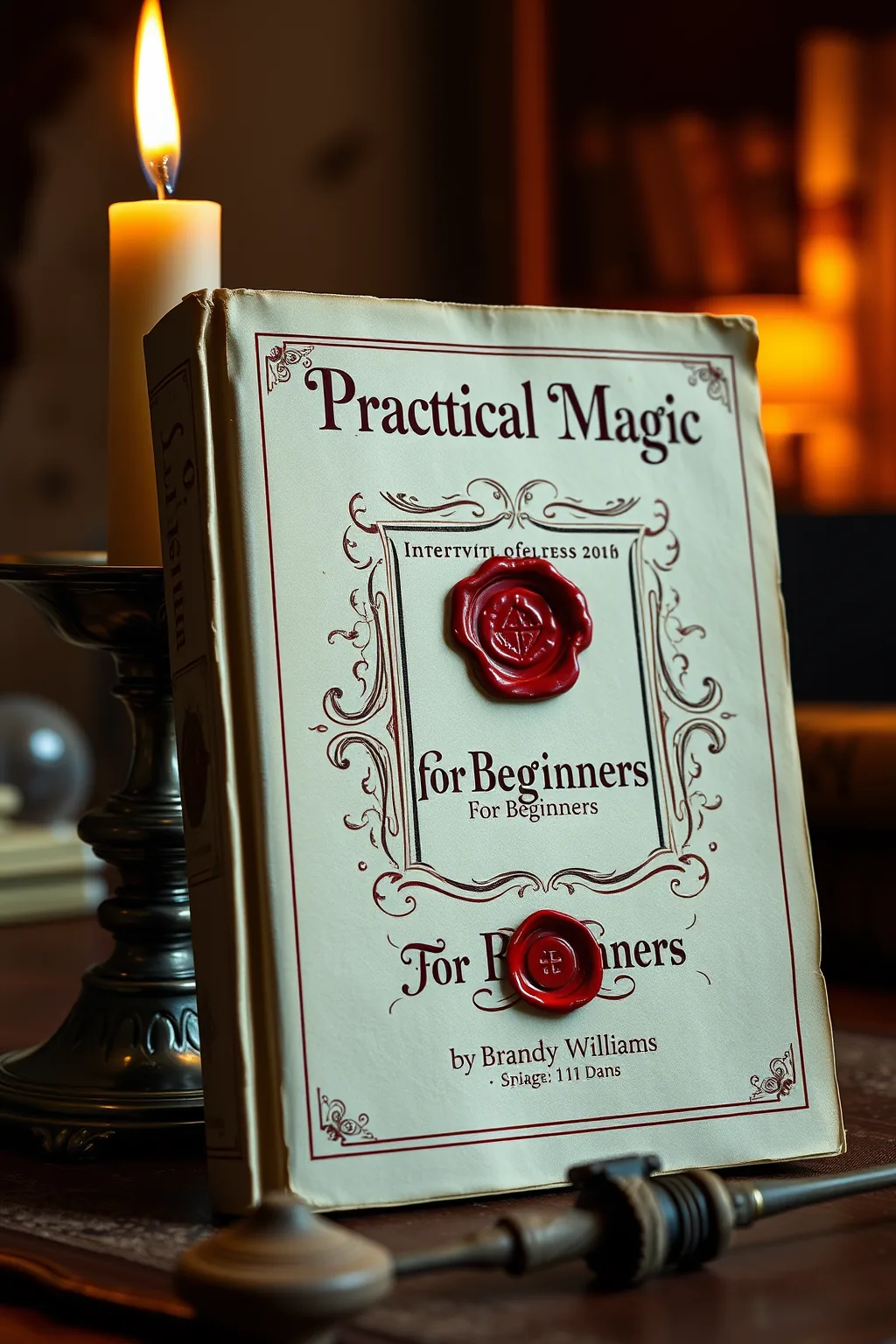
Practical Magic For Beginners
 81
81

Practical Magic For Beginners
Brandy Williams’ "Practical Magic for Beginners" delivers on its promise of accessibility, a feat not always achieved in the crowded field of beginner occult literature. The strength of this book lies in its clear, step-by-step approach to core magical concepts. Williams avoids overwhelming neophytes with arcane jargon, instead focusing on practical exercises that build confidence. A particularly well-explained section details the construction of a basic altar, emphasizing personal meaning over prescribed ritual components. However, the book's primary limitation is its brevity; while accessible, some topics feel somewhat underdeveloped. For instance, the discussion on correspondences, while present, could benefit from more detailed examples. Nevertheless, for someone seeking a gentle, no-frills introduction to the mechanics of spellcraft and personal energy work, it serves as a solid starting point.
📝 Description
81
Brandy Williams published 'Practical Magic for Beginners' in 2005 to make magic accessible.
Published in 2005, Brandy Williams' "Practical Magic for Beginners" serves as an accessible introduction to the craft. The book aims to clarify common magical practices and impart basic knowledge for those new to esoteric studies. Williams breaks down complex ideas into simple steps, encouraging a personal grasp of magical principles over strict adherence to any single doctrine. Key to her approach is the importance of focused intention, energy manipulation, and the connection between the practitioner and the natural world.
This text is mainly for individuals with little or no background in witchcraft, Wicca, or similar traditions. It speaks to those curious about using magic in their everyday lives. Readers who prefer a direct, uncomplicated method of learning and seek guidance on developing their own magical intuition will find it useful. It is suitable for those who practice alone or lack access to formal groups or teachers.
Released in 2005, "Practical Magic for Beginners" appeared during a time of growing public interest in witchcraft and paganism. This period saw many introductory books emerge, offering varied views on magical practice. Williams' book offered a grounded, easy-to-understand option among other texts that focused more on academic or historical aspects of occultism and religious studies. It focused on practical application rather than historical research.
💡 Why Read This Book?
• Gain practical skills for setting intentions and performing basic energy work, directly applicable to daily life, as outlined in the chapter on "Simple Spell Structures." • Develop an understanding of elemental correspondences (Earth, Air, Fire, Water) and their role in crafting personal rituals, building upon the foundational explanations provided. • Cultivate personal magical intuition by learning foundational techniques like grounding and visualization, moving beyond theoretical concepts to hands-on practice.
⭐ Reader Reviews
Honest opinions from readers who have explored this book.
❓ Frequently Asked Questions
What are the basic principles of magic covered in "Practical Magic for Beginners"?
The book covers fundamental principles such as grounding, centering, visualization, intention setting, and the use of elemental energies. It emphasizes building personal power and understanding the interconnectedness of the practitioner with the natural world.
Does "Practical Magic for Beginners" require specific tools or materials?
While it suggests simple tools like candles and natural elements for altars, the book emphasizes that magic is primarily an internal practice. It encourages using what is accessible and meaningful to the individual practitioner.
Is this book suitable for solitary practitioners?
Yes, "Practical Magic for Beginners" is ideal for solitary practitioners. It focuses on building individual skills and intuition, offering guidance that can be followed independently without the need for a group or coven.
What is the publishing history of "Practical Magic for Beginners"?
The book was first published in 2005, a period when interest in witchcraft and esoteric subjects was growing significantly, making it a timely resource for new seekers.
Does the book discuss the ethics of magic?
Yes, Brandy Williams addresses the ethical considerations of magical practice, stressing the importance of personal responsibility, intent, and the potential consequences of one's actions.
What kind of magic does "Practical Magic for Beginners" focus on?
It focuses on practical, everyday magic and spellcraft, aiming to empower beginners with foundational skills for personal growth and manifestation rather than complex ceremonial magic.
🔮 Key Themes & Symbolism
Foundational Energy Work
Williams introduces the concept of personal energy as the core component of magic. The book guides readers through exercises to sense, direct, and shape this energy, essential for any magical working. This includes practical methods for grounding oneself to the Earth and centering one's focus, vital steps often overlooked by those new to esoteric practices. The emphasis is on developing an intuitive connection with one's own energetic field, laying the groundwork for more complex spellcraft and manifestation techniques.
Elemental Correspondences
The work explores the four classical elements – Earth, Air, Fire, and Water – not just as natural forces but as symbolic energies that can be invoked and utilized in magical practice. Each element is associated with specific qualities, directions, and tools, offering a framework for understanding the forces at play in spellcasting. By learning to work with these correspondences, beginners can imbue their intentions with greater power and structure, making their magical efforts more effective and aligned with natural rhythms.
Intent and Visualization
Central to Williams' approach is the power of focused intent, amplified through clear visualization. The book stresses that a well-defined goal, coupled with a vivid mental image of its achievement, is crucial for directing magical energy. Readers are taught techniques to hone their ability to visualize outcomes with precision and conviction, transforming abstract desires into tangible possibilities. This focus on mental discipline is presented as a central to effective spellcasting and personal manifestation.
Personalized Practice
A significant theme is the encouragement of a personalized magical path. Rather than prescribing a rigid set of rules, "Practical Magic for Beginners" advocates for adapting practices to the individual's life, beliefs, and available resources. This includes creating a personal altar space and choosing tools that hold individual meaning. The book empowers beginners to trust their intuition and develop a style of magic that feels authentic and sustainable for them.
💬 Memorable Quotes
Direct passages from the work, attributed to the author.
“Magic begins with understanding your own energy.”
— This statement highlights the core tenet that personal energy is the fundamental resource in magical practice. It suggests that before external forces or complex rituals are considered, the practitioner must first learn to recognize, control, and direct their internal power.
“The altar is a personal sacred space, not a display of dogma.”
— This emphasizes that the creation and use of an altar should be rooted in the practitioner's individual connection and meaning, rather than adherence to external rules or traditions. It encourages authenticity and personal expression in sacred space.
“Clear intention is the compass of your spell.”
— This metaphor illustrates the critical role of a well-defined objective in spellcasting. Just as a compass guides a traveler, a clear intention directs the flow of magical energy towards a specific outcome.
“Work with the elements that call to you.”
— This encourages a personalized approach to working with elemental forces. It suggests that practitioners should pay attention to which elements resonate most strongly with them, fostering a more intuitive and effective connection.
💡 Key Ideas
Editorial paraphrase of the work's core concepts — not direct quotes.
Grounding connects you to the Earth’s stability.
This paraphrase explains the practical benefit of grounding techniques. It highlights how connecting with the Earth provides a sense of stability and centeredness, which is foundational for managing magical energies.
🌙 Esoteric Significance
Tradition
This work fits within the broader Neo-Pagan and modern witchcraft movements, which often draw eclectically from various esoteric traditions, including Hermeticism and folk magic. It departs from stricter, lineage-based traditions by prioritizing personal experience and accessible practice over adherence to specific historical or religious doctrines. Its focus is on imbuing everyday life with magical intent and energy, a characteristic of contemporary witchcraft seeking to integrate spiritual practice into secular existence.
Symbolism
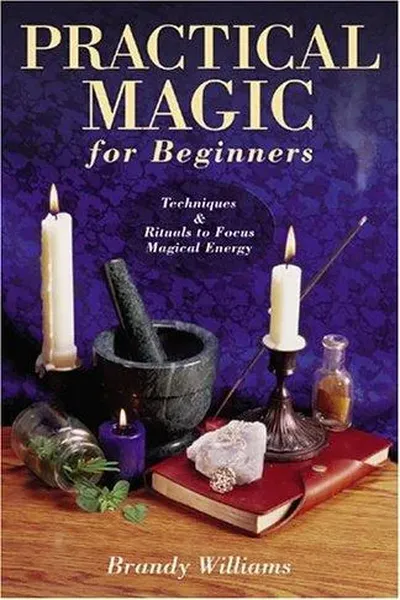
Key symbols include the elements (Earth, Air, Fire, Water), representing fundamental forces and aspects of existence. The altar, a central motif, symbolizes a personal sacred space for focus and manifestation, adapted by the individual. Candles often represent elemental energies or the focus of intent, while natural objects like stones and herbs are used for their inherent energetic properties and symbolic associations within folk traditions.
Modern Relevance
Contemporary practitioners of green witchcraft, solitary practice, and those exploring personal spirituality often find resonance with Williams' emphasis on accessible, earth-centered magic. The book's foundational approach to energy work and intention setting continues to inform beginner courses and online resources within the broader witchcraft and esoteric community today.
👥 Who Should Read This Book
• Aspiring practitioners of witchcraft and spellcraft seeking a grounded, step-by-step introduction to fundamental magical concepts and techniques. • Individuals interested in developing personal spiritual practices outside of organized religion, looking for accessible ways to engage with energy work and manifestation. • Curious readers exploring the esoteric and metaphysical, who appreciate clear, practical guidance on building a personal connection to magical principles.
📜 Historical Context
Published in 2005, "Practical Magic for Beginners" arrived as the internet facilitated wider access to esoteric knowledge and fostered a growing community of modern practitioners. This period saw a surge in beginner-friendly witchcraft books, moving beyond the more academic or historically rigid texts that dominated earlier eras. Williams' work positioned itself as a practical, accessible guide, contrasting with the more complex ceremonial magic traditions or the specific theological frameworks found in some Wiccan traditions. While not directly engaging with specific contemporaries by name in its core text, its publication date places it within a wave of accessible guides that democratized access to magical thinking, alongside authors like Scott Cunningham who had popularized a more gentle, nature-based approach in preceding years.
📔 Journal Prompts
Reflect on the concept of personal energy and how you might begin to sense it.
Consider the elemental associations of Earth, Air, Fire, and Water in your daily environment.
Describe a clear intention you wish to manifest, visualizing its successful completion.
Design a personal altar space using accessible items that hold meaning for you.
How does the idea of personalized practice align with your spiritual inclinations?
🗂️ Glossary
Grounding
A technique used to connect one's energetic field to the Earth, promoting stability, centering, and the release of excess or unwanted energy. It is a foundational practice for magical work.
Centering
The practice of bringing one's focus and energy into the present moment and into one's own body, creating a sense of balance and inner stillness before undertaking magical operations.
Visualization
The mental creation of vivid images, scenarios, or desired outcomes. In magic, it is used to focus intent and direct energy towards a specific goal.
Intention
The focused will or purpose behind a magical act. A clear and strong intention is considered crucial for the effectiveness of spellcraft.
Correspondences
The symbolic associations between different elements, objects, colors, times, or energies used in magical workings to enhance focus and power. For example, associating green with nature or prosperity.
Altar
A dedicated space, often a table or shelf, used for magical practice. It serves as a focal point for rituals, spellcasting, and connecting with spiritual energies or deities.
Energy Work
Practices focused on sensing, manipulating, and directing subtle energies within oneself and the environment for magical or healing purposes.
🔮 Readers Also Liked
Browse all →







More by Brandy Williams
All books →
More Free Magic & Ritual Books
View all →