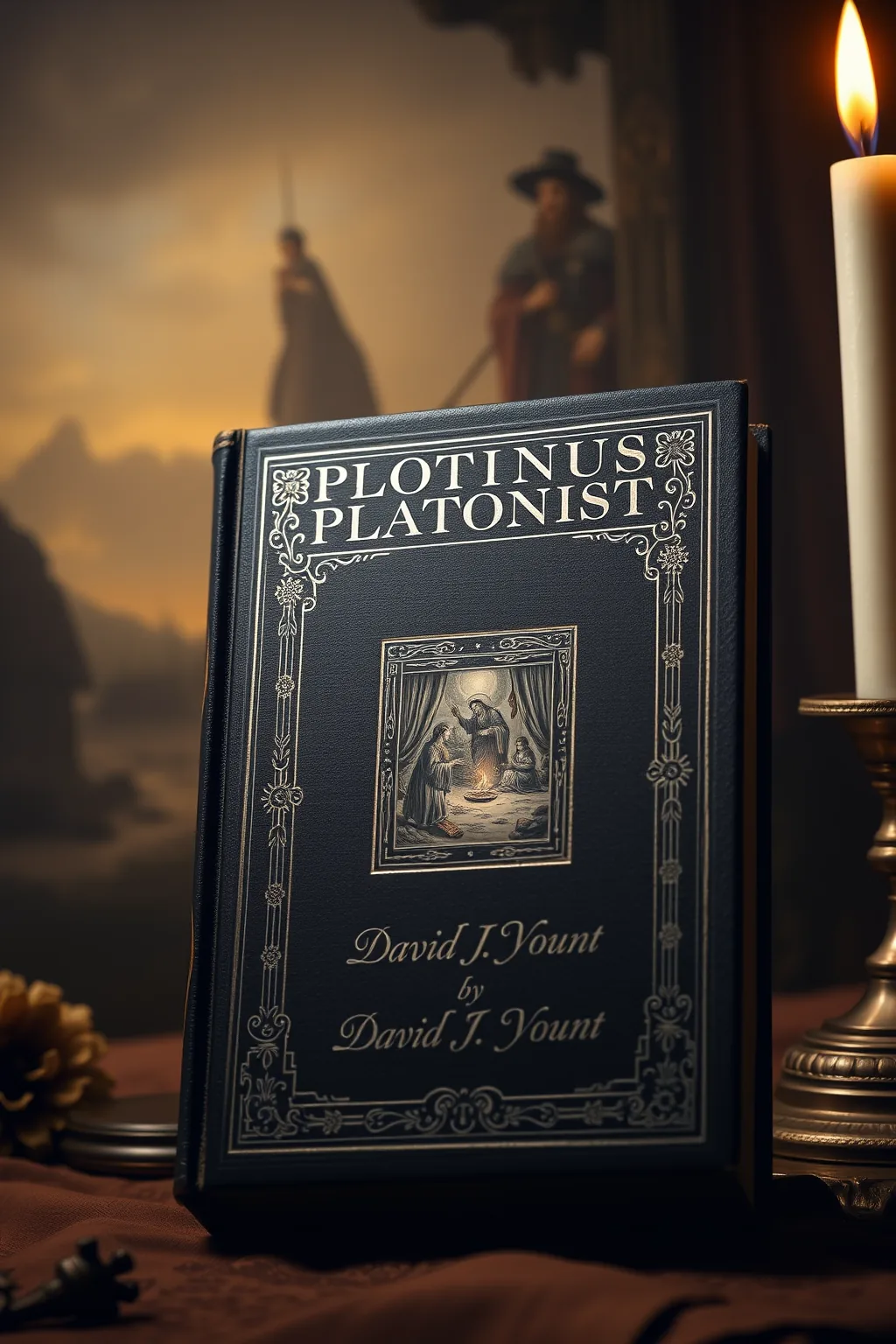
Plotinus the Platonist
 62
62

Plotinus the Platonist


Marcus Thorne (Esoteric Sciences Reviewer) — David J. Yount's 'Plotinus the Platonist' is a seminal work that challenges conventional wisdom in the realm of Neoplatonic thought. Yount's meticulous analysis reveals the esoteric threads that unite Plato and Plotinus, offering readers a fresh perspective on the metaphysics of the ancient world. This book is a treasure trove of hidden knowledge, particularly for those interested in the symbolism and mystical underpinnings of Neoplatonism. The strengths of this work lie in its rigorous scholarship and its ability to make complex philosophical ideas accessible to both academic and spiritual seekers. Yount's insights are invaluable for anyone delving into the esoteric traditions.
📝 Description
62
David J. Yount's 2007 book examines Plotinus's relationship to Plato's philosophy.
David J. Yount's 'Plotinus the Platonist' investigates the philosophical links between Plato and his later interpreter, Plotinus. The author focuses on how Plotinus adapted and expanded upon Platonic ideas, particularly concerning metaphysics and spiritual ascent. Yount traces the development of concepts like The One, Intellect, and the All-Soul, showing their roots in Plato's work and their subsequent elaboration by Plotinus.
The book aims to clarify the intellectual lineage connecting these two thinkers. It presents Plotinus not merely as a follower but as a synthesizer who developed a distinct system of thought. Yount's analysis highlights the practical and contemplative dimensions of Plotinian philosophy, making it accessible to those interested in its spiritual implications. This work is suited for readers who wish to understand the core tenets of Neoplatonism through the lens of its most significant figure.
This book situates Plotinus within the Neoplatonic tradition, a major branch of late antique philosophy that profoundly influenced Western esotericism. Neoplatonism, originating with Plotinus in the 3rd century CE, posits a hierarchical structure of reality emanating from a supreme, ineffable principle often called 'The One.' This system involves mystical ascent and the pursuit of union with the divine, concepts that have echoed through various esoteric movements, including Hermeticism, Kabbalah, and later mystical Christian and Islamic thought. Yount's work clarifies the philosophical underpinnings of this influential lineage.
💡 Why Read This Book?
Read 'Plotinus the Platonist' to uncover the hidden connections between Plato and Plotinus, essential for seekers of spiritual enlightenment and scholars of esoteric philosophy. This book provides a deep dive into the core principles of Neoplatonism, offering profound insights into the nature of the divine and the mystical journey of the soul. Ideal for practitioners of Hermetic arts and those interested in the esoteric dimensions of ancient wisdom.
⭐ Reader Reviews
Honest opinions from readers who have explored this book.
❓ Frequently Asked Questions
What is the primary argument of 'Plotinus the Platonist'?
The primary argument is that there are no essential differences between the metaphysics of Plato and Plotinus, challenging the commonly held view that their philosophies are distinct.
Who is the intended audience for this book?
The book is intended for scholars of esoteric philosophy, spiritual seekers, and practitioners of mystical arts who are interested in the esoteric dimensions of Neoplatonism.
What are the core principles covered in the book?
The core principles include The One or Good, Intellect, All-Soul, Beauty, God(s), Forms, Emanation, Matter, and Evil.
How does the book address the authenticity of Plato's works?
The book addresses interpretive issues surrounding the authenticity of Plato's works and argues against the commonly held view that Plato and Plotinus have distinct metaphysical systems.
What makes this book unique in the field of Neoplatonic studies?
The book's unique perspective lies in its argument for the unity of Plato and Plotinus' metaphysics, offering a fresh and esoteric interpretation of their philosophies.
🔮 Key Themes & Symbolism
The Unity of Plato and Plotinus
David J. Yount's 'Plotinus the Platonist' challenges the conventional wisdom that Plato and Plotinus have distinct metaphysical systems. Instead, it reveals the esoteric threads that bind their philosophies, offering a fresh perspective on the mystical heart of Neoplatonism. This theme examines the hidden knowledge that unites their teachings, providing useful insights into the nature of the divine and the spiritual journey of the soul.
The Three Hypostases
The book explores the core principles of Plotinian thought, including The One or Good, Intellect, and All-Soul. These Three Hypostases form the foundation of Neoplatonic metaphysics, representing the stages of the divine emanation that lead to the creation of the material world. This theme offers a deep dive into the mystical dimensions of these principles, revealing their esoteric significance and their role in the spiritual ascent of the soul.
Emanation and the Nature of Evil
Yount's work examines the concept of emanation, the process by which the divine principles manifest in the material world. This theme also addresses the nature of evil, exploring how it arises from the imperfections of the material realm. By understanding these concepts, readers gain insight into the mystical journey of the soul and its quest for spiritual enlightenment.
💬 Memorable Quotes
Direct passages from the work, attributed to the author.
“Intellect is the first emanation of The One, the area of divine thought and wisdom.”
— Intellect represents the bridge between the divine and the material, embodying the esoteric knowledge that guides the soul's journey.
“Beauty is the manifestation of the divine in the material world, a glimpse of the eternal.”
— Beauty serves as a symbol of the divine presence, guiding the soul towards spiritual ascension and enlightenment.
💡 Key Ideas
Editorial paraphrase of the work's core concepts — not direct quotes.
The One is the source of all being, the unknowable origin of the divine emanation.
This quote highlights the mystical nature of The One, the ultimate principle from which all existence flows.
All-Soul is the principle of life and consciousness that permeates the material world.
This quote underscores the mystical role of All-Soul in connecting the divine with the physical realm, offering a path to spiritual enlightenment.
Evil is the absence of the good, a shadow that arises from the imperfections of the material realm.
This quote explores the esoteric nature of evil, revealing its role in the spiritual journey and the quest for divine knowledge.
🌙 Esoteric Significance
Tradition
Plotinus the Platonist belongs to the Hermetic tradition, which emphasizes the unity of divine knowledge and the mystical journey of the soul. This tradition draws on the esoteric teachings of ancient philosophers and mystics, offering a path to spiritual enlightenment and the discovery of hidden wisdom.
Symbolism
Key symbols in the book include The One or Good, Intellect, and All-Soul, which represent the stages of divine emanation. These symbols embody the esoteric knowledge that guides the soul's journey towards spiritual ascension and the discovery of the divine within the material world.
Modern Relevance
The esoteric insights of 'Plotinus the Platonist' are relevant today for modern practitioners of Hermetic arts and seekers of spiritual enlightenment. The book's exploration of the unity of Plato and Plotinus' metaphysics offers a fresh perspective on the mystical dimensions of Neoplatonism, inspiring a new generation of scholars and spiritual seekers.
👥 Who Should Read This Book
Beginners in esoteric philosophy will find this book an accessible introduction to the mystical dimensions of Neoplatonism. Scholars of ancient philosophy will appreciate the rigorous scholarship and fresh perspective on the unity of Plato and Plotinus' metaphysics. Spiritual seekers and practitioners of Hermetic arts will benefit from the useful insights into the nature of the divine and the spiritual journey of the soul. Those interested in the esoteric traditions will find this book a valuable resource for deepening their understanding of hidden wisdom and mystical knowledge.
📜 Historical Context
Written in an era when the study of ancient philosophy was experiencing a renaissance, 'Plotinus the Platonist' by David J. Yount offers a timely exploration of the esoteric connections between Plato and Plotinus. During this period, there was a growing interest in the mystical dimensions of Neoplatonism, and Yount's work provided a fresh perspective on the unity of their metaphysical systems. The book's influence can be seen in the renewed interest in Hermetic arts and the esoteric traditions that emerged in the following decades, inspiring a new generation of seekers and scholars.
📔 Journal Prompts
Reflect on the concept of The One or Good and its significance in your spiritual journey.
How does the idea of emanation influence your understanding of the material world?
Consider the role of Intellect in guiding the soul towards spiritual enlightenment.
Explore the esoteric significance of Beauty in the context of Neoplatonic thought.
Reflect on the nature of evil and its role in the spiritual ascent of the soul.
🗂️ Glossary
The One or Good
The ultimate principle from which all existence flows, representing the unknowable origin of the divine emanation.
Intellect
The first emanation of The One, the area of divine thought and wisdom that bridges the divine and the material.
All-Soul
The principle of life and consciousness that permeates the material world, connecting the divine with the physical realm.
Emanation
The process by which the divine principles manifest in the material world, guiding the soul's journey towards spiritual enlightenment.
Evil
The absence of the good, a shadow that arises from the imperfections of the material realm, playing a role in the spiritual journey and quest for divine knowledge.
This book appears in 5 collections
🔮 Readers Also Liked
Browse all →







More by David J. Yount
All books →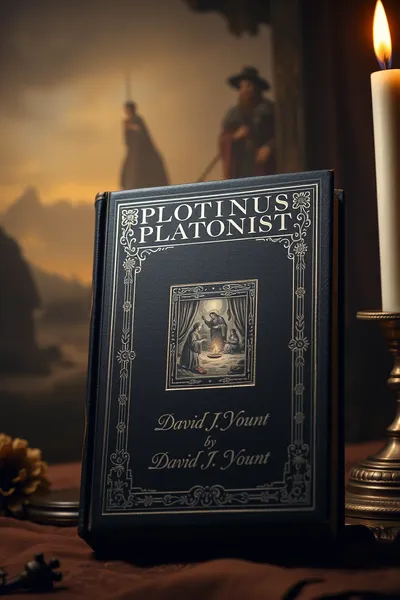
From the “Neoplatonism” Collection
View all →







More Free Alchemy & Hermeticism Books
View all →