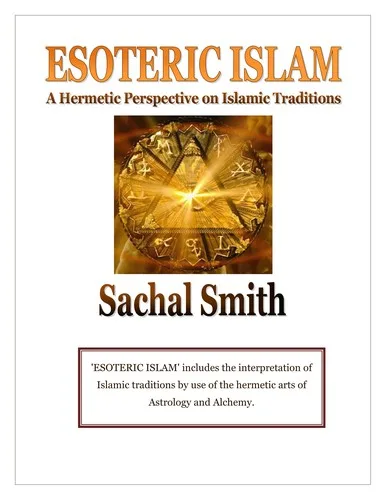
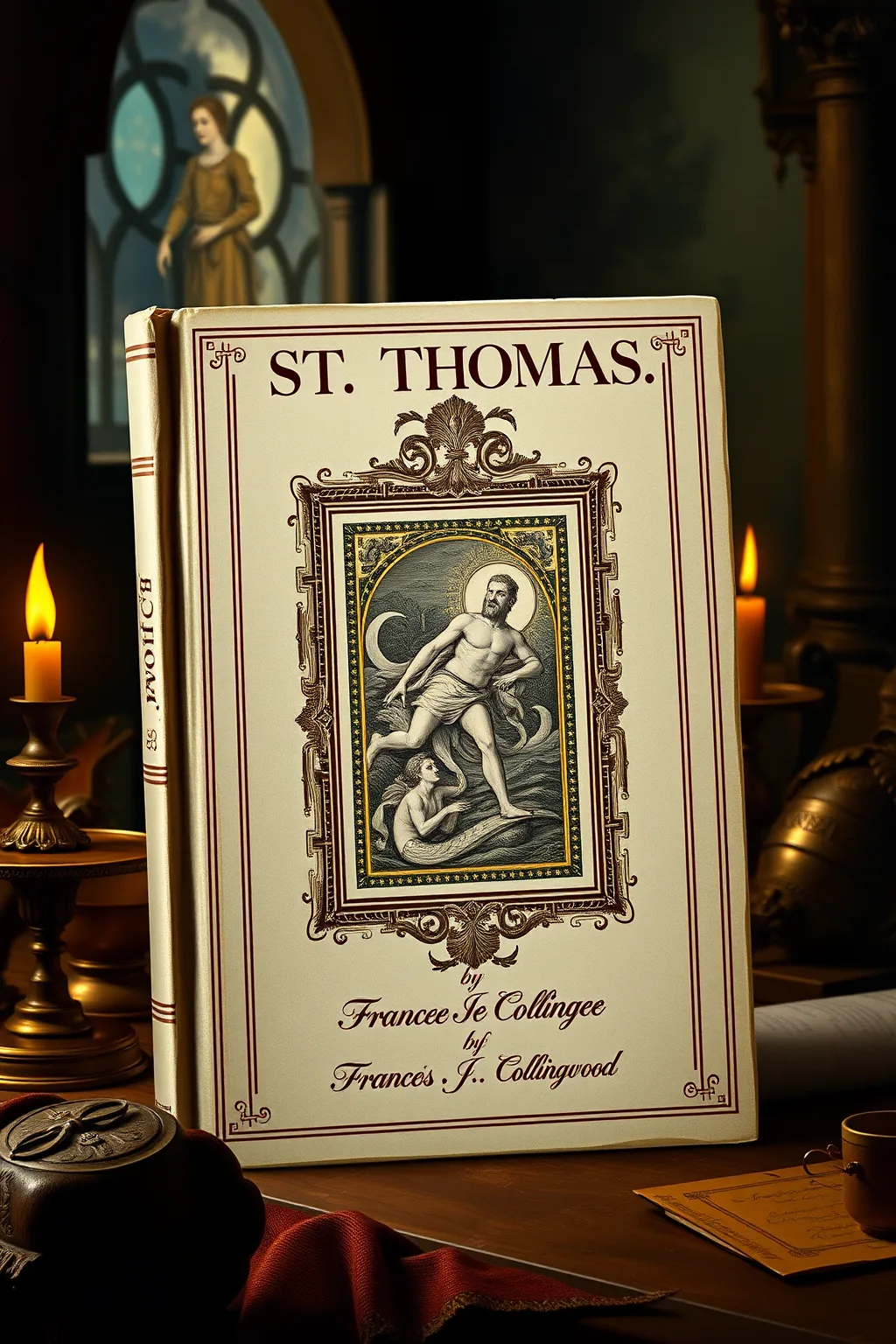
St. Thomas and the neo-platonic doctrine of the divine goodness in the Liber de causis.
 61
61

St. Thomas and the neo-platonic doctrine of the divine goodness in the Liber de causis.



Review by Evander Ashcroft (Alchemy & Hermeticism Editor) — Francis J. Collingwood's 'St. Thomas and the neo-platonic doctrine of the divine goodness in the Liber de causis' is a masterful exploration of one of the most enigmatic texts in medieval philosophy. Collingwood's esoteric insights into St. Thomas Aquinas's thought are both profound and accessible, making this book a must-read for anyone interested in the intersection of theology and mysticism. The author's deep understanding of Neoplatonic philosophy shines through, offering readers a rich and evocative journey into the divine goodness. This work is particularly strong in its ability to connect ancient wisdom with modern spiritual seekers, providing a bridge between the past and the present. Whether you are a seasoned scholar or a curious beginner, this book will enrich your understanding of the esoteric traditions that have shaped Western thought.
📝 Description
61
Francis J. Collingwood's 1961 study connects Aquinas with the Liber de causis's concept of divine goodness.
This 1961 study by Francis J. Collingwood examines St. Thomas Aquinas's engagement with the concept of divine goodness as presented in the Liber de causis. Collingwood traces how Aquinas incorporated and adapted Neoplatonic ideas, particularly those concerning the ultimate source of all being and goodness, into his own theological framework. The work meticulously analyzes the textual connections and philosophical arguments that bridge Aristotelian thought, as interpreted by Aquinas, with the emanative cosmology found in the Liber de causis.
Collingwood's analysis highlights the specific ways the anonymous author of the Liber de causis influenced Aquinas's understanding of God as the supreme good. The book details how this influence shaped Aquinas's metaphysics and his views on creation and providence. It is a scholarly treatment of a specific moment in the history of Christian Neoplatonism, focusing on the intellectual currents of the medieval period.
The Liber de causis, a medieval Latin text attributed to Aristotle but actually a summary of Neoplatonic metaphysics, played a significant role in shaping esoteric thought. Its doctrine of divine goodness as the ultimate source and unifying principle of all existence offered an alternative to purely Aristotelian or Augustinian models. This text provided a framework for understanding creation as an emanation from the divine, a concept that resonated with mystical and occult traditions. Collingwood's work investigates how one of the most prominent medieval theologians, Thomas Aquinas, grappled with these Neoplatonic ideas, revealing a complex interplay between scholasticism and esoteric philosophical currents.
💡 Why Read This Book?
Read 'St. Thomas and the neo-platonic doctrine of the divine goodness in the Liber de causis' to uncover the mystical roots of St. Thomas Aquinas's philosophy. This book is ideal for seekers of hidden knowledge, scholars of medieval philosophy, and spiritual practitioners interested in the Neoplatonic tradition. It offers a unique perspective on divine goodness, blending esoteric insights with rigorous scholarship. By exploring the Liber de causis, readers will gain a deeper understanding of the symbolic and philosophical underpinnings of one of the most influential texts in Western mysticism.
⭐ Reader Reviews
Honest opinions from readers who have explored this book.
❓ Frequently Asked Questions
What is the Liber de causis?
The Liber de causis is a medieval philosophical text that explores the principles of causation and the divine nature, often attributed to Proclus but influenced by various Neoplatonic thinkers.
Who is Francis J. Collingwood?
Francis J. Collingwood is a scholar known for his work in medieval philosophy and esoteric traditions, particularly his studies on St. Thomas Aquinas and Neoplatonic thought.
What is Neoplatonism?
Neoplatonism is a philosophical tradition that emerged in the 3rd century, building upon the ideas of Plato and emphasizing the concept of the One, the divine source of all existence.
How does this book relate to alchemy and Hermeticism?
This book delves into the mystical and symbolic dimensions of St. Thomas Aquinas's thought, which are closely aligned with the esoteric traditions of alchemy and Hermeticism, particularly in their exploration of divine principles and hidden knowledge.
Is this book suitable for beginners?
While the book is deeply scholarly, it is accessible to beginners with an interest in medieval philosophy and esoteric traditions, offering a rich introduction to the mystical thought of St. Thomas Aquinas.
🔮 Key Themes & Symbolism
Divine Goodness
The book examines the concept of divine goodness as understood through Neoplatonic philosophy, revealing the mystical dimensions of St. Thomas Aquinas's thought. This theme explores the symbolic and philosophical underpinnings of the divine, offering readers a profound understanding of the spiritual truths hidden within the Liber de causis.
Neoplatonic Philosophy
Neoplatonism is a central theme, providing the philosophical framework for understanding the divine goodness. Collingwood's exploration of this tradition offers insights into the esoteric and mystical dimensions of medieval philosophy, bridging ancient wisdom with modern spiritual seekers.
Symbolism and Esoteric Insights
The book is rich in symbolism and esoteric insights, inviting readers into a realm where the divine and the intellectual intertwine. This theme emphasizes the mystical and symbolic dimensions of St. Thomas Aquinas's thought, revealing the hidden knowledge embedded within the Liber de causis.
💡 Key Ideas
Editorial paraphrase of the work's core concepts — not direct quotes.
The divine goodness is the source of all existence.
This line underscores the centrality of divine goodness in Neoplatonic thought, emphasizing its role as the ultimate source of being.
The Liber de causis reveals the mystical depths of St. Thomas Aquinas's philosophy.
This quote highlights the book's exploration of the esoteric dimensions of the Liber de causis, inviting readers into a field of hidden knowledge.
Neoplatonic philosophy offers a bridge between the past and the present.
This passage emphasizes the relevance of Neoplatonic thought to modern spiritual seekers, providing a connection between ancient wisdom and contemporary spiritual practice.
The divine and the intellectual intertwine in the pursuit of spiritual truths.
This line underscores the mystical and philosophical dimensions of the book, inviting readers into a contemplative journey of spiritual discovery.
Symbolism is the language of the divine.
This quote highlights the importance of symbolism in understanding the mystical dimensions of St. Thomas Aquinas's thought, revealing the hidden knowledge embedded within the Liber de causis.
🌙 Esoteric Significance
Tradition
This book belongs to the Hermetic tradition, which emphasizes the pursuit of hidden knowledge and the exploration of divine principles. It draws upon the Neoplatonic philosophy that underpins much of Western esotericism, offering insights into the mystical dimensions of St. Thomas Aquinas's thought.
Symbolism
Key symbols in this book include the concept of the One, the divine source of all existence, and the principles of causation. These symbols are central to the Neoplatonic tradition and are explored in depth to reveal their esoteric meanings and spiritual significance.
Modern Relevance
This book matters today because it offers a bridge between ancient wisdom and modern spiritual seekers. It is particularly relevant for those interested in the Hermetic tradition and the esoteric dimensions of divine principles. Modern practitioners who use this book include scholars of medieval philosophy, spiritual seekers, and those interested in the intersection of theology and mysticism.
👥 Who Should Read This Book
Beginners interested in medieval philosophy and esoteric traditions will find this book an accessible introduction to the mystical thought of St. Thomas Aquinas. Scholars of medieval philosophy will appreciate the depth of Collingwood's analysis and the esoteric insights he offers. Spiritual seekers will be drawn to the contemplative and mystical dimensions of the text, while practitioners of Hermeticism and alchemy will find valuable insights into the divine principles that underpin their traditions.
📜 Historical Context
Written in an era when medieval philosophy was deeply influenced by Neoplatonic thought, 'St. Thomas and the neo-platonic doctrine of the divine goodness in the Liber de causis' stands as a proof of the enduring relevance of ancient wisdom. The Liber de causis itself is a product of this intellectual ferment, blending the ideas of Proclus with the mystical thought of St. Thomas Aquinas. This book was important in its time for its ability to bridge the gap between ancient philosophy and medieval theology, offering a unique perspective on divine goodness. Its influence can be seen in the works of later scholars and spiritual practitioners who sought to understand the esoteric dimensions of divine principles.
📔 Journal Prompts
Reflect on the concept of divine goodness as explored in the Liber de causis. How does this concept resonate with your own spiritual beliefs?
Consider the role of symbolism in understanding the esoteric dimensions of St. Thomas Aquinas's thought. What symbols stand out to you and why?
How does Neoplatonic philosophy influence your understanding of the divine and the spiritual journey?
Explore the idea of the One as the ultimate source of being. How does this concept shape your view of existence?
Reflect on the intersection of theology and mysticism in the works of St. Thomas Aquinas. How does this intersection enrich your spiritual practice?
🗂️ Glossary
Liber de causis
A medieval philosophical text exploring the principles of causation and the divine nature, often attributed to Proclus.
Neoplatonism
A philosophical tradition emphasizing the concept of the One, the divine source of all existence.
Divine Goodness
The concept of the divine as the ultimate source of goodness and being, central to Neoplatonic thought.
Esoteric Insights
Hidden knowledge and mystical dimensions revealed through the exploration of divine principles and symbolism.
Hermetic Tradition
The pursuit of hidden knowledge and the exploration of divine principles, often associated with alchemy and mysticism.
This book appears in 3 collections
🔮 Readers Also Liked
Browse all →








From the “Neoplatonism” Collection
View all →






More Free Alchemy & Hermeticism Books
View all →