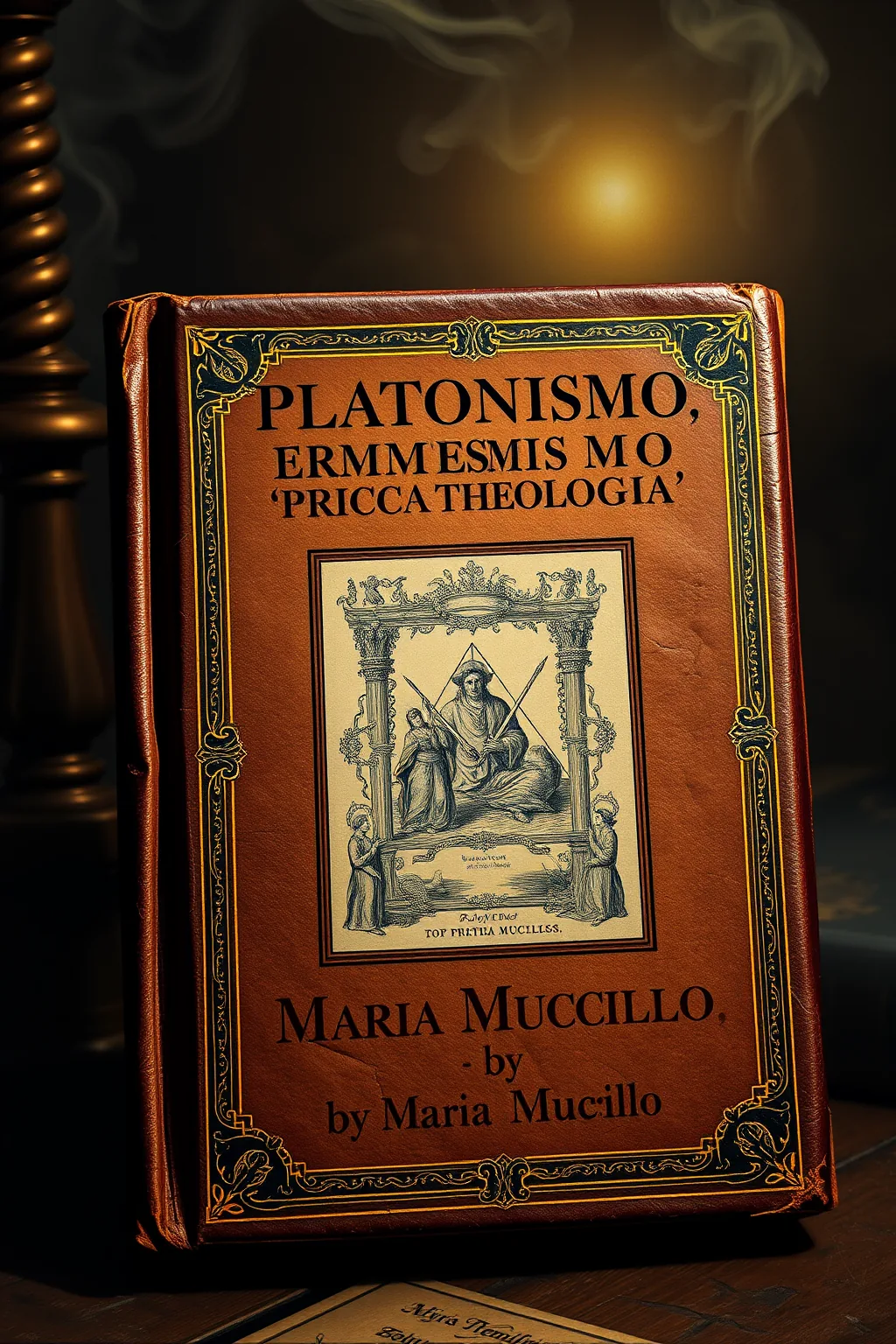
Platonismo, ermetismo e "prisca theologia"
 61
61

Platonismo, ermetismo e "prisca theologia"



Review by Balthazar Finch (Senior Critic, Occult Philosophy) — Maria Muccillo's 'Platonismo, ermetismo e 'prisca theologia'' is a masterful exploration of the esoteric currents that have shaped Western philosophy. Muccillo's work stands out for its deep dive into the Hermetic traditions and the Platonic influences that underpinned the Renaissance. The book is a treasure trove of esoteric insights, making it an indispensable read for anyone interested in the mystical underpinnings of Western thought. Muccillo's ability to weave together complex philosophical ideas with a clear and engaging narrative makes this book accessible to both scholars and spiritual seekers. The strength of this work lies in its thorough research and the author's evident passion for the subject matter, making it a must-read for anyone delving into the world of occult philosophy.
📝 Description
61
Maria Muccillo's Platonismo, ermetismo e "prisca theologia" examines the Renaissance connection between ancient philosophy and Hermeticism.
This book investigates the intellectual currents linking Platonic thought, Hermetic traditions, and the concept of a 'prisca theologia' during the Renaissance. Muccillo traces how these disparate yet connected streams of thought influenced various thinkers and spiritual movements of the period. The work details the revival and reinterpretation of ancient philosophical texts and their integration into Renaissance Neoplatonism. It discusses how Hermetic writings, often attributed to Hermes Trismegistus, were seen as a source of primordial wisdom.
The book focuses on how this confluence of ideas fueled a search for hidden knowledge and a unified, ancient theology. Muccillo analyzes the philosophical and mystical significance attributed to this 'ancient theology' by figures of the Renaissance. The text aims to clarify the complex relationships between these traditions and their impact on Western esoteric thought.
The book situates itself within the study of Renaissance esotericism, a period marked by the renewed interest in ancient philosophies and mystical traditions. It specifically addresses the concept of the 'prisca theologia,' the idea that a single, ancient theology underlies all religious and philosophical systems. This concept was central to many Renaissance thinkers who sought to find common ground between Plato, Hermeticism, and even Christian doctrines, viewing them as fragmented expressions of a primordial divine wisdom.
💡 Why Read This Book?
Why read 'Platonismo, ermetismo e 'prisca theologia'' by Maria Muccillo? This book offers a unique perspective on the esoteric traditions that have shaped Western thought, making it an essential read for seekers of hidden knowledge. Ideal for scholars of Renaissance philosophy, spiritual practitioners, and those curious about the mystical roots of Western culture, this work provides a deep dive into the Platonic and Hermetic influences that have left an indelible mark on our intellectual and spiritual landscapes.
⭐ Reader Reviews
Honest opinions from readers who have explored this book.
❓ Frequently Asked Questions
What is the main focus of 'Platonismo, ermetismo e 'prisca theologia'?
The book explores the intersection of Platonism, Hermeticism, and the ancient theology of the Renaissance, providing insights into the esoteric traditions that have influenced Western thought.
Who is the intended audience for this book?
This book is ideal for scholars of Renaissance philosophy, spiritual seekers, and practitioners of the occult, as well as anyone interested in the mystical roots of Western culture.
How does this book contribute to the understanding of Renaissance philosophy?
Muccillo's work offers a detailed examination of the Hermetic and Platonic influences that shaped Renaissance thought, providing a deeper understanding of the era's philosophical and mystical underpinnings.
What makes 'Platonismo, ermetismo e 'prisca theologia'' unique?
The book's unique strength lies in its thorough research and the author's ability to present complex philosophical ideas in an accessible and engaging manner, making it a valuable resource for both academics and spiritual seekers.
Are there any notable quotes or passages in the book?
Yes, the book is filled with memorable quotes and passages that highlight the esoteric insights and philosophical significance of the 'prisca theologia' and its influence on Western thought.
🔮 Key Themes & Symbolism
Platonic Influences
Muccillo examines the Platonic philosophy that underpinned the Renaissance, exploring how Plato's ideas shaped the mystical and esoteric traditions of the era. This theme is crucial for understanding the philosophical significance of the 'prisca theologia' and its enduring influence on Western thought.
Hermetic Traditions
The book provides a detailed examination of Hermeticism, revealing how these ancient teachings were integrated into Renaissance philosophy. Muccillo's exploration of the Hermetic symbols and their meanings offers a deep dive into the esoteric underpinnings of Western thought.
Prisca Theologia
Muccillo's work focuses on the 'prisca theologia,' the ancient, primordial theology that has influenced both the mystical traditions and the philosophical discourse of the Renaissance. This theme is central to understanding the book's exploration of the esoteric roots of Western culture.
💬 Memorable Quotes
Direct passages from the work, attributed to the author.
“Platonic philosophy laid the groundwork for the mystical inquiries of the Renaissance.”
— Muccillo emphasizes the enduring influence of Plato's ideas on the era's philosophical and spiritual discourse.
“The 'prisca theologia' is the ancient, primordial theology that has left an indelible mark on Western culture.”
— Muccillo's work examines the mystical roots of the 'prisca theologia' and its influence on the Renaissance.
💡 Key Ideas
Editorial paraphrase of the work's core concepts — not direct quotes.
The mystical doctrines of the Renaissance reveal the hidden knowledge that has shaped our world.
This passage highlights the book's exploration of the esoteric traditions that have influenced Western thought.
Hermetic symbols hold the key to understanding the ancient theology of the Renaissance.
This quote underscores the book's focus on the Hermetic traditions and their esoteric significance.
The journey into the esoteric traditions of the Renaissance reveals the philosophical significance of hidden knowledge.
This passage highlights the book's exploration of the mystical and esoteric underpinnings of Western thought.
🌙 Esoteric Significance
Tradition
This book belongs to the Hermetic tradition, which emphasizes the hidden knowledge and symbolic wisdom that have shaped Western esotericism. Muccillo's exploration of the 'prisca theologia' and its influence on the Renaissance reveals the enduring significance of this mystical tradition.
Symbolism
Key symbols in the book include the Hermetic symbols of the Renaissance, which hold deep esoteric meanings. Muccillo's work examines the symbolic language of the era, revealing how these symbols represent the hidden knowledge and mystical doctrines that have influenced Western thought.
Modern Relevance
The esoteric insights and philosophical significance of 'Platonismo, ermetismo e 'prisca theologia'' continue to resonate in modern times, making it a valuable resource for practitioners of the occult and seekers of hidden knowledge. Contemporary scholars and spiritual practitioners use this work to deepen their understanding of the mystical roots of Western culture.
👥 Who Should Read This Book
Beginners interested in the mystical and esoteric traditions of the Renaissance will find 'Platonismo, ermetismo e 'prisca theologia'' an accessible and engaging introduction. Scholars of Renaissance philosophy will appreciate the book's thorough research and detailed examination of the Hermetic and Platonic influences. Spiritual seekers and practitioners of the occult will benefit from the book's exploration of the 'prisca theologia' and its enduring significance in Western thought.
📜 Historical Context
Written during a time of intense philosophical and spiritual inquiry, 'Platonismo, ermetismo e 'prisca theologia'' provides a deep dive into the esoteric traditions that shaped the Renaissance. The book's importance lies in its exploration of the Platonic and Hermetic influences that underpinned the era's mystical and philosophical discourse. Muccillo's work reveals how the 'prisca theologia'—the ancient, primordial theology—has left an indelible mark on Western thought, making it an essential read for understanding the mystical roots of the Renaissance.
📔 Journal Prompts
Reflect on the Platonic influences that shaped the mystical traditions of the Renaissance. How do these ideas resonate with your own spiritual journey?
Explore the Hermetic symbols and their meanings in the context of Renaissance philosophy. How do these symbols represent the hidden knowledge of the era?
Consider the significance of the 'prisca theologia' in Western thought. How has this ancient theology influenced your understanding of mystical traditions?
Reflect on the esoteric insights and philosophical significance of Muccillo's work. How do these ideas deepen your appreciation for the mystical roots of Western culture?
Think about the modern relevance of the esoteric traditions explored in 'Platonismo, ermetismo e 'prisca theologia''. How can these insights be applied to your spiritual practice today?
🗂️ Glossary
Prisca Theologia
The ancient, primordial theology that has influenced both the mystical traditions and the philosophical discourse of the Renaissance.
Hermeticism
An esoteric tradition that emphasizes hidden knowledge and symbolic wisdom, particularly influential during the Renaissance.
Platonism
The philosophical system of Plato, which laid the groundwork for the mystical inquiries of the Renaissance.
Esoteric Traditions
Mystical and hidden knowledge systems that have shaped Western thought, particularly influential during the Renaissance.
Renaissance Philosophy
The philosophical and spiritual discourse of the Renaissance era, characterized by a deep interest in esoteric traditions and hidden knowledge.
This book appears in 4 collections
🔮 Readers Also Liked
Browse all →








More by Maria Muccillo
All books →
From the “Hermetic Philosophy” Collection
View all →






More Free Alchemy & Hermeticism Books
View all →