Peyote
 76
76

Peyote
Abraham David Pedro's "Peyote: The Divine Flower of Life" attempts to demystify the ceremonial use of Lophophora williamsii. The author succeeds in presenting traditional indigenous teachings about peyote in a manner that is generally understandable, a commendable feat given the subject's often sensationalized portrayal. Pedro's emphasis on the spiritual science behind its medicinal use offers a valuable counterpoint to purely recreational or clinical perspectives. However, the work occasionally feels more like an extended primer than a critical academic inquiry. While it explains the 'what' and 'how' of traditional use, it could benefit from a more rigorous engagement with the complex socio-political factors that have shaped contemporary perceptions and legal status of peyote, particularly post-1960s counterculture movements. Despite this, Pedro's accessible approach makes the book a useful starting point for those unfamiliar with the sacred plant traditions of the Americas. The author’s interpretation of peyote as a "Divine Flower of Life" is central to its spiritual framing.
📝 Description
76
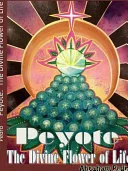
Abraham David Pedro's Peyote: The Divine Flower of Life details consciousness states accessed through the peyote cactus.
This book examines the traditional use of the peyote cactus for accessing altered states of consciousness. Abraham David Pedro clarifies the medicinal and spiritual applications of this entheogen, as understood and practiced by indigenous peoples over centuries. The work is for individuals who want to understand plant-based consciousness expansion and traditional healing practices. It appeals to those interested in comparative religion, ethnobotany, and the spiritual science behind indigenous ceremonies.
Pedro situates peyote use within its historical and cultural background, tracing its lineage through indigenous traditions. The book addresses the suppression and misunderstanding of these practices, especially after colonial encounters and peyote's classification as a controlled substance in many Western countries. Central concepts include sacred plant medicine, altered states of consciousness, and the connection between traditional ecological knowledge and spiritual development. The text views the peyote cactus as a sacred teacher and a means to access spiritual truths and medicinal awareness, not just a psychoactive substance.
This work belongs to the tradition of shamanic studies and the exploration of entheogens in spiritual practice. It connects with lineages that view specific plants as living entities or teachers, capable of imparting knowledge and facilitating healing. The book's focus on indigenous traditions aligns with a broader interest in animistic beliefs and nature-based spirituality, recognizing a conscious relationship between humans and the plant world. It speaks to the historical and ongoing role of psychoactive flora in shamanic cosmology and ritual.
💡 Why Read This Book?
• Gain clarity on the millennia-old indigenous practices surrounding peyote, as detailed in the book's exploration of traditional medicinal consciousness, offering a perspective distinct from modern pharmacological views. • Understand the spiritual science behind peyote's ceremonial use, moving beyond common myths to grasp concepts presented by Abraham David Pedro, first published in 2016. • Appreciate the peyote cactus as a sacred teacher and a conduit for spiritual development, a core theme elaborated throughout the text's accessible explanation of indigenous wisdom.
⭐ Reader Reviews
Honest opinions from readers who have explored this book.
❓ Frequently Asked Questions
What is the primary focus of Abraham David Pedro's book 'Peyote: The Divine Flower of Life'?
The book primarily focuses on the medicinal consciousness and awareness states derived from the traditional, indigenous use of the peyote cactus, aiming to explain the spiritual science behind these practices.
When was 'Peyote: The Divine Flower of Life' first published?
Abraham David Pedro's 'Peyote: The Divine Flower of Life' was first published on November 24, 2016.
Is the book 'Peyote: The Divine Flower of Life' accessible to a general audience?
Yes, the publisher's description indicates the author makes traditional teachings about peyote understandable and accessible to all audiences, dispelling myths surrounding its spiritual science.
What kind of consciousness does the book 'Peyote: The Divine Flower of Life' explore?
The book explores medicinal consciousness and awareness states that traditional indigenous peoples have followed for millennia through the use of peyote.
What does the book aim to dispel regarding peyote usage?
The book aims to dispel myths surrounding the actual spiritual science behind the traditional indigenous medicinal usage of peyote.
Who is the author of 'Peyote: The Divine Flower of Life'?
The author of 'Peyote: The Divine Flower of Life' is Abraham David Pedro.
🔮 Key Themes & Symbolism
Sacred Plant Medicine
The work positions peyote not as a mere drug, but as a sacred medicine, a 'Divine Flower of Life.' It details how indigenous cultures have revered and utilized this plant for millennia, not for recreation, but for healing, spiritual insight, and communion with the divine. This perspective is central to understanding the book's esoteric angle, framing the plant as a teacher and a key to accessing altered states of consciousness for profound personal and communal growth.
Traditional Consciousness States
A significant theme is the exploration of specific states of consciousness cultivated through peyote ceremonies. Pedro explains how these traditional practices are designed to foster heightened awareness, facilitate spiritual journeys, and impart medicinal knowledge. The book argues that these states are not random hallucinogenic experiences but are guided, purposeful journeys rooted in ancient wisdom and spiritual science, offering a unique lens on human potential.
Dispelling Myths
The book actively seeks to dismantle common misconceptions and stigma surrounding peyote. By presenting the 'spiritual science' behind its traditional medicinal use, Pedro aims to educate readers and foster respect for indigenous traditions. This involves clarifying the intention, ritual, and ethical considerations involved in its ceremonial application, contrasting it with sensationalized or purely pharmacological views prevalent in Western discourse.
Indigenous Wisdom Transmission
Central to the book's purpose is the accurate and accessible transmission of indigenous knowledge regarding peyote. Pedro endeavors to translate complex spiritual and medicinal concepts into terms understandable to a wider audience, ensuring the preservation and appreciation of these ancient traditions. The work acts as a bridge, connecting modern seekers with the profound, time-tested wisdom of native peoples.
💬 Memorable Quotes
Direct passages from the work, attributed to the author.
“The author makes the traditional teachings in such a way that it is understandable and accessible to all audiences.”
— This highlights the book's pedagogical success, emphasizing its role in translating complex indigenous spiritual practices for a global readership, breaking down cultural and linguistic barriers.
“dispels all myths surrounding the actual spiritual science behind traditional indigenous medicinal usage of Peyote”
— This statement points to the book's core objective: to provide an accurate, science-based understanding of peyote's sacred use, countering misinformation and promoting a respectful view of its role in indigenous healing.
“Peyote: The Divine Flower of Life”
— This title itself serves as a powerful interpretive statement, framing the cactus not as a mere plant but as a sacred, life-affirming entity within a spiritual cosmology.
“traditional indigenous people have followed for millennia”
— This phrase emphasizes the deep historical roots and cultural continuity of peyote use, positioning it within a lineage of ancient wisdom and sacred practice.
💡 Key Ideas
Editorial paraphrase of the work's core concepts — not direct quotes.
explores the states of medicinal consciousness and awareness that traditional indigenous people have followed for millennia.
This paraphrased concept underscores the book's focus on the experiential and therapeutic aspects of peyote use, grounding its exploration in the long-standing practices of indigenous peoples.
🌙 Esoteric Significance
Tradition
This work aligns with shamanic traditions and indigenous spiritual paths that view plants as conscious entities and sacred teachers. While not strictly fitting into Western esoteric lineages like Hermeticism or Theosophy, it shares their emphasis on altered states of consciousness, spiritual insight, and the pursuit of hidden knowledge. It represents a bridge between traditional animistic worldviews and contemporary esoteric interests in plant consciousness and non-ordinary reality.
Symbolism
The primary symbol is the peyote cactus itself, representing resilience, connection to the earth, and the 'Divine Flower of Life.' Its geometric patterns and star-like form can symbolize cosmic order and spiritual awakening. Water, often associated with peyote and its desert habitat, symbolizes purification, life, and the flow of spiritual energy. The cactus's ability to induce visions connects it to the symbolism of the 'third eye' and inner sight.
Modern Relevance
Contemporary interest in psychedelic-assisted therapy and the broader consciousness studies movement draw heavily on the principles explored in this book. Thinkers and practitioners in the psychedelic renaissance, ethnobotanists, and those involved in advocating for indigenous plant medicines find resonance with Pedro's approach. It informs modern discussions on sacred plant use, spiritual ecology, and the ethical integration of traditional practices into contemporary life.
👥 Who Should Read This Book
• Individuals exploring indigenous spiritual traditions and plant medicine: Gain an accessible understanding of peyote's role in ceremonial and healing contexts, moving beyond sensationalized accounts. • Students of comparative religion and ethnobotany: Deepen your knowledge of entheogenic practices and their historical significance, particularly the spiritual science behind indigenous use. • Seekers of expanded consciousness: Learn about traditional methods for accessing altered states of awareness and their potential for spiritual growth, as presented by Abraham David Pedro.
📜 Historical Context
Abraham David Pedro's "Peyote: The Divine Flower of Life" (first published 2016) emerged in an era marked by increasing global interest in plant-based psychedelics and a concurrent push for the recognition of indigenous rights and traditional knowledge. The mid-20th century saw the rise of counterculture movements that experimented with entheogens, often divorced from their cultural contexts, leading to increased scrutiny and legal restrictions. Simultaneously, anthropological studies and indigenous advocacy brought practices like the use of peyote within the Native American Church into greater public view. Pedro's work arrives as a response to this complex landscape, aiming to provide an authentic, respectful interpretation of peyote's spiritual significance, distinct from both recreational use and purely clinical research. It situates itself against a backdrop where psychoactive substances were largely viewed through a lens of pathology, challenging that perspective by highlighting their historical role in spiritual traditions, much like earlier works exploring the religious uses of substances, such as R. Gordon Wasson's writings on psilocybin mushrooms in the 1950s.
📔 Journal Prompts
The concept of peyote as a 'Divine Flower of Life' and its implications for understanding sacred botany.
Reflecting on the distinction between medicinal consciousness and recreational intoxication in traditional ceremonial contexts.
How does the 'spiritual science' described by Pedro differ from Western scientific paradigms of consciousness?
Consider the ethical responsibilities involved in learning about or interacting with sacred plant medicines like peyote.
The role of accessibility in transmitting traditional indigenous teachings about spiritual practices.
🗂️ Glossary
Peyote
A small, spineless cactus (Lophophora williamsii) native to Mexico and the southern United States, containing psychoactive alkaloids, primarily mescaline, used in indigenous spiritual and medicinal practices.
Medicinal Consciousness
A state of heightened awareness and perception accessed through the ceremonial use of plants like peyote, understood within indigenous traditions as conducive to healing, spiritual insight, and self-discovery.
Spiritual Science
A term used to describe the systematic understanding and application of spiritual principles and practices, particularly concerning the effects of sacred plants on consciousness and well-being, as interpreted within indigenous frameworks.
Indigenous People
The original inhabitants of a land or region, whose traditions, spiritual beliefs, and cultural practices, including the use of peyote, have been passed down through generations.
Awareness
A state of being conscious of something; in the context of the book, it refers to heightened perceptual and spiritual sensitivity achieved through traditional peyote ceremonies.
Entheogen
A psychoactive substance that is used in a religious or shamanic context, believed to facilitate spiritual experiences or communion with the divine.
Traditional Teachings
The accumulated knowledge, wisdom, and practices passed down orally or through demonstration within indigenous cultures, often concerning spiritual beliefs, healing methods, and the use of sacred plants.