Origami Monsters & Magic
 74
74

Origami Monsters & Magic
Isamu Sasagawa’s Origami Monsters & Magic offers a surprisingly robust framework for combining a tactile hobby with occult theory. The instruction to fold paper figures as a means to "keep the dark forces of magic at bay" is an arresting premise. Sasagawa’s strength lies in this conceptual framing, elevating simple paper folding beyond a craft into a form of sympathetic magic. The book’s limitation, however, is the relative shallowness of the esoteric explanations; the 'magic' often feels more like a metaphor than a practical system. A notable passage involves the creation of a dragon model, presented not just as a complex fold but as a potent ward against chaos. Ultimately, it’s a novel, if somewhat superficial, exploration of craft as a magical practice.
📝 Description
74
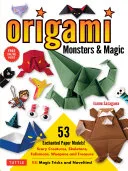
Origami Monsters & Magic, published in 2024, teaches paper folding as a method of magical defense.
Isamu Sasagawa's Origami Monsters & Magic fuses papercraft with occult practices. The book details how to fold various paper models, each representing a monstrous or magical entity. Sasagawa frames the act of folding not just as a craft, but as a defensive measure against supernatural forces. Readers learn to create a "world of enchanted paper models" that serve both creative expression and magical warding. The work is intended for those interested in the junction of creative arts and esoteric practices, including origami enthusiasts looking for a thematic challenge and practitioners of ritual magic seeking tangible focal points. It also appeals to individuals fascinated by folklore and mythology who want to give these concepts physical form. While requiring basic origami skill, the book opens a path to deeper symbolic engagement with paper.
Published in 2024, Origami Monsters & Magic enters a period of renewed interest in folk magic and craft-based spirituality. Though not directly tied to historical occult orders, it aligns with a broader cultural trend that views traditional crafts as potential channels for spiritual or psychological work. The book's approach echoes historical practices of creating talismans and symbolic objects found across many cultures. It suggests that by folding specific forms, one can imbue paper objects with protective or symbolic power, transforming craft into a ritual act.
💡 Why Read This Book?
• You will learn to create specific origami figures like dragons and zombies, as detailed in the book's instructions, transforming paper into tangible representations of esoteric forces. • You will engage with the concept of active creation as a form of magical defense, as presented by Isamu Sasagawa, which offers a unique approach to warding not found in standard magical texts. • You will experience the practice of manifesting symbolic entities, such as 'magical weapons', through the physical act of folding, providing a direct, hands-on engagement with occult themes.
⭐ Reader Reviews
Honest opinions from readers who have explored this book.
❓ Frequently Asked Questions
What specific types of monsters and magical items can I fold in Origami Monsters & Magic?
The book details instructions for folding a variety of figures including spine-chilling monsters, magical weapons, ferocious dragons, and zombies, each designed to serve a purpose in confronting dark forces.
Is this book suitable for absolute beginners in origami?
While the book offers instructions, some models may require a foundational understanding of origami. It is best suited for those with some experience or those willing to learn intermediate folds.
What is the esoteric purpose behind folding these origami models?
The core esoteric concept is that by folding these specific forms, you are actively engaging in a form of ritual magic to ward off or confront supernatural creatures and negative energies.
When was Origami Monsters & Magic first published?
Origami Monsters & Magic by Isamu Sasagawa was first published on September 10, 2024.
Does the book provide historical context for the monsters and magic it features?
The book integrates folklore and mythological elements into its designs, drawing on common archetypes of monsters and magical items found across various cultural traditions.
Can I use the folded models in actual magical rituals?
The book frames the folding process as a ritual act itself, suggesting the created models can serve as focal points or talismans within personal magical practices.
🔮 Key Themes & Symbolism
Active Creation as Defense
The central tenet of Origami Monsters & Magic is the idea that the act of creation, specifically through origami, can serve as a powerful defensive mechanism against esoteric threats. Instead of passively avoiding dark forces, the book posits that actively folding specific figures—monsters, weapons, dragons—imbues these paper constructs with a form of protective energy. This transforms a craft activity into a ritualistic practice, where the tangible result of one's labor becomes a tangible bulwark against the immaterial dangers of the occult.
Materialization of the Immaterial
This theme explores the concept of bringing abstract or symbolic entities into physical reality through papercraft. The book encourages readers to manifest concepts like 'ferocious dragons' or 'zombies' not as abstract fears, but as concrete, folded forms. This process of materialization is presented as a way to confront, understand, and potentially control these forces. By giving shape to the 'dark forces of magic,' the reader gains a tangible point of interaction, shifting the dynamic from one of unseen threat to managed manifestation.
The Prize of Confrontation
The blurb for Origami Monsters & Magic hints at a 'fabulous prize' for those who dare to face the perils. This suggests a paradigm where overcoming challenges, represented by the folded monsters and the act of folding itself, leads to a reward. This reward is not explicitly defined but can be interpreted esoterically as gaining spiritual fortitude, mastering one's fears, achieving a higher state of consciousness, or simply the satisfaction of completing a challenging and meaningful craft.
Destiny and Unexpected Activities
The book frames the reader's engagement as an encounter with destiny, suggesting that opening its pages initiates a predetermined path. The 'unexpected activities' mentioned promise a dynamic and engaging experience that goes beyond static instruction. This implies that the process of folding and engaging with the book's content is intended to be transformative, pushing the reader towards a personal confrontation with their own 'destiny' through the magical and monstrous figures they create.
💬 Memorable Quotes
Direct passages from the work, attributed to the author.
“Your destiny awaits you!”
— This phrase suggests that engaging with the book's content is not merely an activity but a fated encounter, implying a personal journey and potential for self-discovery tied to the occult themes presented.
“On every page of Origami Monsters & Magic you'll encounter unexpected activities and instructions to make an entire world of enchanted paper models.”
— This highlights the book's interactive nature, promising a dynamic experience where each section offers more than just static diagrams, encouraging active participation in building a symbolic, magical paper world.
“And by folding these, you will help keep the dark forces of magic at bay as you battle an army of supernatural creatures and zombies!”
— This is a direct statement of the book's core esoteric premise: that the physical act of origami serves as a ritualistic defense against negative occult energies and entities.
“Do you dare to face the perils and claim the prize?”
— This rhetorical question serves as a challenge, inviting the reader to embrace the potentially daunting aspects of the book's content and to seek the rewards that come from confronting these 'perils'.
💡 Key Ideas
Editorial paraphrase of the work's core concepts — not direct quotes.
Spine-chilling monsters, magical weapons, ferocious dragons and a fabulous prize—this book has it all!
This quote captures the book's promise of diverse content, blending elements of fear (monsters, zombies) with power (magical weapons, dragons) and suggesting a rewarding outcome for the reader's engagement.
🌙 Esoteric Significance
Tradition
This work does not align strictly with a single established esoteric tradition like Hermeticism or Kabbalah. Instead, it draws on a more generalized, folk-magic sensibility that emphasizes the power of creation and intention. It can be seen as an extension of sympathetic magic, where a representation (the origami figure) influences the reality it represents (supernatural forces). It departs from rigid doctrinal frameworks by prioritizing personal experience and creative action within a flexible, self-defined magical practice.
Symbolism
The origami monsters and magical weapons serve as potent symbols. Monsters, including zombies and dragons, typically represent chaos, primal fears, or external threats that must be confronted. Magical weapons symbolize the power and agency the practitioner seeks to wield against these forces. The act of folding itself symbolizes the shaping of intention and the bringing of order from chaos, transforming a flat sheet of paper into a potent, symbolic construct.
Modern Relevance
Contemporary thinkers and practitioners in fields like ritualcraft, modern witchcraft, and even art therapy might find resonance in Sasagawa's approach. The emphasis on tangible creation as a form of psychological and spiritual work aligns with modern explorations of embodied cognition and the therapeutic benefits of focused, creative activity. It offers a unique, accessible method for engaging with archetypal imagery that is relevant to current interests in personal empowerment and the integration of magic into daily life.
👥 Who Should Read This Book
• Hobbyist origami creators seeking to imbue their craft with deeper symbolic meaning and esoteric purpose. • Aspiring practitioners of folk magic or ritualcraft interested in developing tangible focal points for their magical work. • Individuals fascinated by mythology and folklore looking for an interactive way to engage with monstrous and magical archetypes.
📜 Historical Context
Origami Monsters & Magic, published in 2024, arrives in a cultural landscape marked by a renewed interest in craft-based spirituality and tangible magical practices. While not directly a product of the early 20th-century occult revival, which saw figures like Aleister Crowley and the Hermetic Order of the Golden Dawn exploring complex ritual systems, Sasagawa’s work taps into a similar desire for embodied engagement with the esoteric. It carries the talismanic art traditions found across cultures, where crafted objects are imbued with specific intentions or powers. Unlike the purely theoretical or ritualistic approaches prevalent in some esoteric circles, this book grounds its practice in a universally accessible craft. Its emergence can be seen as part of a broader contemporary trend that seeks to integrate spiritual or psychological work with everyday activities, moving away from purely intellectual pursuits towards hands-on manifestation.
📔 Journal Prompts
The creation of 'magical weapons' through folding.
Your personal interpretation of the 'fabulous prize' offered.
Confronting 'supernatural creatures' via paper models.
The symbolic meaning of folding a 'ferocious dragon'.
How the act of folding empowers you against 'dark forces'.
🗂️ Glossary
Dark Forces
A general term referring to negative, destructive, or malevolent energies, entities, or influences within an occult or magical context.
Enchanted Paper Models
Origami figures created with the intention of imbuing them with magical properties or symbolic power, serving as tools for defense or manifestation.
Supernatural Creatures
Entities or beings believed to exist beyond the normal scope of natural law, often associated with folklore, mythology, or occult lore.
Magical Weapons
Objects folded or created with the specific intent to be used as tools of power, defense, or offense within a magical or ritualistic framework.
Zombies
In this context, refers to paper models of reanimated corpses, often symbolizing primal fears, uncontrolled forces, or the undead.
Ferocious Dragons
Paper models representing powerful, often fearsome mythical reptilian creatures, symbolizing chaos, primal power, or ancient forces.
Destiny
The predetermined course of events, suggesting that engaging with the book's content is part of a fated path for the reader.