Nice Girl's Book of Naughty Spells

 80
80

Nice Girl's Book of Naughty Spells
Deborah Gray's *Nice Girl's Book of Naughty Spells* sidesteps the ethereal and offers direct, if sometimes brash, magical instruction. Unlike many contemporary grimoires that dwell on complex mythology, Gray plunges into the 'how-to' with a pragmatic, almost utilitarian, approach. The chapter detailing a "Money Drawing Jar" is particularly concrete, listing readily available ingredients and a straightforward ritual. However, the book's strength in accessibility occasionally becomes a weakness; the explanations for *why* certain ingredients or actions are potent can feel underdeveloped, relying on implicit faith rather than detailed symbolic or energetic theory. This might leave practitioners seeking deeper understanding wanting more. Despite this, for its clear, actionable guidance on common desires, the work provides a useful entry point for novice spellcasters.
📝 Description
80
Deborah Gray's *Nice Girl's Book of Naughty Spells*, published in 1999, puts practical magic into readers' hands.
This 1999 book by Deborah Gray presents a practical collection of magical workings, moving beyond theory to offer actionable spells, rituals, and charms for everyday use. Gray demystifies magic, showing it as an accessible tool for personal empowerment rather than an arcane art. The compendium suits individuals seeking to integrate magical practices into their lives without needing extensive prior knowledge or specialized tools.
It appeals to those who appreciate a direct approach to spellcraft, particularly those interested in personal empowerment, manifestation, and subtle energetic manipulation. Readers who enjoy a blend of folk magic and modern witchcraft principles will find value here. Gray's work emerged during the late 1990s, a period of growing interest in practical witchcraft and neo-paganism that saw a move away from more academic or ritual-focused movements.
Published in 1999, *Nice Girl's Book of Naughty Spells* arrived during a resurgence of interest in practical, accessible magic. It contributed to a trend that democratized magical knowledge, paralleling the work of authors like Scott Cunningham who championed simpler, nature-based practices. This approach moved away from earlier, more academic or strictly ritual-focused movements, aiming to make spellcraft a tool for everyday personal empowerment.
💡 Why Read This Book?
• Gain practical spellcasting techniques for common desires, such as the "Money Drawing Jar" ritual, offering a tangible method for manifestation not found in purely theoretical texts. • Understand the accessible principles of sympathetic magic and focused intention, as presented in Gray's direct style, empowering you to craft your own workings beyond prescribed recipes. • Learn to utilize everyday items and natural elements for magical effect, a core tenet of the book's approach, fostering a grounded magical practice distinct from more complex ceremonial systems.
⭐ Reader Reviews
Honest opinions from readers who have explored this book.
❓ Frequently Asked Questions
What kind of spells are in Nice Girl's Book of Naughty Spells?
The book features practical spells for everyday needs, including those related to money, protection, love, and personal empowerment. It focuses on actionable charms and rituals using accessible ingredients and straightforward instructions.
Is this book suitable for beginners in witchcraft?
Yes, *Nice Girl's Book of Naughty Spells* is highly recommended for beginners due to its clear language and simple, step-by-step spell instructions. It assumes little prior knowledge and focuses on practical application.
When was Nice Girl's Book of Naughty Spells first published?
The book was first published in 1999, placing it within a period of increased interest in accessible, modern witchcraft guides.
Does the book explain the theory behind the spells?
While the book emphasizes practical application, it touches upon core concepts like intention and sympathetic magic. However, it is less focused on deep theoretical dives and more on the execution of spells.
What are some key themes explored in the book?
Key themes include personal empowerment through magic, the use of common materials for spellcraft, and the manifestation of desires through focused intention and ritual.
Who is the author, Deborah Gray?
Deborah Gray is an author known for her practical guides to witchcraft and spellcasting, aiming to make magical practices accessible to a wider audience.
🔮 Key Themes & Symbolism
Accessible Spellcraft
The book champions the idea that magic is not an exclusive art. It provides straightforward spell instructions using common household items and natural elements, explaining the process for newcomers. This theme centers on empowerment through practical application, allowing readers to immediately engage with magical practices without needing specialized or expensive tools. The focus is on 'doing' rather than extensive theoretical study.
Personal Empowerment & Manifestation
A core tenet is the belief in the individual's power to effect change through focused intention and ritual. The spells are designed to help readers achieve personal goals, whether for abundance, protection, or self-improvement. This theme encourages readers to take an active role in shaping their reality, positioning magic as a tool for self-actualization and the manifestation of desires.
Sympathetic Magic Principles
The work frequently employs principles of sympathetic magic, where like influences like. This is evident in the selection of ingredients and actions within the spells, which are designed to mirror or attract the desired outcome. The book explains these connections in a simplified manner, making the underlying logic of many traditional magical practices understandable and actionable for the modern practitioner.
Everyday Magic Integration
Gray's approach focuses on integrating magical practices into daily life rather than isolating them to specific ceremonial times. The spells and charms are often presented as quick, adaptable workings that can be performed with minimal disruption. This theme promotes the idea that magic is an ongoing part of existence, accessible for managing mundane concerns and enhancing everyday experiences.
💬 Memorable Quotes
Direct passages from the work, attributed to the author.
“A Money Drawing Jar needs herbs like cinnamon and basil.”
— This simple statement highlights the book's practical approach, identifying common, accessible ingredients for a specific magical purpose – financial attraction. It exemplifies the 'use what you have' philosophy often found in folk magic traditions.
“Your will is the most powerful ingredient.”
— This emphasizes the crucial role of personal intention and focus in spellcasting, suggesting that the practitioner's mental energy and belief are fundamental to the success of any magical working.
“Protection spells can be as simple as a verbal charm.”
— This points to the accessibility of magical practices, showing that powerful protection can be achieved through basic verbalizations rather than complex rituals, making magic available to everyone.
“Use objects that resonate with your desired outcome.”
— This captures the principle of sympathetic magic and personal connection, advising readers to select tools and ingredients that hold personal meaning or symbolic association with their goals.
“No need for elaborate altars; a quiet corner will do.”
— This reinforces the book's theme of practical, everyday magic, suggesting that elaborate setups are unnecessary for effective spellwork, prioritizing personal focus and intention over ritualistic grandeur.
🌙 Esoteric Significance
Tradition
While not strictly adhering to a single esoteric lineage, Gray's work draws heavily from the broad stream of Western folk magic and modern witchcraft. It synthesizes elements often found in popular Wiccan practices and general spellcraft, focusing on practical application rather than adherence to specific dogmas or complex philosophical frameworks. Its lineage is more practical practitioner than theoretical mystic, aiming for efficacy in daily life.
Symbolism
The book utilizes common, relatable symbols such as herbs (e.g., cinnamon for abundance, basil for prosperity), colors (often associated with specific desires like green for money), and everyday objects imbued with intention. These symbols function through association and sympathetic resonance, acting as focal points for the practitioner's will to manifest desired outcomes, bridging the mundane and the magical.
Modern Relevance
Gray's pragmatic approach continues to resonate with contemporary practitioners seeking accessible magical tools. Its emphasis on personal agency and the use of readily available materials aligns with modern trends in self-care, manifestation coaching, and minimalist witchcraft. Thinkers and practitioners focused on applied magic, digital grimoires, and the democratization of esoteric knowledge find elements of this accessible methodology in their work.
👥 Who Should Read This Book
• Beginners interested in practical spellcasting: Those new to witchcraft or magic seeking straightforward, actionable spells without complex theory or ritualistic requirements. • Individuals focused on personal empowerment: Readers looking for tools to manifest personal goals, enhance self-confidence, and take an active role in shaping their lives. • Enthusiasts of folk magic traditions: People drawn to the use of common herbs, symbols, and everyday objects in magical practice, appreciating a grounded, accessible approach.
📜 Historical Context
Published in 1999, *Nice Girl's Book of Naughty Spells* arrived during a vibrant period for popular occult literature. The late 20th century witnessed a significant shift towards more accessible, personal forms of witchcraft, moving away from the more esoteric or academic traditions that dominated earlier in the century. Deborah Gray's work aligned with this trend, offering practical, secular-leaning magic that appealed to a broad audience interested in self-help and personal power. This contrasted with the more structured, initiatory paths found in some established Wiccan traditions or the complex ceremonial magic systems explored by groups like the Golden Dawn. The book contributed to a growing market of 'how-to' magic guides that emphasized usability and tangible results, making witchcraft seem less intimidating and more integrated into modern life.
📔 Journal Prompts
The 'Money Drawing Jar' ingredients and your intentions.
Personal definitions of 'naughty' magic in your practice.
Symbols of protection you commonly use or could use.
The role of personal will in manifestation.
Adapting a spell from the book for a unique need.
🗂️ Glossary
Spell
A ritual or incantation intended to produce a magical effect or outcome. In this book, spells are presented as practical, actionable workings.
Charm
An object or spoken phrase believed to possess magical properties, often used for protection or to bring good luck. Charms in this context are typically simple and personal.
Intention
The focused mental energy and clear purpose behind a magical working. It is considered the driving force that directs magical energy towards a specific goal.
Sympathetic Magic
A magical principle based on the belief that 'like affects like.' This involves using objects or actions that resemble or are connected to the desired outcome to influence it.
Manifestation
The process of bringing something into physical reality through magical means, often involving focused thought, emotion, and ritual.
Herbs
Plants used in magical practice for their perceived energetic properties, often incorporated into spells, charms, or rituals to influence outcomes.
Ritual
A set of actions or words performed in a specific order, often with symbolic meaning, to achieve a magical or spiritual effect.
🔮 Readers Also Liked
Browse all →








More by Deborah Gray
All books →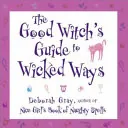
More Free Occult Philosophy Books
View all →