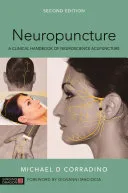
Neuropuncture
 76
76

Neuropuncture
Michael Corradino’s Neuropuncture offers a compelling, if sometimes dense, clinical manual that attempts to bridge the explanatory gap between Traditional Chinese Medicine (TCM) and modern neuroscience. The strength of this work lies in its systematic approach to detailing how acupuncture, particularly electroacupuncture, interacts with the nervous system to influence pain and physiological function. Corradino effectively translates complex neurobiological concepts into actionable clinical strategies, a feat that will appeal to practitioners seeking a scientific rationale for their work. A notable passage details the modulation of the autonomic nervous system via specific auricular points, illustrating the book’s practical application. However, the text occasionally leans heavily on technical jargon, which may present a barrier for those less versed in neuroanatomy or advanced physiology. While the integration is sophisticated, the book could benefit from more extensive case studies that fully showcase the clinical outcomes of this neuropuncture model. It represents a significant step in the ongoing effort to scientifically validate and refine acupuncture practices.
📝 Description
76
Michael Corradino's 2017 book, Neuropuncture, proposes a clinical framework integrating neuroscience with acupuncture.
Neuropuncture details a system designed to enhance acupuncture's therapeutic effectiveness by examining its neurophysiological basis. The book moves beyond traditional Chinese medicine concepts to provide a biologically informed approach, particularly for pain management and orthopedic issues. It discusses how electrical stimulation, a core element of modern acupuncture, interacts with neural pathways. This work is intended for acupuncturists and healthcare practitioners who want to understand acupuncture's mechanisms from a Western scientific viewpoint. It is also useful for students of both TCM and neuroscience interested in applying these disciplines in clinical settings. Individuals seeking evidence-based complementary therapies for pain relief, rehabilitation, and internal medicine will find the material relevant.
The development of Neuropuncture arises from a wider interest in the scientific validation of traditional healing methods, a trend that grew in the late 20th and early 21st centuries. While acupuncture has ancient roots in TCM, its connection with Western neuroscience is a more recent academic pursuit. Corradino's work draws on research into acupuncture's neurobiology, including studies on endorphin release and pain signal modulation. This perspective contrasts with purely energetic TCM models, aiming to connect ancient practice with current biological understanding.
Neuropuncture sits within a contemporary esoteric tradition that seeks to bridge ancient healing modalities with modern scientific understanding. While traditional Chinese medicine (TCM) has long operated on energetic principles, this work grounds acupuncture in Western neurobiology. It is part of a broader movement to validate and integrate alternative therapies by demonstrating their congruence with established scientific frameworks, moving beyond purely vitalistic explanations to explore tangible physiological effects. This approach aims to legitimize practices often seen as esoteric by showing their mechanistic basis.
💡 Why Read This Book?
• Gain a neuroscientific rationale for acupuncture point selection and stimulation techniques, moving beyond traditional energetic explanations. This offers a deeper understanding of how practices, first documented in antiquity, impact modern physiology. • Learn specific applications of electroacupuncture for pain management and orthopedic conditions, as detailed in Corradino’s clinical framework. This provides actionable knowledge directly transferable to patient care. • Understand how the neurophysiological mechanisms of acupuncture, as explored in sections on neural pathways and neurotransmitter release, can be applied to internal medicine. This expands the potential therapeutic scope of acupuncture based on 2017 research.
⭐ Reader Reviews
Honest opinions from readers who have explored this book.
❓ Frequently Asked Questions
What is the core concept of Neuropuncture by Michael Corradino?
Neuropuncture is a clinical system developed by Michael Corradino that integrates neuroscience with acupuncture. It focuses on understanding and utilizing the neurophysiological mechanisms of acupuncture, especially electroacupuncture, to enhance treatment outcomes for pain, orthopedic conditions, and internal medicine.
When was Neuropuncture first published?
Neuropuncture by Michael Corradino was first published on June 21, 2017. This publication date places it within a period of increasing scientific interest in the mechanisms of traditional medicine.
What conditions does Neuropuncture primarily address?
The book primarily addresses pain management and orthopedic conditions. It also explores applications in internal medicine, detailing how neurophysiological mechanisms can be leveraged for a broader range of therapeutic goals.
Is Neuropuncture based on Traditional Chinese Medicine (TCM)?
While Neuropuncture builds upon the foundation of acupuncture, it significantly incorporates neuroscience and neurophysiology. It aims to explain and enhance TCM practices through a modern biological lens, rather than adhering strictly to traditional energetic models.
Who is the intended audience for Neuropuncture?
The intended audience includes acupuncturists, healthcare practitioners, and students of TCM and neuroscience. It is for those seeking a scientifically informed approach to acupuncture and its clinical applications.
What is the role of electroacupuncture in Neuropuncture?
Electroacupuncture is a key component discussed in Neuropuncture. The book examines how electrical stimulation applied via acupuncture needles interacts with neurophysiological pathways, offering a method to modulate neural responses for therapeutic purposes.
🔮 Key Themes & Symbolism
Neuroscience Integration
This theme explores the central premise of Neuropuncture: bridging the gap between the ancient practice of acupuncture and contemporary neuroscience. Corradino details how understanding neural pathways, neurotransmitter functions, and brain activity can refine acupuncture techniques. The work moves beyond purely energetic explanations, offering a biological framework for how specific points and stimulation methods, including electroacupuncture, elicit therapeutic effects. This integration aims to provide a scientific validation and enhance the clinical application of acupuncture in areas like pain relief and rehabilitation.
Clinical Applications
The practical utility of Neuropuncture is a significant theme, focusing on its application in clinical settings. Corradino outlines specific protocols and strategies for using acupuncture informed by neurophysiological principles to treat a range of conditions. This includes detailed discussions on managing chronic pain, addressing orthopedic injuries, and exploring potential benefits for internal medicine. The emphasis is on translating neuroscientific knowledge into tangible therapeutic interventions that practitioners can implement directly with patients.
Electroacupuncture Mechanisms
A core element of Neuropuncture involves the detailed examination of electroacupuncture. The book investigates how electrical stimulation, when applied through acupuncture needles, interacts with the nervous system. This theme studies the neurophysiological responses triggered by electrical currents, such as modulating nerve conduction, influencing local and central pain pathways, and affecting the autonomic nervous system. Understanding these mechanisms is presented as crucial for optimizing treatment efficacy and tailoring interventions.
Bridging Traditional and Modern Medicine
Neuropuncture embodies the theme of reconciling traditional medical systems with modern scientific paradigms. While rooted in acupuncture, a practice with ancient origins, Corradino’s work seeks to provide a modern, biological explanation for its efficacy. This approach is vital for gaining wider acceptance and integration within conventional healthcare systems, offering a pathway for traditional therapies to be understood and utilized through the lens of contemporary science, particularly evident since its 2017 publication.
💬 Memorable Quotes
Direct passages from the work, attributed to the author.
“The neurophysiological mechanisms of acupuncture offer a verifiable basis for its clinical applications.”
— This statement highlights the core argument of Neuropuncture, suggesting that scientific understanding of how acupuncture affects the nervous system provides concrete evidence and a rational basis for its use in treating various conditions.
“Electrical acupuncture allows for precise modulation of neural pathways.”
— This interpretation emphasizes the technical advantage of electroacupuncture discussed in the book. It suggests that the controlled application of electrical currents through acupuncture points offers a refined method for influencing specific neural circuits for therapeutic gain.
“Integrating neuroscience enhances the TCM model for pain management.”
— This concept points to how modern neuroscientific findings can augment and provide a scientific explanation for traditional Chinese medicine's approaches to pain relief, making the practice more accessible and understandable to a wider audience.
“Specific points correlate with distinct neurophysiological responses.”
— This interpretation underscores the idea that acupuncture points are not arbitrary but are linked to specific biological and neurological reactions within the body, as explored through scientific investigation in the text.
“Neuropuncture applies neurophysiology to orthopedic and internal medicine.”
— This signifies the broad scope of the Neuropuncture system, indicating that its principles are not limited to pain relief but extend to treating musculoskeletal issues and various internal disorders by understanding their neurological connections.
🌙 Esoteric Significance
Tradition
Neuropuncture does not align with a specific historical esoteric lineage like Hermeticism or Kabbalah. Instead, it represents a modern esoteric approach focused on the intersection of biological science and energetic medicine. Its esoteric nature lies in its attempt to map the subtle energetic concepts of acupuncture onto the observable, measurable structures and functions of the nervous system, seeking a form of 'scientific gnosis' of bodily processes.
Symbolism
While not overtly symbolic in the traditional esoteric sense, Neuropuncture can be seen as reinterpreting existing acupuncture points as 'nodes' within a complex neurophysiological network. The 'meridians' of TCM are implicitly re-envisioned as pathways of neural and biochemical communication. The electrical current in electroacupuncture itself can symbolize the directed flow of vital energy, now understood through the lens of bioelectricity and nerve impulse transmission.
Modern Relevance
Contemporary practitioners of integrative medicine, pain management specialists, and researchers investigating the mind-body connection draw heavily on the principles outlined in Neuropuncture. Its approach appeals to fields like psychoneuroimmunology and neuroplasticity, which explore the intricate links between the nervous system, mental states, and physical health. Thinkers in biohacking and neurofeedback also find common ground with its emphasis on direct modulation of neural activity.
👥 Who Should Read This Book
['• Acupuncturists and TCM practitioners seeking to integrate modern neuroscience into their practice, offering a deeper scientific rationale for their work.', '• Healthcare professionals interested in evidence-based complementary therapies for pain management and rehabilitation, looking for clinical applications of neurophysiology.', '• Students of neuroscience and integrative medicine curious about the biological underpinnings of traditional healing modalities and their potential modern applications.']
📜 Historical Context
Published in 2017, Michael Corradino's Neuropuncture emerged during a period of intensified scientific scrutiny and integration of complementary and alternative medicine (CAM). The preceding decades saw significant research into the neurobiology of acupuncture, including foundational work by researchers like David Eisenberg, whose 1998 JAMA study helped bring acupuncture into mainstream medical discourse. Corradino’s work builds upon this by offering a specific clinical framework, moving beyond general validation towards detailed neurophysiological application. It engages with the ongoing dialogue between Traditional Chinese Medicine (TCM) and Western biomedical science, a conversation that has seen figures like Ted Kaptchuk explore the cultural and scientific divides. While TCM traditionally relies on concepts of Qi and meridians, Neuropuncture offers a competing, or rather, complementary, explanation rooted in neuroanatomy and neurophysiology, aiming to bridge the explanatory gap for practitioners and patients accustomed to Western scientific models. The book's focus on electroacupuncture reflects advancements in technology that allow for more precise experimental investigation and clinical control.
📔 Journal Prompts
The neurophysiological mapping of acupuncture points: Which specific neural pathways does the text suggest are most influenced by auricular stimulation?
Corradino's application of electroacupuncture: How might the described modulation of neurotransmitter release inform your approach to treating chronic pain?
The synthesis of TCM and neuroscience: Reflect on a time you experienced a disconnect between traditional explanations and scientific understanding in healing.
Orthopedic conditions through a neuropuncture lens: Identify a specific orthopedic condition and brainstorm how targeting its neurophysiological aspects could be beneficial.
Internal medicine applications: Consider the potential of Neuropuncture to influence the autonomic nervous system and its implications for stress-related conditions.
🗂️ Glossary
Neuropuncture
A clinical system that integrates neuroscience with acupuncture, focusing on the neurophysiological mechanisms of needle insertion and electrical stimulation for therapeutic purposes.
Neurophysiology
The study of the physiology of the nervous system, including how nerves and brain cells function, transmit signals, and interact to produce behavior and physiological responses.
Electroacupuncture
A technique that involves applying a small electric current to acupuncture needles inserted into specific points on the body, used to enhance therapeutic effects.
Autonomic Nervous System (ANS)
The part of the nervous system that controls involuntary bodily functions such as breathing, heart rate, digestion, and blood pressure. It includes the sympathetic and parasympathetic nervous systems.
Neurotransmitter
Chemical messengers that transmit signals across a synapse from one neuron (nerve cell) to another 'target' neuron, muscle cell, or gland cell.
TCM
Traditional Chinese Medicine, a holistic system of healthcare originating in China, encompassing various practices like acupuncture, herbal medicine, and Tui Na massage.
Orthopedic Conditions
Disorders and injuries affecting the musculoskeletal system, including bones, joints, ligaments, tendons, and muscles.