Necronomicon Files
 73
73

Necronomicon Files
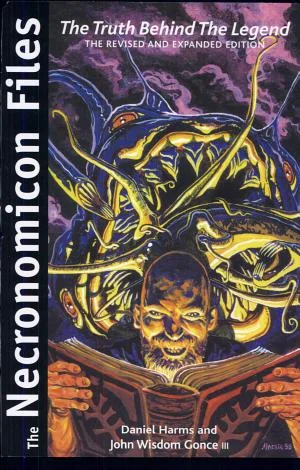
The "Necronomicon Files" presents a fascinating, if somewhat academic, dissection of how H.P. Lovecraft’s invented grimoire, the Necronomicon, has been adopted and adapted by the occult community. The work's strength lies in its meticulous tracing of the Necronomicon's pseudohistorical trajectory, demonstrating its evolution from a literary device to a perceived artifact. The authors, Daniel Harms and John Wisdom Gonce, do an admirable job cataloging the various real-world occultists who referenced or even attempted to create versions of the book, such as the influential August Derleth. However, the text occasionally feels more like a bibliography than a narrative, which might deter readers seeking a more engaging exploration of the mythos's psychological impact. A particularly compelling section details how the 1973 edition published by Necronomicon Press, featuring artwork by Hannes Bok, solidified the book's visual identity in the minds of many. Ultimately, "The Necronomicon Files" serves as a valuable, if dry, record of a unique cultural phenomenon.
📝 Description
73
Daniel Harms and John Wisdom Gonce analyze the Necronomicon's strange afterlife in occult culture.
Published in 2003, "The Necronomicon Files" examines the peculiar phenomenon of H.P. Lovecraft's invented grimoire. The text, first appearing in Lovecraft's 1924 story "The Hound," has been treated by occultists and authors as if it were a real historical artifact. The authors trace the mythos surrounding this fictional book, detailing how its supposed origins and influence were constructed. They investigate the ways a literary creation can gain pseudohistorical status within esoteric communities and inspire genuine magical practice. This work is for those interested in the crossover between literature and occultism, particularly within the Cthulhu Mythos. It also appeals to readers curious about the power of narrative and the blurring lines between fiction and esoteric tradition. Scholars of modern occultism, literary critics, and fans of forbidden literature will find ample material to consider.
This book sits within a long tradition of pseudepigraphal texts, where fabricated sources are attributed with ancient, mystical knowledge. Examples include the Kabbalistic "Zohar" and various alchemical writings. "The Necronomicon Files" specifically addresses the 20th-century resurgence of occult interest and how Lovecraft's imaginative work became a focal point for such practices, demonstrating how a purely literary invention can acquire perceived reality and influence within esoteric circles.
💡 Why Read This Book?
• Understand the unique phenomenon of a fictional grimoire gaining pseudohistorical status, as exemplified by Lovecraft's Necronomicon, and the cultural forces that allow this. • Explore the specific lineage of occultists, such as August Derleth, who engaged with Lovecraft's invented text, revealing how literary creations can influence real-world esoteric practices. • Gain insight into the critical reception and publication history of the Necronomicon, including specific editions like the 1973 version with Hannes Bok's artwork, which shaped its perception.
⭐ Reader Reviews
Honest opinions from readers who have explored this book.
❓ Frequently Asked Questions
Is the Necronomicon from the "Necronomicon Files" a real occult book?
No, the Necronomicon discussed in "The Necronomicon Files" is a fictional book created by the author H.P. Lovecraft. The book examines how this literary creation has been treated as a real occult text by some.
Who are the authors of "The Necronomicon Files"?
The "Necronomicon Files" is attributed to Daniel Harms and John Wisdom Gonce. It was first published around 2003, building upon the legacy of Lovecraft's work.
What is the Cthulhu Mythos?
The Cthulhu Mythos is a shared fictional universe created by H.P. Lovecraft and expanded by other authors. It features cosmic horror, ancient deities, and forbidden knowledge, with the Necronomicon being a central element.
What does "pseudohistorical" mean in relation to the Necronomicon?
Pseudohistorical means that something is presented as historical fact but lacks genuine historical evidence. The Necronomicon is pseudohistorical because it's treated as a real ancient text despite originating in fiction.
What kind of content can I expect in "The Necronomicon Files"?
You can expect an analytical approach to the Necronomicon's fictional origins, its appearances in literature, and its reception within occult circles, rather than practical magical instruction.
When was the "Necronomicon Files" first published?
The "Necronomicon Files" was first published on July 1, 2003.
🔮 Key Themes & Symbolism
The Fictional Grimoire
This theme centers on the unique concept of a grimoire that originates entirely from fiction. The "Necronomicon Files" meticulously documents how H.P. Lovecraft's invented tome, first appearing in "The Hound" in 1924, transcended its literary origins. It details the process by which subsequent occultists and authors, such as August Derleth, treated this fictional artifact as a genuine source of forbidden knowledge, leading to its integration into modern occult lore and influencing the creation of actual, albeit derivative, texts.
Lovecraftian Influence
The work examines the profound and often unexpected influence of H.P. Lovecraft's cosmic horror on esoteric traditions. It highlights how the specific elements of his mythos, particularly the Necronomicon, provided a potent framework for exploring themes of forbidden knowledge and ancient, alien intelligences. The book traces how Lovecraft's literary creations became a fertile ground for modern occultists seeking new symbolic systems and narrative structures beyond established Western esotericism.
Pseudohistory and Belief
A core theme is the construction of pseudohistory and the psychology of belief. The "Necronomicon Files" illustrates how a compelling narrative, even if fictional, can be accepted as historical fact within specific communities. It examines the mechanisms of cultural transmission, the role of influential figures in validating such beliefs, and the blurring lines between literary invention and perceived occult reality, showing how the Necronomicon's imagined history gained traction.
Publication and Reception
This theme focuses on the tangible impact of the Necronomicon's publication history and its reception across different media. The book details various editions, including those with specific artistic contributions like Hannes Bok's work for the 1973 edition. It analyzes how these physical manifestations and critical responses shaped the public and esoteric perception of the Necronomicon, solidifying its status as a recognizable, albeit fictitious, occult artifact.
💬 Memorable Quotes
Direct passages from the work, attributed to the author.
“The Necronomicon is a fictional work by H.P. Lovecraft that has been treated as real by occultists.”
— This statement expresses the central thesis of the book: distinguishing between Lovecraft's literary creation and the subsequent belief in its authenticity within esoteric circles. It highlights the unique phenomenon the book explores.
“August Derleth played a key role in popularizing Lovecraft's mythos and the Necronomicon.”
— This points to the significant influence of specific individuals in shaping the perception and perceived reality of fictional occult texts. Derleth's actions helped cement the Necronomicon's place in occult lore.
“The book examines how fictional texts can acquire pseudohistorical status.”
— This highlights the analytical approach taken by the authors, focusing on the sociological and psychological aspects of how a fabricated item can gain acceptance as genuine historical or magical material.
“The 1973 edition featured artwork that solidified the Necronomicon's visual identity.”
— This references a concrete example of how visual representation, through artists like Hannes Bok, can profoundly impact the cultural understanding and acceptance of a fictional artifact, making it more tangible.
“The Necronomicon's imagined origins are traced through various literary and occult sources.”
— This indicates the book's methodology, which involves scholarly research and synthesis of information from diverse texts to reconstruct the evolving narrative and perceived history of the fictional grimoire.
🌙 Esoteric Significance
Tradition
The work engages with the modern esoteric tradition that developed around the Cthulhu Mythos, a distinctly 20th-century phenomenon influenced by Lovecraft's literary output. It departs from traditional lineages like Hermeticism or Gnosticism by analyzing a text born from fiction rather than ancient scripture or revelation. Its significance lies in how it documents the appropriation and reinterpretation of fictional elements into a belief system, blurring the lines between imaginative literature and esoteric practice.
Symbolism
Key symbols explored are implicitly those associated with the Necronomicon itself – the book as a forbidden repository of cosmic secrets, its alien origins, and the madness it purportedly induces. These function symbolically within the Lovecraftian mythos to represent humanity's insignificance in the face of vast, unknowable cosmic forces and the dangerous allure of forbidden knowledge. The tome itself becomes a potent symbol of ultimate, dangerous truth.
Modern Relevance
Contemporary thinkers and practitioners within the Lovecraftian subculture, as well as those interested in the sociology of belief and the impact of fiction on reality, draw upon the analysis presented in "The Necronomicon Files." It remains relevant for understanding how fictional narratives can shape esoteric communities and influence modern occult aesthetics and conceptual frameworks, particularly in online forums and dedicated literary/occult studies.
👥 Who Should Read This Book
• Students of H.P. Lovecraft's Cthulhu Mythos: Readers interested in the deeper lore and real-world impact of Lovecraft's invented texts will find a comprehensive analysis. • Scholars of Modern Esotericism: Those researching the development of contemporary occult traditions and how literary creations influence them will gain valuable insights. • Enthusiasts of Folklore and Mythology: Individuals fascinated by how myths are created, transmitted, and accepted as fact will appreciate the exploration of the Necronomicon's pseudohistorical journey.
📜 Historical Context
The "Necronomicon Files" emerges from a fertile period in the mid-to-late 20th century when occultism experienced a resurgence and the legacy of H.P. Lovecraft gained significant traction beyond literary circles. Lovecraft, writing primarily in the 1920s and 1930s, himself embedded his invented "Necronomicon" within a collection of fictional lore. However, it was later authors and occultists, notably August Derleth, who actively promoted the idea of the Necronomicon as a genuine artifact. Derleth, a key figure in consolidating the Cthulhu Mythos after Lovecraft's death in 1937, often presented Lovecraft's creations with a veneer of authenticity. This occurred during a time when interest in esoteric traditions, from Theosophy to Wicca, was growing, creating an audience receptive to new mythologies. The book's examination of this period implicitly contrasts with the more established, centuries-old traditions like Hermeticism or Kabbalah, showing how a modern literary invention could insert itself into contemporary esoteric discourse.
📔 Journal Prompts
The concept of the fictional grimoire as explored in "The Necronomicon Files".
August Derleth's role in shaping the Necronomicon's perceived reality.
The influence of H.P. Lovecraft's literary creations on modern occultism.
The process by which a text like the Necronomicon acquires pseudohistorical status.
The symbolic meaning of the Necronomicon within the broader Cthulhu Mythos.
🗂️ Glossary
Necronomicon
A fictional grimoire invented by H.P. Lovecraft. It is said to contain forbidden knowledge of cosmic entities and ancient rites, and has been treated as a real occult text by some.
Cthulhu Mythos
A shared fictional universe created by H.P. Lovecraft and expanded by others, featuring cosmic horror, ancient alien gods, and themes of forbidden knowledge.
Pseudohistorical
Presented as historical fact but lacking genuine historical evidence or foundation. The Necronomicon is considered pseudohistorical as it originated in fiction.
Grimoire
A textbook of magic, typically containing instructions on how to create magical tools, perform rituals, and cast spells. Often associated with European occult traditions.
August Derleth
An American author and publisher who played a significant role in expanding and popularizing H.P. Lovecraft's work and the Cthulhu Mythos after Lovecraft's death.
H.P. Lovecraft
Howard Phillips Lovecraft (1890-1937), an American author known for his influential works of cosmic horror and his creation of the Cthulhu Mythos.
Fictional Grimoire
A grimoire that originates as a literary invention within a fictional narrative, rather than as a historical or purportedly real magical text.
This book appears in 1 collection
🔮 Readers Also Liked
Browse all →







From the “Occultism” Collection
View all →








More Free Occult Philosophy Books
View all →