Natural Healing for Women
 82
82

Natural Healing for Women
Curtis and Fraser's 'Natural Healing for Women' presents a comprehensive, if somewhat dated, compendium of natural remedies and approaches to women's health. The strength lies in its detailed exploration of herbal remedies, offering specific applications for common ailments that resonate with a desire for self-sufficiency. For instance, the section on using Rosehip for vitamin C deficiency is both practical and grounded in accessible botanical knowledge. However, the work occasionally suffers from an oversimplification of complex hormonal conditions, a limitation perhaps inherent to its 1991 publication date. While it champions a holistic view, the integration of emotional and spiritual aspects feels less developed than the purely physical or herbal recommendations. Despite this, the book serves as a valuable historical marker for the burgeoning natural health movement aimed at women.
📝 Description
82
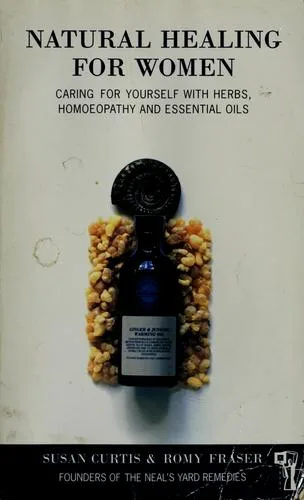
Published in 1991, 'Natural Healing for Women' by Susan Curtis and Romy Fraser presents a holistic view of female health.
'Natural Healing for Women', by Susan Curtis and Romy Fraser, was first published in 1991. The book takes a comprehensive approach to women's health, blending traditional knowledge with practical methods for self-care. It aims to address the underlying causes of imbalances rather than just their symptoms, highlighting the body's natural ability to heal.
This book is especially useful for women who want to manage their health using natural methods. It will appeal to individuals interested in herbal remedies, gentle healing practices, and the connections between physical, emotional, and spiritual well-being. The text encourages readers toward self-awareness and taking charge of their own health.
When it appeared in the early 1990s, a time when interest in alternative medicine was growing, 'Natural Healing for Women' added to the literature supporting natural health solutions. This was a period when conventional medicine began to recognize the limits of drug-based treatments for ongoing health issues, particularly those affecting women.
This book emerged during a resurgence of interest in alternative and complementary medicine in the early 1990s. It connects with traditions that view the body's healing capacity as central, often incorporating elements of herbalism and a mind-body connection. The emphasis on natural rhythms and cycles aligns with nature based spiritualities that see these as vital signs of health, rather than problems to be corrected by external intervention. It reflects a broader movement towards empowering individuals with knowledge of their own bodies and natural healing methods.
💡 Why Read This Book?
• Learn specific herbal applications for common female health concerns, such as using Raspberry Leaf for uterine support as detailed in its botanical sections. • Understand the importance of menstrual cycle tracking beyond fertility, recognizing its role as a key indicator of overall well-being, as emphasized throughout the text. • Gain practical, actionable self-care techniques for hormonal balance, drawing on principles discussed in the chapters on diet and lifestyle modifications.
⭐ Reader Reviews
Honest opinions from readers who have explored this book.
❓ Frequently Asked Questions
What specific health issues does 'Natural Healing for Women' address?
The book addresses a range of women's health concerns, including menstrual irregularities, menopausal symptoms, common infections, and general well-being, through natural and herbal remedies.
Is 'Natural Healing for Women' suitable for beginners in natural health?
Yes, the book offers accessible information and practical guidance, making it suitable for those new to natural health practices and herbalism.
What is the historical significance of 'Natural Healing for Women'?
Published in 1991, it reflects the growing interest in holistic and alternative health approaches for women during that era, contributing to the discourse on natural wellness.
Are the remedies mentioned in the book scientifically backed?
The book draws on traditional herbal knowledge and anecdotal evidence, alongside some research available up to its publication date in 1991. Modern scientific validation varies by remedy.
What role does diet play in the book's approach to healing?
Diet is presented as a foundational element for women's health, with the book offering recommendations for nourishing foods that support hormonal balance and overall vitality.
Does the book discuss emotional or mental well-being?
While primarily focused on physical health, the book acknowledges the interconnectedness of mind, body, and spirit, suggesting natural methods that can positively influence emotional states.
🔮 Key Themes & Symbolism
Herbal Therapeutics
The book extensively details the medicinal properties of various herbs, offering practical applications for common women's health complaints. It moves beyond general advice to provide specific preparations and dosages, drawing from traditional herbalism. For example, it might outline the use of specific plants like Chamomile for menstrual cramps or Echinacea for immune support, grounding the reader in the tangible power of botanical allies. This theme emphasizes accessible, plant-based solutions for maintaining equilibrium and addressing ailments naturally.
Menstrual Cycle Awareness
A central theme is understanding and honoring the natural rhythms of the female body, particularly the menstrual cycle. The authors present the cycle not as an inconvenience, but as a vital indicator of health and a source of feminine wisdom. The text likely explores how to track cycles to identify imbalances and how to work with hormonal fluctuations rather than against them. This perspective encourages a deeper connection with one's physiology and promotes proactive self-care aligned with natural feminine energies.
Holistic Wellness Principles
Curtis and Fraser advocate for a comprehensive approach to health that integrates physical, emotional, and environmental factors. The book suggests that true healing involves addressing the whole person, not just isolated symptoms. This includes recommendations for diet, lifestyle, stress management, and the creation of supportive living environments. The underlying message is that women's well-being is a complex interplay of various elements, requiring a balanced and integrated strategy for optimal vitality.
Empowerment Through Self-Care
A significant thematic current is the empowerment of women to take an active role in managing their own health. By providing knowledge about natural remedies and holistic practices, the book equips readers with the tools to make informed decisions about their bodies. This theme fosters a sense of agency and independence from solely relying on external medical interventions, encouraging women to become their own primary health advocates.
💬 Memorable Quotes
Direct passages from the work, attributed to the author.
“The body possesses an innate ability to heal itself when given the right conditions.”
— This statement underscores the book's foundational belief in the body's inherent vitality. It suggests that illness is often a sign of imbalance and that natural therapies work by restoring optimal conditions for self-repair, rather than imposing external cures.
“Listen to the whispers of your body; they are often clearer than the shouts of disease.”
— This highlights the importance of attuning to subtle bodily signals and early symptoms. It encourages proactive health management by recognizing and responding to minor discomforts before they escalate into significant health issues.
“Herbs are nature's pharmacy, offering gentle yet effective solutions for a multitude of female ailments.”
— This metaphor emphasizes the accessibility and efficacy of plant-based medicine. It positions herbs as a readily available, natural resource for addressing specific health concerns common among women.
“A woman's menstrual cycle is a barometer of her overall health and vitality.”
— This concept frames the monthly cycle as a crucial diagnostic tool. It suggests that understanding and observing the nuances of menstruation can provide useful insights into a woman's physiological and emotional state.
“Balance in diet and lifestyle is fundamental to hormonal equilibrium.”
— This highlights the interconnectedness of daily habits and endocrine function. It posits that achieving hormonal harmony relies heavily on consistent, healthy choices regarding nutrition and daily routines.
🌙 Esoteric Significance
Tradition
While not strictly adhering to a single esoteric lineage, 'Natural Healing for Women' draws heavily from vitalist philosophies and folk herbalism, which share roots with Hermetic principles of correspondence and the belief in an animating life force (vis vitalis) within nature. It aligns with the broader metaphysical idea that the body, mind, and spirit are interconnected and that healing involves restoring balance on all levels. Its emphasis on natural cycles and rhythms also echoes archetypal patterns found in various spiritual traditions.
Symbolism
The book implicitly uses the symbolism of the menstrual cycle as a representation of lunar phases, fertility, and the cyclical nature of life, death, and rebirth. Herbs themselves carry symbolic weight; for instance, Rosehip, often mentioned for its Vitamin C content, can symbolize resilience and protection, while Chamomile might represent peace and soothing. The overall approach symbolizes a return to nature and an embrace of the body's inherent wisdom, contrasting with the often mechanistic view of the body prevalent in conventional medicine.
Modern Relevance
Contemporary practices in functional medicine, naturopathy, and evidence-based herbalism continue to explore and validate many of the principles outlined in 'Natural Healing for Women.' Modern herbalists and holistic health coaches often reference foundational texts like this one when educating clients on natural remedies and lifestyle interventions. The book's emphasis on self-empowerment and understanding bodily rhythms remains highly relevant in today's wellness landscape, influencing current discussions on women's hormonal health and reproductive well-being.
👥 Who Should Read This Book
• Women seeking natural alternatives for managing menstrual health, menopausal symptoms, and general well-being, who wish to explore herbal remedies and lifestyle adjustments. • Students of herbalism and natural medicine looking for foundational knowledge on common botanicals and their applications within a holistic framework. • Individuals interested in understanding the historical context of women's health movements and the rise of alternative healing practices from the late 20th century.
📜 Historical Context
Published in 1991, 'Natural Healing for Women' emerged during a period of significant resurgence in alternative and complementary medicine. The late 20th century saw a growing distrust in purely pharmaceutical approaches and a renewed interest in traditional healing modalities, particularly among women seeking more control over their health. This era was marked by influential figures like Dr. Christiane Northrup, whose work also championed holistic women's health, and the proliferation of books advocating for herbalism and natural therapies. While not directly engaging with contemporaries like Northrup in its text, the book operated within the same intellectual current that questioned the established medical paradigm and sought wisdom from older traditions. The reception was generally positive within wellness communities, though it likely faced skepticism from the more conservative medical establishment of the time, a common reception for such works.
📔 Journal Prompts
Reflect on the concept of the menstrual cycle as a health barometer.
Consider the symbolic meaning of your favorite healing herb.
Identify one dietary change that could support your hormonal balance.
Explore the 'vis vitalis' in relation to your own body's healing capacity.
Document the subtle whispers your body offers daily.
🗂️ Glossary
Vis Vitalis
Latin for 'life force' or 'vital energy.' In vitalist philosophies, it refers to an inherent animating principle that distinguishes living organisms from inanimate matter and is crucial for health and healing.
Hormonal Balance
A state where the endocrine system functions optimally, producing and regulating hormones at appropriate levels to maintain physiological equilibrium and well-being.
Holistic Approach
A philosophy of healing that considers the interconnectedness of the body, mind, and spirit, addressing all aspects of a person's health rather than focusing solely on symptoms.
Menstrual Cycle
The monthly series of changes a woman's body goes through in preparation for the possibility of pregnancy. Each month, one of the ovaries releases an egg (ovulation), and hormonal changes prepare the uterus for pregnancy.
Herbalism
The practice of using plants and plant extracts for medicinal purposes. It encompasses a wide range of traditions and applications, from folk remedies to scientifically studied herbal preparations.
Menopause
The natural biological process marking the end of a woman's reproductive years, typically occurring between the ages of 45 and 55, characterized by a decline in estrogen and progesterone production.
Holistic Wellness
A state of overall well-being encompassing physical, emotional, mental, social, and spiritual health, achieved through a balanced and integrated approach to self-care.
🔮 Readers Also Liked
Browse all →









More by Susan Curtis, Romy Fraser
All books →
More Free Occult Philosophy Books
View all →