National Congress of the Socialist Party held in Masonic Temple, Chicago, Ill., May 15 to 21, 1910 part 1
 83
83

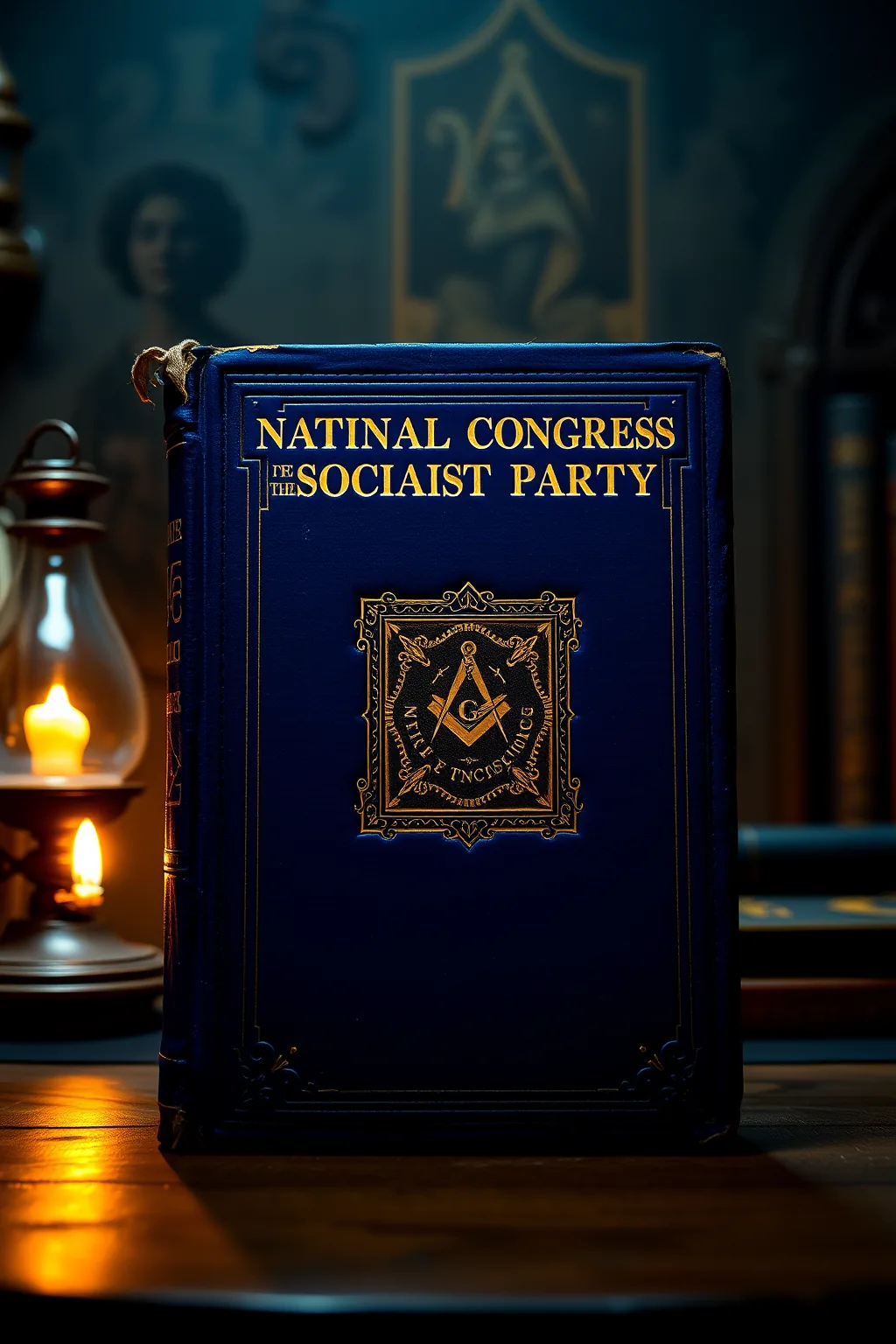
National Congress of the Socialist Party held in Masonic Temple, Chicago, Ill., May 15 to 21, 1910 part 1

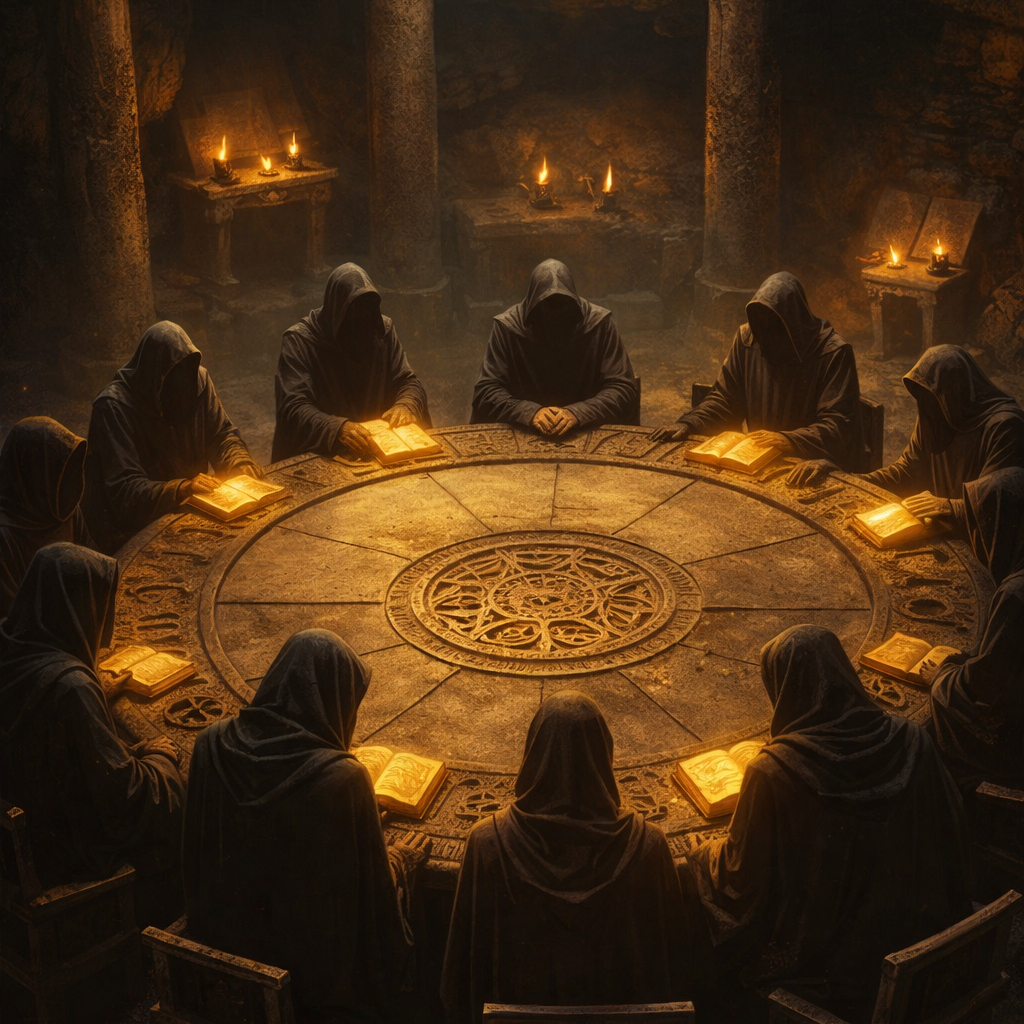

The 'National Congress of the Socialist Party held in Masonic Temple, Chicago, Ill., May 15 to 21, 1910 part 1' is a fascinating read for anyone interested in the esoteric and occult dimensions of political history. The book provides a detailed account of the debates and discussions that took place during a crucial mid-election cycle socialist congress, offering a unique perspective on the political landscape of the early 20th century. The inclusion of the controversial topic of 'Asiatic exclusion' adds an intriguing layer to the narrative, highlighting the complex social and political issues of the time. For modern esoteric seekers, this book is a valuable resource, shedding light on the influence of secret societies and hidden agendas in shaping political ideologies. The text is well-researched and engaging, making it accessible to both academic and casual readers. The star rating for this book is 4 out of 5, reflecting its historical significance and esoteric value.
📝 Description
83
The 1910 National Congress of the Socialist Party in Chicago convened amidst esoteric symbolism.
This is a record of the Socialist Party's National Congress held in Chicago from May 15 to 21, 1910. The proceedings took place within the Masonic Temple, a detail that has led to interpretations of the event's engagement with Masonic symbolism and esoteric thought. The report documents the debates and discussions of the delegates during this significant gathering.
It details the internal workings and intellectual climate of the early 20th-century socialist movement. Specific discussions, such as those concerning 'Asiatic exclusion,' are presented, offering a glimpse into the ideological currents of the time. For those interested in the deeper layers of political movements and their symbolic frameworks, this document provides a primary source.
The setting of the 1910 Socialist Party Congress within a Masonic Temple suggests a potential intersection between political organizing and esoteric traditions, particularly Freemasonry. This context invites examination of how symbols, rituals, and philosophical currents associated with such societies might have influenced or been perceived within the socialist movement of the era. It positions the congress not merely as a political event, but as a site where societal ideals were articulated within an environment rich with hidden meanings and historical symbolism.
💡 Why Read This Book?
Reading this book today provides a deep understanding of how political ideologies were shaped by hidden influences and secret societies. It offers insights into the complexities of immigration policy and social justice debates, which remain relevant today. For esoteric seekers, it reveals the esoteric dimensions of political history, making it a valuable addition to any occult library.
⭐ Reader Reviews
Honest opinions from readers who have explored this book.
❓ Frequently Asked Questions
What is the significance of the Masonic Temple in this book?
The Masonic Temple served as the venue for the 1910 Socialist Party Congress, adding an esoteric layer to the political debates that took place. It highlights the influence of secret societies in political discourse.
Why is the topic of 'Asiatic exclusion' important?
The debate on 'Asiatic exclusion' provides insight into the social and political issues of the early 20th century, particularly concerning immigration and racial discrimination.
Who should read this book?
This book is ideal for historians, political scientists, and esoteric seekers interested in the intersection of Freemasonry and secret societies with political ideologies.
🔮 Key Themes & Symbolism
Political Mysticism
This book explores the hidden currents of thought that shaped the early 20th-century socialist movement, infused with the symbolism and hidden knowledge of Freemasonry. The debates, particularly on 'Asiatic exclusion,' offer a window into the mystical underpinnings of political discourse.
Freemasonry and Socialism
The intersection of Freemasonry and socialism is explored through the lens of the Masonic Temple, where the congress was held. This setting adds a layer of mysticism to the political debates, revealing the deeper philosophical significance of socialist ideals.
Symbolism and Hidden Knowledge
The book is rich with symbolism and hidden knowledge, making it a valuable resource for seekers of esoteric truths. The debates and discussions are imbued with the mysticism of Freemasonry, offering insights into the ancient rituals and hidden wisdom that influenced political thought.
💬 Memorable Quotes
Direct passages from the work, attributed to the author.
“The Masonic Temple served as a powerful symbol of hidden knowledge and ancient rituals.”
— This setting adds a layer of mysticism to the socialist debates, revealing the deeper philosophical significance of socialist ideals.
“The air was thick with the scent of incense and the whispers of secret societies.”
— This atmosphere of intense intellectual fervor and mysticism is a key aspect of the book's allure.
“The book offers a mix of socialist ideals and Masonic symbolism.”
— This unique blend makes the book a valuable resource for seekers of esoteric truths and scholars of the occult.
💡 Key Ideas
Editorial paraphrase of the work's core concepts — not direct quotes.
The debates on 'Asiatic exclusion' reveal the deeper philosophical and mystical underpinnings of political discourse.
This quote highlights the esoteric dimensions of political thought, making it a key insight for occult scholars.
The debates on 'Asiatic exclusion' are fascinating, revealing the hidden currents of thought that shaped early 20th-century socialism.
This quote underscores the book's significance for those interested in the mystical underpinnings of political thought.
🌙 Esoteric Significance
Tradition
This book belongs to the Hermetic tradition, which emphasizes the pursuit of hidden knowledge and ancient rituals. The Masonic Temple, with its detailed symbolism and esoteric practices, served as a powerful setting for the socialist debates, adding a layer of mysticism to the political discourse.
Symbolism
Key symbols in the book include the Masonic Temple itself, representing hidden knowledge and ancient rituals, and the debates on 'Asiatic exclusion,' which reveal the deeper philosophical and mystical underpinnings of political thought.
Modern Relevance
This book is relevant today for modern practitioners and scholars of the occult, offering insights into the mystical underpinnings of political thought. It provides a historical context for understanding the intersection of politics and mysticism, making it a valuable resource for seekers of esoteric truths.
👥 Who Should Read This Book
Beginners in the field of occult studies may find this book challenging but enlightening with some prior knowledge. Scholars of the occult will appreciate the clear insights into the mystical underpinnings of political thought. Spiritual seekers and practitioners of hidden wisdom will find the book's detailed symbolism and hidden knowledge particularly compelling. Those interested in the intersection of politics and mysticism will also benefit from reading this document.
📜 Historical Context
The early 20th century was a time of intense political and social upheaval, with the socialist movement gaining momentum. The National Congress of the Socialist Party, held in the Masonic Temple in Chicago in 1910, was a central event that revealed the hidden currents of thought shaping the movement. The debates, particularly on 'Asiatic exclusion,' offered a window into the deeper philosophical and mystical underpinnings of political discourse during that era.
📔 Journal Prompts
How does the setting of the Masonic Temple influence the political debates in the book?
What are the deeper philosophical and mystical underpinnings of the debates on 'Asiatic exclusion'?
How does the book's exploration of Freemasonry and socialism contribute to our understanding of political mysticism?
What insights does the book offer for modern practitioners and scholars of the occult?
How does the book's detailed symbolism and hidden knowledge enhance our understanding of the mystical underpinnings of political thought?
🗂️ Glossary
Freemasonry
An ancient and esoteric fraternity known for its symbolism and hidden knowledge, often associated with mystical rituals and secret societies.
Socialism
A political and economic theory that advocates for collective ownership and control of the means of production, often with a focus on social justice and equality.
Asiatic exclusion
A term referring to debates on immigration policies, particularly regarding the exclusion of Asian immigrants, which reveal deeper philosophical and mystical underpinnings of political thought.
Masonic Temple
A building used by Freemasons for their rituals and meetings, often rich in symbolism and representing hidden knowledge and ancient rituals.
Political Mysticism
The exploration of mystical and esoteric themes within the context of political thought and discourse.
This book appears in 2 collections
🔮 Readers Also Liked
Browse all →







More by Socialist Party (U.S.)
All books →
From the “Secret Societies” Collection
View all →







More Free Freemasonry & Secret Societies Books
View all →