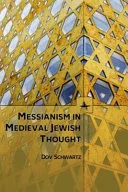
Messianism in Medieval Jewish Thought
 71
71

Messianism in Medieval Jewish Thought
Dov Schwartz’s "Messianism in Medieval Jewish Thought" offers a rigorous examination of how medieval Jewish thinkers conceived of a post-salvation world. The book excels in dissecting the intellectual gymnastics required to reconcile apocalyptic fervor with philosophical reason, particularly in its detailed analysis of figures like Saadia Gaon. Schwartz’s strength lies in his precise tracing of intellectual currents, avoiding simplistic narratives. A point of contention, however, might be the dense academic prose, which, while accurate, can occasionally obscure the deeply human yearning for redemption that fuels the subject matter. The exploration of Yitzhak Abravanel's later medieval perspectives, for instance, reveals a fascinating tension between political realities and messianic hope that feels particularly urgent. Ultimately, Schwartz delivers a scholarly account that illuminates a crucial facet of Jewish philosophical history.
📝 Description
71
Dov Schwartz's 2005 book traces messianic thought from Saadia Gaon to Yitzhak Abravanel.
Dov Schwartz examines messianism in medieval Jewish thought, focusing on how intellectuals grappled with the concept of a redeemed world. The book analyzes the nature of reality in messianic times and the intellectual and imaginative responses to apocalyptic visions that influenced the Jewish psyche.
Schwartz situates his work within the intellectual ferment of the Middle Ages, a period of intense theological debate and the codification of Jewish law and philosophy. He engages with key thinkers, charting a course through centuries of evolving messianic discourse. The study addresses the tension between philosophical naturalism and the potent allure of apocalyptic prophecies prevalent in Jewish communities across Europe and the Mediterranean.
A central idea is the messianic concept's dual nature: its basis in historical possibility versus its manifestation in transcendent visions. Schwartz analyzes the philosophical challenges apocalyptic scenarios presented, particularly how medieval thinkers reconciled these with natural law and rational understanding. The book highlights the persistent interplay between intellectual frameworks and the human desire for ultimate redemption.
This study is situated within the rich tradition of Jewish thought that has long engaged with messianic themes. Medieval Jewish thinkers, influenced by earlier mystical and philosophical currents, sought to understand God's plan for history and the ultimate redemption of Israel and the world. Schwartz's work examines how figures like Saadia Gaon and Yitzhak Abravanel integrated philosophical reasoning with deeply held beliefs about a future messianic era, navigating the complex interplay between divine intervention and human agency within the framework of Jewish law and tradition.
💡 Why Read This Book?
• Gain insight into the intellectual framework of medieval Jewish scholars like Saadia Gaon, understanding how they processed apocalyptic visions within their philosophical systems. • Explore the specific tension between naturalistic and apocalyptic approaches to history as articulated by thinkers like Yitzhak Abravanel in the 15th century. • Grasp the conceptual challenges of imagining a redeemed reality, moving beyond simple prophecy to understand the philosophical implications of messianic fulfillment.
⭐ Reader Reviews
Honest opinions from readers who have explored this book.
❓ Frequently Asked Questions
Who are the primary medieval Jewish thinkers discussed in "Messianism in Medieval Jewish Thought"?
The book extensively covers major figures such as Saadia Gaon, a key philosopher of the Geonic period, and Yitzhak Abravanel, a prominent statesman and biblical commentator of the late medieval era, among others.
What historical period does "Messianism in Medieval Jewish Thought" focus on?
It concentrates on the medieval period of Jewish intellectual history, spanning roughly from the 9th century CE with figures like Saadia Gaon to the late 15th century with thinkers like Abravanel.
What is the central tension explored in the book regarding messianism?
The book examines the persistent tension between naturalistic, philosophical approaches to history and the powerful, often imaginative, pull of apocalyptic teachings and visions of salvation.
How does the book address the nature of reality in messianic times?
It delves into how medieval scholars conceptualized the world after redemption, exploring the philosophical and imaginative constructs they used to describe this future state.
Is this book suitable for beginners in Jewish philosophy?
While academically rigorous, the book offers a deep dive into a specific subject. Beginners might find it more accessible after establishing a foundational understanding of medieval Jewish thought and philosophy.
What is the significance of Saadia Gaon to the discussion of messianism?
Saadia Gaon, a foundational figure in medieval Jewish philosophy, is examined for his early attempts to integrate rationalist thought with traditional eschatological expectations, setting a precedent for later discussions.
🔮 Key Themes & Symbolism
Apocalyptic Visions vs. Reason
The work dissects the medieval Jewish intellectual's struggle to reconcile the fervent, often imaginative, allure of apocalyptic prophecies with the demands of philosophical reason and natural law. It traces how thinkers navigated these conflicting impulses, attempting to construct coherent theological and philosophical frameworks for understanding ultimate redemption, particularly evident in the post-Saadia Gaon era.
The Nature of the Messianic Era
Scholars grappled with defining the reality of a world that has experienced salvation. This theme explores the intellectual and imaginative constructs employed to conceptualize this transformed existence, moving beyond mere eschatological prediction to philosophical speculation on the state of humanity and the cosmos.
Intellect vs. Imagination
A core dynamic explored is the fluctuating interplay between intellectual analysis and imaginative projection in medieval Jewish messianism. The book examines how scholarly discourse oscillated between rationalistic interpretations of history and the potent, often visionary, power of apocalyptic imagination.
Historical and Philosophical Approaches
The volume surveys the spectrum of approaches to the messianic idea within Jewish philosophy. It highlights the enduring tension between viewing messianic fulfillment through a naturalistic, historically grounded lens and embracing the transformative, often supra-rational, promises of apocalyptic teachings.
💬 Memorable Quotes
Direct passages from the work, attributed to the author.
“The nature of reality in the days of the Messiah.”
— This phrase expresses the speculative core of messianic thought: not just an event, but a transformed existence. Medieval thinkers grappled with describing this new reality, bridging philosophical concepts with imaginative eschatology.
“Reactions to the seductive promises of apocalyptic teachings.”
— This points to the psychological and intellectual pull of apocalyptic narratives. The book examines how Jewish scholars responded to these potent visions, weighing their appeal against rationalist frameworks.
“Fluctuations between intellect and imagination.”
— This highlights the inherent tension in messianic discourse. It suggests that understanding medieval thought requires appreciating the dynamic interplay between rigorous philosophical inquiry and the area of visionary, imaginative speculation.
“Tension between naturalistic and apocalyptic approaches.”
— This core conflict is central to the book's thesis. It underscores how scholars debated whether messianic fulfillment was a product of natural historical processes or a divinely imposed, transformative event.
“Saadia Gaon to Yitzhak Abravanel.”
— This chronological marker situates the study within a significant span of medieval Jewish intellectual history, showcasing the evolution of messianic concepts across centuries and thinkers.
🌙 Esoteric Significance
Tradition
While primarily focused on philosophical discourse, the book touches upon themes resonant with Kabbalistic and prophetic traditions within Judaism. It explores the imaginative leaps and visionary aspects of messianic thought that often intersect with esoteric interpretations of scripture and cosmic history, examining how these visions were integrated or contested within broader intellectual frameworks.
Symbolism
The concept of "redemption" itself functions as a potent symbol, representing not merely political liberation but a profound transformation of consciousness and reality. The "days of the Messiah" symbolize an ultimate state of perfection, a telos towards which history is perceived to move, often imbued with symbolic meanings of cosmic renewal and divine immanence.
Modern Relevance
Contemporary discussions in messianic studies, philosophy of religion, and even certain strands of political theology continue to draw from the medieval intellectual heritage explored in this book. Thinkers interested in the enduring power of eschatological narratives and their influence on collective identity and action find valuable precedents in these medieval debates.
👥 Who Should Read This Book
• Scholars of Jewish philosophy and theology seeking a detailed analysis of messianic concepts from Saadia Gaon to Abravanel. • Students of medieval history interested in the intellectual currents that shaped religious thought and eschatological expectations during the period. • Readers of comparative religion exploring the development of salvation narratives and apocalyptic thought across different traditions.
📜 Historical Context
The intellectual field of medieval Judaism was profoundly shaped by its engagement with classical philosophy and the pressures of diaspora life. "Messianism in Medieval Jewish Thought" positions itself within this dynamic era, a period marked by the flourishing of philosophical theology and intense scriptural exegesis. From the 9th century onwards, thinkers like Saadia Gaon sought to harmonize Jewish tradition with Aristotelian thought, a project that inevitably impacted discussions on eschatology. Later, figures like Yitzhak Abravanel in the 15th century grappled with messianic hopes amidst expulsion and persecution. The book implicitly engages with competing schools of thought, such as the more mystical traditions, by focusing on the philosophical and rationalist responses to apocalypticism. The reception of these ideas was often complex, debated within scholarly circles and influencing communal expectations.
📔 Journal Prompts
The tension between naturalistic and apocalyptic approaches to history.
Conceptualizing the nature of reality in the days of the Messiah.
The intellectual and imaginative responses to apocalyptic visions.
Saadia Gaon's integration of rationalism with messianic hopes.
Yitzhak Abravanel's perspective on messianic fulfillment.
🗂️ Glossary
Messianism
The belief in a messiah, a divinely appointed figure who will usher in an era of peace, justice, and redemption for humanity. In Jewish thought, this often refers to the Davidic descendant who will restore Israel and the world.
Apocalyptic Teachings
Religious beliefs or texts that focus on the revelation of hidden knowledge, often concerning the end of the world, divine judgment, and the establishment of a new cosmic order.
Naturalistic Approach
A perspective that explains phenomena, including historical and eschatological events, through natural causes and processes, often emphasizing human agency and historical development.
Saadia Gaon
An influential Babylonian Gaon (c. 882/892 – 942), philosopher, and exegete, considered a foundational figure in medieval Jewish philosophy for his efforts to synthesize Jewish theology with Mu'tazili Kalam (Islamic rationalist theology).
Yitzhak Abravanel
A prominent Portuguese Jewish statesman, philosopher, and biblical commentator (1437–1508) known for his extensive commentaries on the Hebrew Bible and his engagement with messianic themes in the context of late medieval Jewish history.
Eschatology
The branch of theology concerned with the final events of history, or the ultimate destiny of humanity and the world, often encompassing concepts of the afterlife, judgment, and redemption.
Dialectic
A method of argument or reasoning that involves a progression through opposing ideas (thesis, antithesis, synthesis) to reach a higher truth. In this context, it refers to the interplay between contrasting concepts like intellect and imagination.