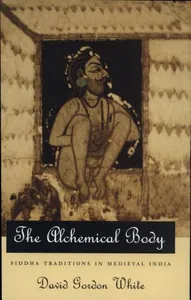
Meditation, Plain and Simple
 74
74

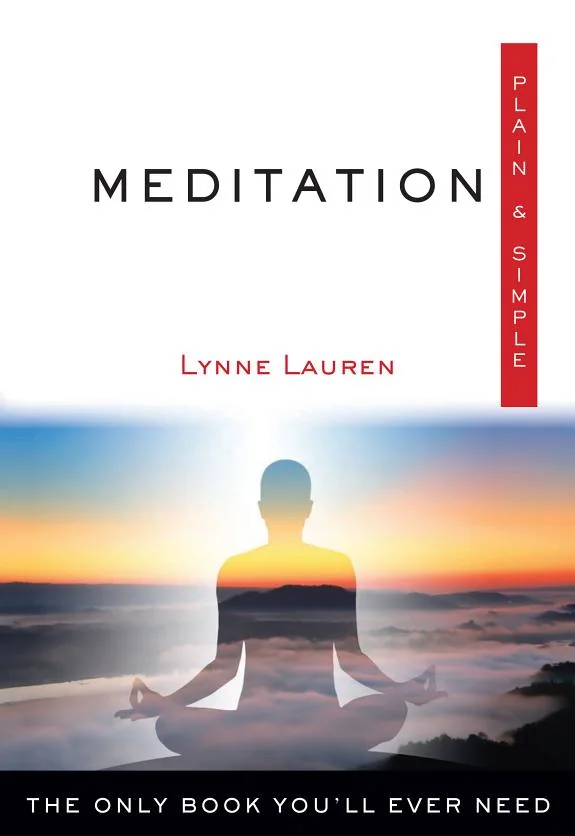
Meditation, Plain and Simple
Lynne Lauren’s "Meditation, Plain and Simple" delivers precisely what its title promises: an unvarnished guide to a practice often shrouded in mystique. Lauren’s strength lies in her directness, stripping away the esoteric jargon that can alienate beginners. She effectively illustrates how the fundamental act of quieting the mind is not an extraordinary feat but a cultivable skill. A particular passage detailing the "interference of troublesome thoughts" as an obstacle to clear awareness is handled with refreshing simplicity. However, the book’s very directness might leave seasoned practitioners yearning for deeper philosophical or historical context. While excellent as an introductory primer, it offers limited exploration of the diverse lineages and advanced techniques within the broader meditation landscape. Nonetheless, it serves as a solid, no-nonsense entry point.
📝 Description
74
Lynne Lauren's 2017 book simplifies meditation for everyday clarity and balance.
Meditation, Plain and Simple provides a direct guide to understanding and practicing meditation. It presents the technique not as a complex ritual, but as a practical method for achieving mental clarity and emotional stability. The book's core focus is on stilling the mind, working toward a state of calm awareness without constant thought.
This guide is for those new to meditation, individuals who found other approaches too difficult, or anyone needing practical ways to reduce stress and improve focus. It offers straightforward advice suitable for busy people or those curious about the advantages of a quieter mind. Lauren's work aims to equip readers with the skills to focus, relax, and manage life's pressures by cultivating inner stillness.
While secular mindfulness draws from Buddhist principles, Lauren's 2017 work maintains an esoteric focus on internal cultivation. It emphasizes the 'natural way' of calming the mind, contrasting it with active thought suppression. This approach aligns with traditions that value inner stillness as a path to deeper understanding, distinct from more performance oriented or externally focused spiritual practices.
💡 Why Read This Book?
• You will learn a foundational method for mental stillness, directly applicable to reducing daily stress, as explained in the book's focus on achieving "calm awareness" without complex philosophical underpinnings. • You will gain practical techniques for enhanced focus and relaxation, as demonstrated by Lynne Lauren's straightforward instructions for the "average person" seeking to cope with life's challenges. • You will understand meditation as an accessible practice, not an esoteric ritual, by engaging with the book's clear explanation of its "natural way" of calming the mind.
⭐ Reader Reviews
Honest opinions from readers who have explored this book.
❓ Frequently Asked Questions
What is the primary goal of meditation as described in "Meditation, Plain and Simple"?
The primary goal is to quiet or still the mind, leading to calm awareness without the interference of troublesome thoughts, as detailed in the book's initial explanation of the practice.
Who is the intended audience for Lynne Lauren's book?
The book is intended for the average person, particularly beginners or those who find other meditation guides too complex, seeking simple, practical guidance for mental and emotional well-being.
When was "Meditation, Plain and Simple" first published?
The book was first published on January 1, 2017, positioning it within contemporary discussions on mindfulness and mental wellness.
Does the book explain the historical origins of meditation?
While the book focuses on the practice itself, it acknowledges meditation's roots as an ancient discipline for quieting the mind, placing it in a broader context of mental cultivation.
What are the main benefits of practicing meditation according to the book?
The book highlights benefits such as improved focus, enhanced relaxation, and better coping mechanisms for life's difficulties, all stemming from a quieter mind.
Is "Meditation, Plain and Simple" suitable for experienced meditators?
While it offers a clear foundation, experienced practitioners might find the book's directness and lack of advanced techniques less engaging than its clear explanation for beginners.
🔮 Key Themes & Symbolism
The Natural Way of Stillness
Lauren posits meditation as a 'natural way' to achieve mental quietude. This contrasts with methods that might force or suppress thoughts. The focus is on cultivating an environment where the mind can naturally settle, leading to a state of calm awareness. This approach grounds the practice in organic self-regulation rather than external imposition, making it inherently accessible and less intimidating for newcomers seeking genuine tranquility.
Calm Awareness Beyond Thought
A core concept is achieving 'calm awareness' that exists apart from the constant stream of 'troublesome thoughts.' This isn't about emptying the mind entirely but about developing the capacity to observe thoughts without being carried away by them. This distinction is crucial for understanding how meditation fosters mental clarity and emotional resilience, allowing individuals to engage with life’s challenges more equitably.
Practical Coping Mechanisms
The book frames meditation as a functional tool for everyday life, emphasizing its role in helping individuals 'focus, relax, and cope.' This practical application is key to its appeal, suggesting that the benefits of a still mind extend directly to tangible improvements in managing stress, enhancing concentration, and navigating personal difficulties with greater ease and stability.
Explaining the Practice
Lynne Lauren's primary aim is to present meditation as a simple, straightforward practice, accessible to the 'average person.' By avoiding overly complex philosophical discussions or arcane terminology, the book clarifies the discipline. It seeks to empower readers by demonstrating that the path to inner calm is not reserved for ascetics or advanced practitioners but is available to anyone willing to engage with the basic techniques.
💬 Memorable Quotes
Direct passages from the work, attributed to the author.
“Meditation can help you focus, relax, and cope with life's twists and turns.”
— Here, Lauren highlights the practical, everyday benefits of meditation, positioning it as a tool for enhancing personal resilience and well-being in the face of adversity.
“Lynne Lauren not only explains why it is important to meditate, but also demonstrates how simple meditation is for the average person.”
— This highlights the author's approach: emphasizing both the value and the accessibility of meditation, making it an achievable practice for a broad audience.
“Meditation is a practice that calms the mind and the body in a natural way.”
— This introductory statement sets the tone for the book, suggesting that meditation is an innate, organic process rather than an artificial or forced technique.
“Meditation, Plain & Simple is a wise and helpful primer to the practice of meditation.”
— This descriptive phrase underscores the book's function as an introductory guide, emphasizing its clarity and utility for those beginning their meditative journey.
💡 Key Ideas
Editorial paraphrase of the work's core concepts — not direct quotes.
Its aim is to quiet or still the mind, which leads to calm awareness without the interference of troublesome thoughts.
This quote expresses the book's core objective: achieving a state of mental tranquility where one can observe consciousness without being overwhelmed by mental chatter.
🌙 Esoteric Significance
Tradition
While not explicitly tied to a single esoteric lineage like Kabbalah or Gnosticism, "Meditation, Plain and Simple" taps into the perennial wisdom found across many contemplative traditions. Its focus on cultivating inner stillness and awareness aligns with foundational practices in Hermeticism and various schools of Western esotericism that emphasize self-knowledge and the quieting of the lower mind to perceive higher truths. It offers a secularized, accessible entry point to principles common in these paths.
Symbolism
The book primarily uses the concept of the 'mind' as its central symbol. The 'interference of troublesome thoughts' can be seen as a representation of the 'lower self' or the 'illusory ego' in esoteric terms, which obscures direct perception. 'Calm awareness' symbolizes the 'higher self' or the witnessing consciousness, a state sought in many mystical traditions for achieving clarity and insight. The 'natural way' itself suggests an alignment with universal principles rather than artificial constructs.
Modern Relevance
In contemporary circles, this book's straightforward approach is relevant to the burgeoning field of secular mindfulness and mental wellness apps, which often distill ancient practices for broad appeal. Thinkers and practitioners in cognitive psychology exploring attention and consciousness, as well as those in transpersonal psychology, might find its emphasis on accessible techniques valuable. It serves as a bridge, offering a simplified gateway to practices that echo within more complex esoteric systems like Integral Spirituality.
👥 Who Should Read This Book
• Beginners seeking a gentle introduction to meditation without overwhelming philosophical or religious dogma. • Individuals struggling with stress and anxiety looking for practical, actionable techniques to calm their minds. • Those who have previously found meditation challenging and require a clear, straightforward guide to build a consistent practice.
📜 Historical Context
Published in 2017, "Meditation, Plain and Simple" entered a cultural landscape where mindfulness, heavily influenced by Buddhist Vipassanā and Zen traditions, had become a widespread secular practice. Figures like Jon Kabat-Zinn had popularized stress-reduction programs based on these principles throughout the late 20th century. Lauren’s work positions itself within this contemporary milieu, offering a distilled, accessible approach. While not overtly engaging with Western esoteric traditions like Theosophy or Hermeticism directly, its emphasis on cultivating inner stillness and awareness aligns with perennial philosophical interests explored by thinkers such as Aldous Huxley, who wrote extensively on comparative mysticism and consciousness in the mid-20th century. The book’s reception likely benefited from the established public interest in meditation, contrasting with earlier periods when such practices were often viewed with suspicion or confined to niche spiritual circles.
📔 Journal Prompts
Reflect on the "interference of troublesome thoughts" and how it manifests in your daily experience.
Consider the concept of "calm awareness" and what it might feel like to achieve it.
How can the "natural way" of calming the mind be applied to a specific stressful situation you faced recently?
Identify one way this primer can help you "focus, relax, and cope" more effectively.
What does "plain and simple" meditation mean to you after reading this guide?
🗂️ Glossary
Calm Awareness
A state of consciousness characterized by mental stillness and clarity, achieved through meditation, where one can observe thoughts and feelings without being overwhelmed by them.
Troublesome Thoughts
The incessant stream of mental activity, worries, and distractions that commonly occupy the mind, hindering the ability to achieve a state of focused tranquility.
Natural Way
The book's approach to meditation, emphasizing a gentle, organic process of quieting the mind rather than forceful suppression of thoughts or complex rituals.
Primer
An introductory or basic text on a subject, designed to provide fundamental knowledge and essential skills for beginners.
Focus
The ability to direct and sustain attention on a particular object or task, an outcome cultivated through consistent meditation practice.
Relax
To become free from tension and anxiety, a physical and mental state that meditation aims to facilitate through deep stillness.
Cope
To deal effectively with life's difficulties and stresses, a skill enhanced by the mental resilience and emotional balance gained from meditation.
This book appears in 1 collection
🔮 Readers Also Liked
Browse all →









From the “Clairsentience” Collection
View all →







More Free Occult Philosophy Books
View all →