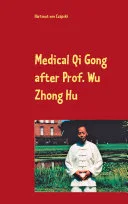
Medical Qi Gong after Prof. Wu Zhong Hu
 73
73

Medical Qi Gong after Prof. Wu Zhong Hu
Hartmut von Czapski's 'Medical Qi Gong after Prof. Wu Zhong Hu' offers a practical, if somewhat dry, compendium of exercises. The book's strength lies in its directness; it eschews philosophical meandering for clear instructions on movements intended to address specific complaints, from hypertension to lack of focus. The inclusion of exercises suitable for varying physical capacities is commendable, particularly the adaptations for older practitioners. However, the text occasionally feels more like a manual than an engaging exploration. For instance, the section detailing techniques for insomnia, while functional, lacks the evocative descriptions that might inspire deeper practice. The clear attribution to Professor Wu Zhong Hu provides a grounding historical anchor. Ultimately, this is a utilitarian guide for those seeking tangible Qi Gong applications.
📝 Description
73
Published in 2020, this book details exercises from Professor Wu Zhong Hu's system of Medical Qi Gong.
This work presents a system of exercises derived from the teachings of Professor Wu Zhong Hu, a figure in Chinese medicine and Qi Gong. It describes specific movements and breathwork intended to address common physical and mental ailments. The focus is on practical application, providing a structured approach to cultivating internal energy for improved well-being. The exercises have varying intensity levels, making them accessible to different physical capabilities.
The routines are particularly suited for individuals experiencing chronic stress, insomnia, nervousness, or concentration difficulties. Those with high or low blood pressure, gastric and bowel issues, lung problems, or back pain will find targeted practices. The adaptable nature of the exercises also benefits older individuals or those with limited physical energy, encouraging consistent engagement for health enhancement.
Tracing its lineage to Professor Wu Zhong Hu, this book emerges from the tradition of Chinese energetic medicine. Wu Zhong Hu was a practitioner and teacher who contributed to the systematization and popularization of Qi Gong for therapeutic purposes. The book positions itself within the modern interest in traditional health practices, aiming to make these techniques accessible.
💡 Why Read This Book?
• Learn specific Qi Gong exercises tailored by Hartmut von Czapski, drawing from Professor Wu Zhong Hu's methods, to address conditions like high blood pressure and insomnia, offering targeted energetic interventions. • Discover how consistent practice, as detailed in the 2020 publication, can foster improved health and inner peace, providing a structured approach to energy cultivation for stress reduction. • Gain access to adaptable routines suitable for individuals of varying ages and energy levels, ensuring that the practice of Medical Qi Gong remains accessible and beneficial for personal well-being.
⭐ Reader Reviews
Honest opinions from readers who have explored this book.
❓ Frequently Asked Questions
What specific health issues does Medical Qi Gong after Prof. Wu Zhong Hu address?
The book details exercises for high and low blood pressure, gastric and bowel problems, lung issues, insomnia, nervousness, lack of concentration, low energy, back pain, and excessive stress, demonstrating excellent effects with regular practice.
Who is Professor Wu Zhong Hu and what is his connection to this book?
Professor Wu Zhong Hu was a significant figure in Chinese medicine and Qi Gong. This book presents exercises and methods derived directly from his teachings, systematized by Hartmut von Czapski.
Are the exercises in this book suitable for beginners or older individuals?
Yes, the book emphasizes that the exercises can be carried out with different levels of effort, making them suitable for older individuals or those with limited physical capacity, promoting accessibility.
What is the primary goal of practicing the exercises outlined in this book?
The primary goal is to improve health, achieve inner peace, and find deep relaxation through the regular and persistent practice of Qi Gong, cultivating vital energy.
When was 'Medical Qi Gong after Prof. Wu Zhong Hu' first published?
The book 'Medical Qi Gong after Prof. Wu Zhong Hu' by Hartmut von Czapski was first published on April 2, 2020.
What is the underlying principle behind these Medical Qi Gong exercises?
The underlying principle is the cultivation and circulation of Qi (vital energy) through specific movements and breathwork to balance the body's energetic pathways, thereby alleviating ailments.
🔮 Key Themes & Symbolism
Therapeutic Qi Cultivation
This theme focuses on the practical application of Qi Gong as a therapeutic modality. It explores how specific exercises, as taught by Professor Wu Zhong Hu and detailed by von Czapski, can directly influence physiological processes. The work emphasizes the energetic underpinnings of health, suggesting that imbalances in Qi manifest as illness. By learning to consciously direct and cultivate this vital energy, practitioners can address a spectrum of physical discomforts and mental stresses, promoting a return to equilibrium.
Adaptable Practice for All
A central tenet is the accessibility of Medical Qi Gong. The book highlights how the exercises, while potent, are designed with variable intensity. This allows individuals of all ages and physical conditions, including the elderly or those with chronic ailments, to engage safely and effectively. The emphasis is on consistency rather than strenuousness, making the path to improved health and inner peace achievable for a broad audience seeking holistic well-being.
Energetic Balance and Stress Reduction
The work posits that many common ailments stem from energetic stagnation or deficiency, often exacerbated by modern stress. The presented Qi Gong routines are structured to promote the smooth flow of Qi, thereby releasing tension and calming the nervous system. This energetic rebalancing is presented as a direct pathway to mitigating stress, improving concentration, and fostering a profound sense of relaxation and mental clarity.
Legacy of Wu Zhong Hu
This theme underscores the book's foundation in the teachings of Professor Wu Zhong Hu. It serves as a conduit for his specific methods and insights into Medical Qi Gong. The publication honors his contribution by making his systematic approach to energetic healing available to a wider audience. Understanding this lineage provides context and depth, highlighting the established tradition from which these practices originate.
💬 Memorable Quotes
Direct passages from the work, attributed to the author.
“Exercises can be carried out with different levels of effort.”
— This highlights the adaptable nature of the Qi Gong practices presented, emphasizing their suitability for individuals across a wide spectrum of physical capabilities and energy levels.
“With regular and persistent practice of Qi Gong, the practitioner can be improve health.”
— This statement underscores the core philosophy that consistent engagement with Qi Gong is key to achieving tangible benefits in physical well-being and overall health.
“The exercises show excellent effects with high and low blood pressure.”
— This points to the specific therapeutic applications of the Qi Gong methods derived from Professor Wu Zhong Hu, indicating their efficacy in addressing common cardiovascular issues.
“Suitable for older... [individuals].”
— This interpretation stresses the inclusivity of the practice, noting that the exercises have been adapted or designed to be gentle and beneficial for the aging population.
💡 Key Ideas
Editorial paraphrase of the work's core concepts — not direct quotes.
Find inner peace and relaxation.
Beyond physical health, this quote emphasizes the mental and emotional benefits of practicing Medical Qi Gong, pointing towards its capacity to cultivate tranquility and reduce psychological distress.
🌙 Esoteric Significance
Tradition
This work belongs to the Medical Qi Gong tradition, a branch of Daoist internal arts focused on health cultivation and longevity. While rooted in Daoist principles of Qi, Yin/Yang, and meridian theory, Medical Qi Gong, particularly as systematized by figures like Wu Zhong Hu, emphasizes practical, observable therapeutic outcomes. It departs from more esoteric or spiritual Daoist practices by focusing on quantifiable health benefits and symptom alleviation, though the underlying energetic principles remain.
Symbolism
The core symbolism revolves around the concept of Qi itself – the vital life force. Exercises are designed to harmonize its flow through the body's meridians, akin to ensuring water flows freely through channels. Specific postures often mimic natural forms (e.g., animal movements, elements) which carry symbolic weight in Daoist cosmology, representing balance and integration with the natural world. Breath is also symbolic, representing the connection between the internal and external.
Modern Relevance
Contemporary practices in integrative medicine, mind-body therapies, and even some forms of physical therapy draw inspiration from Qi Gong principles. Thinkers and practitioners exploring somatic experiencing, energy psychology, and the psychosomatic aspects of illness often find resonance with the systematic approach to energetic balance presented in works like this. It informs modern approaches to stress management, chronic pain, and preventative healthcare.
👥 Who Should Read This Book
• Individuals experiencing chronic physical ailments such as high/low blood pressure, digestive issues, or back pain who are seeking complementary or alternative therapeutic methods. • Practitioners of traditional Chinese medicine or Qi Gong looking to deepen their understanding of specific therapeutic applications derived from Professor Wu Zhong Hu's lineage. • Older adults or those with limited physical mobility interested in gentle, yet effective, exercises for improving energy levels, reducing stress, and enhancing overall well-being.
📜 Historical Context
Published in 2020, Hartmut von Czapski's 'Medical Qi Gong after Prof. Wu Zhong Hu' emerges during a period of intense global interest in traditional Chinese medicine and holistic health practices. This resurgence followed decades of efforts to integrate and validate such methods, often facing skepticism from Western biomedical establishments. Professor Wu Zhong Hu himself was a figure within the mid-to-late 20th century movement to systematize and popularize Qi Gong for therapeutic applications, moving it beyond purely spiritual or martial contexts. While not directly engaging with a specific competing school of thought in its presentation, the book implicitly positions itself against purely symptomatic Western medical approaches by offering an energetic, internal system for healing. Its reception is part of a broader academic and popular engagement with Qi Gong, building on the work of scholars and practitioners who have translated and interpreted classical texts since the early 20th century.
📔 Journal Prompts
Reflect on the concept of Qi flow as presented in the exercises for gastric and bowel problems.
Consider the 'different levels of effort' mentioned for older practitioners in relation to your own practice.
Analyze the connection between nervousness and lack of concentration as addressed by specific Qi Gong movements.
Explore the pursuit of 'inner peace and relaxation' through the practice of Medical Qi Gong.
How does the emphasis on 'regular and persistent practice' align with achieving health improvements?
🗂️ Glossary
Qi
The fundamental concept of vital life force or energy in traditional Chinese culture and medicine. It is believed to animate all living things and is central to Qi Gong practices.
Qi Gong
A system of coordinated body posture and movement, breathing, and meditation used for health, spirituality, and training. Medical Qi Gong specifically focuses on therapeutic applications.
Meridians
In Traditional Chinese Medicine, these are pathways through which Qi flows throughout the body. Blockages or imbalances in meridians are thought to cause illness.
Insomnia
A sleep disorder characterized by difficulty falling and/or staying asleep. The book offers Qi Gong exercises aimed at alleviating this condition.
Nervousness
A state of being anxious or agitated. Qi Gong practices are presented as a means to calm the nervous system and reduce feelings of nervousness.
Concentration
The ability to focus one's attention or mental effort on a particular task or subject. The book suggests Qi Gong can improve this faculty.
Stress
A state of mental or emotional strain or tension resulting from adverse or demanding circumstances. Medical Qi Gong is presented as a tool for managing and reducing stress.