Ls Sibilla Oracle Cards
 79
79

Ls Sibilla Oracle Cards
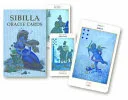
Marco Nizzoli’s Sibilla Oracle Cards offer a refreshing departure from the well-trodden paths of Rider-Waite-Smith cartomancy. The deck’s strength lies in its unique visual language and its self-contained system, which, once grasped, allows for remarkably direct and often incisive readings. I found the card depicting ‘La Casa’ (The House) particularly potent; its straightforward imagery provides an immediate anchor for discussions of foundation, stability, or domestic concerns. However, the deck’s departure from familiar archetypes can also be its primary limitation. Newcomers will need to invest significant time in understanding Nizzoli’s specific symbolic lexicon, a process that might feel less intuitive than engaging with the more widely recognized symbolism of traditional tarot. This is not a deck for casual dipping; it demands dedicated study. Nevertheless, for those willing to commit, the Sibilla Oracle rewards with a distinct and potent form of divinatory insight.
📝 Description
79
Marco Nizzoli's Sibilla Oracle Cards, published around 2000, offer a distinct system for divination separate from traditional tarot.
Developed by Marco Nizzoli, the Sibilla Oracle deck offers a unique approach to divination that diverges from common tarot structures. First appearing around the year 2000, this deck features its own set of symbolic images and narrative sequences. It does not follow the Major and Minor Arcana divisions found in most tarot decks. Instead, it presents a different framework for interpreting questions and understanding potential outcomes.
This oracle is for those seeking divination methods beyond standard tarot. It suits individuals who appreciate unique art and are willing to learn a new symbolic language. Cartomancers, spiritual guides, and anyone interested in self reflection through symbols will find value in its particular design. It is a tool for seekers ready to engage with a novel system.
The Sibilla Oracle emerged in the early 21st century, a time when interest in esoteric studies was growing and diverse divination tools were appearing. While tarot remained popular, alternative systems gained traction. Nizzoli's work represents a unique Italian contribution to symbolic communication within this expanding field of esoteric practice.
💡 Why Read This Book?
• Learn a distinct cartomantic system: Understand the unique symbolic framework of the Sibilla Oracle, developed by Marco Nizzoli, offering a different interpretive approach than standard tarot decks. • Engage with specific symbolism: Explore the visual language of cards like 'La Sibilla' or 'Il Viaggiatore' to gain insight into Nizzoli's particular symbolic vocabulary and its application to divination. • Expand your divinatory toolkit: Acquire a new set of tools for personal reflection and guidance, moving beyond familiar decks to engage with a less common, yet powerful, oracle.
⭐ Reader Reviews
Honest opinions from readers who have explored this book.
❓ Frequently Asked Questions
What is the origin of the Sibilla Oracle Cards?
The Sibilla Oracle Cards were created by Marco Nizzoli, an Italian artist and cartomancer. They were first published around the year 2000, introducing a unique system of divination imagery to the esoteric community.
How do the Sibilla Oracle Cards differ from traditional Tarot decks?
Unlike traditional tarot decks with their Major and Minor Arcana, the Sibilla Oracle features its own distinct set of cards and symbolic interpretations. It operates on a unique narrative structure and visual language developed by Nizzoli.
Is there a specific way to read the Sibilla Oracle Cards?
Yes, the Sibilla Oracle Cards are read by interpreting the meanings of individual cards in conjunction with their position and relationship to other cards in a spread. The emphasis is on narrative flow and contextual interpretation.
Who is Marco Nizzoli?
Marco Nizzoli is the creator of the Sibilla Oracle Cards. He is known for his work in developing this specific divinatory system, which gained recognition in the early 2000s for its distinct artistic style and approach to cartomancy.
Are there specific spreads recommended for the Sibilla Oracle?
While specific spreads can be developed, the nature of the Sibilla Oracle Cards lends itself well to sequential readings where the story unfolds card by card, offering a narrative interpretation of the querent's situation.
Can the Sibilla Oracle Cards be used for general guidance or specific questions?
Absolutely. Like most oracle and tarot systems, the Sibilla Oracle Cards can be used for both broad personal reflection and for addressing specific questions, providing insight into various life situations.
🔮 Key Themes & Symbolism
Symbolic Narrative
The Sibilla Oracle Cards emphasize a narrative approach to divination. Unlike systems that rely on fixed meanings for each card in isolation, this deck encourages the interpretation of cards as they unfold in sequence. The interplay between images, such as 'Il Matto' (The Fool) and 'La Luna' (The Moon), creates a story, guiding the user through a progression of insights. This focus on story allows for a more dynamic and context-specific reading, revealing the unfolding dynamics of a situation rather than static pronouncements. It's about understanding the journey each card represents within the context of the spread.
Nizzoli's Archetypes
Marco Nizzoli developed a distinct set of archetypes for his Sibilla Oracle deck, diverging from established tarot figures. Cards like 'Il Giudizio' (The Judgment) and 'La Speranza' (Hope) possess unique visual interpretations that are specific to his system. Understanding these Nizzoli-specific archetypes is crucial for accurate divination. The deck invites users to learn a new symbolic grammar, where familiar concepts are represented through novel imagery. This requires dedicated study but rewards the practitioner with a fresh perspective on universal themes.
Italian Esoteric Influence
The Sibilla Oracle Cards carry a distinct Italian sensibility, evident in the artistic style and symbolic choices made by Marco Nizzoli. This influence can be seen in the visual representation of figures and scenes, which often evoke a European artistic tradition. While not strictly tied to a single historical Italian esoteric school, the deck taps into a broader cultural milieu that has long engaged with symbolism and divination. The deck’s origin around 2000 places it within a contemporary Italian resurgence of interest in occult arts and cartomancy.
Cartomantic Practice
This deck is a tool for practical cartomancy. Its structure is designed to facilitate readings for self-discovery, problem-solving, and forecasting. The emphasis is on the practical application of symbolic interpretation to everyday life. The system encourages the reader to move beyond mere intellectual understanding of symbols and to engage with them intuitively. The sequences and combinations of cards, such as 'La Fortuna' (Fortune) appearing near 'La Collera' (Anger), offer guidance on managing energies and navigating life’s challenges.
💬 Memorable Quotes
Direct passages from the work, attributed to the author.
“Each image carries a specific weight and meaning within the system.”
— This emphasizes the importance of learning Nizzoli's unique symbolic language. The deck requires dedicated study to understand the precise significance of each card, as its meanings are not universally standardized like some other divinatory systems.
“Intuition is key to unlocking the Oracle's messages.”
— This points to the active role of the reader. While the cards have defined meanings, the true depth of the Sibilla Oracle is accessed by allowing intuition to bridge the symbolic imagery with the querent's situation.
“The deck offers a different lens on familiar themes.”
— This interpretation suggests that while the Sibilla Oracle addresses universal life concerns, it does so through Nizzoli's distinct artistic and symbolic perspective, providing novel ways to understand common situations and archetypes.
“Combinations create new layers of meaning.”
— This highlights the dynamic nature of the Sibilla Oracle. The interaction between cards in a spread generates emergent meanings, adding complexity and nuance to the reading that goes beyond the sum of individual card interpretations.
💡 Key Ideas
Editorial paraphrase of the work's core concepts — not direct quotes.
The sequence of cards tells a story.
This paraphrased concept highlights the deck's narrative structure. Unlike decks where cards are read in isolation, the Sibilla Oracle emphasizes the unfolding story created by the arrangement of images, guiding the user through a progression of insights.
🌙 Esoteric Significance
Tradition
The Sibilla Oracle Cards do not adhere strictly to a single, established esoteric lineage like Kabbalah or Theosophy. Instead, they draw upon a more generalized Western esoteric and symbolic tradition, emphasizing intuitive interpretation and narrative construction. Nizzoli's work can be seen as a modern synthesis, creating a unique cartomantic system that borrows from the general visual language of symbolic art and divination prevalent in European traditions. It departs from rigid adherence to specific doctrines, offering a more flexible and artist-driven approach to esoteric practice.
Symbolism
Key symbols in the Sibilla Oracle include 'La Fortuna' (Fortune), often depicted as a wheel or a figure of chance, representing the unpredictable currents of fate and opportunity. 'La Speranza' (Hope) typically embodies optimism and the belief in a positive outcome, serving as an anchor of resilience. 'Il Viaggiatore' (The Traveler) symbolizes journeys, both physical and spiritual, representing transition, exploration, and the process of seeking. These symbols, rendered in Nizzoli's distinctive style, function as archetypal signposts for understanding life's passages.
Modern Relevance
Contemporary practitioners of cartomancy and oracle work often seek out Nizzoli's Sibilla Oracle for its unique perspective and artistic merit. It appeals to those looking to expand their divinatory repertoire beyond standard tarot, particularly those interested in systems with a strong narrative component. Modern esotericists and artists exploring symbolic communication may find inspiration in its distinct imagery and interpretative framework. The deck's continued availability and appreciation suggest its relevance for individuals seeking alternative methods of self-reflection and guidance in the 21st century.
👥 Who Should Read This Book
• Cartomancers seeking to diversify their practice: Individuals who are already familiar with tarot or other oracle systems and wish to explore a unique, narrative-driven divinatory tool. • Art and symbolism enthusiasts: Those drawn to visually rich decks and interested in understanding a specific artist's symbolic language and its application to esoteric interpretation. • Spiritual seekers looking for alternative guidance: Individuals who prefer a more direct and sequential approach to divination and are open to learning a less common, yet potent, symbolic system.
📜 Historical Context
The Sibilla Oracle Cards emerged around 2000, a period marked by a growing fascination with esoteric practices and a diversification of divination tools beyond traditional tarot. Marco Nizzoli's creation joined a landscape where decks like the Rider-Waite-Smith, popularized since the early 20th century, were dominant, but alternative systems were gaining traction. This era saw increased interest in unique cartomantic approaches, partly fueled by the internet's ability to connect creators and enthusiasts globally. Nizzoli's work can be seen as contributing to a contemporary Italian esoteric revival, offering a distinct visual and symbolic language. It stands apart from the established French cartomancy traditions and American occult developments, presenting a unique Italian perspective on symbolic communication. The early 2000s were a fertile ground for independent artists exploring esoteric themes, making the Sibilla Oracle a product of its time, reflecting a broader cultural engagement with divination.
📔 Journal Prompts
Reflection on 'La Casa' and its meaning for your current foundation.
Consider the journey represented by 'Il Viaggiatore' in your life's path.
How does the concept of 'La Speranza' manifest in your present circumstances?
Analyze the interplay between 'La Fortuna' and 'La Collera' in a recent event.
Explore the message of 'Il Giudizio' regarding your personal accountability.
🗂️ Glossary
Cartomancy
The practice of divination using a deck of cards, most commonly tarot or oracle cards. It involves interpreting the symbols and combinations of cards to gain insight into questions or situations.
Divination
The practice of seeking knowledge of the future or the unknown by supernatural means. This includes methods like scrying, astrology, rune casting, and cartomancy.
Archetype
In psychology and symbolism, a universal, archaic pattern or image that derives from the collective unconscious and is inherited in the structure of the psyche. In divination, archetypes represent fundamental human experiences and concepts.
Spread
A specific arrangement of cards laid out for a divination reading. Different spreads are designed to answer particular types of questions or explore different aspects of a situation.
Querent
The person for whom a divination reading is performed. The querent asks the question or seeks guidance from the oracle or tarot deck.
Symbolic Language
A system of communication that uses symbols to represent ideas, concepts, or objects. In esoteric contexts, symbolic language is often used to convey deeper, often hidden, meanings.
Esotericism
Belief systems and practices that are not publicly known or accessible, often involving mystical or occult knowledge. It focuses on inner transformation and hidden truths.