Lost Civilizations
 71
71

Lost Civilizations
Sharon Linnea's "Lost Civilizations" presents a compelling array of vanished peoples, drawing readers into the enigma of their disappearance. The book's strength lies in its accessible narrative, making complex historical puzzles digestible without oversimplification. Linnea effectively conveys the allure of the unknown, particularly in her description of Ur, a city swallowed by the desert sands, which serves as a potent symbol of time's erosive power. However, the work, while engaging, occasionally leans towards presenting theories as established fact, a common pitfall in popularizations of esoteric history. A more rigorous distinction between hypothesis and evidence would enhance its critical value. Despite this, the exploration of the Maya's intricate practices and ultimate decline offers a vivid glimpse into a civilization that shaped Mesoamerica. The book is a solid primer for those new to the subject.
📝 Description
71
Sharon Linnea's 2009 book 'Lost Civilizations' examines ancient societies that have vanished from memory.
Sharon Linnea's "Lost Civilizations," first published in 2009, investigates societies that have disappeared from the historical record. Originally designed for younger readers, the book also appeals to adults interested in historical enigmas. It looks at the remnants and stories connected to ancient cities and cultures that the modern world has largely forgotten.
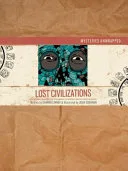
The work does not treat these civilizations as simple historical footnotes. Instead, it portrays them as active groups whose legacies still provoke questions about human progress and planetary change. The book aims to make complex historical subjects accessible, using a "secret file" design from its "Mysteries Unwrapped™" series to foster engagement and curiosity. This method contrasted with more academic approaches to history.
Linnea's book is for anyone curious about the unexplained aspects of the past. It is particularly useful for young people beginning to explore archaeology and ancient peoples. Adults looking for a clear introduction to forgotten ancient groups and the reasons for their demise will also find it valuable. Those interested in speculative history and the possibility of hidden knowledge in ancient times will appreciate the book's perspective.
This book enters a long tradition of fascination with lost worlds, a theme explored by figures like Ignatius Donnelly in his 1882 work "Atlantis: The Antediluvian World." Such inquiries often touch on speculative history and the idea of hidden knowledge within the past. The "Mysteries Unwrapped™" series, to which "Lost Civilizations" belongs, aimed to make these complex subjects engaging for younger audiences, using interactive design to spark interest in topics often presented in dry academic formats. This approach connects to a broader cultural interest in uncovering forgotten histories and alternative narratives beyond mainstream historical accounts.
💡 Why Read This Book?
• Gain an understanding of how ancient urban centers like Ur could vanish, providing concrete examples of societal impermanence and the impact of environmental change. • Learn about the specific practices and eventual fate of the Maya civilization, offering a tangible case study in the rise and fall of complex societies. • Explore the inherent mysteries in archaeological discovery, appreciating the challenges and speculative nature involved in reconstructing the past from fragmented evidence.
⭐ Reader Reviews
Honest opinions from readers who have explored this book.
❓ Frequently Asked Questions
What makes the 'Mysteries Unwrapped™' series engaging for reluctant readers?
The series, including "Lost Civilizations," uses an appealing "secret file" design and high-interest topics to draw in readers. This format makes learning about historical enigmas interactive and visually stimulating, encouraging engagement even from those who typically avoid reading.
Which ancient city is highlighted as having disappeared under sand?
The city of Ur is specifically mentioned as a thriving ancient city that eventually disappeared beneath the desert sands, serving as a prime example of a lost civilization.
What historical periods or civilizations does "Lost Civilizations" cover?
The book covers various lost or vanished civilizations, including ancient Mesopotamia with the city of Ur and the pre-Columbian Maya civilization of Mesoamerica, among others.
What is the original publication year of Sharon Linnea's "Lost Civilizations"?
Sharon Linnea's "Lost Civilizations" was first published in 2009 as part of the "Mysteries Unwrapped™" series.
Does the book discuss theories about why civilizations disappear?
Yes, the book explores potential reasons for the decline or disappearance of ancient societies, touching upon environmental factors, societal shifts, and the enduring mysteries that often surround these events.
What is the primary focus of the "Lost Civilizations" book?
The primary focus is on introducing readers to fascinating but long-gone civilizations, examining their legacies, the archaeological evidence, and the theories surrounding their ultimate disappearance from historical record.
🔮 Key Themes & Symbolism
The Ephemerality of Empires
This theme underscores the transient nature of even the most powerful human constructs. By examining societies like Ur, which once stood as a strong example of Mesopotamian civilization, the book illustrates how cities and cultures can recede into obscurity, buried by time, sand, or conquest. It prompts reflection on the cyclical rise and fall of civilizations, a concept that speaks to cyclical views of history found in many esoteric traditions, suggesting that what appears permanent is often subject to profound change.
Archaeological Enigmas and Unanswered Questions
The work highlights the inherent mystery in piecing together the past from fragmented evidence. The disappearance of civilizations like the Maya, despite their sophisticated calendar systems and monumental architecture, presents a profound puzzle. This theme speaks to the esoteric pursuit of hidden knowledge, where the gaps in historical records are seen not as mere absences of information, but as invitations to explore speculative possibilities and the limits of human understanding regarding ancient peoples.
The Legacy of Lost Peoples
Even in their absence, these civilizations leave behind echoes that continue to influence and intrigue. The book examines how the remnants of cultures like the Maya continue to be studied and how their stories persist in legend and lore. This enduring impact, despite physical disappearance, aligns with esoteric ideas about consciousness and influence transcending physical form, suggesting that the essence or lessons of a civilization can persist long after its material existence ceases.
Cycles of Civilization and Transformation
Linnea's exploration implicitly touches upon broader cycles of existence, a concept central to many metaphysical frameworks. The rise and fall of ancient cities serve as tangible examples of larger patterns of growth, decline, and transformation. This perspective encourages a view of history not as a linear progression but as a series of cycles, inviting contemplation on humanity's place within these grander cosmic or terrestrial rhythms.
💬 Memorable Quotes
Direct passages from the work, attributed to the author.
“Ur--a thriving ancient city that disappeared under sand”
— This concise description captures the book's core theme: the dramatic physical erasure of once-prominent human settlements. It serves as a stark reminder of nature's power and the fragility of even advanced civilizations against the passage of millennia.
“Learn about the Maya and the lengths they went to to ap”
— This snippet hints at the intricate and often complex efforts undertaken by ancient peoples, such as the Maya, in their societal development, religious practices, or astronomical observations, leaving the reader to ponder the depth of their achievements and the reasons for their eventual decline.
“Mysteries Unwrapped™ has captivated kids.”
— This highlights the series' success in making historical and scientific enigmas accessible and engaging, suggesting that the presentation and subject matter are designed to spark curiosity and active learning.
“cool "secret file” design”
— This refers to the unique visual and structural presentation of the book, intended to create an immersive and interactive reading experience, mimicking the discovery of hidden or classified information.
“appealing, high-interest topics”
— This phrase emphasizes the editorial strategy behind the book's selection of subjects – focusing on inherently fascinating historical puzzles and vanished cultures to capture reader attention.
🌙 Esoteric Significance
Tradition
While not explicitly aligned with a single esoteric tradition, "Lost Civilizations" speaks to themes common in esoteric thought, particularly those exploring cyclical history and the hidden knowledge of ancient peoples. It touches upon the Gnostic fascination with lost wisdom and the Theosophical interest in ancient, advanced races and cataclysms. The book serves as an accessible entry point to contemplating the vastness of time and the possibility of forgotten epochs, aligning with a broader esoteric worldview that seeks understanding beyond conventional historical narratives.
Symbolism
The concept of a "lost civilization" itself functions as a powerful symbol, representing forgotten knowledge, a fallen golden age, or humanity's potential for self-destruction. The image of a city buried by sand, like Ur, symbolizes the overwhelming power of natural forces and the impermanence of material achievements. The Maya's complex calendar and astronomical systems, when presented in the context of their decline, symbolize the limitations of human intellect and foresight in the face of larger cosmic or earthly cycles.
Modern Relevance
Contemporary interest in ancient astronaut theories, lost continents (like Atlantis or Lemuria), and the potential for advanced ancient technologies reflects the spirit of inquiry found in "Lost Civilizations." Thinkers and communities exploring archaeoastronomy, ancient mysteries, and alternative historical narratives often draw inspiration from such explorations of vanished cultures. The book's accessible format makes it a starting point for individuals interested in these fields, connecting them to a long tradition of questioning mainstream historical accounts.
👥 Who Should Read This Book
• Young readers aged 9-14 with a budding interest in history, archaeology, and unsolved mysteries, seeking an engaging introduction to ancient cultures. • Adults interested in a clear, concise overview of famous lost civilizations and the archaeological puzzles surrounding them, without overly academic jargon. • Educators and parents looking for supplementary material to spark curiosity about ancient history and encourage critical thinking about historical evidence and interpretation.
📜 Historical Context
Published in 2009, Sharon Linnea's "Lost Civilizations" emerged during a period of renewed popular interest in ancient mysteries and speculative history, fueled by documentary television and online forums. The "Mysteries Unwrapped™" series sought to capture this fascination for a younger demographic, employing engaging design and accessible language. This approach positioned it against more academic, dry treatments of history. The book taps into a lineage of inquiry that includes early 20th-century figures like Graham Hancock, who popularized theories of advanced prehistoric civilizations, though Linnea's work is generally less controversial and more grounded in presenting established archaeological puzzles. The reception of such works often falls into two camps: those who appreciate the engagement with enigmatic topics and those who critique the potential for oversimplification or sensationalism, a debate present since the days of Ignatius Donnelly's "Atlantis" in the late 19th century.
📔 Journal Prompts
The disappearance of Ur beneath the sands, a symbol of impermanence.
The Maya's sophisticated achievements and their eventual decline.
The challenge of reconstructing history from fragmented evidence.
The allure of uncovering secrets from long-vanished societies.
Reflecting on the cyclical nature of civilization as presented in the text.
🗂️ Glossary
Ur
An ancient Sumerian city-state in Mesopotamia, one of the oldest cities in the world, known for its significant archaeological remains and eventual decline, famously disappearing under desert sands.
Maya Civilization
A Mesoamerican civilization known for its advanced hieroglyphic writing system, sophisticated calendar, mathematics, art, and architecture, which flourished in regions of present-day Mexico and Central America.
Archaeology
The scientific study of human history and prehistory through the excavation of sites and the analysis of artifacts and other physical remains.
Civilization
A complex society characterized by urban development, social stratification, symbolic communication forms (such as writing systems), and a perceived separation from and control over the natural environment.
Mesoamerica
A historical and cultural region that extends from central Mexico down through Belize, Guatemala, El Salvador, Honduras, Nicaragua, and northern Costa Rica, home to several indigenous civilizations.
Sumerian
Relating to Sumer, a region in southern Mesopotamia, and its inhabitants, who developed one of the earliest known civilizations in the world.
Hieroglyphic Writing
A system of writing that uses pictorial symbols, as employed by the ancient Egyptians and Maya, often representing ideas or sounds.