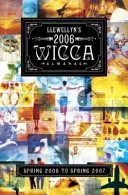
Llewellyn's Wicca Almanac
 79
79

Llewellyn's Wicca Almanac
The Llewellyn's Wicca Almanac, particularly the 2006 edition featuring contributions from figures like Christopher Penczak, presents a robust snapshot of contemporary Wiccan thought. Its strength lies in its eclecticism, offering a breadth of articles that move beyond dogmatic pronouncements to explore diverse viewpoints. The inclusion of a week-at-a-glance planner and discussions that, as the blurb notes, engage 'lively discussions between the sexes,' demonstrates a practical and relevant approach. However, the sheer variety can sometimes lead to a lack of thematic cohesion, making it feel more like a collection of essays than a singular narrative. One particularly interesting element was the exploration of different authors' takes on ritual efficacy, a topic often debated. Ultimately, the Almanac serves as a valuable, if occasionally diffuse, resource for those seeking to understand the evolving landscape of modern Wicca.
📝 Description
79
Llewellyn's Wicca Almanac has been published annually since at least 2006.
This annual publication collects articles, advice, and writings for modern Wiccan practitioners and students. Each edition features contributions from various figures in the pagan and Wiccan communities. Topics cover a wide range of subjects relevant to spiritual practice, ritual, and esoteric study. The almanac includes astrological data, seasonal correspondences, and lunar cycles, along with discussions on magical theory and practice.
The almanac is for individuals engaged with or curious about Wicca and contemporary paganism. It provides fresh perspectives and new material for experienced practitioners, and accessible introductions for newcomers. Those interested in eclectic witchcraft, comparative esotericism, and the connection between spiritual practice and current thought will find value. It also appeals to readers who appreciate diverse voices within a living spiritual tradition.
Emerging in the early 21st century, a time of significant diversification in modern Paganism, Llewellyn's Wicca Almanac reflects the evolution beyond foundational Wiccan texts. It embraces a broader spectrum of voices and interpretations, distinguishing itself from earlier, more singular narratives of the tradition. Its consistent release positions it as a record of ongoing trends and discussions within the contemporary Wiccan world, acknowledging a growing interest in varied traditions and eclectic practices.
💡 Why Read This Book?
• Gain practical magical and ritual planning tools for the year ahead, directly informed by the specific astrological and seasonal calendars detailed within the almanac, helping you align your practice with celestial and terrestrial cycles. • Explore diverse perspectives on Wiccan practice from innovative thinkers like Christopher Penczak, offering insights into contemporary interpretations of the craft that go beyond foundational texts. • Engage with discussions on topics such as the 'lively discussions between the sexes' as mentioned in the original blurb, providing a window into evolving social dynamics within spiritual communities.
⭐ Reader Reviews
Honest opinions from readers who have explored this book.
❓ Frequently Asked Questions
When was the first edition of Llewellyn's Wicca Almanac published?
The first edition of Llewellyn's Wicca Almanac, featuring contributions from authors like Christopher Penczak, was initially published in February 2006, marking its entry into the annual spiritual calendar.
What kind of articles can I expect in Llewellyn's Wicca Almanac?
You can expect around 24 articles per edition, contributed by innovative thinkers and experts in the field, covering eclectic topics relevant to Wicca and modern paganism.
Does the almanac include practical planning tools?
Yes, Llewellyn's Wicca Almanac typically includes a week-at-a-glance section, ideal for practitioners who wish to plan rituals, correspondences, and personal magical workings.
Are there discussions on relationships or gender within the almanac?
The 2006 edition specifically mentions a new chapter featuring 'lively discussions between the sexes,' indicating a focus on interpersonal and gender dynamics within a spiritual context.
Who are some of the notable contributors to Llewellyn's Wicca Almanac?
Notable contributors have included figures like Christopher Penczak, alongside various experts and innovative thinkers from the Wiccan and pagan communities, ensuring a range of perspectives.
Is this almanac suitable for beginners in Wicca?
Yes, its eclectic nature and practical tools, combined with contributions from various experts, make it accessible for beginners while offering depth for experienced practitioners.
🔮 Key Themes & Symbolism
The Wheel of the Year
The almanac consistently grounds its content in the cyclical nature of the year, as observed in Wiccan traditions. This includes detailed explorations of the eight major Sabbats (Samhain, Yule, Imbolc, Ostara, Beltane, Litha, Lughnasadh, Mabon) and their associated correspondences, rituals, and magical workings. It provides practical applications for aligning personal practice with these seasonal shifts, offering guidance on everything from herbalism to divination that is specific to each turning of the wheel.
Deity and Divine Feminine
A central theme is the veneration of deities, often focusing on the archetypal God and Goddess figures prevalent in many Wiccan traditions. The almanac studies the mythology, symbolism, and practical invocation of these divine energies. Emphasis is frequently placed on the Divine Feminine, exploring her various aspects and her significance in contemporary spiritual practice, ritual construction, and personal empowerment for practitioners.
Eclectic Practice and Modern Witchcraft
Reflecting the evolving field of Wicca, the almanac champions an eclectic approach, welcoming diverse voices and interpretations. It showcases modern witchcraft as a fluid and adaptable path, incorporating contemporary thought, psychology, and varied magical systems. This theme encourages practitioners to develop their own unique synthesis of beliefs and practices, moving beyond rigid adherence to any single tradition.
Ritual and Magical Theory
The almanac offers a rich source for understanding the mechanics and philosophy behind Wiccan ritual and magic. Articles explore various techniques for spellcasting, consecration, and energy manipulation. It often includes theoretical discussions on the nature of magic, the ethics of its use, and the psychological underpinnings of ritual effectiveness, providing both practical instruction and intellectual stimulation for the dedicated practitioner.
💬 Memorable Quotes
Direct passages from the work, attributed to the author.
“24 articles by innovative thinkers and experts”
— This phrase highlights the almanac's commitment to presenting a wide spectrum of contemporary voices within the Wiccan and pagan community, moving beyond established norms to explore new ideas.
“a week-at-a-glance section”
— This refers to the practical, calendar-based component of the almanac, designed for easy planning of rituals, correspondences, and personal magical work throughout the year.
“a new chapter that includes lively discussions between the sexes”
— This points to the almanac's willingness to address contemporary social and interpersonal dynamics, exploring gender roles and relationships within the context of spiritual practice.
“irreverent, useful, and eclectic information”
— This description sets the tone for the almanac, suggesting content that is both practical and engaging, unafraid to challenge convention while remaining grounded in utility for the reader.
“first published 2006-02”
— This factual anchor provides a specific historical marker for the edition, situating it within the broader development and popularization of modern Wicca and paganism.
🌙 Esoteric Significance
Tradition
This almanac fits within the broad umbrella of modern Western Esotericism, specifically the Wiccan and contemporary Pagan traditions that gained significant traction in the latter half of the 20th century. It departs from more rigid, lineage-bound practices by emphasizing an eclectic and accessible approach, reflecting the 'living tradition' ethos prevalent in many modern Pagan circles. It acts as a bridge, connecting established Wiccan principles with contemporary interpretations and diverse spiritual explorations.
Symbolism
Key symbols often explored include the Wheel of the Year, representing the cyclical nature of life, death, and rebirth, and the divine feminine archetypes embodied by the Goddess. The almanac frequently uses celestial imagery – moons, stars, sun – to signify divine presence, magical timing, and the interconnectedness of the cosmos with earthly practice. These symbols serve as focal points for ritual and personal meditation, grounding the practitioner in the energies of nature and the divine.
Modern Relevance
Contemporary practitioners of eclectic Wicca, modern witchcraft, and various neo-pagan paths continue to draw upon the almanac's format for practical planning and diverse perspectives. Thinkers and groups focused on nature-based spirituality, feminist spirituality, and comparative religion find value in its annual documentation of evolving thought and practice within the Wiccan community.
👥 Who Should Read This Book
• Beginning students of Wicca seeking a comprehensive overview of practical tools and diverse viewpoints to establish a foundational understanding of the craft. • Experienced practitioners looking for fresh perspectives, new ritual ideas, and engagement with contemporary discussions within the broader pagan community. • Comparative religion scholars or those interested in modern spiritual movements who wish to understand the evolving landscape and discourse of contemporary Wicca.
📜 Historical Context
The 2006 edition of Llewellyn's Wicca Almanac emerged during a vibrant period for modern Paganism, a time when Wicca and related traditions were moving beyond their mid-20th-century foundations. Following the foundational work of figures like Gerald Gardner and the subsequent popularization by authors like Raymond Buckland, the early 2000s saw an explosion of diverse practices and a growing academic interest. This almanac reflects that diversification, offering a platform for 'innovative thinkers and experts' rather than relying on a singular, established doctrine. It stood in contrast to earlier, more monolithic portrayals of Wicca, embracing an 'eclectic' approach that acknowledged the multiplicity of paths. While specific reception events like major reviews or censorship are not widely documented for this particular annual publication, its consistent release by Llewellyn Publications, a major player in esoteric publishing since the 1960s, indicates its established place in the market. This period also saw engagement with alternative spiritualities from thinkers outside the Pagan sphere, but the Almanac remained firmly within the community, documenting its internal conversations and developments.
📔 Journal Prompts
Reflect on the 'irreverent, useful, and eclectic information' presented in this almanac and how it challenges your preconceptions.
Consider the concept of the Wheel of the Year and how its phases might influence your personal magical workings.
Analyze the 'lively discussions between the sexes' mentioned in the 2006 edition; what societal or spiritual implications does this topic hold for you?
Identify one innovative thinker featured in the almanac and articulate how their perspective differs from your current understanding of Wicca.
How can the week-at-a-glance planning tool be integrated into your current spiritual or mundane schedule to enhance focus and intention?
🗂️ Glossary
Wicca
A modern, nature-based religion and spiritual path that often venerates a God and Goddess and celebrates the cycles of nature, particularly through the Wheel of the Year.
Esoteric
Relating to or concerned with the occult or the supernatural; intended for or likely to be understood by only a small number of people with a specialized knowledge or interest.
Paganism
A broad term for indigenous, nature-based religious traditions that often predate Christianity, Judaism, and Islam, frequently characterized by polytheism and reverence for the natural world.
Wheel of the Year
The Wiccan and neo-pagan cycle of eight seasonal festivals (four solstices/equinoxes and four cross-quarter days) that mark the progression of the year.
Sabbats
The eight major festivals celebrated in Wiccan and neo-pagan traditions, corresponding to the solstices, equinoxes, and the cross-quarter points between them.
Correspondences
In magical practice, associations between different elements, colors, herbs, planets, deities, etc., used to enhance ritual work and understanding.
Eclectic
In a spiritual context, drawing from a variety of traditions, beliefs, and practices to create a personal path rather than adhering strictly to one doctrine.













![John Todd [Illuminati And Witchcraft Exposed].pdf (PDFy mirror)](/img/thumb/john-todd-illuminati-and-witchcraft-exposed-pdf-pdfy-mirror.webp)